What determines brain plasticity?
The brain's capacity for change, often termed neuroplasticity, is not a temporary state but an inherent characteristic that governs learning, memory, and adaptation throughout life. [1][2] This remarkable ability allows the central nervous system to reorganize its structure, function, and connections in response to environmental demands or injury. [1][9] Understanding what determines the degree and direction of this change requires looking at internal biological machinery as much as external life experience. [3]
# Definition Change
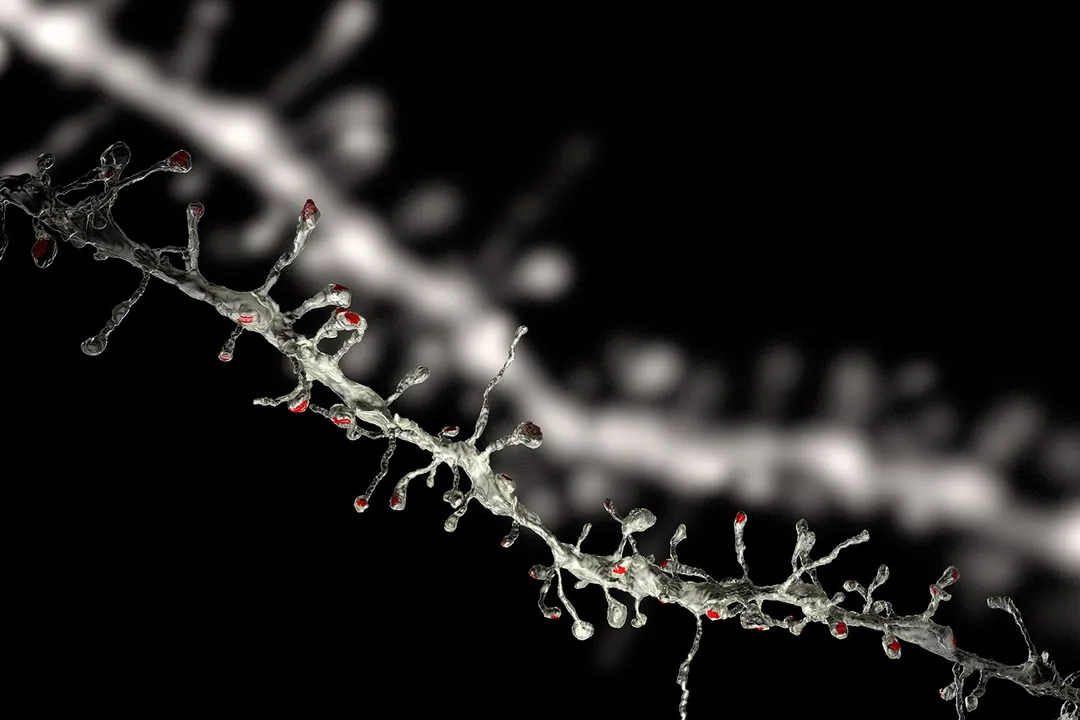
Plasticity isn't a single process; rather, it manifests in different ways depending on the need. Broadly, researchers categorize these adaptations into two main forms: functional and structural plasticity. [2][9] Functional plasticity involves the brain shifting functions from a damaged or less efficient area to an unused or neighboring area. [9] This is evident when the brain compensates for an injury by routing an existing task through a different set of neural pathways. [1]
Structural plasticity, on the other hand, involves physical alterations in the actual architecture of the brain. [2] This can mean creating entirely new synaptic connections, pruning away unused ones, or even, in some specific instances, generating new neurons—a process called neurogenesis. [1][7] The type of determinant we examine often dictates which form of plasticity is being triggered. For instance, simple repetition might strengthen existing structures, while severe injury demands wholesale functional relocation. [6]
# Age Effect

The age of an individual is perhaps the most classically recognized determinant of brain plasticity, though perhaps less rigidly than once thought. During early development, the brain undergoes rapid, massive reorganization, establishing foundational connections. [5] There are often critical periods—specific time windows where the brain is highly sensitive to certain inputs necessary for proper development, such as visual or language skills. [1] If the required input is missed during this sensitive time, acquiring that skill later becomes significantly more difficult, if not impossible, indicating a rapid tapering off of plasticity in that specific circuit. [1]
However, the notion that plasticity disappears after childhood is inaccurate. [2] While the extensive, large-scale reorganization seen in youth slows down, the adult brain continues to exhibit plasticity. [1][6] The primary difference lies in the nature of the change. Adult plasticity often requires more intense, concentrated effort to elicit the same level of structural modification seen naturally in childhood. [2] Furthermore, the foundational brain architecture established in early life, shaped by early relational experiences, sets the stage for all subsequent adaptation. [5]

# Experience Drivers

If age sets the potential range for plasticity, experience provides the specific instructions. Every novel experience, every piece of information learned, every physical skill practiced, physically changes the connections in your brain. [6] This is the tangible proof that the environment is constantly molding the neural landscape. [5]
The driving mechanism behind experience-dependent change is often summarized by the principle tied to Hebb's Law: connections between neurons that repeatedly fire together become stronger, forming a more efficient circuit. [4] This strengthening is the basis for learning and memory consolidation. [7] Conversely, connections that are rarely activated tend to weaken or be eliminated, a process critical for optimizing brain efficiency. [8]
Consider the difference between learning to ride a bicycle and recovering motor skills after a stroke. Riding a bike reinforces existing, healthy pathways through repetition, making the function more efficient and automatic—a refinement of structure. Stroke recovery, however, forces the brain to create entirely new pathways to bypass dead tissue, demanding a much higher degree of functional reorganization and intensity of retraining. [2][6] The determining factor here is not just what you do, but whether the activity demands creation or optimization. [9]
# Molecular Basis
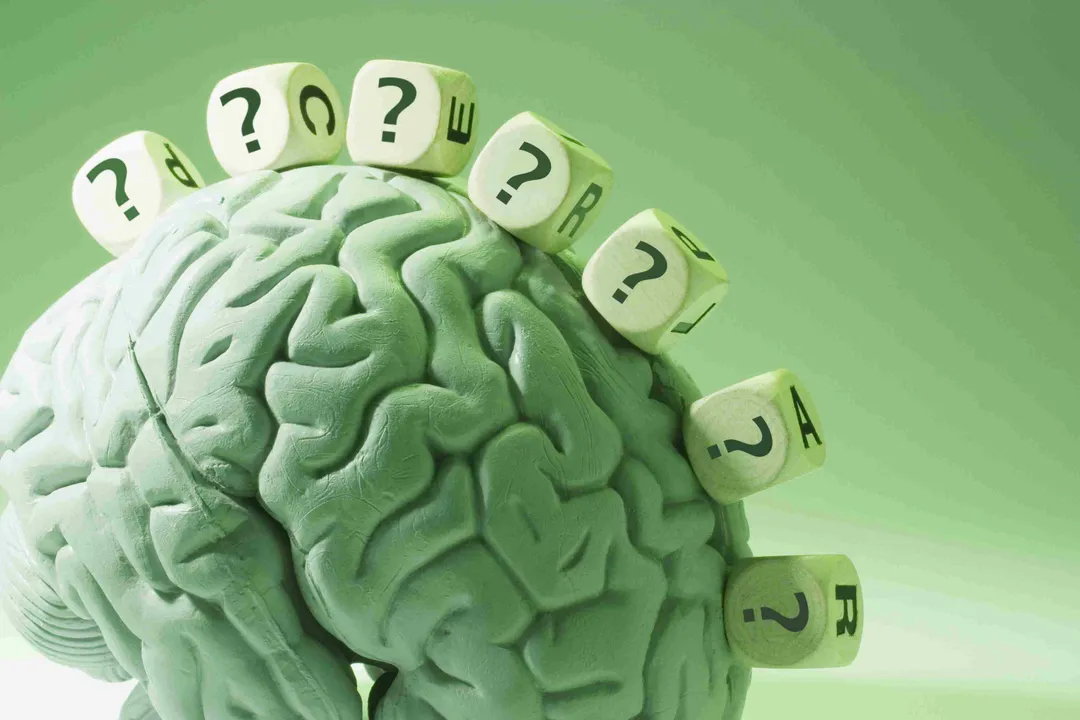
To fully grasp what determines plasticity, we must examine the cellular level, specifically focusing on synaptic plasticity. [4] The strength of a synapse—the tiny gap between two neurons—is highly mutable. [4] The two core processes governing this strength are Long-Term Potentiation (LTP), which represents a persistent strengthening of connections, and Long-Term Depression (LTD), which represents a persistent weakening. [4][7]
These changes are mediated by complex molecular signaling, including alterations in neurotransmitter release and the trafficking of receptors on the postsynaptic neuron. [3][7] For example, when LTP occurs, more neurotransmitter receptors may be inserted into the receiving neuron's membrane, making that neuron much more sensitive to future signals from the sending neuron. [7] This molecular tuning ensures that circuits relevant to recent experience are primed for rapid communication, whereas irrelevant circuits are downregulated. [3]

# Plasticity Rule
Scientists have sought fundamental rules that govern which connections are strengthened when multiple inputs occur simultaneously. One key discovery suggests that the degree of synaptic change is not simply about how often a connection is used, but rather its relative usage compared to other pathways serving the same general function. [8]
If a specific set of neurons fires together repeatedly, they strengthen their bond. However, if one connection in that set fires intensely only when another, competing connection is silent, that unique temporal relationship drives a distinct and powerful plastic change. [8] This implies a competition for influence; the brain prioritizes wiring patterns that are unique or context-specific over those that are merely active during general background noise. [8] This rule helps explain how the brain carves out specialized circuits from a generalized pool of potential connections. [5]
Attentional allocation acts as an intrinsic gatekeeper for plasticity. Passive exposure to new environments or information provides less structural modification than active, mindful engagement. If you are trying to learn a language while simultaneously scrolling social media, the competitive environment within the brain—the relative firing patterns mentioned above—favors the highly salient, perhaps less demanding, distraction over the complex, effortful language acquisition. Therefore, attentional allocation acts as an intrinsic gatekeeper for plasticity, determining which potential synaptic changes are actually encoded into lasting architecture. [1][4]
# Injury Response
When the brain suffers damage, such as from a stroke or traumatic injury, the determinant for subsequent plasticity shifts toward compensation and repair. [2] The injured area may lose functionality, but the brain initiates a massive push for reorganization to restore behavior. [1] This recovery relies on functional plasticity, where adjacent, healthy areas volunteer to take over the lost duties. [9]
The success of this recovery is determined by two major factors: the extent of the damage, and the nature of the subsequent experience, primarily rehabilitation. [2] A small, focused lesion allows for better compensation than widespread damage. More importantly, the brain needs intense, targeted experience to force the healthy, unused tissue to wire itself into the required task. Without this focused "practice"—the necessary input—the adjacent areas will remain dormant, and recovery will stall. [6] Rehabilitation, in this context, is the intentional creation of the precise environmental demands needed to drive the necessary synaptic and structural changes. [2]
To summarize the main determinants influencing brain plasticity, one can look at the interplay between inherent capacity and external influence:
| Determinant Category | Key Factors Influencing Change | Type of Plasticity Primarily Affected |
|---|---|---|
| Biological State | Age, Genetic Predisposition, Health/Nutrition | Capacity and speed of reorganization [1][2] |
| Experience/Environment | Intensity, Repetition, Novelty, Attention | Strengthening/Weakening of specific circuits [4][8] |
| Injury Status | Location and severity of tissue loss | Functional compensation and recruitment [9][6] |
Related Questions
#Citations
Neuroplasticity - StatPearls - NCBI Bookshelf - NIH
How Neuroplasticity Works - Verywell Mind
The neuroplastic brain: current breakthroughs and emerging frontiers
What is synaptic plasticity? - Queensland Brain Institute
Brain Architecture: An ongoing process that begins before birth
Neuroscience for Kids - Brain Plasticity
Hallmarks of Brain Plasticity - MDPI
MIT scientists discover fundamental rule of brain plasticity
Brain Plasticity In Psychology | Neuroplasticity