How does the brain encode memories?
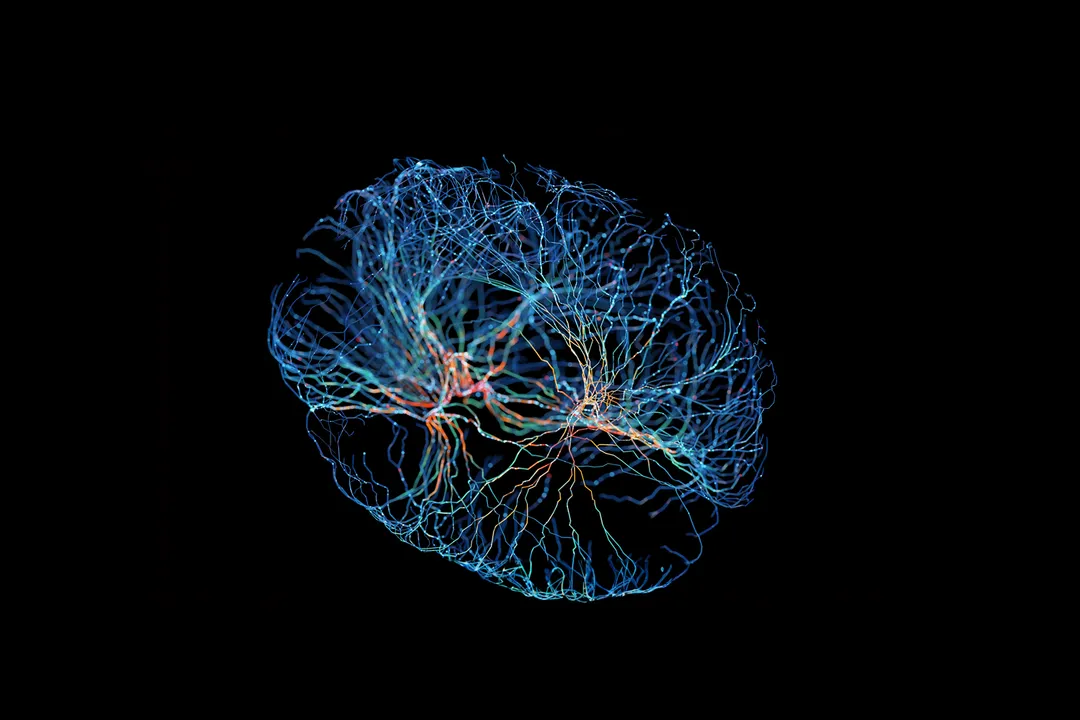
The process by which the brain captures and converts sensory experiences into storable information begins with encoding, the critical first step in memory formation. [2][7] This is not merely recording data like a camera; rather, it is an active transformation of incoming sensory input—sights, sounds, smells, and thoughts—into a chemical and electrical format that the neural networks can physically maintain. [1][7] If the encoding is weak or incomplete, the subsequent steps of storage and retrieval will struggle, regardless of how healthy the brain structures are. [4]
# Memory Stages

Memory functions through a sequence of defined stages, each building upon the last. [4] Initially, sensory memory holds incoming information for a fraction of a second, allowing the brain just enough time to decide what warrants further attention. [4] If attention is paid, the information moves to short-term memory, which has a limited capacity and duration, perhaps holding only a few items for about thirty seconds. [4] To become a lasting memory, the information must pass into long-term storage, which is believed to have an essentially limitless capacity. [4] Encoding is the bridge that spans the gap between that fleeting sensory awareness and the more stable short-term state, initiating the process that eventually leads to long-term consolidation. [1]
# Synaptic Change

At the most fundamental level, memory encoding translates experience into physical changes within the brain’s architecture. [1][7] The brain is composed of billions of neurons, and memories are encoded not in individual cells, but in the strength of the connections, or synapses, between them. [1]
The primary mechanism driving this strengthening is often described through the lens of Long-Term Potentiation (LTP). [1] LTP is a persistent strengthening of synapses based on recent patterns of activity. [1] The guiding principle here is often summarized as: neurons that fire together, wire together. [1] When two neurons repeatedly activate in sequence—such as when you are learning a new piece of information—the connection between them becomes more efficient and easier to activate in the future. [7] This enhanced efficiency means that a subsequent, similar signal will trigger a stronger response in the receiving neuron, effectively recalling the encoded information. [1]
This physical modification involves several biochemical steps, including changes in receptors on the postsynaptic neuron, potentially leading to structural changes like the growth of new synaptic spines. [1] This physical trace of a memory, distributed across a network of neurons, is known as the engram. [7]

# Hippocampus Role

Certain types of memory rely heavily on specific brain structures, with the hippocampus being perhaps the most famous actor in the formation of new explicit memories. [1][6] Explicit memories, which include facts (semantic memory) and personal experiences (episodic memory), require the hippocampus for their initial binding and creation. [7]
The hippocampus acts as a hub, rapidly integrating various elements of an experience—the visual scene, the accompanying sounds, the emotional context—that were processed in different cortical areas. [6] It essentially links these disparate pieces into a coherent event memory. [6] While the hippocampus is crucial for the formation of these new declarative memories, the final, stable long-term storage of the memory trace often moves elsewhere in the cortex over time. [1][5]
However, research indicates that the hippocampus's role is nuanced. One compelling finding points to the CA2 subregion of the hippocampus as playing a specialized role in encoding memories related to places and events. [6] This circuit appears to selectively strengthen associations that hold high contextual value, allowing the brain to separate significant episode details from the background noise of daily occurrences. [6]
# Encoding Focus
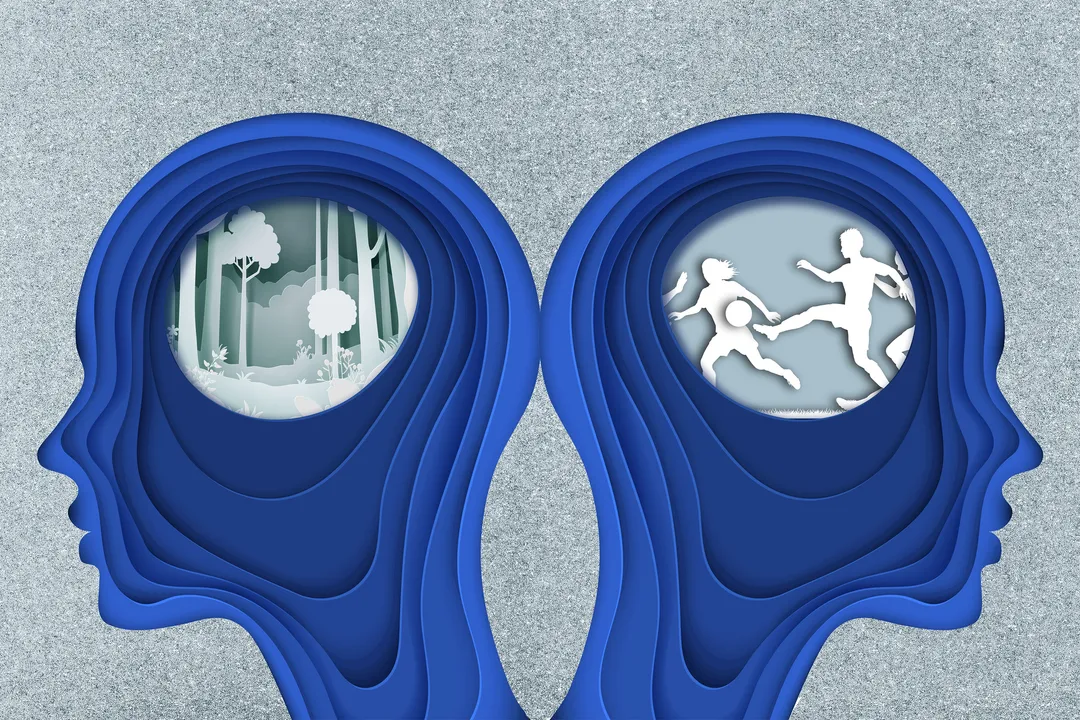
The effectiveness of encoding is profoundly influenced by the depth and nature of processing applied to the information. Simply hearing a list of words (shallow processing) results in poor recall compared to linking those words to personal experiences or analyzing their meaning (deep processing). [7] This demonstrates that the brain prioritizes encoding based on relevance and connection rather than sheer repetition alone.
Consider the contrast between two major memory categories:
| Memory Type | Encoding Requirement | Example |
|---|---|---|
| Declarative/Explicit | Requires conscious attention, context binding, and typically involves the hippocampus. [7] | Recalling the date of a historical event. [7] |
| Procedural/Implicit | Acquired through repetition and practice; often bypasses conscious declaration pathways. [7] | Learning to ride a bicycle or type without looking. [7] |
When learning to ride a bicycle, the initial encoding relies on conscious effort—remembering to grip the handlebars, maintain balance, and pedal (a declarative effort). Yet, the final, enduring memory that allows you to ride without thinking is a procedural trace established through physical repetition, where the encoding occurs within motor circuits long after the initial conscious attempts fade. [7] The brain encodes the how-to through physical performance, not just through passive listening or viewing.
One might observe that the most resilient memories are those where the initial encoding process required significant cognitive effort or emotional activation. If we think of memory encoding as akin to carving a riverbed, passive reception creates a shallow stream that dries up quickly. In contrast, actively wrestling with a complex concept, linking it to existing knowledge, or experiencing a high-arousal emotional event forces the neural network to create deeper, more established channels. [10] This necessity of effort underscores an analytical point: Attention acts as the initial gatekeeper for LTP; if the system is not actively engaged, the requisite simultaneous firing of neurons required for synaptic strengthening simply does not occur often enough to create a lasting trace.

# Stabilization Process
Acquiring the memory trace is only the start; the information must be stabilized to resist disruption, a process known as consolidation. [1] Consolidation works to secure the memory trace after the initial acquisition. [1] This involves those initial synaptic changes becoming long-lasting structural changes in the neural network. [1]
This consolidation isn't instantaneous. A rapid, initial phase occurs within hours, involving quick stabilization of the immediate synaptic modifications. [1] A longer-term phase, sometimes taking days, weeks, or even years, involves systems-level reorganization where the memory becomes independent of the hippocampus, moving toward permanent cortical storage. [1] This gradual shifting explains why recent memories are often more vulnerable to disruption (like amnesia from an injury) than very old, well-established ones.
# Selective Persistence
The brain must constantly decide what information is worth the biochemical cost of maintaining a strong engram. Not every encoded moment can become a permanent fixture; the system needs mechanisms to determine which memories will last and which will fade. [10]
Recent investigation has uncovered that specific brain mechanisms appear designed to judge a memory's persistence potential. [10] While the hippocampus handles the binding of context, other systems might evaluate the salience or importance of that context. If a brain circuit has a way of "tagging" an event as highly salient—perhaps due to unexpectedness or strong emotional valence—that tag appears to bias the consolidation process towards long-term retention. [10]
This suggests a dual evaluation system in memory encoding: first, the hippocampus binds the "what" and "where," and second, an underlying mechanism judges the "how important" to decide the memory's fate. [5][10] For general readers trying to improve their retention, this means that simply encoding information is only half the battle; actively engaging the brain's "importance assessment" system—by teaching the material to someone else, for instance—is a more effective strategy than passive review for ensuring the memory is flagged for long-term storage.
# Brain Networks
Encoding is not confined to one isolated spot; it requires the coordinated activity of several interconnected regions. [5] While the hippocampus is key for new declarative events, the separation and ultimate storage of these memories involve interactions with other areas, such as the medial prefrontal cortex (mPFC). [5]
The mPFC appears to play a role in retrieving and perhaps refining memories that have been moved out of the hippocampus’s direct control. [5] This suggests that encoding sets the initial trace, but the memory's eventual accessibility and context depend on its integration into larger cortical networks. [5] Essentially, the hippocampus is the initial architect drawing up the blueprints, but the cortex is where the final, long-lasting building is erected and connected to the existing city grid. [1] Understanding this network cooperation helps explain why sometimes a very old memory can be recalled perfectly, even if the hippocampus has been damaged later in life—the memory has successfully migrated. [1]
Related Questions
#Citations
How are memories formed? - Queensland Brain Institute
Encoding (memory) - Wikipedia
Inside the Science of Memory | Johns Hopkins Medicine
Memory Encoding | Introduction to Psychology - Lumen Learning
Researchers uncover how the human brain separates, stores ... - NIH
How one brain circuit encodes memories of both places and events
How are Memories Stored in the Brain : r/Neuropsychology - Reddit
Memory (Encoding, Storage, Retrieval) - Noba Project
Memory: What It Is, How It Works & Types - Cleveland Clinic
Brain Mechanism Found to Determine Which Memories Last