What can I use as substrate?
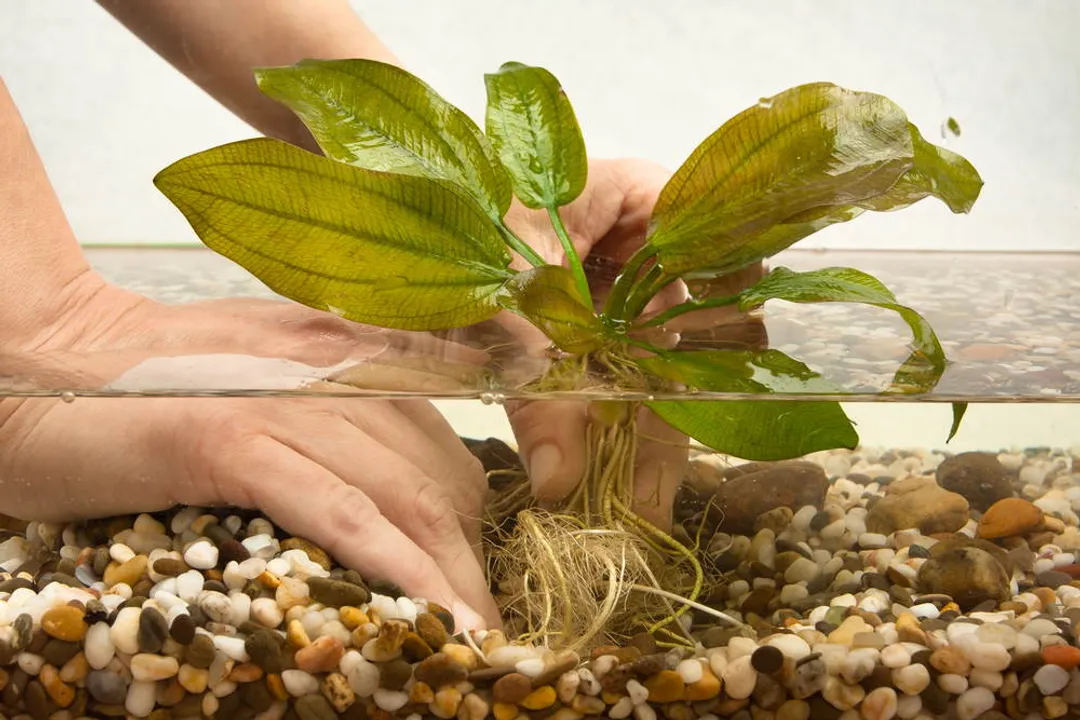
The foundation of any contained ecosystem, whether it’s a tropical planted aquarium, a desert reptile terrarium, or a commercial greenhouse operation, starts with the material beneath the surface: the substrate. This seemingly simple layer does far more than just provide a visual base; it influences nutrient availability, water retention, gas exchange, and the housing of essential microbial life. Deciding what material to use requires a deep dive into the specific needs of the inhabitants and the goals of the setup, as what works perfectly for a high-tech aquatic plant demands utterly different characteristics than what supports a burrowing desert lizard.
# Aquatic Choices
For freshwater aquariums, the choice of substrate is often categorized by whether the primary goal is keeping fish or cultivating lush plant life. In the absence of any substrate, a bare-bottom tank offers supreme ease of cleaning, as debris is easily spotted and siphoned directly to the filter, making it an excellent, albeit often aesthetically unappealing, choice for quarantine or breeding setups. However, adding a substrate dramatically enhances the environment. It provides vast surface area for beneficial bacteria—the workhorses of the nitrogen cycle—to colonize, which is a massive loss of area in a bare setup.
# Inert Materials
Many standard aquarium setups rely on inert substrates, meaning they do not actively alter water chemistry like pH or hardness. Gravel falls into this category and is frequently the initial choice for new aquarists due to its affordability and wide variety of colors and styles. While it anchors plants adequately, especially when paired with root tabs, gravel is not ideal for heavily planted tanks because it lacks inherent minerals for plant sustenance. A significant drawback of gravel is its particle size; the gaps between stones allow fish waste and uneaten food to settle deep within, necessitating diligent vacuuming during routine maintenance to prevent anaerobic pockets from forming.
Sand, being much finer than gravel, presents a different set of advantages and trade-offs. It offers a softer environment highly preferred by bottom-dwelling fish like loaches and Corydoras who enjoy sifting and foraging. Sand’s fineness means debris tends to sit on top, making removal via siphon straightforward. However, this density can also be problematic. Sand compacts tightly, inhibiting root growth and oxygen exchange, which can lead to anaerobic zones capable of reversing the nitrogen cycle. To mitigate this, keepers often opt for a thinner layer or ensure regular manual agitation by bottom feeders or during cleaning. Inert options like Seachem Flourite or Black Diamond Blasting Abrasive (medium grade) are fine enough to help anchor nutrients but coarse enough to permit root respiration, striking a balance between particle size and structure. [5]
# Nutrient-Rich Layers
When plant growth is the priority, specialized soils become the focus. Aquarium soil, typically clay-based, is considered the key to a flourishing, nutrient-rich planted tank. These nutrient-rich substrates possess a high Cation Exchange Capacity (CEC), which is essentially their ability to absorb and hold onto vital nutrients, making them available directly to plant roots. [5] This contrasts sharply with inert sand or gravel, which offer no inherent nutrients.
Aquarium soils often lower the water’s pH, tending toward softer, more acidic conditions, which is excellent for sensitive shrimp species but can be detrimental to hard-water fish like livebearers, who require more minerals. Some soils, like Fluval Stratum, have been noted as being lighter and smooth, which can make initial planting, especially carpeting plants, difficult. [5] Furthermore, some soils can initially leach high levels of ammonia, potentially fueling algae blooms in a new setup. Newer formulations, however, like ADA Amazonia ver. 2 or Tropica soil, have reduced this initial volatility. [5] While soils are the gold standard for root-feeding plants, they eventually deplete their reserves, meaning adding root tabs becomes necessary after a year or two to maintain plant health. [5]
If you are setting up a low-tech tank relying only on stem plants—which often draw nutrients from the water column via liquid fertilizers—a nutrient-rich substrate might be overkill, and inert substrates paired with liquid supplements can suffice. [5] A common practice when combining aesthetics with function is layering: placing nutrient-rich soil in the back for deep-rooted plants and capping it with visible sand in the foreground, using inert material like rock as a barrier between layers to prevent eventual mixing.
# Terrestrial Habitats
Moving away from the aquatic environment, substrates in reptile and amphibian enclosures serve critical roles related to humidity control, burrowing behavior, and creating a functional, self-sustaining environment known as bioactive. The objective shifts from nutrient availability for aquatic roots to providing a deep, moist, and biologically active base layer. [1]
# Bioactive Foundations
A well-designed bioactive substrate aims to become a living ecosystem, supporting beneficial microfauna like springtails and isopods, which act as the clean-up crew, breaking down waste and organic matter. [1] These specially handcrafted mixes are designed to last the life of the animal if maintained correctly, supporting both plant growth and the necessary decomposition cycle. [1] These specialized mixes are used by professionals, including zoos and veterinarians, suggesting a high degree of formulation expertise. [1]
The fundamental requirement for a terrestrial substrate is matching the material composition to the animal’s native biome. For example:
- Tropical/Rainforest Species (e.g., Dart Frogs, Tree Frogs): Substrates like Terra Flora are designed to hold the perfect amount of water and allow excess to drain efficiently, catering to high humidity and avoiding stagnant conditions. [1]
- Arid/Desert Species (e.g., Bearded Dragons, Leopard Geckos): Substrates like Terra Sahara are formulated for environments that remain very dry but experience occasional humidity spikes. These mixes prioritize drainage and low moisture retention to prevent mold or overly damp conditions. [1]
- Terrestrial/Burrowing Species (e.g., Monitors, Tortoises): Mixes like Terra Firma are tailored for hot biomes with minor humidity fluctuations, often designed robustly enough that a separate drainage layer may not even be required. [1]
The structure of these mixes often involves components like coco coir and sphagnum peat moss combined with other materials to achieve the desired texture and water-holding capacity. [1] The substrate itself can be inoculated with beneficial components to nourish the clean-up crew directly, ensuring the entire base layer is nutritionally sound for microfauna. [1]
# Alternatives and DIY Mixes
While commercial bioactive blends offer scientifically balanced recipes, many experienced keepers opt for do-it-yourself methods, often drawing inspiration from agricultural guides where substrate composition is strictly controlled. [5][6] A common starting point in DIY mixes is topsoil, which provides excellent organic matter and nutrient content, similar to its use in the aquarium "dirted tank" method. [1] However, raw topsoil must always be thoroughly capped with a cleaner, inert layer like sand or fine gravel to prevent it from clouding the enclosure when disturbed. [1]
Coconut husk material, or cocopeat, is frequently highlighted for its organic nature and stability, functioning much like wood to create a good root environment. [6] This material is noted for its reusability as compost after its primary use. [6] Conversely, coconut husk chunks might float indefinitely if introduced to an aquatic setting, making them unsuitable for fish tanks but potentially useful for textural elements in paludariums or terrariums. [1]
When considering DIY versus pre-made mixes for reptiles, the upfront cost difference is substantial. Commercial, pre-blended mixes carry a higher initial price tag but simplify the setup process by guaranteeing the right ratios of aeration, drainage, and microbial food sources. [1] Conversely, building your own blend—perhaps using coco coir, orchid bark, and mineral additives—can be more cost-effective long-term but requires a deeper knowledge base to ensure the correct balance of moisture retention versus drainage for the specific pet. [5] For instance, choosing a substrate with larger water and nutrient buffers is often better for warm climates, while colder environments might tolerate lower buffers. [6]

# Principles Across Applications
Across all disciplines—from farming to aquatics to herpetoculture—several core material properties dictate suitability. Substrates must allow for an optimal root environment, which translates to adequate porosity and support. [5][6]
In greenhouse agriculture, substrates like stone wool (inorganic, factory-made) offer precise management of water and nutrients but can be difficult to buffer correctly. [6] Other agricultural options include perlite (volcanic stone for high oxygen content) or wood/sawdust. [6] A key distinction in farming is reusability: organic substrates like cocopeat can often be repurposed as compost, whereas inorganic materials may need to be returned to the factory for recycling. [6]
This need for control and optimization mirrors what hobbyists seek. Inert substrates like coarse sand or fine gravel work best in aquariums when they are porous enough to allow root growth but compact enough to retain substrate-level nutrients, unlike very fine sand which smothers roots, or coarse gravel which offers poor support. [5]
The choice of material often comes down to maintenance style and aesthetic preference, assuming the essential biological needs are met. For example, if you have fish that stir the bottom regularly, a substrate prone to clouding (like fine soil without a cap) will become an immediate nuisance. [1][4] If you prefer minimal intervention, a medium-grade gravel or a properly capped soil that doesn't compact too easily is preferable.
Considering particle size relative to filtration is a practical consideration often overlooked by beginners. Very fine sand can be pulled into filter intakes along with debris, causing wear, while large gravel traps detritus where water flow struggles to carry it toward the filter intake. It appears that the sweet spot for many inert aquarium substrates falls between fine gravel and coarse sand—materials that resist being pulled into the filter but are coarse enough to avoid excessive compaction. [5] This leads to an important realization: the physical structure (grain size and shape) often dictates the required maintenance routine more than the inherent chemical composition does. If you choose fine material, be prepared to siphon carefully or disturb it frequently; if you choose coarse material, be prepared to siphon deeper or use a gravel vacuum more aggressively. This maintenance commitment is a component of substrate selection that deserves careful thought before the tank is filled. For those setting up large, heavily planted tanks, the sheer volume of material needed makes cost efficiency a major factor, often driving a choice toward inert sand or soil mixes that can be supplemented over time, rather than expensive, pre-dosed media for the entire bottom layer. [5]
#Videos
How to make Substrate!
Related Questions
#Citations
What other things can be used as substrates? : r/Aquariums
How to make Substrate!
Best substrate for plants? - Plants, Algae, and Fertilizers
A farmer's guide to substrates
Planted Aquarium Substrate: Soil, Gravel, and Sand
Bioactive Substrates & Soil for Terrariums