How does energy storage fundamentally shift grid operation away from reactive management?
Answer
By allowing resources to be dispatched strategically to prevent instability
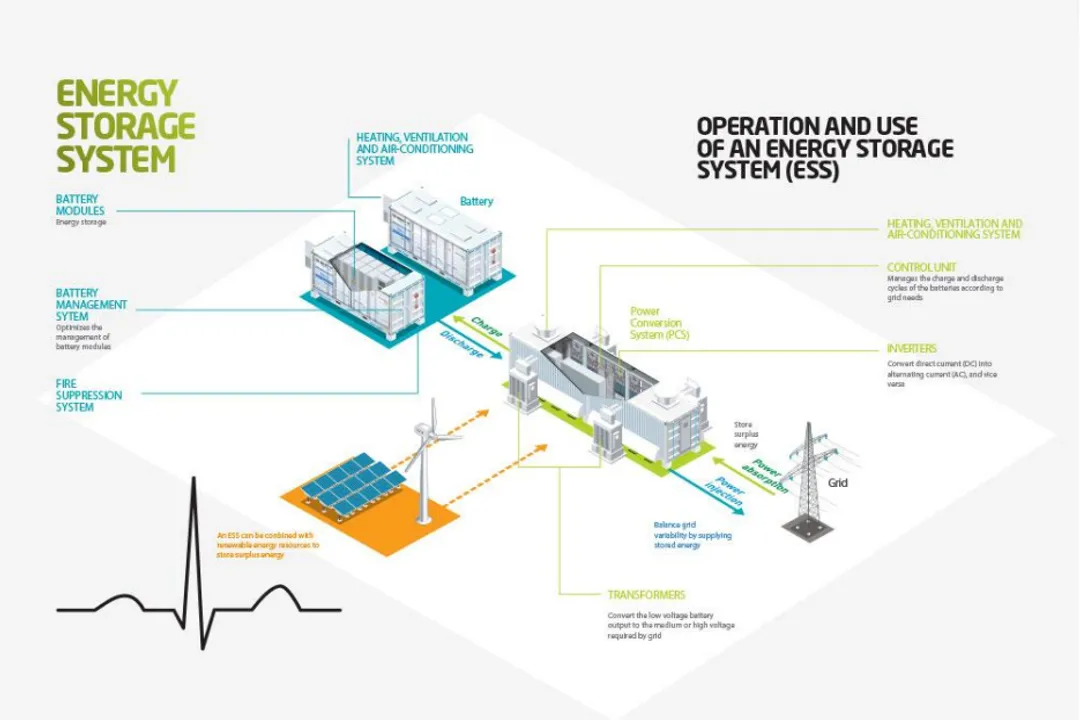
Energy storage shifts the paradigm from reactive grid operation—constantly playing catch-up—to proactive system management, where resources are dispatched strategically to prevent instability before it manifests.
Related Questions
What fundamental requirement defines the operation of any electrical grid?What typically defines grid stability in North America?What is the primary function of grid-scale energy storage regarding energy supply and demand mismatch?During periods of high renewable output, what negative outcome does energy storage help prevent?Why does overall system inertia naturally decrease as grids incorporate more solar and wind farms?How can Battery Energy Storage Systems (BESS) compensate for reduced system inertia?What ability, managed by energy storage, allows high penetrations of intermittent renewables to be integrated reliably?What emergency service can battery systems initiate in the event of a major transmission outage that isolates a section of the grid?What is the purpose of 'peak shaving' provided by storage systems?Which technology remains the world's largest form of bulk energy storage despite geographic deployment limitations?How does energy storage fundamentally shift grid operation away from reactive management?