What distinguishes renewable from nonrenewable energy?
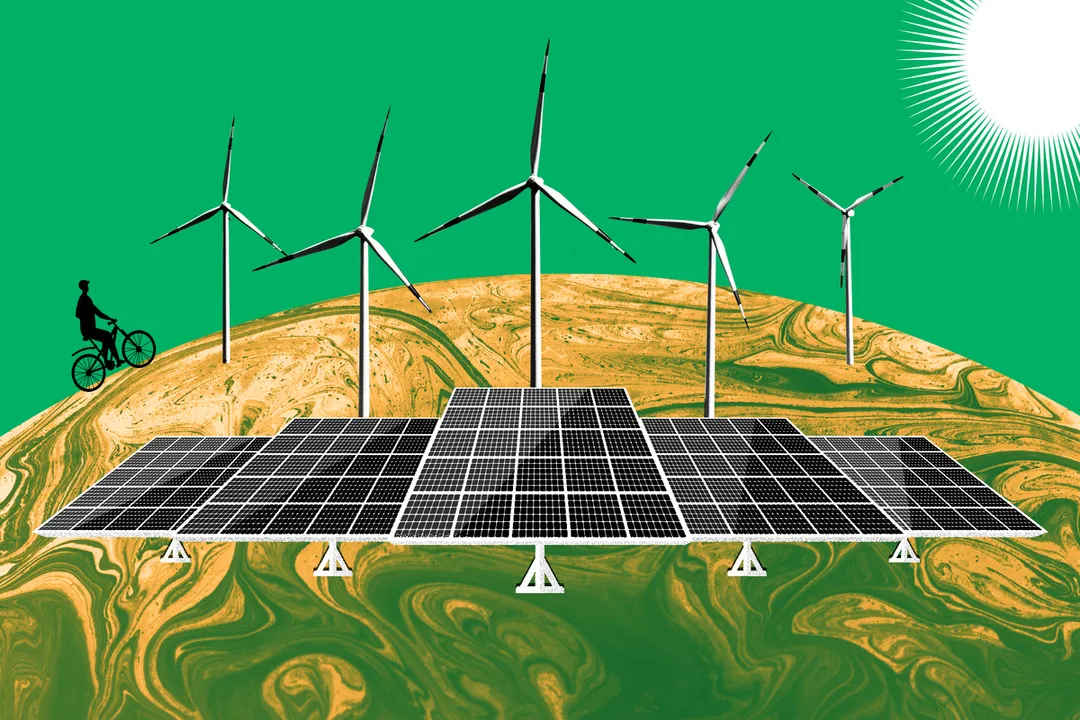
The question of how we power our modern lives boils down to a fundamental split in our energy resources: what can be renewed versus what is fundamentally finite. We encounter the results of this split daily, whether we are fueling a vehicle, warming our homes, or illuminating our screens. Grasping the difference between renewable and nonrenewable energy is not just an academic exercise; it dictates the future health of our environment and the stability of our economies for generations to come.
The most critical, underlying distinction between these two energy categories rests upon the rate of replenishment relative to the rate of consumption. Renewable resources come from natural sources that are replenished at a pace faster than humanity can consume them—think sunlight, wind, or flowing water. These sources are abundant and constantly renewing themselves without any human intervention required to keep the cycle turning. Conversely, nonrenewable resources exist in fixed amounts within the Earth’s crust. They take geologic timescales, often hundreds of millions of years, to form from the remains of ancient plant and animal life. Once we burn a unit of coal or extract a barrel of oil, that specific unit is gone forever on any meaningful human timescale, making continued reliance on them inherently unsustainable in the long run.
# Core Definitions

To truly understand the separation, we must look at what defines each category. Renewable energy taps into ongoing natural processes. For instance, solar energy comes from the sun, which intercepts the Earth with an energy rate roughly ten thousand times greater than humanity’s total energy consumption. Wind is a direct byproduct of the planet absorbing solar heat unevenly, setting the air in motion. Hydropower captures the kinetic energy of water moving downhill, relying on the stable cycle of precipitation and evaporation. Geothermal energy taps into the steady thermal heat stored beneath the Earth's surface. Biomass, derived from organic matter like wood or waste, is also renewable because the source material—plants—can be grown again relatively quickly.
Nonrenewable energy sources are defined by their scarcity and slow formation. The primary examples are the fossil fuels: coal, oil, and natural gas, which developed from ancient organisms buried under immense pressure over epochs. Another major category is nuclear energy, which relies on uranium, an element that cannot be produced quickly enough to keep pace with its usage in fission reactions. While nonrenewables are established and their infrastructure mature, they require continuous extraction, which involves drilling, mining, and extensive transportation networks.
It is important to note a quirk in the market: once either type of energy—whether from a gas plant or a solar farm—is converted into electricity, it enters the main electric grid as an indistinguishable flow of electrons. The actual energy itself is the same. What differentiates them afterward is the documentation attached to the renewable generation. This takes the form of Renewable Energy Certificates (RECs), which represent the environmental benefits—like avoided carbon emissions—associated with generating one megawatt-hour of clean power. These RECs can be traded, sold, or bought separately from the power itself, offering a market mechanism to signal demand for green energy.
# Energy Examples

To ground these concepts, it helps to list the common players in each sector.
| Renewable Resources | Nonrenewable Resources |
|---|---|
| Solar Energy | Coal |
| Wind Power | Oil (Petroleum) |
| Hydropower (Flowing Water) | Natural Gas |
| Geothermal Energy (Earth's Heat) | Uranium (Nuclear Fuel) |
| Biomass (Organic Matter) | Various Minerals (e.g., for infrastructure) |
| Tidal Energy | Tar Sands and Oil Shale |
Renewable technologies span a wide range. Solar power, harnessed via photovoltaic panels, offers direct electricity or heat and is feasible for almost every country to some extent. Wind energy utilizes large turbines, with offshore farms presenting tremendous potential in areas with strong, consistent winds. Hydropower is significant, often providing multi-purpose reservoirs for water supply and flood control, though it is vulnerable to climate-induced droughts. Geothermal technology is mature, reliably using subsurface heat for over a century in some applications. Bioenergy is unique as its combustion produces greenhouse gases, though typically fewer than burning fossil fuels; however, large-scale biomass cultivation raises concerns about land-use change and deforestation.
Conversely, nonrenewable power is currently the globe’s workhorse, accounting for about 80% of the world’s energy consumption. Coal provides a solid fuel source often used directly in power plants. Oil is critical for transportation fuels like gasoline and petrochemical manufacturing. Natural gas is widely used for heating and electricity generation. Nuclear power offers high-density energy with low operational greenhouse gas emissions, but it necessitates careful management of finite uranium fuel and resulting radioactive waste.

# Operational Reliability
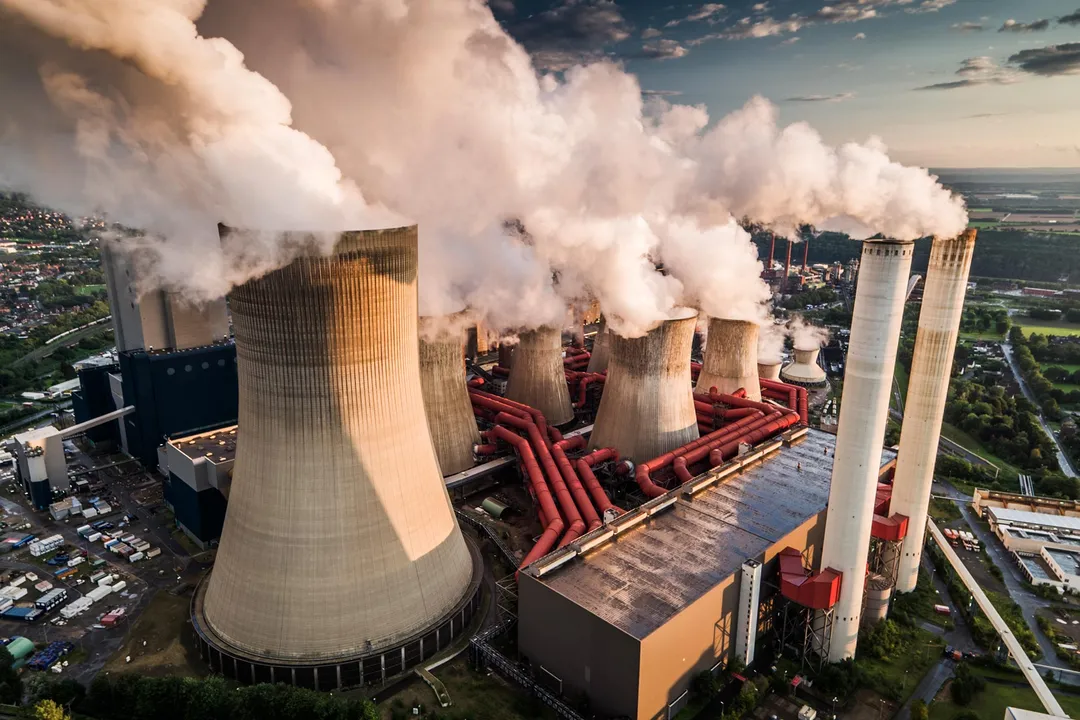
One of the most compelling distinctions for daily operations is reliability. Nonrenewable sources, particularly fossil fuels, excel here because they offer base load generation unaffected by the weather. Coal and gas plants can operate 24 hours a day, seven days a week, independent of whether the sun is shining or the wind is blowing. Their energy is physically stored in massive quantities (as fuel stocks) and can be readily converted into power on demand.
Renewables, by their nature, are inherently variable. Solar panels cease production at night and under heavy cloud cover. Wind farms must wait for sufficient wind speeds; if the air is too calm, output drops. Hydropower production can suffer dramatically during droughts. This intermittency is a major operational challenge. While some systems, like large hydropower dams, can store energy through water retention, most renewables require sophisticated, and often expensive, external storage solutions, such as batteries or pumped-storage hydroelectricity, to maintain continuous supply.
# Environmental Cost Comparison
The environmental ledger presents the starkest contrast between the two categories. Nonrenewable energy, especially fossil fuels, is the leading driver of climate change. Burning these fuels releases massive volumes of greenhouse gases, including carbon dioxide, which absorbs heat and contributes to rising global temperatures, sea-level rise, and extreme weather events. Fossil fuels account for over 75% of global greenhouse gas emissions and nearly 90% of emissions. Furthermore, extraction processes like coal mining risk contaminating water supplies with heavy metals, and transportation carries the constant threat of devastating oil spills. Health impacts are also a major factor, as combustion releases pollutants like sulfur dioxide and nitrogen oxides, contributing to respiratory illness and premature death.
Renewable energy offers the significant advantage of drastically lower (or zero) operational greenhouse gas emissions. This directly improves local air quality and mitigates the long-term drivers of climate change. While they are vastly cleaner in operation, a complete picture requires looking at the entire lifecycle. For instance, manufacturing photovoltaic panels or extracting the rare earth minerals required for high-efficiency wind turbines requires energy and can generate waste, meaning that lifecycle emissions, while lower than fossil fuels, are not zero. A responsible approach to renewables demands minimizing this upstream manufacturing footprint through better recycling and more sustainable material sourcing.

# Economics and Investment Returns
Financially, the dynamic has shifted dramatically over the past decade. Historically, nonrenewables have been cheaper and more cost-effective because their infrastructure is established, and they have benefited from massive global subsidies—the IMF calculated these subsidies for the fossil fuel industry at $5.9 trillion globally in 2020. Because the fuel is a continuous purchase, the operating cost is ongoing, and subject to geopolitical volatility.
Renewables generally require a higher upfront capital expenditure for installation—a wind turbine might cost around $1 million per megawatt of capacity. However, the operational cost is near zero, as the "fuel" (sun or wind) is free. The key trend driving the transition is the sharp decline in renewable technology costs. Solar PV installation costs have dropped as much as 80% over the last decade, making solar often the cheapest source of new electricity generation in many regions. Furthermore, the investment outlook favors green energy. Studies comparing investment returns show that renewable energy investments have yielded significantly better returns over recent five- and ten-year periods in regions like Europe, sometimes showing massive gains while fossil fuel investments incurred losses.
# The Growing Market and Future Trajectory
The transition away from fossil fuels is observable in market trends and job creation. The renewable energy sector is expanding rapidly, employing millions globally, with forecasts suggesting that number could reach 43 million by 2050. For example, in 2020 alone, global renewable energy capacity increased by 45%, heavily driven by wind and solar expansions. This growth often coincides with decreases in nonrenewable use; in that same year, global coal consumption fell by 4%.
Government policy actively encourages this shift through measures like Renewable Portfolio Standards (RPS), which mandate that utilities source a certain percentage of their power from renewables—these percentages vary significantly by state. This policy support, coupled with technological innovation, is accelerating adoption, seen clearly in the electric vehicle market, where EVs made up about 25% of new global car purchases in 2023.
To genuinely support this movement as an energy user, understanding RECs is helpful. You cannot physically separate the electrons, but by purchasing a green energy plan that explicitly sources 100% of its power via RECs, you create guaranteed demand that necessitates the construction of new renewable facilities, effectively retiring those certificates to claim the environmental benefit. If your local energy market allows for choice, this is a direct action to influence infrastructure investment beyond just reducing your personal usage.
While the challenge remains in fully meeting massive, current global energy demands with renewables alone—due to intermittency and existing infrastructure—experts believe a 100% renewable world is technically achievable by 2050. Models suggest such a system would rely primarily on solar (around 69%) supported heavily by wind (around 18%), with geothermal, hydro, and biomass filling the remaining needs. Moving toward this future is becoming an increasingly viable, cost-effective, and environmentally necessary choice, distinguishing itself from the limited, polluting nature of nonrenewable resources that currently power the majority of the world.
Related Questions
#Citations
What Differentiates Renewable from Non-renewable Energy?
The Difference Between Renewable and Non-Renewable Resources
What is the Difference Between Renewable and Non-Renewable ...
Renewable vs Non-Renewable Resources: Key Differences Explained
Difference Between Renewable & Nonrenewable Resources
Renewable and Nonrenewable Energy | Science Lesson For Kids
What is renewable energy? | United Nations