What is the best definition of telescope?
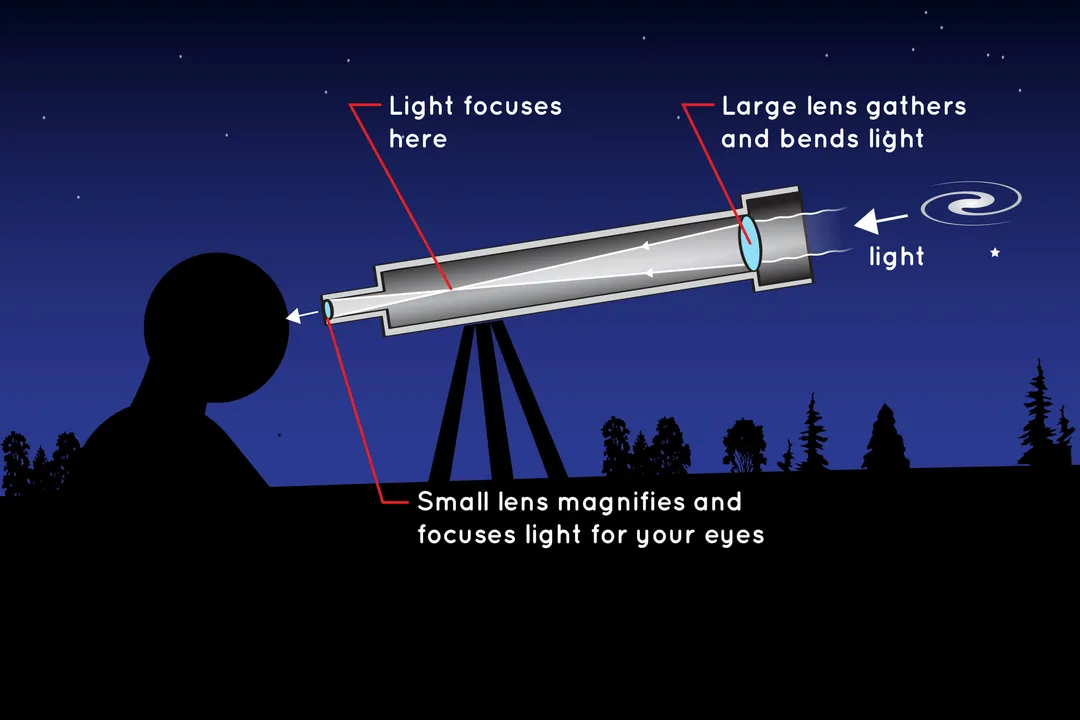
The core idea behind what constitutes a telescope centers on its primary function: to extend human sight across vast distances. [1][2][3][4][5][7][10] At its most fundamental level, a telescope is an instrument specifically engineered to make objects that are far away appear nearer or larger than they would to the unaided eye. [1][2][3][4][5][7][10] This seemingly simple goal is achieved through sophisticated optical principles, usually involving lenses or mirrors working in concert. [5]
# Essential Purpose
The primary definition across numerous sources converges on magnification and bringing the distant into apparent view. [1][2][3][4][5][7][10] For instance, one resource defines it simply as an instrument for viewing distant objects, [2] while others specify that it functions by making them appear nearer [1][4][7] or greater in apparent size. [3][5][10] The distinction between "appearing nearer" and "appearing larger" is often subtle in common usage, but they describe slightly different perceptual outcomes of the same optical process: light collection and focusing. [5][6] When we discuss the "best" definition, we look for the term that encapsulates this entire process—the act of improving visual access to remote targets. [9]
# Optical Components
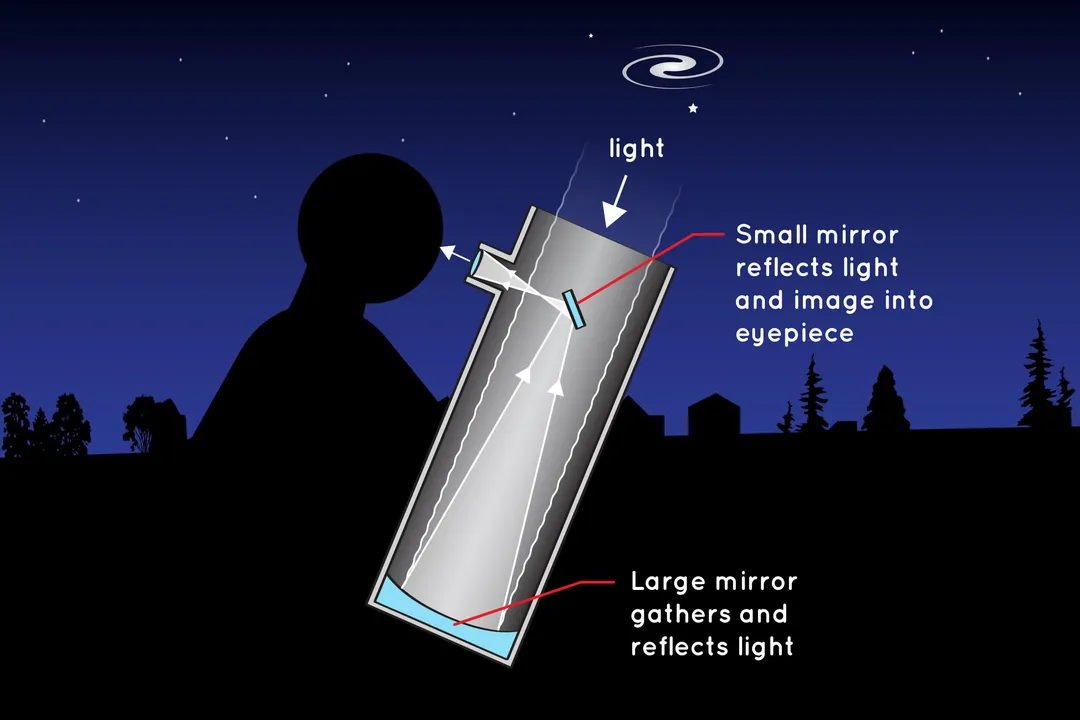
To achieve this feat of optical engineering, the instrument must employ specific hardware. The classic description of how a telescope works highlights the use of lenses or mirrors. [5] This points directly to the established categories of optical telescopes: refractors (which primarily use lenses) and reflectors (which primarily use mirrors). [5]
However, the simple definition focusing only on lenses and mirrors might exclude the broader scientific context. A telescope, as used in modern astronomy, is fundamentally a light-gathering device. [5][9] While making objects look bigger is a common result, the ability to gather faint light from deep space is arguably the more scientifically important function, especially for faint, far-off objects. [5] If an instrument gathers more light than the pupil of the eye can, it reveals objects the eye could never see, regardless of magnification. This light-gathering power—related to the objective lens or mirror diameter—is what separates a backyard scope from a professional observatory instrument. [5]

# Defining Nuances
Examining how different authorities frame the concept reveals slight variations in emphasis that help build a more complete picture.
| Source Emphasis | Key Descriptive Phrase | Implied Focus |
|---|---|---|
| Merriam-Webster | an instrument to make distant objects appear nearer | Distance Reduction [1] |
| Dictionary.com | instrument for making distant objects appear nearer or larger | Duality of Effect [2] |
| Cambridge Dictionary | instrument that makes distant objects look nearer or larger | Direct Visual Effect [4] |
| Britannica | Optical telescope uses lenses or mirrors | Mechanism Focus [5] |
| Wikipedia | Optical instrument designed to collect light | Light Gathering [6] |
It is interesting to observe that while many general-use dictionaries emphasize the effect on the observer (appearing nearer or larger), [1][2][4] the more specialized sources lean toward the mechanism or scientific objective (using lenses/mirrors or collecting light). [5][6] The most complete definition synthesizes these two aspects: it is an instrument, typically using lenses or mirrors, designed to make distant objects seem closer or bigger by improving the collection and focus of light. [5][6]
If one were to select the best single-sentence definition from the lexicon, it might be: "An instrument designed to make distant objects appear nearer or larger by collecting and focusing light from them," as this incorporates the what, the how (implied light collection), and the result. [2][5]
# Contextual Application
The application often dictates the specific way the term is understood. In the context of astronomy, the instrument is central to scientific study. [9] For the general public, it often evokes images of peering at the Moon or planets through an eyepiece. [9] The term itself, derived from Greek roots, literally suggests "far-seeing". [6] This etymology strongly reinforces the primary definition rooted in extending visual reach. [6]
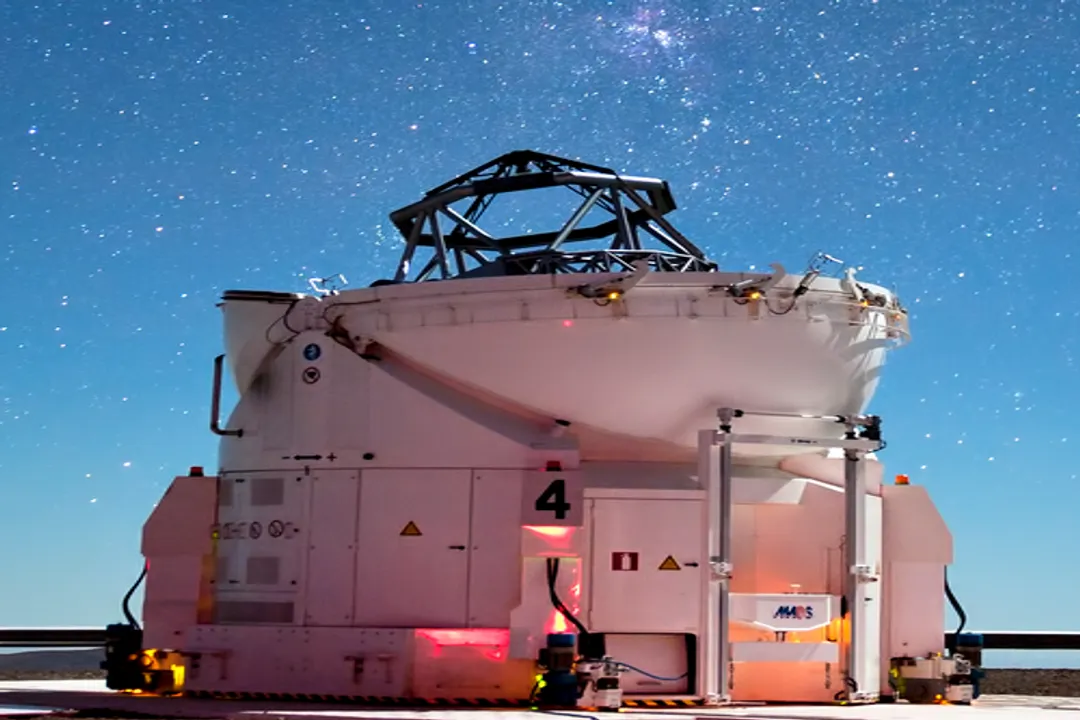
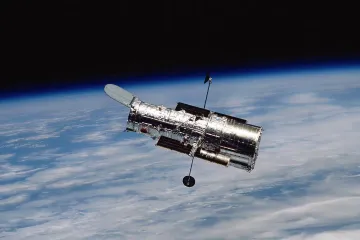
When considering instruments used by professional astronomers, the definition stretches past simple visual observation. While the optics remain key, the data captured is often recorded electronically rather than viewed directly through an eyepiece. [5] In these advanced scenarios, the telescope acts less as a visual aid and more as a sophisticated light funnel or detector array. It collects faint photons over long exposures, converting them into measurable data points that reveal details invisible to the eye, even through a smaller scope. This subtle shift—from seeing to detecting—is a critical evolution in the instrument's modern role, even though the foundational principle of gathering distant light remains constant.
# Beyond Visual Instruments
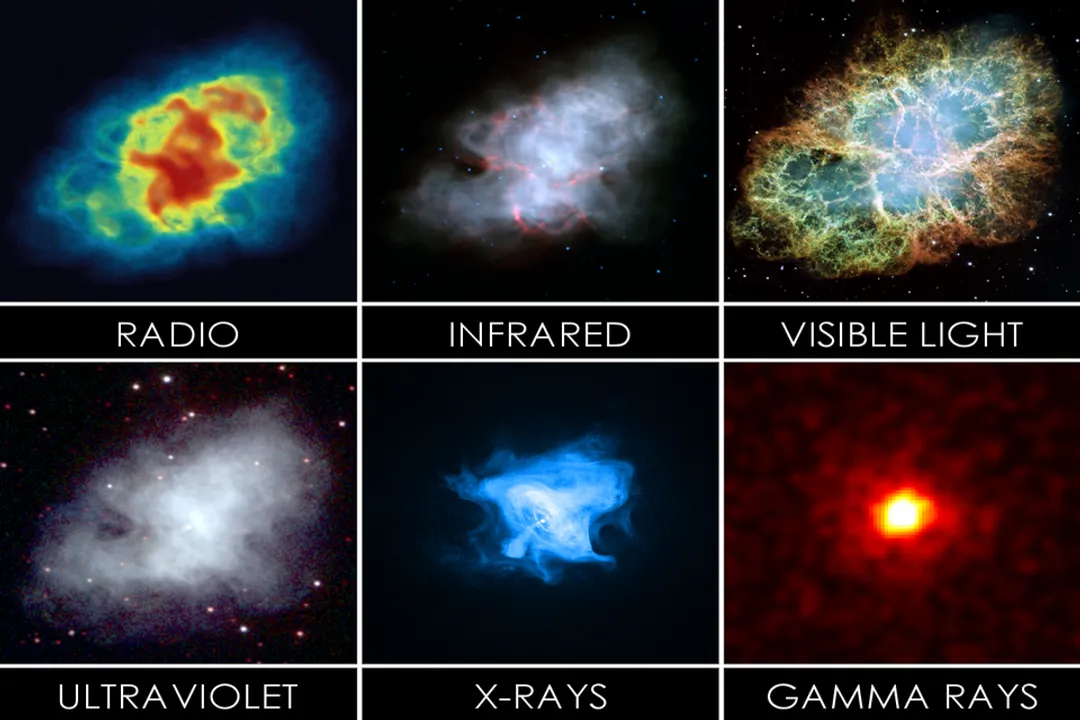
While the sources heavily focus on the optical telescope—the one that uses lenses and mirrors to create a visible image [5]—the general term "telescope" in modern science can encompass instruments that observe light outside the visible spectrum. If we strictly adhere to the provided sources, the explicit definition centers on the visual/optical tool. [5] However, acknowledging the purpose defined by Wikipedia—an instrument designed to collect light [6]—opens the door to understanding that this collection function can apply to other electromagnetic radiation.
For a general reader encountering the term for the first time, sticking to the visual definition is safest and most accurate based on the provided text. [1][2][3][5] But it is worth noting that when scientists speak of their work, the term often refers to the entire apparatus used to observe electromagnetic phenomena originating far away, whether that radiation is visible light, radio waves, or X-rays. The common denominator is the apparatus used to extend sensory reach to objects that are otherwise inaccessible due to distance. [6]
# Building the Instrument
For anyone interested in how these devices achieve their function, understanding the basic structure is helpful. The optical telescope, which is the archetype, relies on this interaction between lenses or mirrors. [5] These components are precisely shaped to refract (bend) or reflect light rays originating from a distant source, bringing them to a concentrated point, or focus. [5]
Think of it this way: your eye gathers a very small cone of light from a star. A telescope, with its large primary lens or mirror, gathers a much wider cone of that same faint light and concentrates it onto a tiny area, making the object appear brighter and, consequently, allowing for higher magnification without the image simply dissolving into darkness. [5] This principle of light bucket size dictates the true power of the instrument more than the magnification number printed on a box might suggest. A telescope with a small objective lens might claim high magnification, but if it cannot gather sufficient light, the resulting image will be dim and unusable, failing the fundamental requirement of making the distant observable. [5]
Therefore, the best definition of a telescope is one that honors both its visible function and its underlying physics: it is an optical instrument that dramatically increases the light-gathering capacity of an observer's eye to reveal distant celestial bodies by making them appear significantly nearer or larger. [2][5][6] It is a machine built explicitly to conquer spatial separation, whether through simple visual enhancement or complex data acquisition. [9]
Related Questions
#Citations
TELESCOPE Definition & Meaning - Merriam-Webster
TELESCOPE Definition & Meaning - Dictionary.com
Telescope - Wikipedia
Meaning of telescope in English - Cambridge Dictionary
Telescope | History, Types, & Facts - Britannica
Definition of "telescope" - English Language & Usage Stack Exchange
Telescope - Definition, Meaning & Synonyms - Vocabulary.com
How Do Telescopes Work? - NASA Space Place
Glossary term: Telescope - IAU Office of Astronomy for Education
TELESCOPE definition in American English - Collins Dictionary