What is the best definition of Earth?
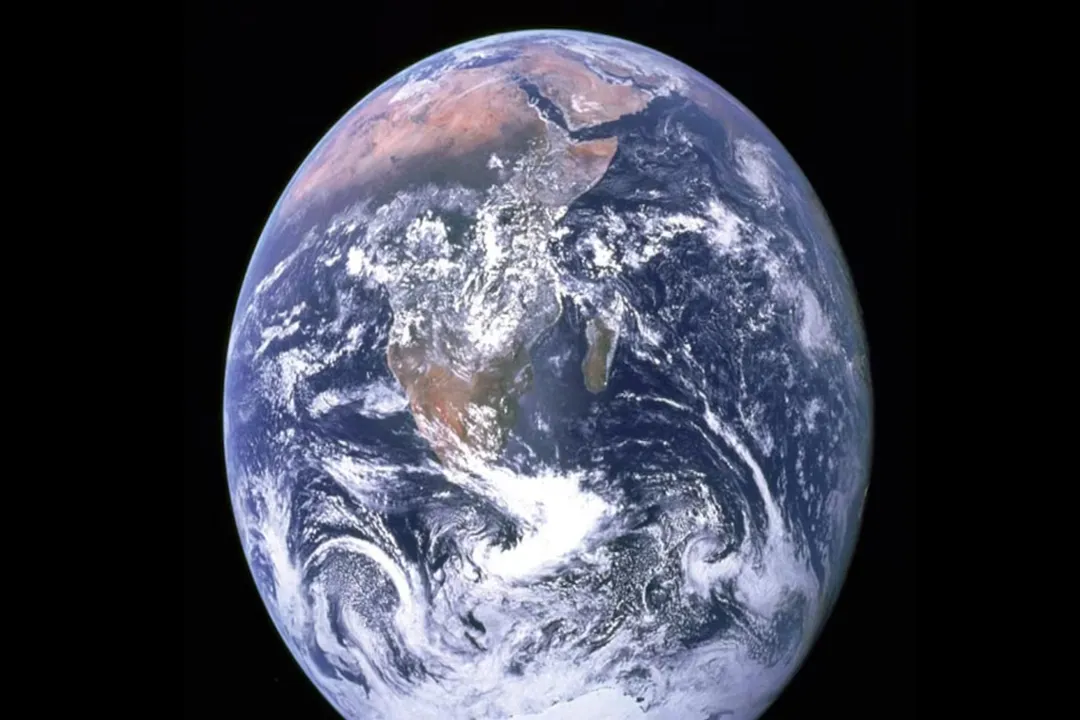
The concept of Earth presents a fascinating linguistic split, demanding more than a single dictionary entry for a complete definition. At its most fundamental, the term refers to the planet we inhabit, the third celestial body orbiting our star, the Sun. [3][7][10] Yet, in everyday conversation, "earth" often denotes the soil, the ground beneath our feet, or simply the dry land as opposed to the sea. [1][2][9][10] Distinguishing between Earth the planet and earth the substance is the first step toward understanding its comprehensive meaning.
# The Planet
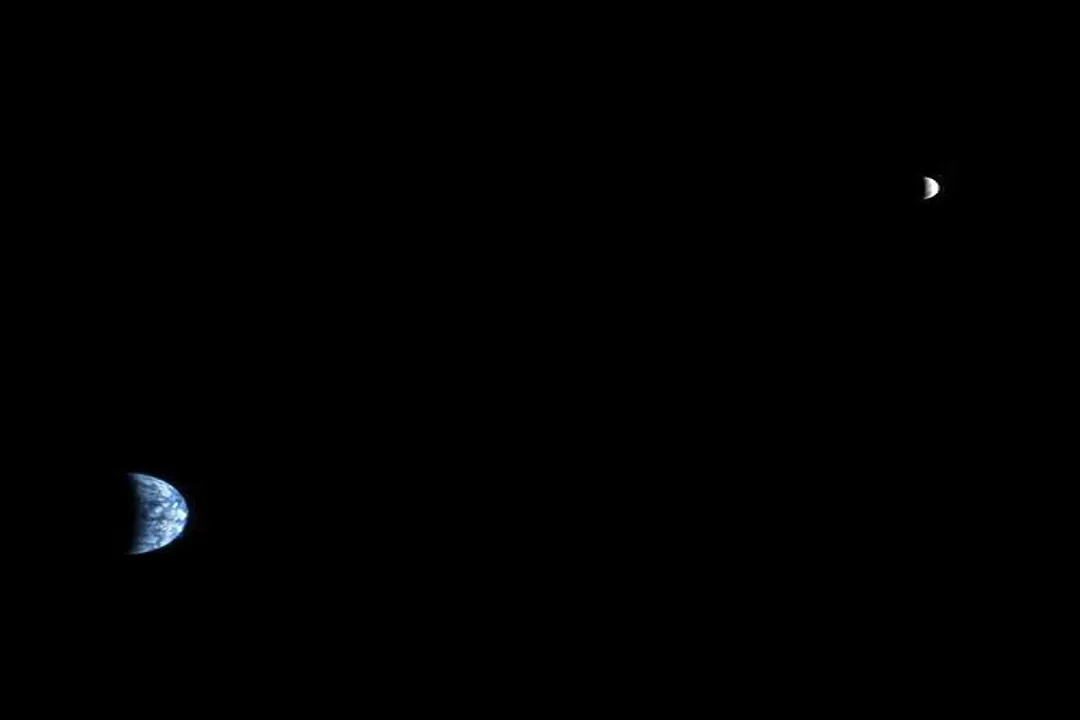
As a planet, Earth is defined by its orbital mechanics and physical characteristics, setting it apart from every other body we have observed. [3] It is the fifth largest planet in the Solar System. [3] Its official designation is the third planet from the Sun. [3][7][10] This planet completes an orbit around the Sun, a period which defines our year, in approximately $365.25$ days. [3]
The composition of our world is distinctly layered. Scientists have determined that Earth is a terrestrial planet, meaning it is primarily composed of rock and metal. [7] The structure includes a dense metallic core, surrounded by a mantle and an outer crust. [3] Factually, the planet has an average radius of about $6,371$ kilometers and a mass of approximately kilograms. [4] Furthermore, its surface gravity is the standard against which other planetary gravities are often measured. [4]
A defining characteristic that makes Earth unique among the known planets is the presence of liquid water covering a substantial portion of its surface. [3][7] This abundance of water, coupled with a specific atmospheric composition, supports the vast diversity of life found here. [3][7] The surface itself is dynamic, featuring continents, oceans, and features created by ongoing geological processes. [3] The age of the planet is estimated to be around $4.54$ billion years. [3][4]
# Material Substance
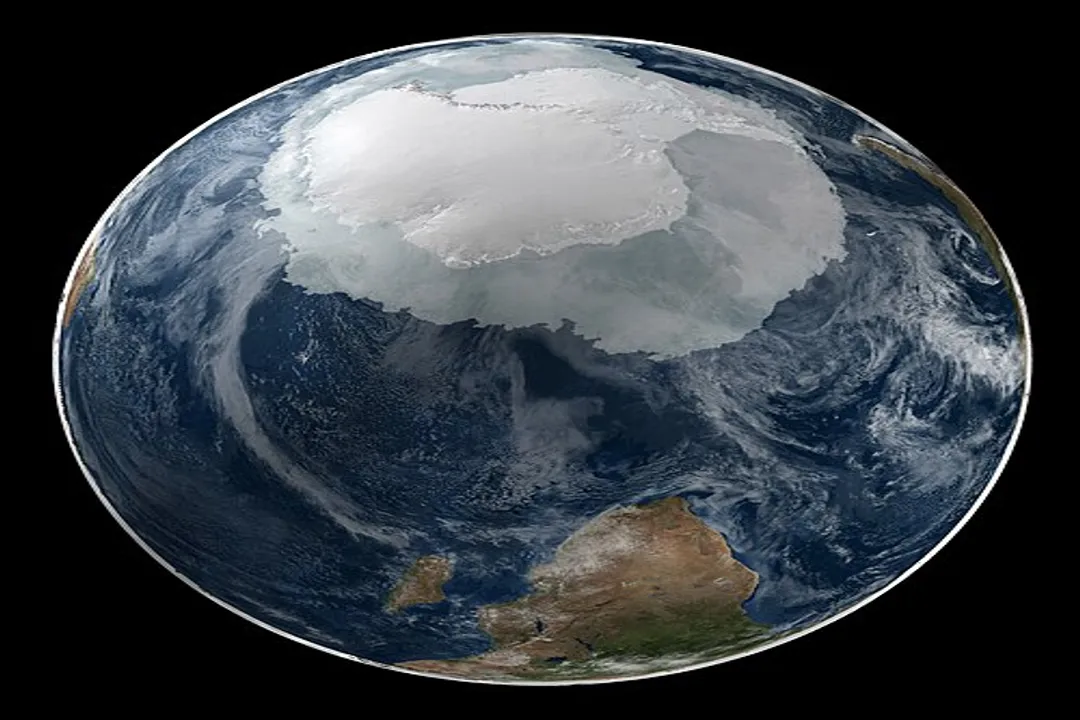
Shifting away from the cosmic scale, the word earth (often lowercase in this context) refers to the material composition of the ground itself. [2][6] This definition speaks to the solid material of the globe, distinguishing it from water or air. [9] It can refer specifically to the soil, which is the upper layer of ground suitable for growing plants. [1][10]
For instance, when discussing agriculture or geology, earth is the medium of focus. The definition can be specific, as in the dry ground contrasted with the sea, or broad, representing all the solid matter of the world. [9]
The linguistic history adds depth here; in common historical use, earth was often synonymous with land or ground. [5] This material sense predates or exists alongside the astronomical definition, suggesting a practical, human-centric view of the planet based on immediate experience. We see this remnant in phrases that refer to the terrestrial, such as comparing it to the ocean or the sky. [6][9]
Consider the difference in scale: when a construction worker refers to moving earth, they are concerned with cubic meters of soil and rock, perhaps only a few feet deep. [5] However, the planetary scientist discussing Earth is describing a sphere with a diameter of over $12,700$ kilometers. [4] It is a curious reality that the same three letters describe both the tiny area we build upon and the massive body upon which that area rests. [7] This dual usage shows how language evolves to encompass both the immediate surroundings and the grander context of our existence.
# Life World
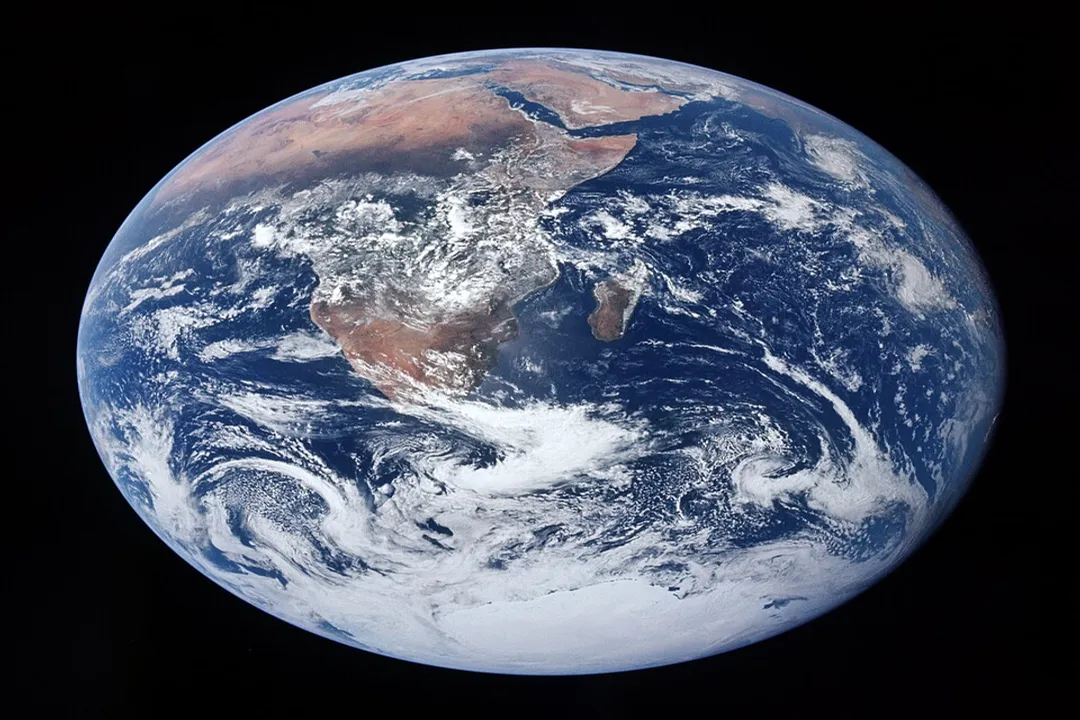
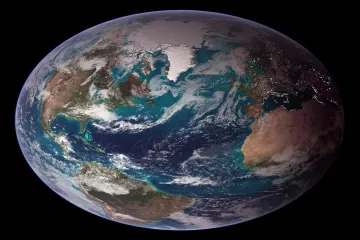
Beyond its physical structure and composition, Earth is defined by what it contains: life. [3][7] This meaning elevates the definition from mere geology or astronomy to biology and sociology. When people speak of "saving the Earth," they are referring to the biosphere, the total global ecosystem that sustains humanity and countless other organisms. [7]
This holistic view encapsulates the atmosphere, the hydrosphere (water), and the lithosphere (land) as an interconnected system that facilitates living conditions. [3] The term, in this sense, becomes almost synonymous with the world or mankind's dwelling place. [1][6][9] This usage often carries an ethical or ecological implication, highlighting our responsibility to maintain the conditions necessary for continued habitation. [7]
# Naming and Usage
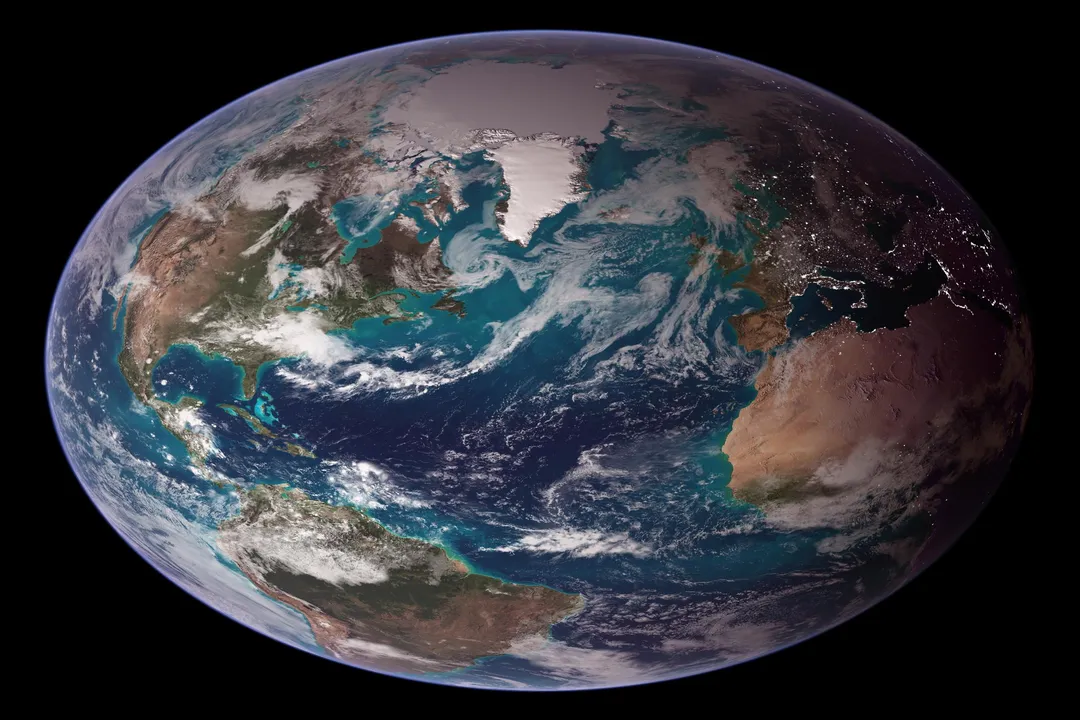
The very name Earth ties back to the terrestrial sense. Etymologically, the English name for our planet is derived from Germanic words meaning ground. [7] This contrasts sharply with the names of the other planets in our solar system, which were named after Greco-Roman deities (e.g., Mars, Jupiter). [7] This difference suggests that Earth was not originally recognized as a planet orbiting a star, but rather as the ground upon which people stood. [5]
We can summarize the distinct definitions as follows, noting the slight difference in emphasis across various sources:
| Context | Primary Meaning | Key Source Emphasis |
|---|---|---|
| Astronomical | The third planet from the Sun | Celestial body, orbit, size [3][7] |
| Geological/Material | Soil, ground, dry land | Matter, contrasting with sea/water [1][2][9] |
| Ecological/Social | The biosphere; humanity's home | Life support system, the world [6][7] |
When reading scientific reports or news, observing capitalization is key. Earth (capitalized) generally refers to the planet as a proper noun. [7] earth (lowercase) often refers to the dirt or soil. [5][10] This linguistic convention helps navigate the ambiguity, yet the conceptual overlap remains strong.
Another interesting aspect of the planet's definition is how its unique characteristics are framed. NASA facts emphasize quantifiable metrics—rotation speed, gravity, and atmospheric makeup—presenting the planet as a measurable, scientific object. [4] Britannica highlights its status as a terrestrial planet, distinct from gas giants. [7] These scientific definitions solidify the planet's identity based on empirical data, moving definitively past the older, purely observational definitions.
In practical terms, acknowledging this multifaceted definition impacts how we interact with our environment. When we engage in activities like gardening or foundation laying, we are directly manipulating earth in its most basic, material sense. [1] When we discuss climate change or space exploration, we invoke Earth in its planetary and biosphere sense. [3][7] Recognizing this distinction allows for clearer communication, whether discussing soil composition or orbital mechanics. For instance, one might perform a chemical analysis on earth samples brought back from a simulated Martian habitat, but the habitat itself sits on Mars, which orbits a star, just as Earth does. This separation of the ground we stand on versus the sphere we live within remains relevant even as our understanding of space expands. [3]
The fact that the English name for the planet is rooted in the word for ground rather than a mythological figure speaks volumes about early human perspective—we first defined our place by what supported us, only later recognizing that place as a moving object in a vast system. [7] It’s a reminder that our scientific understanding is built upon layers of pre-scientific observation.
Related Questions
#Citations
EARTH Definition & Meaning - Merriam-Webster
EARTH definition in American English - Collins Dictionary
Earth - Wikipedia
Facts About Earth - NASA Science
The word "earth" usually means land or ground. When did we ...
EARTH | definition in the Cambridge English Dictionary
Earth | Definition, Size, Composition, Temperature, Mass, & Facts
Earth - Definition, Meaning & Synonyms - Vocabulary.com
Planet Earth, explained - National Geographic
EARTH Definition & Meaning - Dictionary.com