What is the best weather for stargazing?
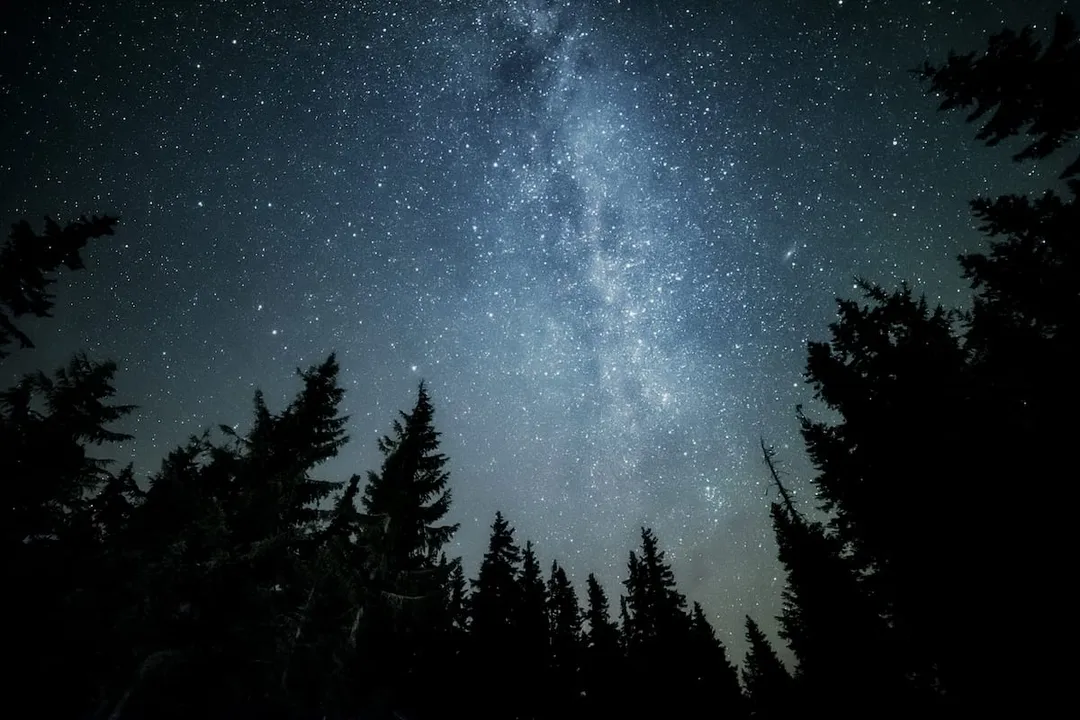
The very best night for viewing distant galaxies and faint nebulae isn't necessarily the coldest or the clearest day you can remember; it’s a delicate balance of several atmospheric factors coming together perfectly. To truly appreciate the cosmos, the sky needs to be dark, stable, and transparent. While many casual sky watchers focus only on the presence or absence of clouds, experienced observers know that a truly magnificent session depends on understanding the nuances of transparency, seeing, and lunar cycle. [1][4]
# Cloud Cover
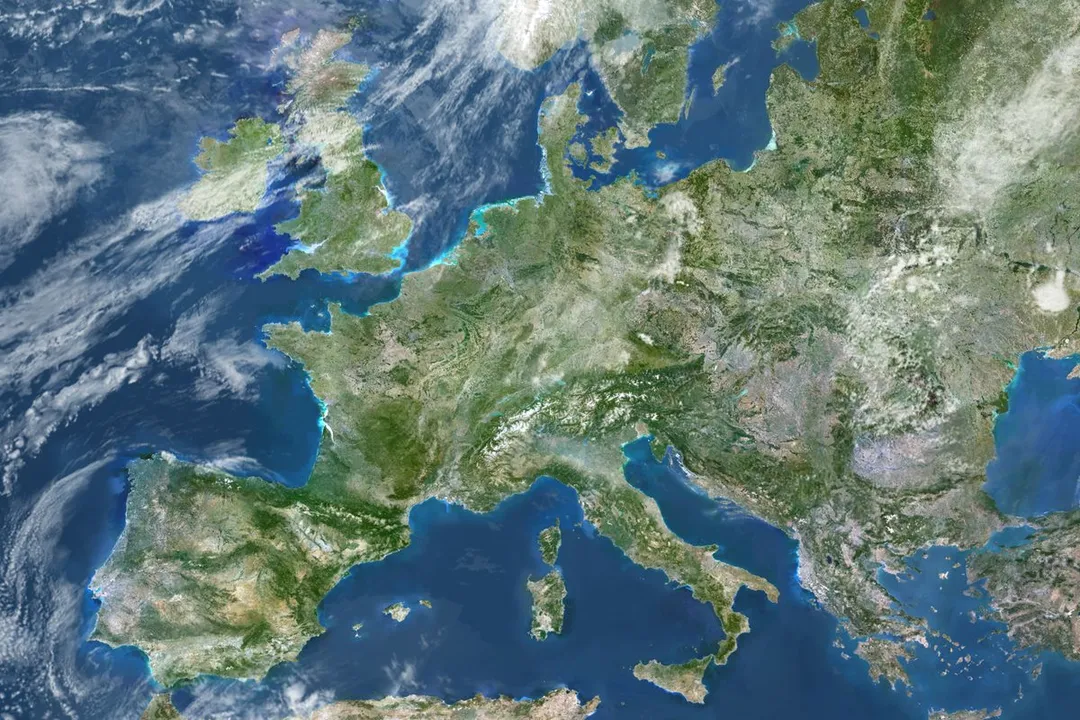
The most obvious impediment to successful stargazing is cloud cover. If the sky is obscured by clouds, observing anything beyond the immediate atmosphere becomes impossible. [4] Therefore, the absolute prerequisite for any serious astronomical pursuit is a sky that is completely clear, or as close to it as possible. [1][3] Even a thin, high veil of cirrus clouds can scatter light and significantly diminish the visibility of fainter objects, making deep-sky targets like nebulae frustratingly dull. [9] When reviewing a forecast, you are looking for a cloud cover percentage near zero percent for the entire duration you plan to observe. Sometimes, forecasts show a brief window where clouds might break; however, for optimal results, you want assurance that the clear spell will last long enough to set up equipment and actually view several objects. [9]
# Lunar Cycle
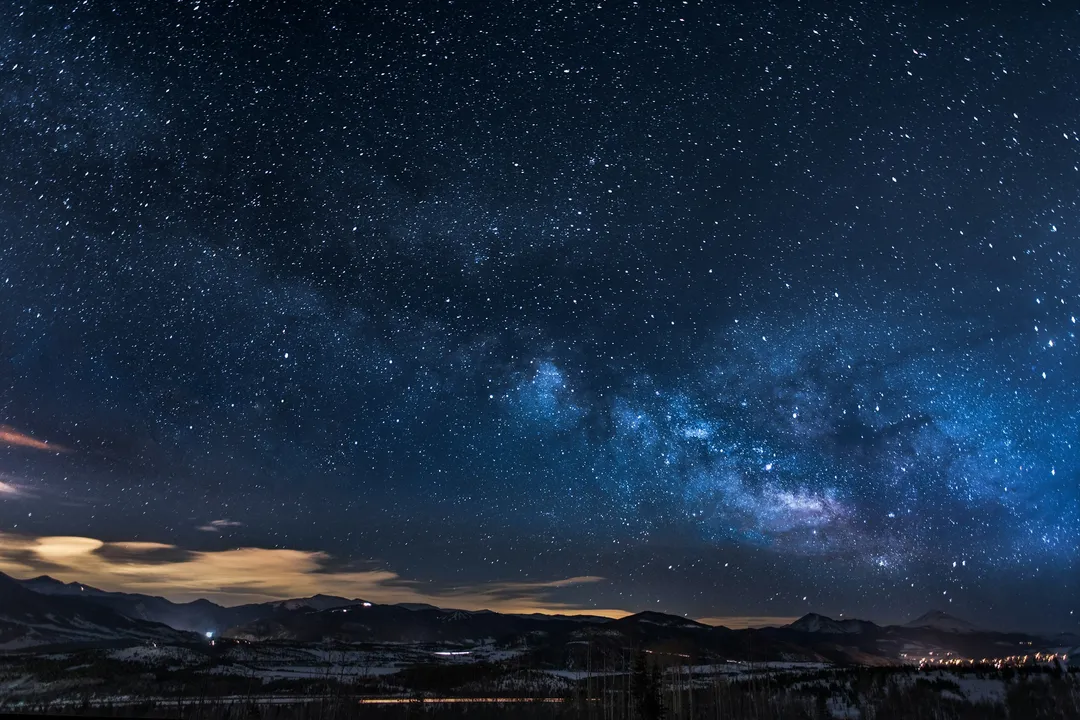
The Moon, while a beautiful target in its own right, is a major source of natural light pollution when it hangs bright in the sky. [1] For viewing the most delicate deep-sky objects, the best time is during the New Moon phase, or when the Moon is below the horizon. [4][8] During a Full Moon, the ambient light it casts can wash out all but the brightest stars and planets, making faint objects completely invisible to the naked eye and significantly hindering amateur telescope views. [1] If your target for the evening is the Milky Way core or a distant galaxy cluster, checking the lunar calendar is as important as checking the cloud cover. [2] Astronomers often plan their observing sessions around the moonless periods—roughly two weeks out of every month—to maximize contrast against the dark background sky. [8]
# Atmospheric Stability
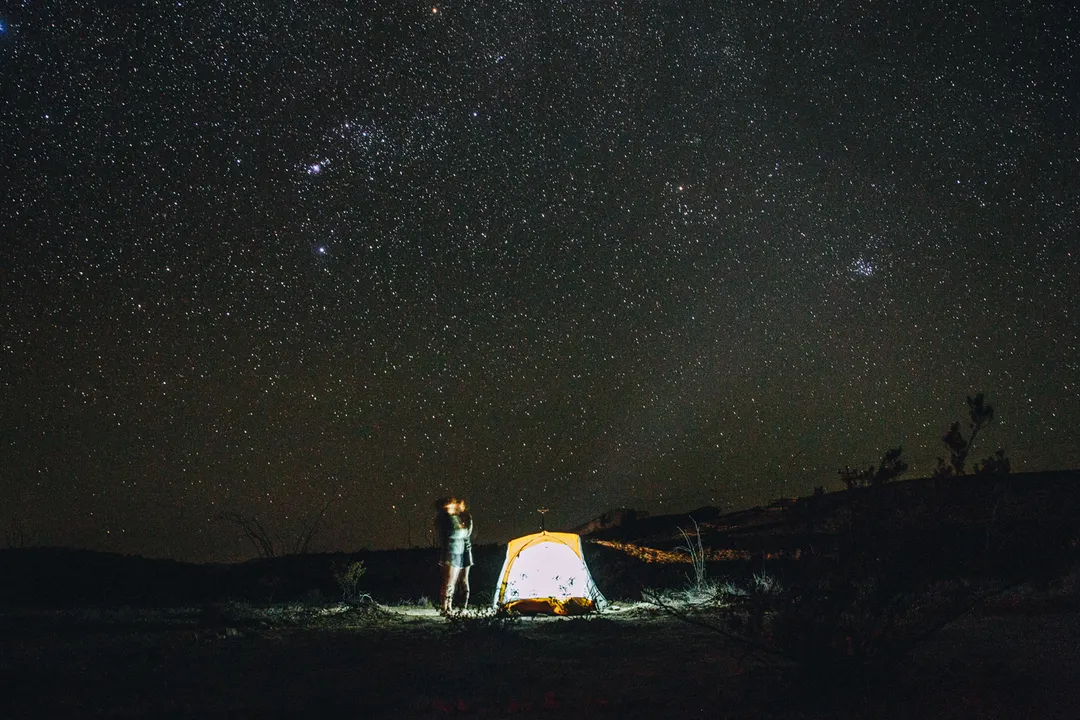
Beyond just being clear, the air needs to be steady. This critical factor is known in astronomy as seeing. [4] Seeing refers to the atmospheric turbulence that causes stars to twinkle or appear to boil or shimmer when viewed through a telescope. [3] Excellent seeing conditions mean the air is still and laminar, allowing light rays to pass through without being distorted, resulting in sharp, pinpoint stars and crisp planetary details. [1] Turbulence is often caused by moving air masses, jet streams, or temperature differences between layers of air. [9] While you can’t stop the jet stream, you can sometimes notice patterns; for instance, conditions often improve later in the night as the ground cools and the atmosphere stabilizes after the daily heating cycle has ceased. [3] A key indicator that seeing is poor is excessive twinkling, which affects high-magnification views the most.
# Temperature Comfort
Temperature is a factor that directly impacts both the observer's endurance and, to a lesser extent, the equipment's performance. [5] There isn't a single "best" temperature, as comfort is subjective, but there are general guidelines. Extremely hot nights, common in locations like Florida during the summer, can lead to higher humidity and atmospheric instability, sometimes resulting in poor seeing, though observation is still possible. [6] On the other end, very cold winter nights offer incredibly stable air, which often translates to superb seeing, provided the observer can stay warm enough to remain at the eyepiece for hours. [5] For instance, a temperature range between 40°F and 60°F (about 4°C to 15°C) is often cited as manageable for most observers, allowing for reasonable outdoor time without extreme chill or heat-induced atmospheric haze. [5] It is crucial to dress in layers; the ambient temperature matters less than your ability to comfortably remain still for long periods. [5]
When planning equipment use, particularly in very cold weather, remember that telescopes and eyepieces need time to acclimate to the outside temperature. If a telescope is taken from a warm house into freezing air, the temperature differential can cause dew or frost to form almost instantly on the optics, rendering the scope unusable until it cools down or the moisture is managed. [9] A practical pre-observation step is to place your optical tube assembly outside at least an hour before you plan to use it, allowing it to reach thermal equilibrium with the night air, which helps prevent this rapid condensation.
# Atmospheric Moisture
High levels of humidity or a dew point close to the ambient temperature are detrimental to good stargazing. [4] When the air is saturated with moisture, even if it doesn't form visible clouds, it introduces haze that scatters light and reduces transparency. [1][9] This is a common challenge in coastal or subtropical regions during warmer months. [6] For example, observers in humid environments might find that even clear summer nights, while better than cloudy ones, suffer from a general lack of sharpness compared to a crisp, dry autumn or winter evening. [6] If the dew point is high, you must be vigilant about using dew heaters on eyepieces and corrector plates to prevent moisture from condensing directly on the lenses, which rapidly degrades image quality. [9]
# Darkness Assessment
While light pollution is a location issue rather than a weather phenomenon, the best weather conditions are useless if you are viewing from a light-polluted city center. [4] The best visibility requires minimal artificial light interference. [1] Dark skies are essential for revealing the subtle structures of nebulae and the faint glow of the Milky Way. [8] Assessing darkness involves more than just looking up; it means checking the Bortle Scale rating for your observing site. [4] The goal is generally to get to a Bortle Class 3 or lower, where the limiting magnitude (the faintest star you can see) is much higher, allowing for richer fields of view. [1]
# Prediction Tools
Knowing what combination of factors to look for requires good forecasting resources. Professional astronomical forecasts go far beyond the standard three-day local outlook you might see on the evening news. [9] Instead, dedicated services provide metrics like expected seeing, cloud base height, transparency forecasts, and atmospheric aerosol levels. [9] Websites that specialize in astronomy weather often aggregate data specifically for observers, showing, for example, how the Moon will rise or set relative to your viewing time. [7]
A good preparatory checklist, which you can run through before driving to a dark site, might look like this:
- Cloud Cover: Is it forecast to be less than 10% cover between midnight and 4 AM?[9]
- Moon Phase: Is the Moon set or below 10% illumination?[8]
- Seeing: Are any local weather models predicting stable or "good" seeing for the expected time?[3]
- Dew Point: Is the dew point at least 10 degrees Fahrenheit below the air temperature to minimize condensation risk? (This is an internal benchmark derived from understanding moisture impact [6]).
- Wind Speed: Is the wind low? High winds usually mean more atmospheric mixing and worse seeing.[3]
If you can tick off these boxes, you have a high probability of a productive night. Having access to specialized tools, sometimes found online, that map out these conditions can significantly improve your success rate compared to relying on general weather apps. [7]
# Data Integration
To put this into perspective, consider how different locations fare, even under seemingly clear skies. A clear night in a very humid coastal area might still yield poor results for faint targets due to high atmospheric moisture scatter, whereas a slightly hazy but very dry night inland might offer better contrast and darker skies, provided the haze isn't too thick.
| Condition | Ideal Value/State | Effect on Viewing | Primary Hindrance |
|---|---|---|---|
| Clouds | 0% Cover | Total blockage impossible | Transparency |
| Moon | New Moon / Below Horizon | Overwhelms faint objects | Sky Darkness |
| Seeing | High Stability (Low Twinkle) | Sharp, detailed images | Atmospheric Turbulence |
| Temperature | Moderate (40°F - 60°F) | Observer Comfort / Equipment cool-down | Personal Endurance / Dew Point |
| Humidity | Low Dew Point Spread | Maximizes transparency | Light Scattering |
When comparing a summer observation to a winter one, the trade-off is often between warmth and stability. In many northern latitudes, winter provides the crispest air, meaning the seeing is often superior, allowing for higher magnification on planets and the Moon. [1] However, the need for bulkier clothing and shorter session times due to cold can limit the number of targets you can pursue. [5] Conversely, summer nights in many places feature higher humidity and more turbulence, though observing is physically easier. Planning ahead means accepting which compromise you are willing to make for your specific observing goal—detail (favoring stable, cold winter air) or duration (favoring milder, warmer air). [6]
# Actionable Planning
For anyone serious about maximizing their viewing time, the best approach integrates data sources rather than relying on a single report. If you are checking a specific forecast tool, such as one that models atmospheric turbulence or transparency, don't just check the reading for the start time of your session. [9] Look at the trend. If excellent transparency is forecast to start at 11 PM but degrade rapidly by 2 AM due to an incoming front, plan your critical targets—the ones requiring the absolute best conditions—for the 11 PM to 1 AM window. This requires adjusting your viewing schedule around the atmospheric potential rather than just starting when you arrive. [9]
Furthermore, when looking at the dark sky calendar information, which points out celestial events, try to cross-reference that data with historical weather patterns for your specific location. If a major meteor shower peaks during a new moon, but your region historically sees heavy, persistent fog during that same time of year, the calendar is optimistic. You must overlay the celestial good fortune with local climatological reality to get a truly accurate prediction. [2][8] Successfully navigating these layers of data—celestial mechanics, atmospheric physics, and local climate—is what separates a frustrating night of faint views from a truly memorable astronomical experience.
Related Questions
#Citations
The best weather for stargazing - AccuWeather
Dark Sky Calendar - when is best to stargaze
What are the signs for good stargazing conditions? : r/Astronomy
7 Essential Stargazing Conditions for the Perfect Night Sky Experience
What is the best temperature for stargazing? - Quora
Florida people! Can you observe in summer? - Cloudy Nights
Clear Outside v1.0 - International Weather Forecasts For Astronomers
Hipcamp's 2025 Stargazing Guide and Astronomical Calendar
Astronomy weather forecasts: predicting the weather for stargazing