What are the disadvantages of telescopes?
The pursuit of the cosmos through a telescope is often portrayed as a purely rewarding activity, yet anyone who has spent significant time observing knows that the equipment itself introduces a host of frustrations, expenses, and practical limitations. These devices, while miraculous tools for gathering light, are inherently imperfect instruments bound by the laws of physics, the constraints of human budgets, and the reality of Earth’s atmosphere. [1][2] It is vital for prospective users to understand these shortcomings before investing time and money into the hobby.
# Cost Barriers
The most immediate hurdle many prospective astronomers face is the initial investment required to acquire a capable instrument. Telescopes are not cheap, especially when aiming for meaningful aperture—the size of the primary light-gathering element—which directly impacts how faint or detailed an object can be seen. [7][8] A simple, small refractor might seem affordable, but often these entry-level options suffer from poor optics, making the viewing experience frustrating rather than rewarding. [9]
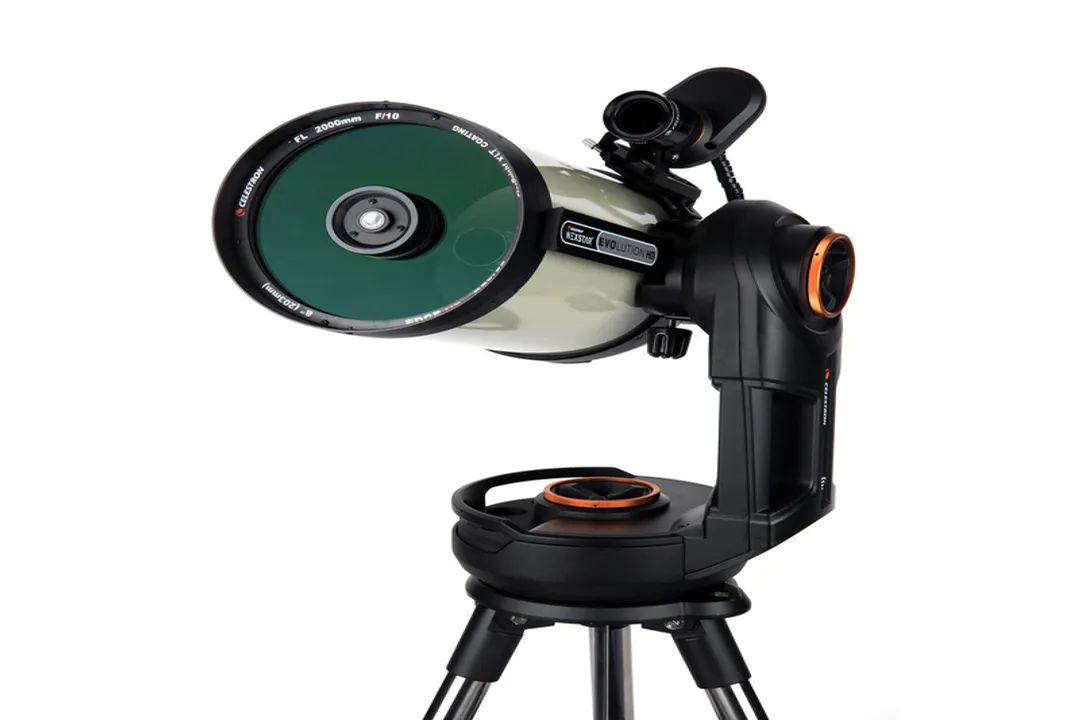
To see truly satisfying views of faint deep-sky objects like nebulae or distant galaxies, one generally needs a large primary mirror or lens, pushing the price significantly higher. [1] Furthermore, the expense doesn't stop at the tube assembly. A telescope requires a stable, sturdy mount—the equatorial or alt-azimuth base that tracks objects across the sky—and these mounts can often cost as much as, or more than, the telescope itself. [7] Adding essential accessories like eyepieces, filters, and perhaps a computerized GoTo system quickly escalates the total outlay. [9]
Beyond the sticker price, there is an often-overlooked ancillary cost: the "Dark Sky Tax." Since light pollution in urban or suburban areas severely limits what can be seen, an astronomer in a city must factor in the fuel, vehicle wear, and time required to drive significant distances to truly dark sites. [2][8] This travel time and expense effectively increases the real-world cost of every observing session. [2] For someone living near a major metropolitan area, spending hours driving round-trip for only a few hours of viewing can make the hobby feel prohibitively demanding.
# Optical Flaws
No matter how well-made, every telescope design comes saddled with inherent optical compromises that affect image quality. [1] The goal of a telescope is to bring light to a perfect focus, but achieving that perfection across a wide field of view is incredibly difficult.
# Refractor Problems
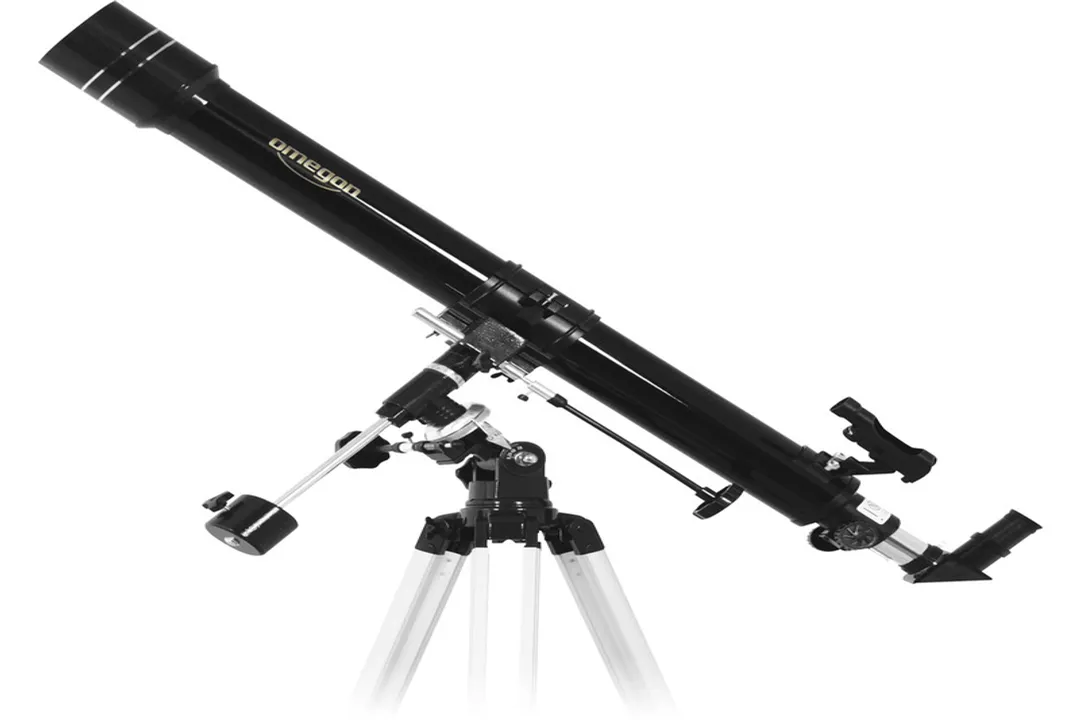
Refracting telescopes, which use lenses, are renowned for sharp views, but cheaper or older achromatic designs suffer from chromatic aberration. [1][9] This occurs because different colors of light bend at slightly different angles when passing through the lens, causing a noticeable purple or blue halo around bright objects like the Moon or Jupiter. [1] While premium apochromatic refractors correct this issue, they command a much higher price tag, meaning many budget refractors simply cannot deliver the clean image quality their design promises. [9] Additionally, for large apertures, refractors become extremely long and unwieldy, making them very difficult to mount and manage physically. [1]
# Reflector Issues
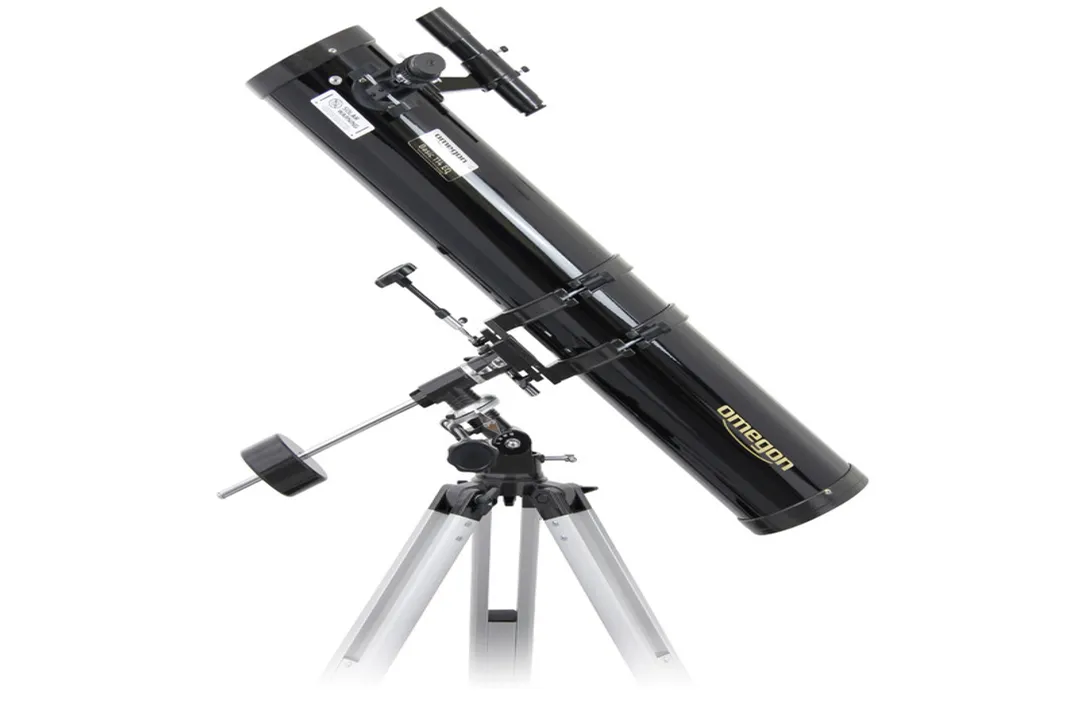
Reflecting telescopes, which use mirrors, avoid chromatic aberration because mirrors reflect all colors equally well. However, they introduce other challenges. The light path is complicated by the necessity of a smaller secondary mirror placed in the light path to redirect the focused beam to the eyepiece. [1][4] This secondary mirror causes a slight but measurable reduction in image contrast compared to a pure refractor, though this effect is often negligible for visual astronomy. [1] More practically, reflector tubes are open to the air, meaning they constantly collect dust and require periodic cleaning and, more critically, collimation—the precise alignment of the mirrors—which must be checked and adjusted before nearly every use. [1][4] For beginners, getting this alignment correct can be a significant source of early frustration. [9]
# Field Distortion
Another technical disadvantage across many designs, especially faster ones (those with a shorter focal ratio), is coma. [1] Coma causes stars near the edge of the field of view to look like tiny comets pointing away from the center of the image. [1] While an eyepiece can sometimes correct for coma, it is a fundamental limitation of the optical system itself that impacts the usability of the outer viewing area.
# Maintenance and Logistics

Owning a telescope is more akin to maintaining a scientific instrument than simply setting up a pair of binoculars. The equipment demands regular attention and specific environmental conditions that often aren't available to the casual user. [8]
# Weather Dependence
Observation is entirely subject to the whims of the sky and local climate. Clouds, high humidity, or even excessive wind can completely ruin an observing session, leading to significant setup time followed by an early pack-up. [2][8] Even when the sky is clear, atmospheric turbulence, known in astronomy as "seeing," causes stars to twinkle aggressively, blurring fine detail on planetary surfaces. [1] This turbulence means that even a massive telescope sitting under a poor patch of sky will perform worse than a much smaller scope under exceptional, steady conditions.
# Size and Setup Hassle
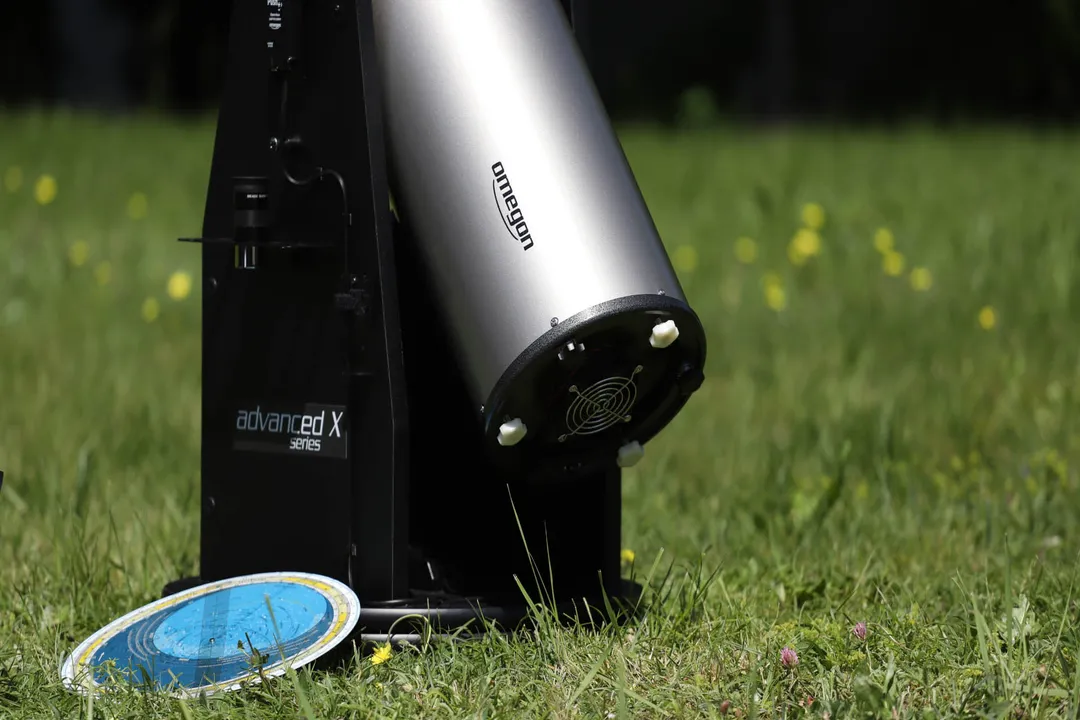
While a small, portable telescope seems convenient, larger apertures—which are necessary to truly impress—introduce severe handling difficulties. [7][8] A large Dobsonian reflector, while offering excellent value for its aperture, can be bulky, heavy, and require significant time to move out of a garage, assemble, and set up correctly. [7] The sheer physical footprint of a serious setup can become a storage issue in smaller homes or apartments. [7]
There is a real, practical trade-off here that many new buyers overlook: the desire for maximum aperture often clashes directly with the user's tolerance for setup and teardown time. A user who is unwilling to spend fifteen minutes aligning the mirrors and positioning a heavy mount might find their new 10-inch scope sitting unused in the closet more often than they care to admit. For them, a high-quality 60mm refractor that is ready to go in two minutes offers more actual observing time and therefore better value than the giant scope that requires a full logistics operation just to view Saturn. [9]
# Finder Difficulty
For newcomers, locating objects can be a major impediment to enjoyment. [2] Even with computerized mounts, a target must first be roughly centered in a low-power finder scope or red-dot finder before the main telescope can lock onto it. [2] Misalignments between the finder and the main tube, combined with the difficulty of star-hopping using unfamiliar star charts, often lead to prolonged searching or giving up altogether before any real science begins.
# Limitations of View
Even when all technical and logistical hurdles are cleared, the visual experience itself has limitations compared to the stunning, color-saturated images seen in astrophotography or NASA releases.
# Visual Contrast
The human eye is fantastic at detecting motion and seeing in low light, but it is very poor at detecting color in dim conditions. [2] Deep-sky objects—nebulae and galaxies—often appear as faint, ghostly gray smudges through an eyepiece, even under perfect skies and with very large apertures. [2] The vibrant pinks of emission nebulae or the blue hues of reflection nebulae are almost entirely lost to the unaided eye unless long-exposure photography is employed. [2] This reality can be a significant letdown for those expecting the visual punch of Hubble imagery.
# Field of View Restriction
The field of view through even a wide-angle eyepiece is incredibly narrow compared to the naked eye's sweep across the sky. [2] When observing large structures, such as the Pleiades star cluster or the entire Orion constellation, only a small portion is visible at any one time, forcing the observer to constantly shift the telescope to take in the entire scene. [2]
# Space-Based Hurdles
When discussing disadvantages, it is worth briefly contrasting ground-based equipment with its orbital counterparts. While space telescopes bypass atmospheric distortion entirely, they face unique, often insurmountable drawbacks. [6]
The primary issue is servicing and repair. If a mirror mechanism fails or a critical component degrades due to radiation or micrometeoroid impacts, fixing it is immensely complicated, expensive, or outright impossible if the telescope is not designed for servicing. [6] Furthermore, the launch costs and complexity associated with getting a large, sensitive instrument into orbit are astronomical, making every spare part and every planned upgrade a significant financial and engineering undertaking. [6] Even in space, the trade-off between size and functionality remains; a smaller field of view is necessary to protect the instrument during launch stresses. [6]
#Videos
What Are Two Disadvantages Of Refracting Telescopes? - YouTube
Related Questions
#Citations
The advantages and disadvantages of the different designs at a ...
What are some of the disadvantages of using a telescope for ... - Quora
Advantages and Disadvantages of Refracting Telescopes - UBC Math
What are the pros and cons of reflectors and refractors? : r/telescopes
What Are Two Disadvantages Of Refracting Telescopes? - YouTube
What are the advantages and disadvantages of sending a telescope ...
Which Telescope To Buy? Pros & Cons of 12 Popular Telescopes
Telescope Advantages & Disadvantages - Enerdyne
What are the Pros and Cons of Different Telescope Designs for ...