What role did the discovery of the Moon's rough surface play in the acceptance of Galileo's later findings?
Answer
It served as the gateway discovery that validated the telescope as a scientific instrument.
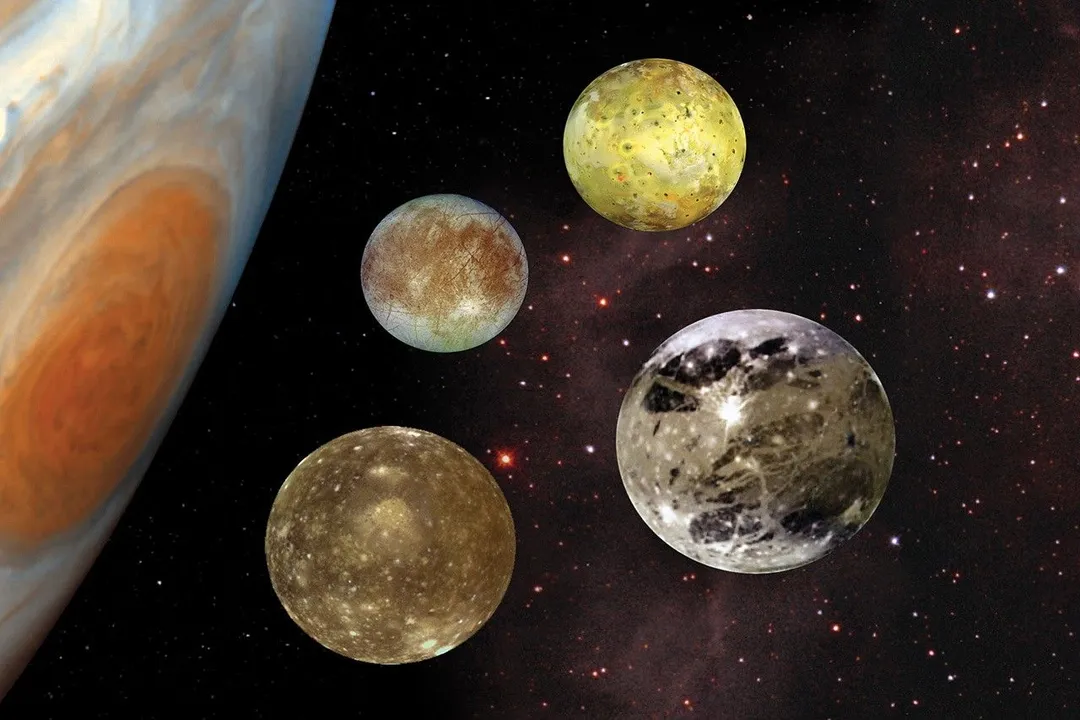
The Moon's imperfection was the first major piece of evidence against old models, confirming the telescope revealed tangible, physical truths, thereby paving the way for acceptance of subsequent findings like the Jovian satellites.
Related Questions
What was the prevailing ancient understanding of the Moon's nature before Galileo's observations?Approximately when did Galileo begin his serious astronomical observations that challenged the ancient celestial perfection?What specific feature on the Moon did Galileo focus his attention on to prove surface irregularities?What physical evidence demonstrated to Galileo that the Moon had vertical structures?What two specific topographical features did Galileo conclude existed on the lunar surface?What philosophical concept regarding celestial bodies was fundamentally challenged by showing the Moon was mountainous?What revolutionary concept did Galileo promote by stating the Moon was *like* the Earth?In which publication did Galileo formally lay out his groundbreaking findings regarding the Moon?In what year was *Sidereus Nuncius* published, disseminating the revolutionary concepts about the Moon?What role did the discovery of the Moon's rough surface play in the acceptance of Galileo's later findings?