What did Galileo Galilei discover on the Moon surface?
The simple act of pointing a newly refined telescope toward the heavens fundamentally shifted humanity’s understanding of our nearest celestial neighbor, the Moon. Before Galileo Galilei turned his instrument skyward, the dominant view, rooted in classical philosophy, held that the Moon was a perfect, smooth, ethereal sphere, distinct from the rugged, imperfect Earth. [2][5][7] Galileo’s earliest telescopic observations, which he commenced around November 1609, rapidly dismantled this long-held belief about lunar composition and nature. [3]
# First Sighting
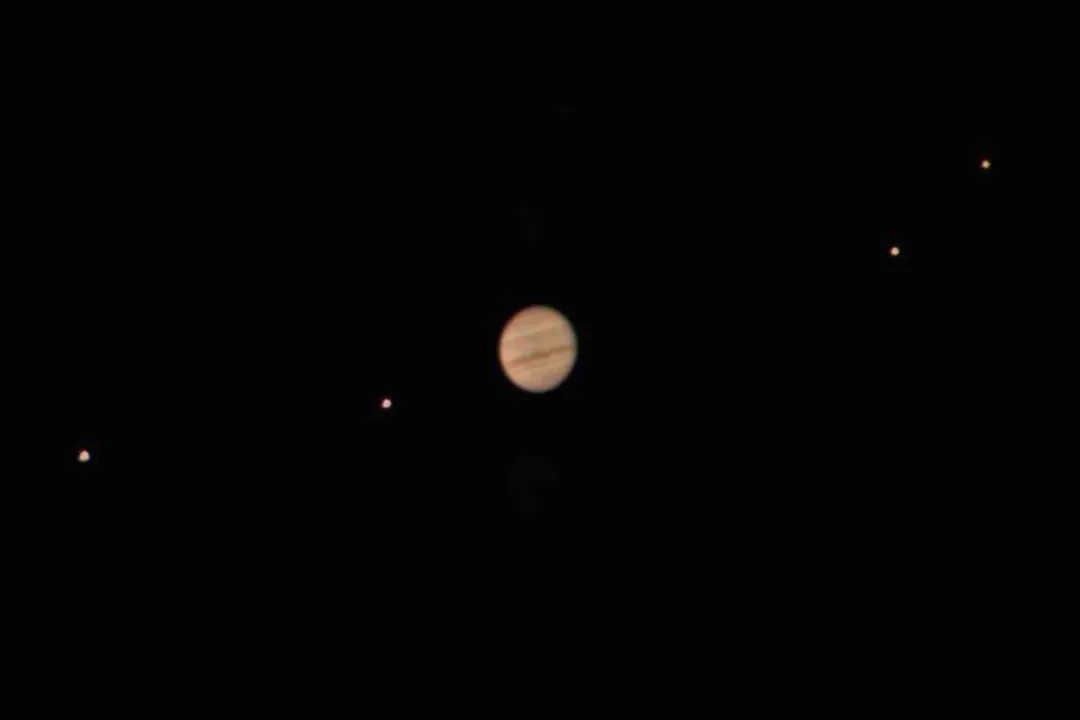
Galileo’s initial deep dives into celestial observation using his spyglass began to reveal details previously invisible to the naked eye. [3][9] He was not initially focused solely on the Moon; his early notes touch upon observations of Jupiter, Venus, and the Sun as well. [1] However, it was the view of the Moon that provided immediate, tangible evidence against established cosmology. When looking through the telescope, the Moon did not present as a flawless, polished orb, but rather as a body marred by topographical variations. [5][7]
# Lunar Textures
The most significant discovery Galileo made regarding the Moon’s surface was that it possessed features strikingly similar to those found on Earth: mountains and valleys. [2][5][7][9] He perceived dark patches and bright regions that were not uniform clouds or simple shading, but distinct structures etched onto the surface. [5] These observations confirmed that the Moon was a physical world, not a purely abstract heavenly object. [7] Observers before him had noted these visual variations, often attributing them to imperfections in their own eyesight or the quality of the lens, but Galileo was the first to confirm definitively, using the power of magnification, that these features were real topographical elements of the Moon itself. [7][8] He described seeing mountains and depressions, which are now understood to be the early observations of impact craters and large craters. [8]
# Shadow Evidence
The genius of Galileo’s confirmation lay not just in seeing the features, but in proving they were elevated structures. He understood that if the Moon were a perfect sphere, the terminator—the line separating the sunlit side from the dark side—would appear smooth. [2] Instead, he noticed that as the sunlight caught the edges of these irregularities, it cast long, distinct shadows stretching across the darker parts of the surface. [2]
This method relied on principles observers on Earth use daily: the angle and length of a shadow reveal the height of the object casting it. [2] By carefully watching how these shadows shortened or lengthened as the Moon moved through its phases, Galileo could deduce the vertical relief of the lunar terrain. [2] For example, the mountains near the edge of illumination would cast shadows that appeared disproportionately long because the Sun was low on that horizon, much like how terrestrial mountains cast long shadows at sunrise or sunset. [2] This analytical application of optics and geometry to an astronomical body demonstrated a sophisticated scientific approach well ahead of its time, akin to establishing a rudimentary system of lunar altimetry using nothing but light and shadow. [2]
# Doctrines Shift
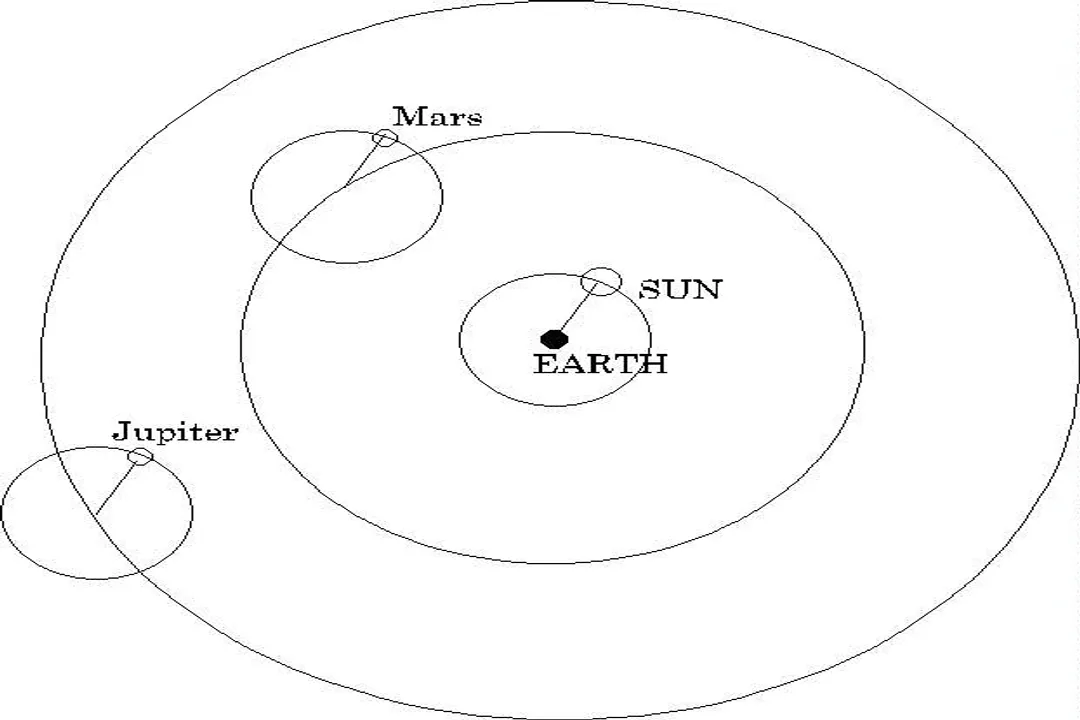
The implication of finding mountains on the Moon was enormous. Since Aristotle, celestial bodies were thought to be made of a perfect, unchanging substance called aether, while Earth was composed of mutable, imperfect elements. [2][5] If the Moon had mountains and valleys—imperfections mirroring Earth—it strongly suggested that the heavens were not fundamentally different from our terrestrial sphere. [2][5] This finding chipped away at the very foundation of the established, geocentric view of the cosmos and supported the idea that other celestial bodies might share Earth-like qualities. [2]

# Recording Progress
While the observations began in late 1609, the communication of these findings took a short but critical time to formalize. [3] Galileo meticulously recorded his findings, culminating in his first written account describing these lunar discoveries being sent in a letter dated January 7, 1610. [4] This written record, detailing the uneven surface, was crucial for cementing his claim in scientific history. [4] His findings were further detailed and published, eventually appearing in his work Sidereus Nuncius (Starry Messenger) in 1610. [1][9] It is interesting to note the speed of this communication; from the initial detailed observation in November 1609 to the description in the January 1610 letter, Galileo transformed centuries of accepted astronomical doctrine in a matter of weeks. [3][4]
If we organize the direct surface findings based on his documented reports, the summary is surprisingly brief but impactful:
| Feature Discovered | Description Confirmed | Significance |
|---|---|---|
| Mountains | Elevated structures casting discernible shadows [2][9] | Proven non-smooth surface [5] |
| Valleys/Depressions | Areas contrasting with the brighter terrain [5][8] | Suggested roughness and imperfection [7] |
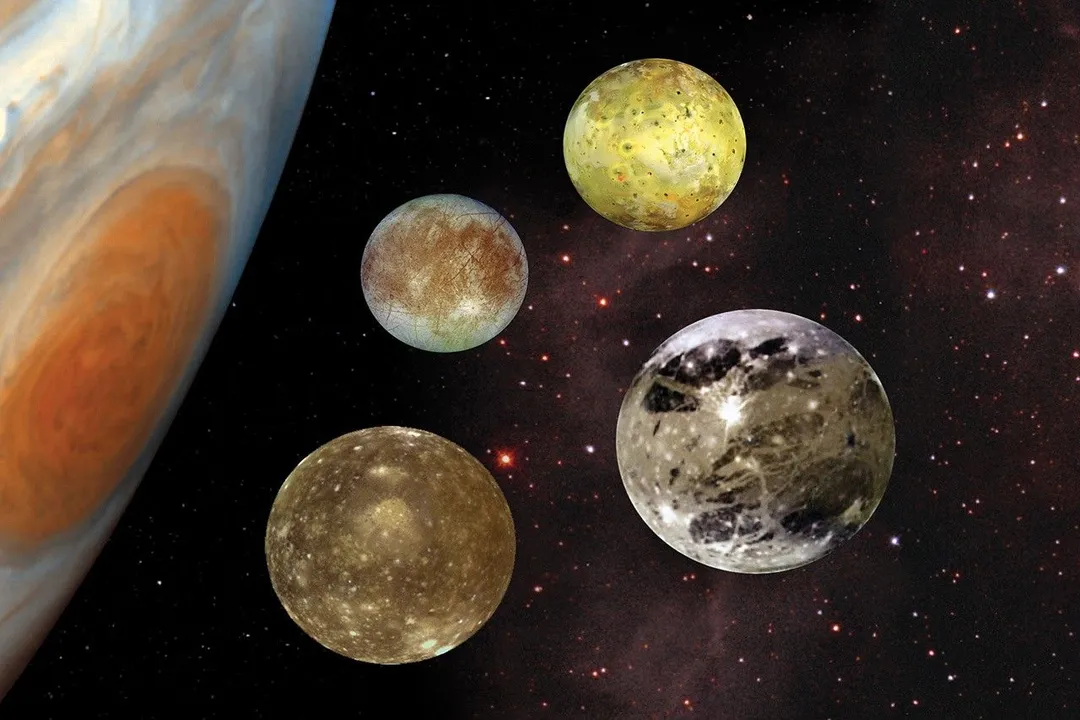
Galileo’s work on the Moon, while often overshadowed by his discovery of the moons orbiting Jupiter (the Galilean moons), [6] established a fundamental precedent. He demonstrated that a simple, accessible instrument—the telescope—could unlock physical realities about the universe previously hidden by both distance and philosophical preconception. By proving the Moon was imperfect and physically similar to Earth, he effectively opened the door for viewing the cosmos as a place governed by universal, measurable laws rather than separated into perfect heavenly realms and imperfect terrestrial ones. [2]
Related Questions
#Citations
Galileo's Observations of the Moon, Jupiter, Venus and ...
How Galileo Discovered Mountains On The Moon
Galileo begins observing the moon | November 30, 1609
7 January 1610, Galileo Galilei wrote his first letter ...
Science | Moon
Galilean moons
The View from Galileo's Telescope
TIL Galileo was the first to confirm the Moon's rough and ...
Galileo and the Telescope