In the synergy between space and ground observatories, what task do ground-based giants typically perform after space telescopes make initial discoveries?
Answer
Detailed follow-up, such as spectroscopically analyzing chemical composition and mapping stellar populations.
The ground-based giants take over for detailed follow-up, using their massive light-gathering power to spectroscopically analyze the chemical composition, measure rotation rates, and map the stellar populations within targets initially discovered by space telescopes.
#Videos
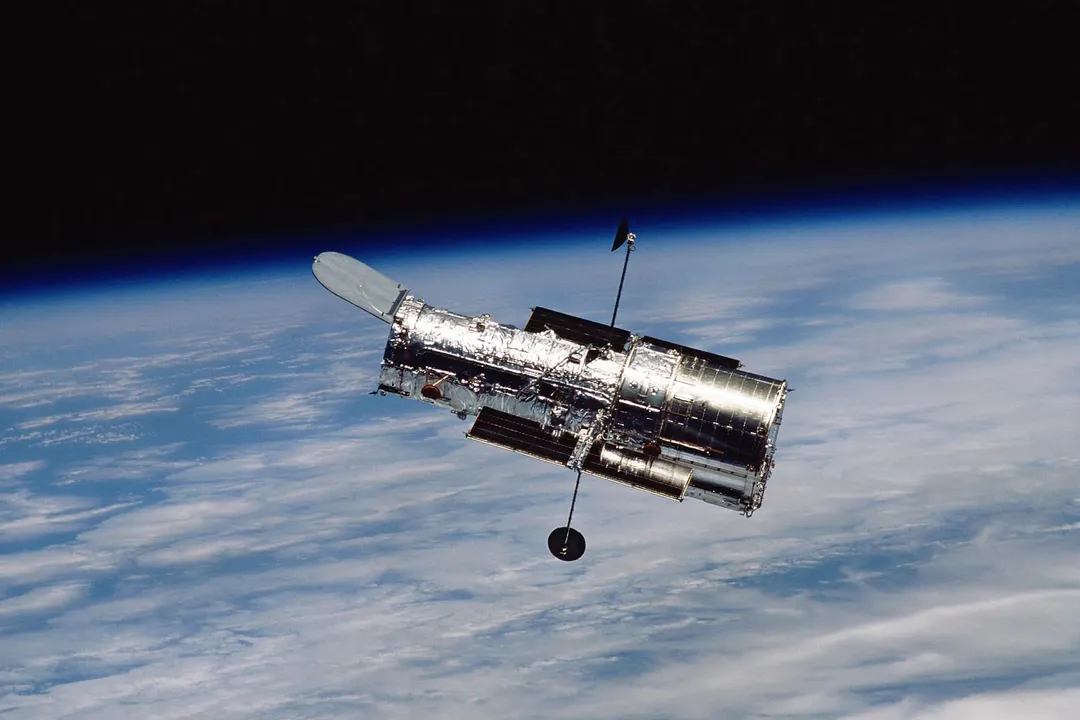
Why Do We Need Both Ground-Based and Space Telescopes?
Related Questions
What two fundamentally practical advantages support relying on ground-based astronomy?What factor causes extreme cost inflation when launching mass into orbit for telescopes?How do the planned mirror diameters of the TMT or GMT compare to the JWST's primary mirror?How does the cost per square meter of collecting area compare between ground systems and space missions?What crucial capability do ground-based observatories possess regarding scientific instruments every 10 to 15 years?What was the purpose of the 1993 Space Shuttle servicing mission for the Hubble Space Telescope?How does the effective operational lifetime generally compare between ground telescopes through refurbishment and space telescopes?What technology allows large ground-based telescopes to rival the resolution of space telescopes in specific wavelength ranges?In the synergy between space and ground observatories, what task do ground-based giants typically perform after space telescopes make initial discoveries?What is the direct result of having physical access for repair on ground-based telescopes?If a space telescope discovers early galaxies, what specific requirement makes large ground telescopes essential for characterizing them?