What makes prions fundamentally strange compared to standard infectious agents?
Answer
They are composed almost entirely of protein, lacking nucleic acids like DNA or RNA.
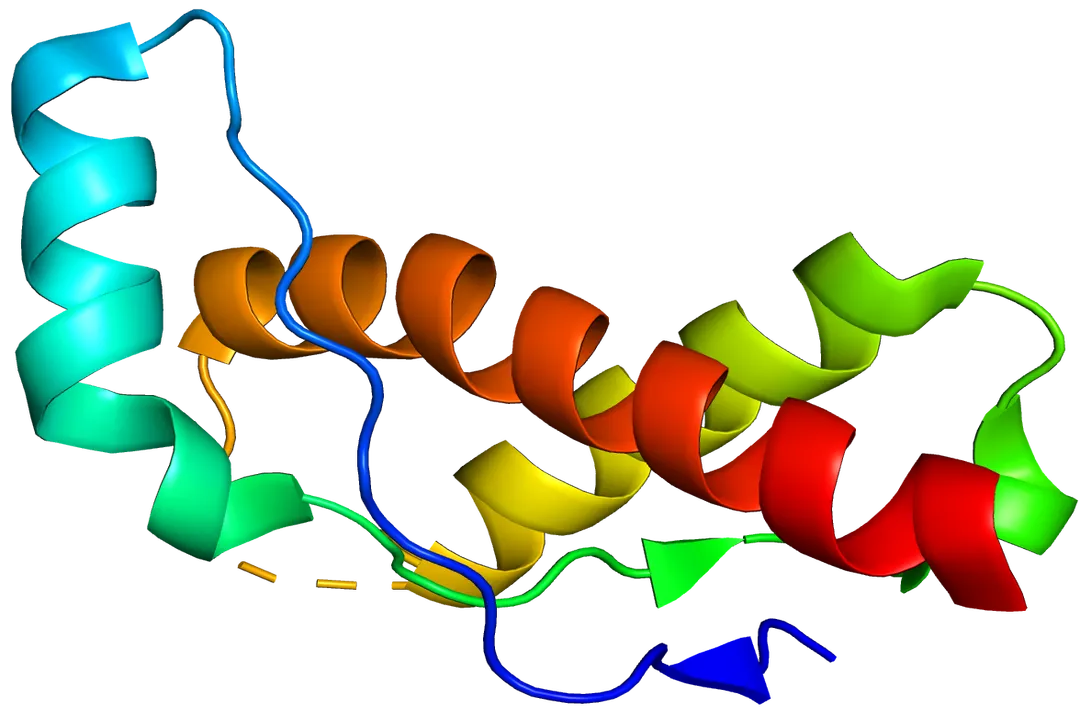
Prions challenge the central dogma of microbiology because they are infectious entities made up almost entirely of protein, defying the expectation that infectious agents must contain genetic material (DNA or RNA).
#Videos
2-Minute Neuroscience: Prion Diseases - YouTube
Related Questions
What makes prions fundamentally strange compared to standard infectious agents?What structural configuration characterizes the pathogenic $ ext{PrP}^{ ext{Sc}}$ protein?What does the term 'prion' contractually stand for?How do prions propagate within the host organism via a chain reaction?What physiological systems are the infectious $ ext{PrP}^{ ext{Sc}}$ proteins highly resistant to degrading?What is the scientific term for the spongy, sieve-like appearance found in the brain matter of prion disease victims?Why must hospitals use harsh chemical treatments rather than standard autoclaving for instruments potentially exposed to prions?Which human prion disease is the most common, classified as sporadic, and accounts for about 85% of cases?What is the primary source of transmission associated with the historical prion disease Kuru?What is indicated by elevated levels of the 14-3-3 protein found in a patient's cerebrospinal fluid (CSF)?