What causes neurodegenerative diseases?
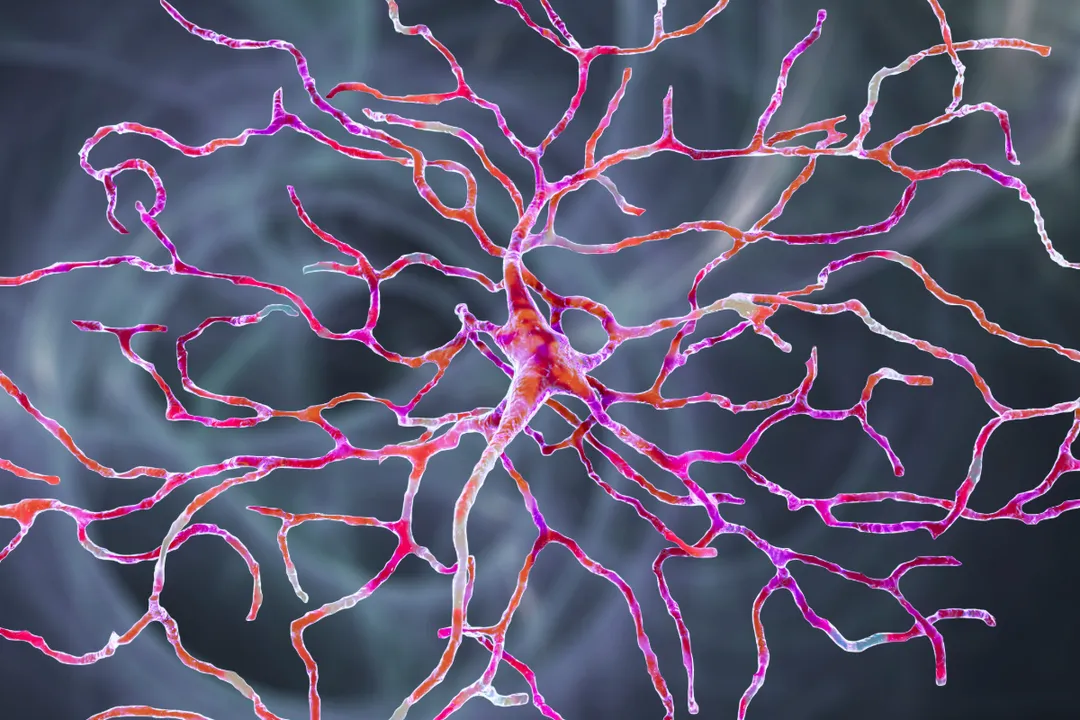
The progressive degeneration and eventual loss of nerve cells, or neurons, define a group of devastating conditions collectively known as neurodegenerative diseases. [1][2][6][7][10] Conditions such as Alzheimer’s disease, Parkinson’s disease, amyotrophic lateral sclerosis (ALS), and Huntington’s disease share this grim characteristic, even as their clinical presentations differ widely. [1][5][7] Understanding what initiates this malfunction—the cascade that leads to neuronal demise—is complicated because the root cause is rarely singular; instead, it emerges from a tangled web of genetic predispositions interacting with a lifetime of environmental and lifestyle exposures. [3][4]
# Neuronal Breakdown

At the most fundamental level, neurodegeneration involves the failure of neurons to maintain their structure and function, culminating in cell death. [2][6] Healthy neurons rely on intricate systems to manage stress, clear out waste, and maintain energy production. When these systems become overwhelmed or damaged, the cell begins to falter. [4]
One critical aspect of this failure is widespread inflammation within the nervous system, often termed neuroinflammation. [2][4] This is not simply a reaction to injury; it can become a chronic, self-perpetuating cycle where immune cells in the brain, like microglia, become overly activated, releasing substances that damage neighboring healthy cells. [2] Another major contributor identified in many of these disorders is oxidative stress. [4] This occurs when there is an imbalance between the production of reactive oxygen species (free radicals) and the body’s ability to detoxify them with antioxidants. Neurons, with their high metabolic rate and lipid-rich membranes, are particularly vulnerable to this type of cellular attack. [4]
Furthermore, the energy supply to the neuron can be compromised. Mitochondrial dysfunction—where the cell's powerhouses are damaged or inefficient—starves the neuron of the energy it needs to perform basic upkeep, ultimately leading to a system-wide collapse. [4] These underlying cellular stresses—inflammation, oxidative damage, and energy failure—often converge, creating an environment hostile to long-term neuronal survival. [2][4]
# Protein Aggregation

Perhaps the most visible hallmark of many neurodegenerative diseases is the pathological buildup of misfolded proteins in or around the affected brain cells. [2][7] This phenomenon, sometimes referred to as proteinopathy, is central to the pathology of nearly all major neurodegenerative conditions. [2]
In Alzheimer's disease, for example, two proteins are central: amyloid-beta (A) and tau. [7] A proteins aggregate into plaques outside the neurons, while abnormal tau protein forms neurofibrillary tangles inside the cells. [7] Similarly, in Parkinson’s disease, the hallmark is the accumulation of alpha-synuclein protein into Lewy bodies. [2][7] In Huntington’s disease, the culprit is the mutant huntingtin protein. [7]
These misfolded proteins are inherently toxic. They don't just sit idly; they actively interfere with normal cellular processes. [2] They can disrupt the transport of essential materials along the axon (the neuron’s long projection), impair the function of synapses (the communication points between cells), and overwhelm the cell’s natural waste disposal systems. [2] The failure of the brain’s clean-up crew, including systems like the glymphatic network responsible for flushing toxins during sleep, exacerbates the problem, allowing these toxic aggregates to persist and spread their damage. [4] While the specific protein differs between diseases, the underlying mechanism—a toxic buildup interfering with cellular machinery—is a shared theme. [2][7]
# Inherited Risks
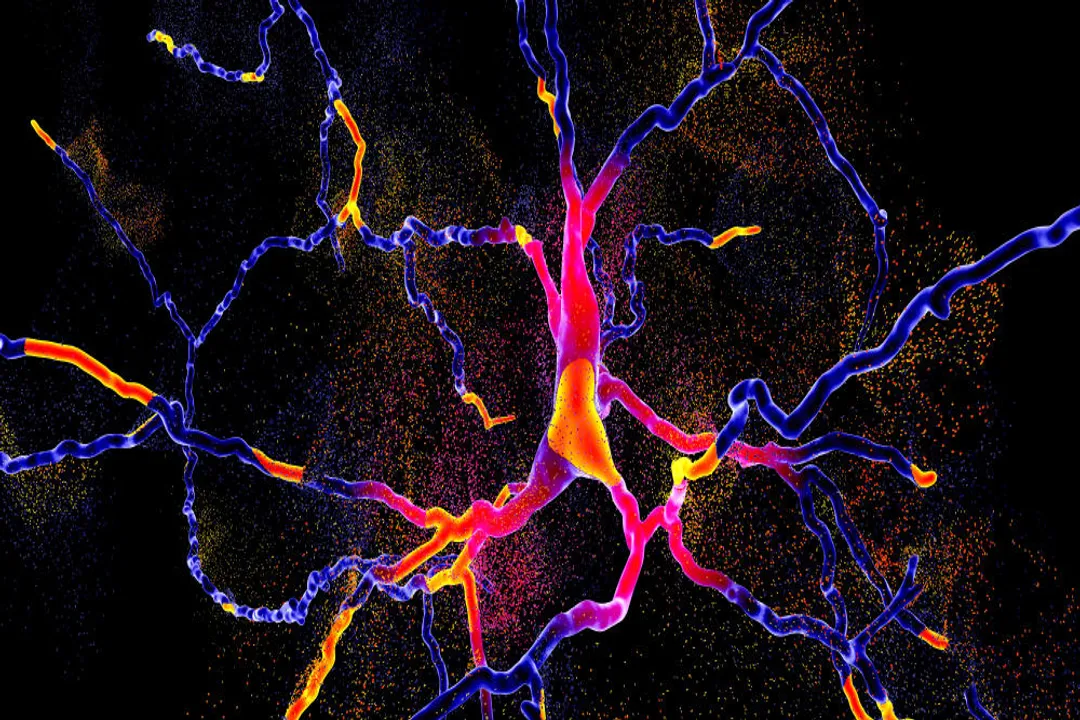
While many cases of neurodegeneration appear sporadic, genetics plays a defining role, especially in early-onset or familial forms of these illnesses. [3][7] In some instances, a direct, causative mutation in a single gene is identified, which virtually guarantees the development of the disease. [7] For example, mutations in genes like PSEN1, PSEN2, or the APP gene can cause early-onset familial Alzheimer's disease. [7] Similarly, the expansion of a triplet repeat in the HTT gene is directly responsible for Huntington’s disease. [7]
However, the genetic contribution is far broader than these clear-cut, deterministic mutations. For the majority of cases that develop later in life (sporadic forms), genetics provides a susceptibility rather than a certainty. [3] Genome-wide association studies have identified numerous genetic variants that slightly increase an individual’s risk. [3] For instance, the APOE ε4 allele is a well-established genetic risk factor for late-onset Alzheimer’s disease, significantly raising the probability of developing the condition, though not causing it outright. [7]
It is useful to think of this spectrum of genetic influence. On one end, you have a single, highly penetrant mutation guaranteeing the disease (high certainty). On the other, you have a collection of common genetic variants that slightly increase your baseline vulnerability but require significant environmental input to trigger pathology (lower certainty). This distinction helps explain why two people with similar genetic profiles might have vastly different disease outcomes. [3]
# Environmental Inputs

If genetics loads the gun, environmental and lifestyle factors often pull the trigger, especially in individuals who carry genetic susceptibility but haven't yet developed symptoms. [3][4] Age remains the single most significant non-modifiable risk factor across almost all neurodegenerative conditions; the longer we live, the more time these cumulative insults have to accumulate. [3][7]
Beyond age, however, several modifiable factors are heavily implicated. Exposure to certain environmental toxins has been researched as a potential trigger for diseases like Parkinson's, though definitive, widespread links require further confirmation. [3] More consistently supported are factors related to general physiological health. For example, poor cardiovascular health, including high blood pressure or diabetes, negatively impacts the delicate network of blood vessels supplying the brain, potentially starving neurons or increasing susceptibility to damage. [4]
Lifestyle choices compound this risk. A diet lacking in necessary nutrients or high in inflammatory components can increase systemic oxidative stress, which then crosses the blood-brain barrier to harm neurons. [3][4] Furthermore, evidence increasingly points toward the importance of adequate, high-quality sleep. During deep sleep, the brain actively clears metabolic waste, a process that is impaired when sleep is chronically disrupted. [4] A lack of restorative sleep essentially stops the brain’s overnight cleaning crew from doing its job, allowing toxic proteins to accumulate faster than they can be managed. [4] Even conditions like head trauma, especially repeated trauma, are recognized risk factors for long-term neurological decline. [3]
# Risk Interplay
The true cause of sporadic neurodegeneration lies not in any single factor, but in the interplay between these categories. [3][4] Consider an individual with a moderate genetic predisposition to a proteinopathy. If that person also maintains excellent cardiovascular health, exercises regularly, and prioritizes restorative sleep, their internal defense and clearance mechanisms might keep the misfolded proteins from reaching the critical threshold needed to trigger widespread cell death for decades, or perhaps indefinitely. In this scenario, their 'pathological reserve'—the brain's buffer capacity against damage—is high. [4]
Conversely, an individual with a similar genetic risk who concurrently suffers from chronic inflammation due to obesity, a history of concussions, and poor sleep might exhaust that reserve much faster. The environmental insults accelerate the pathological cascade initiated by the genetic vulnerability. [3][4] This concept of pathological reserve helps frame the importance of mid-life health management. While we cannot change our genes or stop the clock, optimizing lifestyle factors effectively buys time by slowing the rate at which cellular damage accumulates. [4] It suggests that interventions aimed at reducing inflammation or improving vascular health are not just treating peripheral conditions; they are directly influencing the speed at which brain pathology progresses.
In short, neurodegenerative diseases arise from a dynamic interaction. They are the endpoint of chronic stress overwhelming the biological systems designed to cope with it, whether that stress originates from a faulty gene or a lifetime of avoidable lifestyle risks. [3][4] Current research continues to refine our understanding of exactly how these distinct pathways—genetic programming, protein toxicity, oxidative damage, and inflammation—feed into one another to produce the final, tragic outcome of widespread neuronal loss. [2][10]
Related Questions
#Citations
Neurodegenerative Diseases: What They Are & Types
What causes neurodegenerative disease? - PubMed
What Causes Neurodegenerative Disease: Genetic, Environmental ...
Navigating Neurodegenerative Diseases: What Causes ...
Neurodegenerative Diseases - Neuroscience - Montefiore Einstein
Neurodegenerative disorders: Mechanisms of degeneration and ...
Neurodegenerative disease - Wikipedia
Basic mechanisms of neurodegeneration: a critical update - PMC
Neurodegenerative Diseases - MedlinePlus
Que sont les maladies neurodégénératives ? - Paris Brain Institute