How do larger atmospheric particles (like dust or pollutants) scatter light differently than the tiny gas molecules responsible for Rayleigh scattering?
Answer
They scatter all colors of light more uniformly.
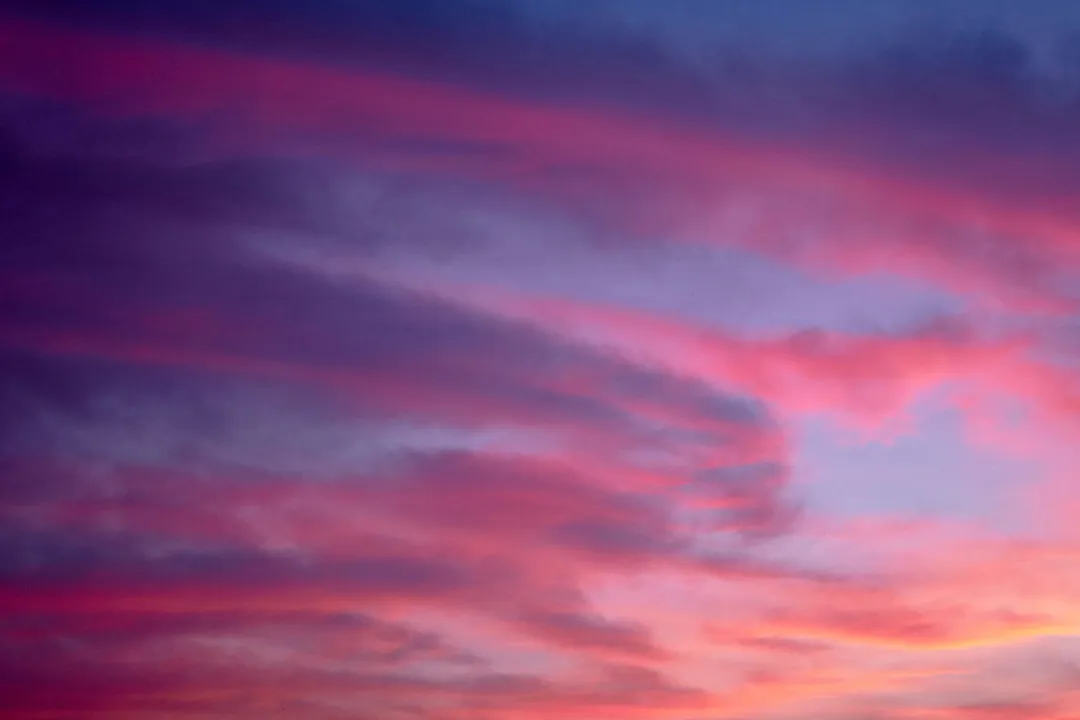
Larger particles scatter light differently than small gas molecules; they scatter all colors of light more uniformly, which can lead to more vivid, saturated colors like intense reds and oranges during dawn and dusk.
#Videos
And Why The Stars Change With The Seasons" 5 min. version
Related Questions
What is the primary driver behind all seasonal sky differences?What is the approximate constant axial tilt the Earth maintains relative to its orbital path?What phenomenon governs the color of the daytime sky, causing the perception of blue?In Rayleigh scattering, which light wavelengths scatter most readily when encountering atmospheric gas molecules?During summer months in the Northern Hemisphere, why does the sky often appear a more intense, deeper blue?When the Sun has low sun angles in autumn/winter, how does the direct sunlight reaching an observer typically appear compared to summer?Why do sunrises and sunsets often display deep orange and red hues, especially when the Sun's path is shallow?What causes the visible constellations to change throughout the year in the night sky?For Northern Hemisphere observers, which season is associated with prominent constellations like Orion and Canis Major?How do larger atmospheric particles (like dust or pollutants) scatter light differently than the tiny gas molecules responsible for Rayleigh scattering?According to Kepler's laws mentioned, when does the Earth move slightly faster in its orbit?