Why does the sky look different lately?
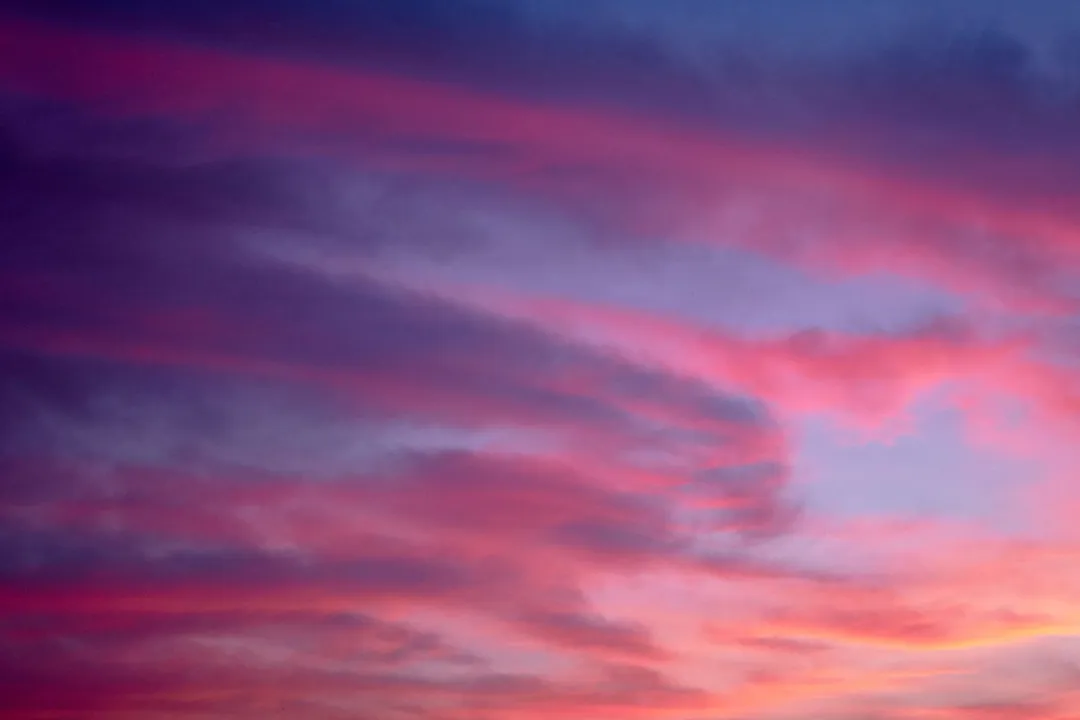
Many people have recently mentioned that the sky looks noticeably different, perhaps clearer, deeper blue, or sometimes the clouds seem to hang in a different relationship to the ground. These observations aren't just a trick of memory; they are rooted in genuine, measurable changes in the composition of the air we breathe and how light interacts with it. The color we see overhead is a direct consequence of atmospheric physics, and when the atmosphere itself changes, our view of the heavens changes right along with it.
# Blue Light Basics
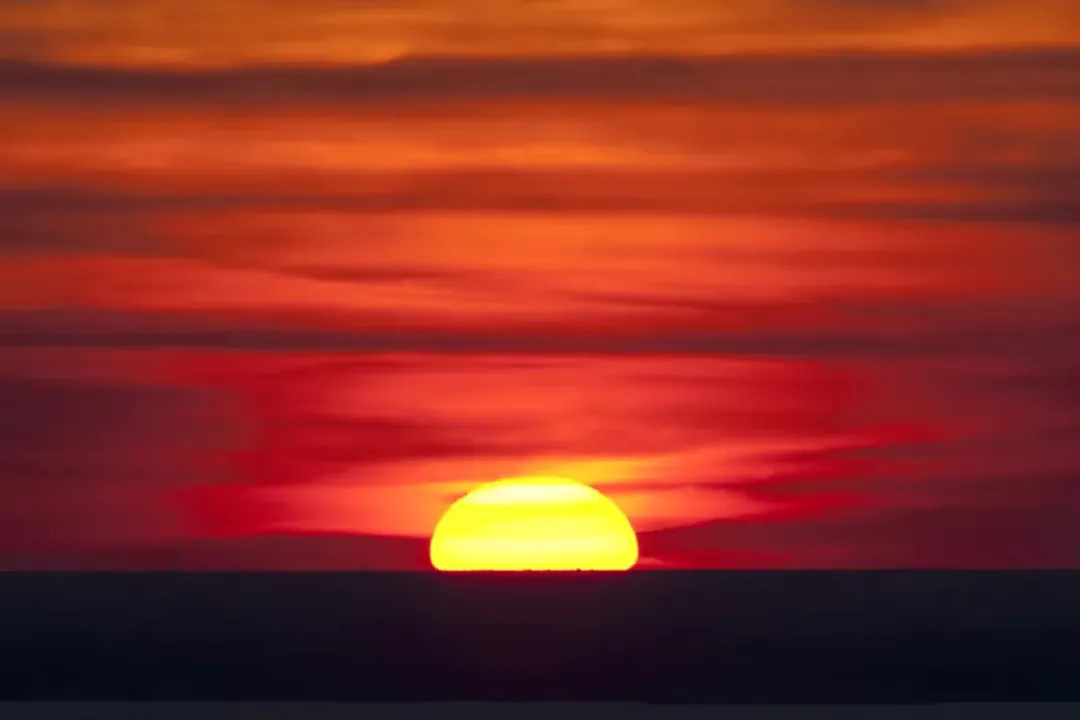
To understand why the sky has appeared different lately, we must first establish why it looks blue on an average, non-eventful day. The sky’s pervasive blue hue is primarily the result of a phenomenon called Rayleigh scattering. Sunlight, which appears white, is composed of all the colors of the rainbow. As this light enters the Earth’s atmosphere, it collides with the tiny molecules of gases like nitrogen and oxygen. These molecules are much smaller than the wavelength of visible light. When light hits these small scatterers, shorter wavelengths, like blue and violet, are scattered much more efficiently in all directions across the sky than longer wavelengths, like red and orange. Because our eyes are more sensitive to blue than violet, the sky registers as predominantly blue.
# Cleaner Atmosphere
The most significant factor driving the recent perception of a bluer sky is a reduction in what scientists call aerosols. While the air molecules themselves cause the baseline blue, the presence of larger particles—like fine dust, smoke from wildfires, or particulate matter from vehicle exhaust and industry—can significantly alter this color. When the atmosphere is heavily laden with these larger particles, they scatter all wavelengths of light more equally, leading to a paler, whiter, or sometimes hazy appearance, washing out the pure Rayleigh blue. When human activity that generates these pollutants slows down, or when specific weather patterns steer regional pollution away, the atmosphere becomes cleaner. With fewer intervening particles scattering white or gray light, the sky reverts to a deeper, more saturated blue governed solely by the tiny air molecules. This effect is particularly noticeable when comparing current conditions to periods when regional air quality was poor due to factors like widespread industrial output or persistent wildfires.
It is interesting to consider how this atmospheric clarity influences our sense of depth. When the air is thick with pollutants or humidity, the contrast between foreground objects and the distant horizon is reduced because the air itself acts like a light veil, a phenomenon known as atmospheric perspective degradation. When that veil thins out, distant objects—and the sky itself—appear sharper and more defined, which can enhance the perception of blueness and clarity. This enhanced clarity can sometimes lead to the subjective feeling that the sky is somehow "closer" or more immediate, even though the physical altitude of the troposphere has not changed.
# Scattering Types
The visual difference depends entirely on the size of the scatterers relative to the light's wavelength. We can categorize the scattering effects that determine the sky's appearance:
| Scattering Type | Particle Size Relative to Wavelength | Effect on Light | Typical Resulting Sky Appearance |
|---|---|---|---|
| Rayleigh Scattering | Much Smaller | Strong preference for scattering shorter (blue) wavelengths | Deep Blue Sky |
| Mie Scattering | Similar Size (e.g., larger aerosols, dust, water droplets) | Scatters all visible wavelengths roughly equally | White, Hazy, or Gray Sky/Clouds |
This distinction is crucial. If you notice the sky is a very pale blue or white, you are likely observing an atmosphere dominated by Mie scattering particles, even if they are too small to see individually. Conversely, the recent observation of an intensely deep blue sky is the signature of an atmosphere where Rayleigh scattering is the dominant process.
# Low Sun Angles
The phenomenon of the sky changing color dramatically at the beginning and end of the day offers a powerful contrast to the daytime blue. When the Sun is low on the horizon during sunrise or sunset, its light has to travel a much longer path through the atmosphere to reach our eyes. During this extended traversal, virtually all the shorter wavelengths—the blues and greens—are scattered away long before the light beam reaches the observer. What remains are the longer wavelengths: reds, oranges, and yellows, painting the clouds and the lower horizon with warm tones. If the air happens to be particularly clean, the resulting sunsets can be exceptionally vivid and saturated because the initial scattering that removes the blue light is very efficient, leaving behind a purer set of long-wavelength colors. If the air were hazy, the remaining colors would be muted or pale yellow, demonstrating how the same long atmospheric path yields different results based on the amount of intervening aerosols.
# Cloud Height Perception
Another common observation lately is the feeling that clouds appear closer or that the layers of the atmosphere seem compressed. Clouds form when water vapor condenses around microscopic particles (condensation nuclei). The altitude at which this happens—the cloud base—is determined by temperature, pressure, and humidity profiles in the atmosphere. If the relative humidity is lower near the ground, the air must rise higher before the moisture content is sufficient to form visible droplets, thus resulting in a higher cloud base. If the atmosphere is very dry overall, high-altitude clouds might appear more distinct against the deep blue background, leading to the impression that the entire sky structure has shifted vertically.
# Geographic Variation
It is also important to recognize that the sky is inherently not the same everywhere on Earth, even on the same day. If you travel from a high-altitude, dry desert environment to a low-lying, humid coastal area, the difference in sky color will be immediate and pronounced. The desert sky, with lower humidity and fewer aerosols, will appear a darker, richer blue than the sky over the coast, which will likely exhibit more scattering due to higher water vapor content and potential marine aerosols. Your recent personal experience might simply place you in a location that, for the moment, is experiencing atmospheric conditions historically associated with a different latitude or elevation.
When considering the recent widespread discussion about sky changes, personal observation is key, but comparing it against atmospheric science gives context. If you recall the sky being consistently grayish-white during commutes five years ago, and now it is predominantly a crisp, dark blue, you are likely witnessing a localized or regional improvement in air quality—a genuine physical change—rather than just a shift in memory. This tangible difference, where the light seems clearer and the blue deeper, serves as a powerful, albeit unquantified, indicator of cleaner ambient air. Think about the visual difference between looking through a slightly dusty window versus a freshly cleaned one; the air is essentially acting as that window for the sunlight reaching your eye.
Related Questions
#Citations
Why does the sky look different now than it did in 2012 and previous?
This Is Why the Sky Turns Red, Orange, and Pink at Sunset
The Appearance of the Sky - UCAR Center for Science Education
Have you noticed how blue the sky has looked lately? Here's why!
Is it just me, or do the sky and clouds seem closer than normal?
Is the color of the sky the same everywhere on earth?
Have you noticed a difference in the sky color lately? You're not ...
Here's why the sky looks bluer - YouTube