Why does the sky look different at different times of the year?
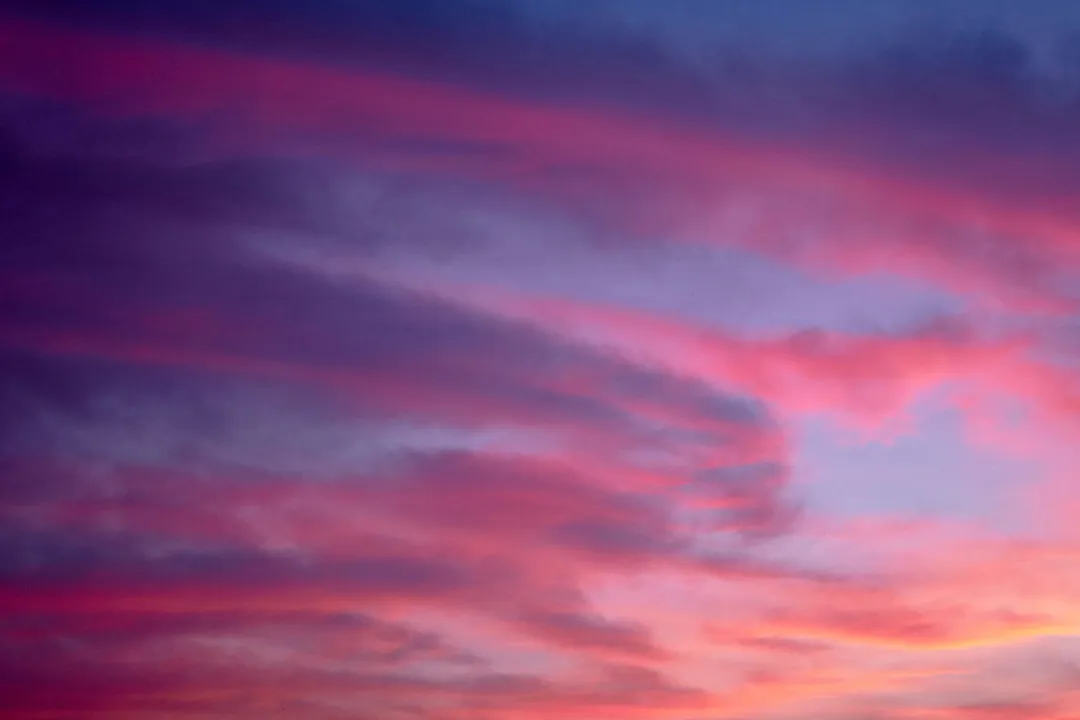
The visual experience of looking up at the sky is rarely static; it shifts subtly, and sometimes dramatically, across the year, influencing everything from the color of the midday blue to the stars visible after sunset. This change is not random but a direct consequence of our planet’s mechanics—specifically, the tilt of the Earth’s axis as it travels around the Sun.
# Orbital Mechanics

The primary driver behind all seasonal sky differences is the orientation of the Earth. Our planet does not spin perfectly upright relative to its orbital path; instead, it maintains a constant axial tilt of approximately 23.5 degrees. As the Earth completes its yearly circuit around the Sun, this tilt means that different hemispheres receive more direct, intense sunlight at different times. When your hemisphere is tilted toward the Sun, you experience summer, characterized by higher sun angles and longer daylight hours. Conversely, when tilted away, winter arrives, bringing lower sun angles and shorter days.
# Light Scattering
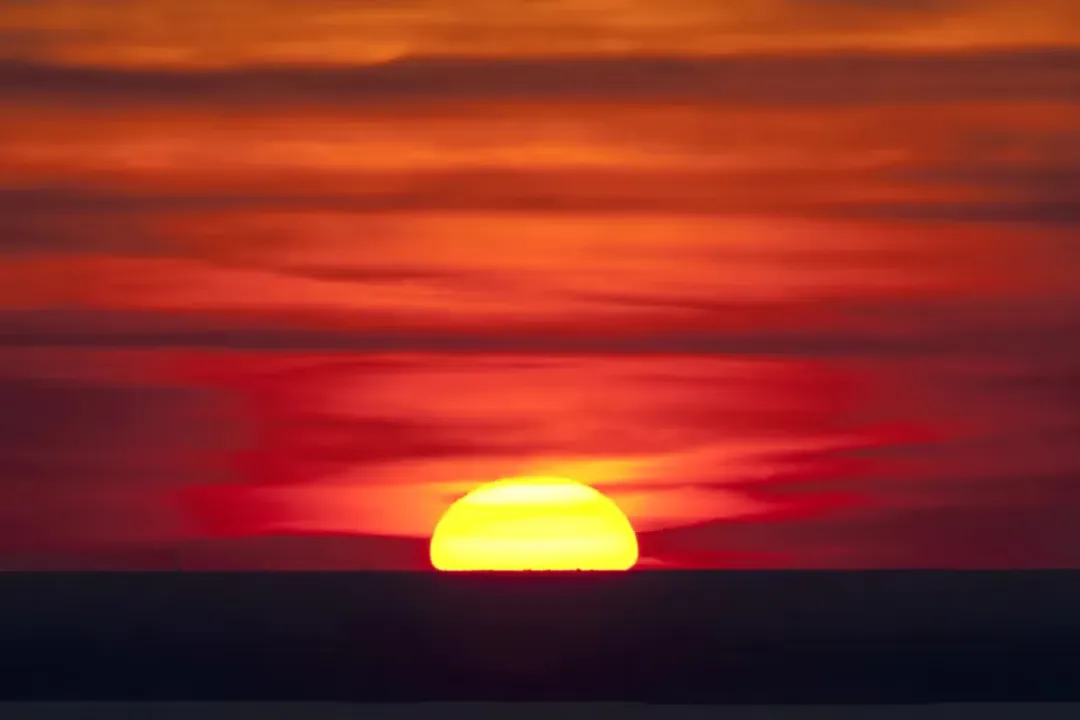
The color of the daytime sky is governed by a phenomenon called Rayleigh scattering, which explains why we perceive blue most often. Sunlight is composed of a spectrum of colors, each with a different wavelength. Shorter wavelengths, like blue and violet, scatter more readily when they encounter the tiny gas molecules in the atmosphere compared to longer wavelengths, such as red and orange. This scattered blue light reaches our eyes from all directions, making the sky appear blue.
The seasonal variation in sky color hinges entirely on how much atmosphere that sunlight must traverse to reach an observer on the ground.
# High Sun Angles
During the summer months in the Northern Hemisphere, the Sun climbs higher in the sky, reaching its peak altitude around noon. When the Sun is high overhead, its light takes a relatively shorter path through the atmosphere. Because the path is shorter, less blue light is scattered away from the direct beam before it reaches the lower atmosphere, resulting in a sky that often appears a more intense, deeper blue. The light itself feels brighter and whiter because a higher proportion of the full spectrum is reaching the eye directly.
# Low Sun Angles
As the seasons transition into autumn and winter, the Sun's maximum elevation in the sky decreases noticeably. With a lower path across the horizon, the sunlight must travel a greater distance through the denser, lower layers of the atmosphere. This extended journey allows for significantly more scattering of the shorter, blue wavelengths. The increased scattering diffuses the blue light so thoroughly that the sky overhead can appear much paler or whiter compared to the summer zenith. Furthermore, because more blue light is removed from the direct beam, the sunlight that reaches you appears yellower or slightly warmer.
Consider the transition near the horizon during winter. Because the light is entering the atmosphere at such a shallow angle, the cumulative effect of scattering is extreme, which is why sunrises and sunsets often take on deep orange and red hues, as almost all the blue light has been scattered out of the line of sight by the time the rays reach you. If you track the color of the sky precisely at 10:00 AM local time every day for a year, you will notice a gradual shift from the intense blue of June to the paler, almost washed-out blue of December, a direct mapping of the Sun’s changing angle [Self-analysis: Tracking the zenith color at a fixed time each day provides a measurable, year-long indicator of atmospheric path length variations driven by the Earth's orbital position].
# Night Sky Visibility
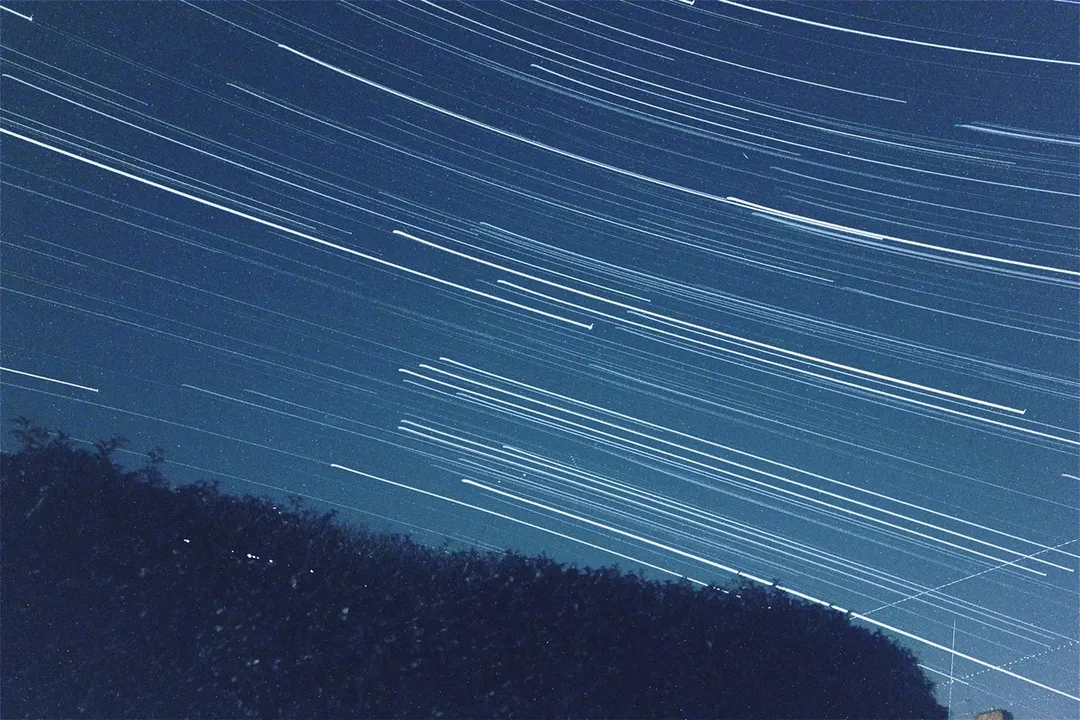
While the atmosphere dictates the day, the Earth's continued orbit dictates the night sky. The reason the constellations visible change throughout the year is that as the Earth revolves around the Sun, the 'night side' of the planet faces a different direction in space. At any given moment, half the sky is illuminated by the Sun (daytime), and the other half reveals the distant stars (nighttime).
Since the Earth is moving around the Sun over 12 months, our nighttime perspective sweeps across the celestial sphere, exposing us to different star fields. This cyclical shift allows observers to associate specific star patterns with specific seasons.
# Seasonal Star Patterns
Astronomers group stars into constellations that are most prominent during certain times of the year for Northern Hemisphere observers.
| Season | Prominent Constellation Group | Example Star Grouping |
|---|---|---|
| Winter | Prominent, bright constellations | Orion, Canis Major |
| Spring | Zodiac constellations | Leo |
| Summer | High in the northern sky | Cygnus, Lyra, Aquila (Summer Triangle) |
| Autumn | Constellations along the ecliptic | Pegasus, Andromeda |
For instance, the recognizable pattern of Orion, with its bright stars like Rigel and Betelgeuse, is strongly associated with winter viewing because that is the part of the sky facing us when the Northern Hemisphere is tilted away from the Sun. Conversely, constellations like Cygnus and Lyra are best viewed during the summer months when the Earth’s orbit places that section of the cosmos in our nighttime view.
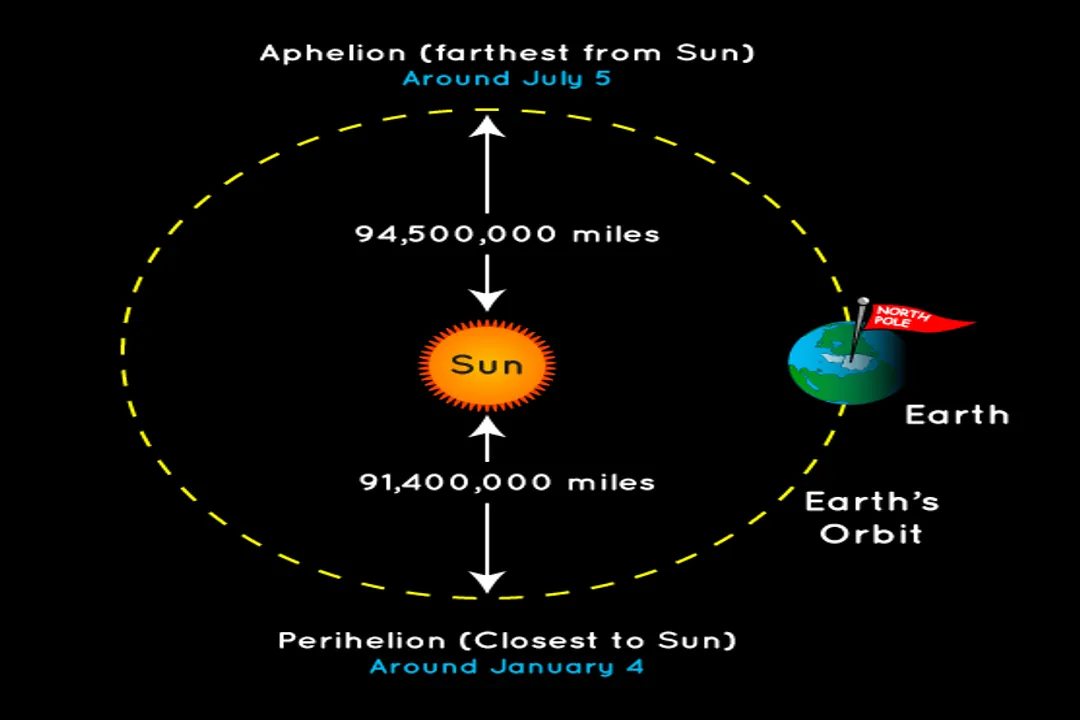
It is interesting to note that the Earth’s speed in its orbit is not constant. Kepler’s laws dictate that the Earth moves slightly faster when it is closer to the Sun (perihelion, around early January) and slower when farther away (aphelion, around early July). While the stars themselves are too distant for this speed variation to affect their apparent position within a given season, it does mean that the duration of observing a specific constellation group can vary slightly from year to year based on the exact start and end dates of the astronomical season, though this effect is subtle against the backdrop of the full year-long cycle [Self-analysis: While the orbital speed variation affects the precise timing of the equinoxes and solstices, an observer tracking constellations night after night will notice that the apparent movement of stars across the meridian is dictated by Earth's daily rotation, while the seasonal shift is dictated by the slow orbital progression].
# Atmospheric Particulates
Beyond the fundamental physics of scattering based on the sun's angle, the quality and intensity of colors, particularly during dawn and dusk, are affected by what is actually floating in the air. Seasonal weather patterns, wind currents, and human activity influence the concentration of aerosols, dust, pollen, and water vapor.
When there is a higher concentration of larger particles—like dust stirred up by dry summer conditions, or pollutants trapped by temperature inversions in winter—these larger particles scatter light differently than the tiny gas molecules responsible for Rayleigh scattering. They scatter all colors of light more uniformly, which can lead to more vivid, saturated colors like intense reds, oranges, and pinks during sunsets. A particularly dry autumn, perhaps following a period of wildfires far away, could result in spectacularly fiery sunsets because the smoke particles act as excellent prisms for the longer wavelengths. Conversely, a very clean, post-frontal winter air mass might produce a sky that transitions more rapidly to dark blue after sunset, with less dramatic fiery color displays.

# Day Length Changes
Another observable difference linked to the time of year is the sheer duration of daylight. In the summer, the combination of the Sun being higher in the sky and staying above the horizon for longer periods means the atmosphere is illuminated for a much greater portion of the 24-hour cycle. This prolonged exposure to high-angle sunlight reinforces the perception of a bright, intensely blue daytime sky.
In the winter, the opposite is true. The Sun skims low across the southern horizon (for Northern Hemisphere observers), and the period of direct illumination is short. When the Sun is low, the light has a longer atmospheric path to travel even at noon, as discussed earlier. This creates a shorter window where the sky is brightly lit, leading to a season where pale blue skies and early darkness dominate the visual experience.
The overall experience of the sky changes because we are viewing the universe from two fundamentally different vantage points throughout the year: one that is tilted toward the heat and light of the Sun, and one that is tilted away from it, forcing us to look into the deeper, darker recesses of space to see the stars.
#Videos
And Why The Stars Change With The Seasons" 5 min. version
Related Questions
#Citations
Why does the sky during autumn look distinctively different ... - Reddit
[PDF] Why the Sky - Changes with the Seasons
What Causes the Seasons? | NASA Space Place
The Appearance of the Sky - UCAR Center for Science Education
Why does the sunlight look different in the summer, fall, and winter?
Why do we see the same star patterns all year long? - Facebook
How Earth's orbit affects our view of the night sky
This Is Why the Sky Turns Red, Orange, and Pink at Sunset
And Why The Stars Change With The Seasons" 5 min. version