How do fuel cells differ from batteries?
The shift toward sustainable energy solutions has placed two distinct technologies—batteries and fuel cells—at the forefront of electrification discussions, particularly in the automotive and industrial sectors. While both devices create electricity through electrochemical reactions, their fundamental mechanisms for how they store and supply that power place them in different operational categories. [1][2] Understanding this distinction is key to knowing where each technology is best applied.
# Storage Versus Conversion
The most critical difference lies in their roles: batteries are energy storage devices, whereas fuel cells are energy conversion devices. [3][7]
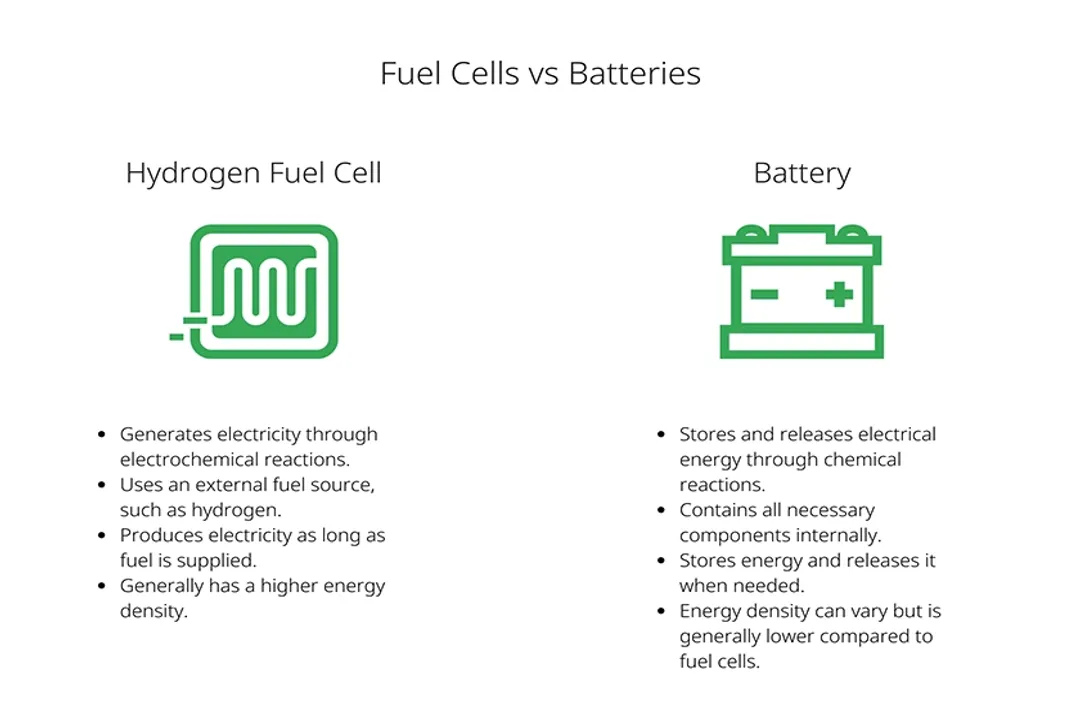
A battery, like the lithium-ion packs found in modern electric vehicles, contains all the necessary chemical reactants sealed within its casing. [4] Energy is stored electrochemically within the cell structure itself. When the device discharges, these stored chemicals react, releasing electrons that power the load. When the energy is depleted, the reaction must be reversed through an external electrical charge—the battery must be plugged in and wait for the chemical potential to be restored. [2]
In contrast, a fuel cell does not store energy internally in the same way. [4] Instead, it requires a continuous supply of external fuel and an oxidant to generate electricity. [6] Typically, this fuel is hydrogen, and the oxidant is oxygen drawn from the surrounding air. [6] The fuel cell continuously converts the chemical energy of the reacting fuel into electrical energy, heat, and water as long as fuel and air are supplied. [4][6] This makes the fuel cell operationally similar to an internal combustion engine in that it needs refueling rather than recharging. [2]
# Chemical Exchange
The internal workings highlight their differing dependency on external inputs. In a battery, the chemical reaction happens within the closed system. [4] For instance, in a simple galvanic cell, the metal anode is oxidized and the cathode is reduced, all contained within the electrolyte medium. [4] The reaction stops when the internal reactants are consumed. [4]
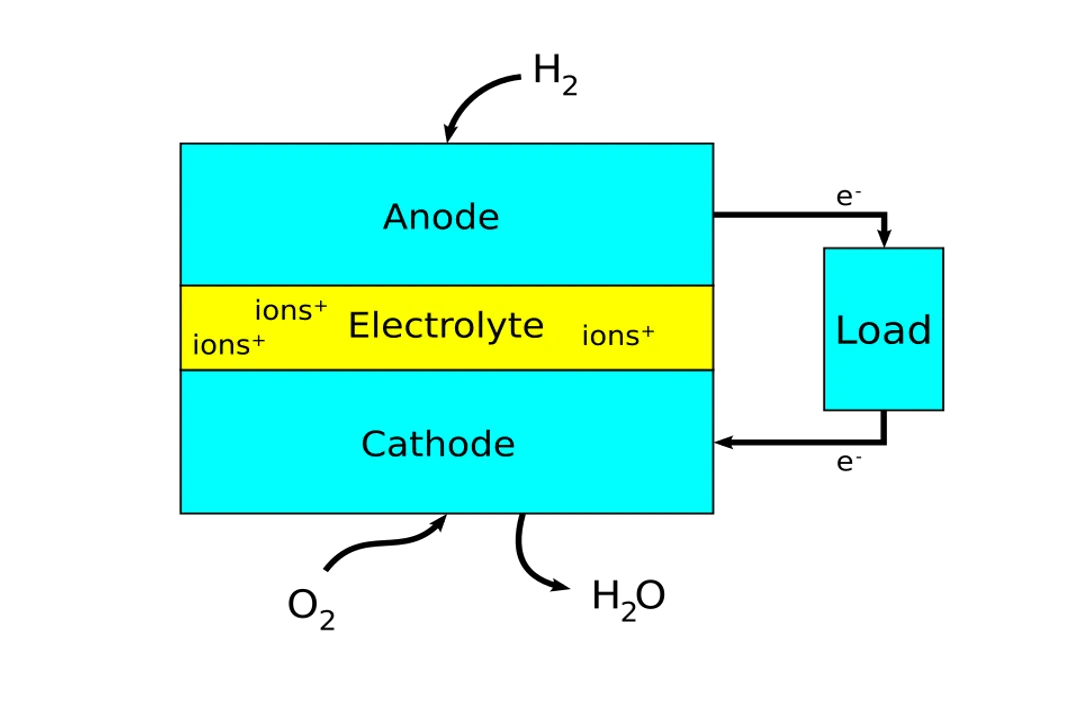
A fuel cell functions more like a continuously operating electrochemical plant. [6] It requires three external inputs for operation: the fuel (e.g., hydrogen), the oxidant (air/oxygen), and an external connection to the load. [6] The fuel and oxidant flow across respective electrodes separated by an electrolyte membrane. Hydrogen is oxidized at the anode, releasing electrons that travel through the external circuit to provide power, then recombine with protons and oxygen at the cathode to form water. [6] Because the primary "reactants" (hydrogen from a tank, oxygen from the air) are constantly supplied, the only byproducts that need managing are heat and water vapor. [6]

# Runtime Mechanics

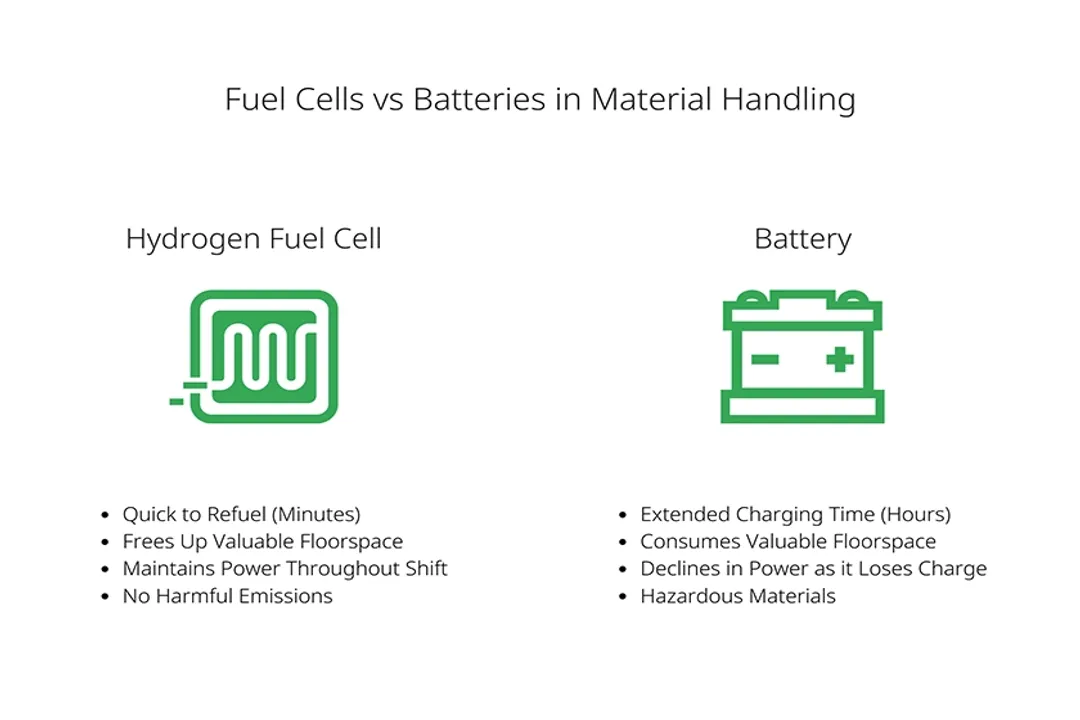
This difference between storage and conversion directly impacts operational runtime and downtime. Batteries are constrained by their stored energy capacity; once that charge is used up, the system is down until recharged. [2] The time required to recharge can vary widely based on the charger's power level, potentially requiring hours for large packs. [9]
Fuel cells, when supplied with fuel, can generate power indefinitely until the fuel tank is empty. [2] This means that once a hydrogen tank is full, the power output capacity is fixed until the next refueling event. For applications demanding very high utilization rates, this is a major advantage. For a large logistics company running multiple shifts across a warehouse floor, the five-minute refueling process for a hydrogen fuel cell system versus the multi-hour charging cycle for a large battery pack translates directly into significantly higher equipment availability and throughput potential, irrespective of the energy cost per mile. [9]
# Power Density Versus Energy Density
When comparing the two technologies for mobile applications, performance metrics often diverge based on whether the focus is on instantaneous power or total energy capacity. [5]
Power Density refers to how quickly energy can be delivered (the rate of discharge). In this category, batteries, especially modern lithium-ion chemistries, often hold an advantage, allowing for rapid acceleration or handling sudden high-load demands. [5]
Energy Density relates to how much total energy can be stored relative to the system's weight or volume. This is where the comparison gets nuanced. A battery pack designed for very long range must carry a very large and heavy collection of chemical reactants internally. [5] A fuel cell system, conversely, only needs to carry the fuel (e.g., hydrogen) in a storage tank. For heavy-duty vehicles or equipment requiring many hours of operation, the weight penalty of a massive battery pack often makes the fuel cell system—which carries the energy externally in a tank—more energy-dense overall for the required mission profile. [5]
This trade-off means batteries are often superior for shorter-range passenger electric vehicles where the required energy capacity is relatively modest. Fuel cells gain a competitive edge when the necessary range extends significantly, such as in long-haul trucking or marine applications. [5]

# Longevity Factors
The way these devices degrade and their expected lifespan are determined by different operational stresses. [1]
Battery longevity is typically quantified by cycle life—the number of full charge/discharge cycles the battery can endure before its capacity drops below an acceptable threshold. [1] The chemical stresses within the battery cell, particularly when frequently operating at very high or very low states of charge, contribute to this degradation. [1]
For a fuel cell stack, lifespan is usually measured in operating hours. [1] Degradation is often related to the cumulative stress from startups, shutdowns, and changes in operational load, which can affect the delicate components like the membrane or the catalyst layers. [1] While a fuel cell system has more complex auxiliary components—like humidifiers, compressors, and thermal management systems that can wear out—the core stack itself can often operate consistently for many thousands of hours if kept within defined operational envelopes. [7] It is interesting to observe that a fuel cell operating under a constant, steady load tends to experience slower degradation rates compared to the rapid cycling stresses that shorten the life of many rechargeable batteries. [1]
# System Complexity
The overall architecture of the power system is another distinguishing factor. [7] A battery system is relatively self-contained; it consists of the battery pack, a Battery Management System (BMS), and necessary cooling/heating systems. [7]
A fuel cell system is inherently more complex because it is an active power generator that interfaces with external inputs. [7] A typical fuel cell electric vehicle (FCEV) requires:
- A Fuel Storage System (e.g., high-pressure hydrogen tanks). [7]
- The Fuel Cell Stack itself, where the reaction occurs. [6]
- Gas Processing Systems, including humidifiers to keep the membrane hydrated and compressors/valves to manage gas flow. [7]
- A smaller Buffer Battery, often used to capture regenerative braking energy and provide immediate peak power boosts that the fuel cell stack might not deliver quickly enough. [5]
This added mechanical complexity means that fuel cell powertrains require more sophisticated maintenance for their auxiliary components compared to the primarily electronic management of a battery pack. [7]

# Application Suitability
The distinct characteristics of each technology naturally lead them toward different primary use cases. [5]
Batteries are currently the dominant solution for many consumer electronics and light-to-medium duty electric vehicles where daily range requirements are met by overnight charging capabilities. [5]
Fuel cells shine where long operating durations, rapid refueling, and minimal weight for the required energy are paramount. [9] This includes:
- Heavy-Duty Transport: Semi-trucks or buses that must cover hundreds of miles without stopping for an extended recharge. [5]
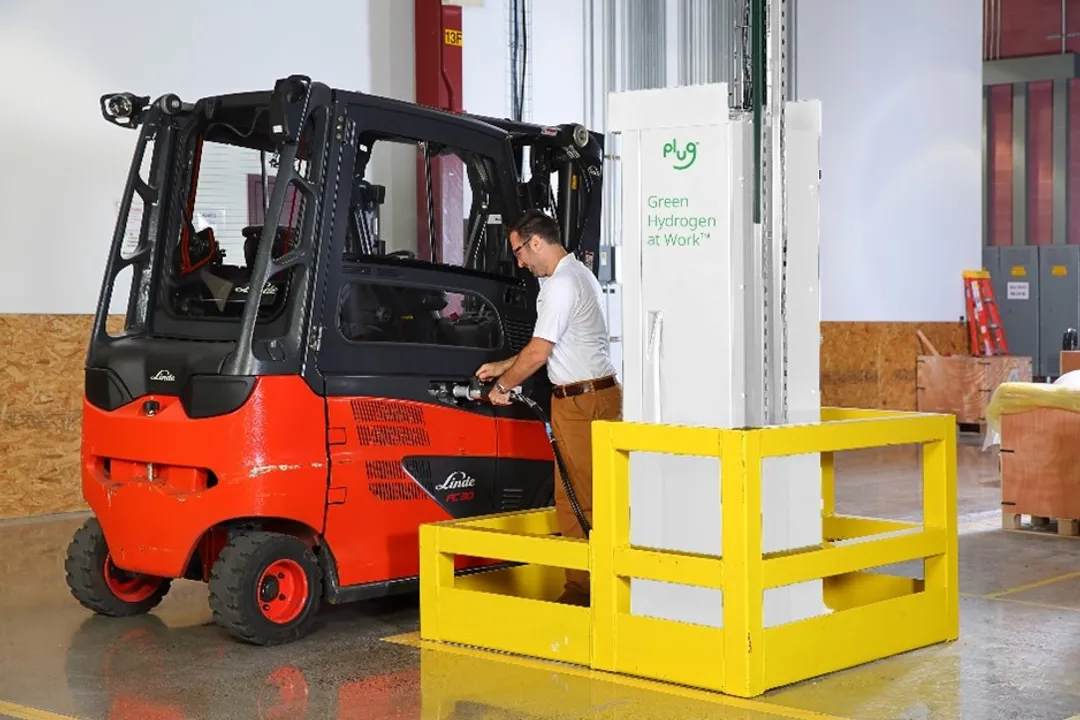
- Material Handling: Forklifts and tuggers in large distribution centers that operate nearly 24/7. Quick hydrogen swaps allow these fleets to maintain continuous operation schedules. [9]
- Stationary Power: Providing long-duration backup power for critical infrastructure, as the fuel supply can be stored for long periods and deployed on demand. [2]
Ultimately, the choice between a fuel cell and a battery is less about which technology is "better" universally, and more about matching the specific duty cycle—the required power profile, daily runtime, and refueling infrastructure available—to the inherent strengths of either an energy storage device or a continuous energy converter. [1][5]
#Videos
Fuel Cells vs Batteries: What's Powering the Future of Warehousing?
Related Questions
#Citations
Fuel cells vs. batteries: what's the difference? - Umicore
Fuel Cells vs. Batteries: What's the Difference? - POWER Magazine
What is Difference between Battery and Fuel Cells | YoCharge
20.7: Batteries and Fuel Cells - Chemistry LibreTexts
Batteries and Fuel Cells: Understanding differences and opportunities
Fuel cell - Wikipedia
Fuel Cells vs. Batteries: Key Differences Explained - NY Engineers
Fuel Cells vs Batteries: What's Powering the Future of Warehousing?
Fuel Cells vs. Batteries for Material Handling: Forklift Power, Activate!
Batteries, fuel cells, or engines? A probabilistic economic and ...