For heavy-duty vehicles requiring significant range, why might a fuel cell system offer better overall energy density than a massive battery pack?
Answer
The fuel cell system carries the energy externally in a tank, reducing the weight penalty associated with internal chemical reactants.
For long missions, a battery pack must carry heavy chemical reactants internally. A fuel cell system only carries the fuel externally, leading to better overall energy density for that specific, long-range mission profile.
#Videos
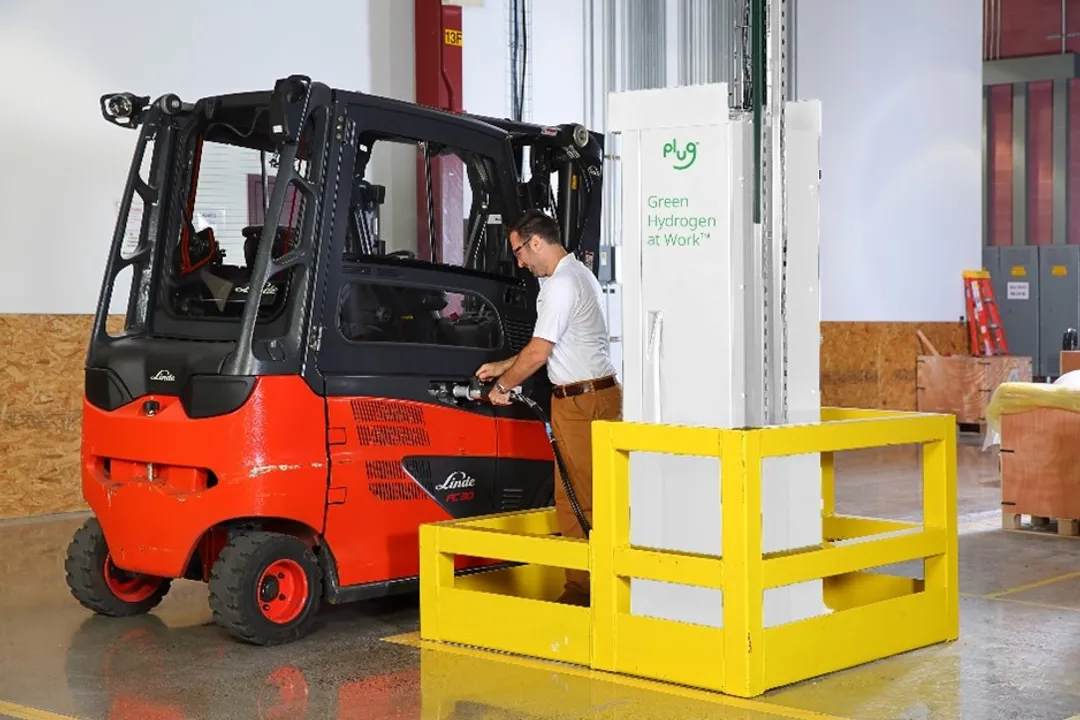
Fuel Cells vs Batteries: What's Powering the Future of Warehousing?
Related Questions
What is the fundamental operational distinction between batteries and fuel cells?What is required for a fuel cell to generate electricity continuously?How is the lifespan of a battery typically quantified?Which metric generally gives batteries an advantage in short-range electric vehicles?For heavy-duty vehicles requiring significant range, why might a fuel cell system offer better overall energy density than a massive battery pack?What is the primary difference in runtime mechanics between the two technologies?What is the typical byproduct that needs managing in a hydrogen fuel cell reaction?What components are necessary in a fuel cell system that are not primary parts of a simple battery system?Which application strongly favors fuel cell technology due to the need for continuous operation with minimal downtime?How does the chemical reaction within a battery differ from that of a fuel cell regarding system boundaries?