How do solar cells generate electricity?
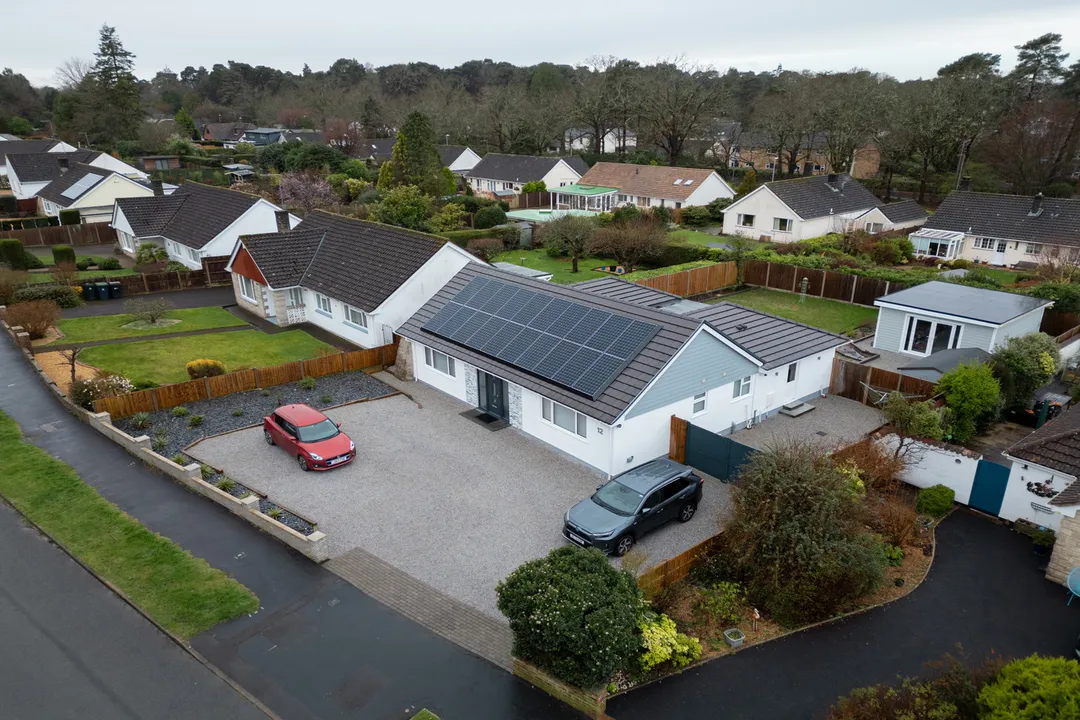
This is the foundational question for understanding one of the fastest-growing sources of modern power generation: how does light from the sun become the electricity running your home or charging your devices? It all begins with a fundamental physical process known as the photovoltaic effect. This is not a chemical reaction in the way a battery operates, which relies on stored chemical energy; instead, it is a direct conversion process occurring within specialized materials.
The entire mechanism hinges on the sun itself. Sunlight is composed of tiny packets of energy called photons. These photons travel across space and, upon reaching Earth, strike the surface of a solar panel. The amount of energy contained within any single photon is dependent on the specific wavelength of the solar spectrum it represents.
# Light Packets
When sunlight, which is essentially electromagnetic radiation, reaches a solar panel, three things can happen to the photons: they might reflect off the surface, pass straight through the cell, or, crucially, be absorbed by the material within the cell. Only the absorbed photons contribute energy toward creating an electrical current.
# Semiconductor Sandwich

The active component inside a solar panel is the photovoltaic (PV) cell, which is engineered specifically to capture this light energy. The heart of this cell is made from semiconductor material, with silicon being the overwhelming choice for commercial applications. A semiconductor is material that has electrical conductivity somewhere between that of a pure insulator and a full conductor like copper.
A functional PV cell is actually structured like a sandwich, consisting of two different layers of this semiconductor material, each treated, or doped, in a unique way during manufacturing. This specialized treatment gives the front and back surfaces of the cell distinct electronic properties. The goal of this precise layering is to establish an invisible, internal electrical field across the junction where the two layers meet. Without this designed asymmetry—this internal electric field—the freed electrons would simply wander randomly and recombine without producing a usable flow. It is this carefully constructed internal potential that directs the subsequent movement of charge carriers.

# Electron Excitation

Once a photon strikes the semiconductor material and is absorbed, its energy is transferred to the atom it hits. This infusion of energy is enough to dislodge electrons from their stable atomic positions, freeing them to move within the material.
The special manufacturing process mentioned earlier ensures that the front surface of the cell becomes more receptive to these newly freed, negatively charged electrons. Consequently, the energized electrons naturally migrate toward this front surface. This controlled movement is the key differentiator from materials where the energy would just dissipate as heat or light.
# Creating Voltage
The migration of these free electrons toward the front of the cell creates a significant imbalance of electrical charge between the cell's front side and its back side. Think of it like building up a pressure difference; this imbalance generates a voltage potential, which functions much like the positive and negative terminals on a conventional battery.
For this potential to become actual electricity, a path must be provided. Electrical conductors layered onto the cell absorb these free electrons. When these conductors are connected to an external load—whether it's a small calculator, a storage battery, or the power grid—the electrons are compelled to flow through that external circuit to neutralize the charge imbalance by returning to the other side of the cell. This directed flow of electrons through the external path is, by definition, electric current.
# DC To AC
It is important to note that the direct output from solar cells—the flow generated by the photovoltaic effect—is Direct Current (DC) electricity. DC is characterized by the current flowing in only one direction, which is perfect for charging batteries or running certain electronics directly.
However, the vast majority of the electrical infrastructure used by homes, businesses, and the public utility grid operates on Alternating Current (AC), where the direction of the current reverses many times per second. Therefore, for solar energy to power standard appliances or be sent across transmission lines, it must first pass through a device called an inverter, which performs the essential task of converting the DC output into usable AC electricity.
This conversion step, while often hidden from the casual user, is critical to grid compatibility. If we consider the overall system efficiency, the initial conversion within the cell is only part of the story; any energy lost or wasted during the DC to AC conversion directly reduces the usable power delivered to the home.
# Scale Up
A single PV cell, which might measure anywhere from one to several centimeters across, is physically small and typically generates a meager 1 or 2 Watts of power—enough for something small like a watch or a pocket calculator. To generate meaningful power, these building blocks must be organized.
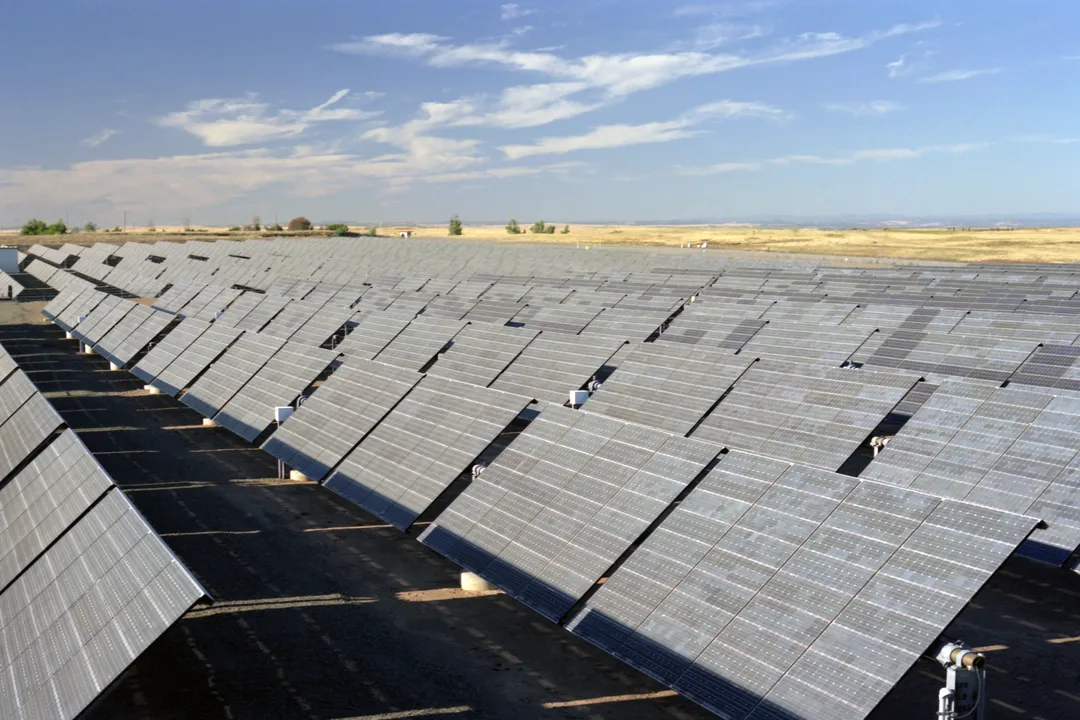
PV cells are electrically linked together in a protective, weather-tight package known as a PV panel or module. By increasing the number of cells or the surface area of the panel, the electricity-generating capacity increases. To achieve utility-scale power or provide energy for an entire property, multiple panels are connected together to form a PV array. The total amount of electricity generated by the system is determined by the combined capacity of all the panels linked in that array.
Historically, this technology has evolved from being used to power US space satellites starting in the late 1950s. The first practical silicon PV cell capable of running everyday equipment was developed in 1954 at Bell Labs. Today, arrays range from a few panels on a rooftop to massive solar farms stretching over many acres, all feeding energy into the system.
# Operational Factors
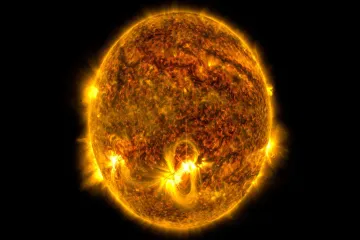
Solar power is considered a renewable and infinite resource because its source, the sun, is not projected to run out anytime soon, and its operation produces no harmful greenhouse gas emissions. However, the instantaneous output of a PV array is highly dependent on external conditions.
For maximum electricity generation, the panels must be positioned to receive direct, perpendicular sunlight. While some sophisticated arrays use tracking systems to follow the sun throughout the day—which is an expensive addition—most fixed residential and commercial installations are mounted at an angle optimized for economic performance, often facing south in the Northern Hemisphere.
The actual energy harvested is significantly affected by the local climate; factors like clouds or fog reduce the solar energy received and, consequently, the power generated. Nevertheless, solar power can still produce electricity on a cloudy day, as it only requires some level of daylight.
Interestingly, while efficiency rates were historically low, commercial PV panel efficiency has risen significantly—from under 10% in the mid-1980s to around 15% by 2015, and now approaching 25% for state-of-the-art modules. This steady increase means that newer installations can produce substantially more electricity from the same roof area compared to older ones. If you are assessing an older property that was upgraded years ago, understanding that a replacement panel today could harvest 40% to 60% more power than one from 2005, even if they look identical, can influence decisions on future expansion or replacement.
Solar technologies offer the unique benefit of supplying power where traditional electrical distribution lines simply do not exist, making them invaluable for remote or off-grid applications. When integrated with the main grid, excess energy can often be fed back in a process sometimes referred to as net metering, allowing the system to offset costs when generation exceeds immediate use.
#Videos
Generate Electricity - How Solar Panels Work! - YouTube
Related Questions
#Citations
Solar Explained: Photovoltaics and Electricity - EIA
How does solar power work? | National Grid
How Does Solar Work? | Department of Energy
Generate Electricity - How Solar Panels Work! - YouTube
Eli5, How the hell do solar panels work? : r/explainlikeimfive - Reddit
How Do Solar Panels Produce Energy? - Boston Solar
How a PV Cell Works - Knowledge Bank - Solar Schools
How do solar panels work? | Good Energy
How do photovoltaic cells generate electricity - LEDVANCE