How do mutations generate diversity?
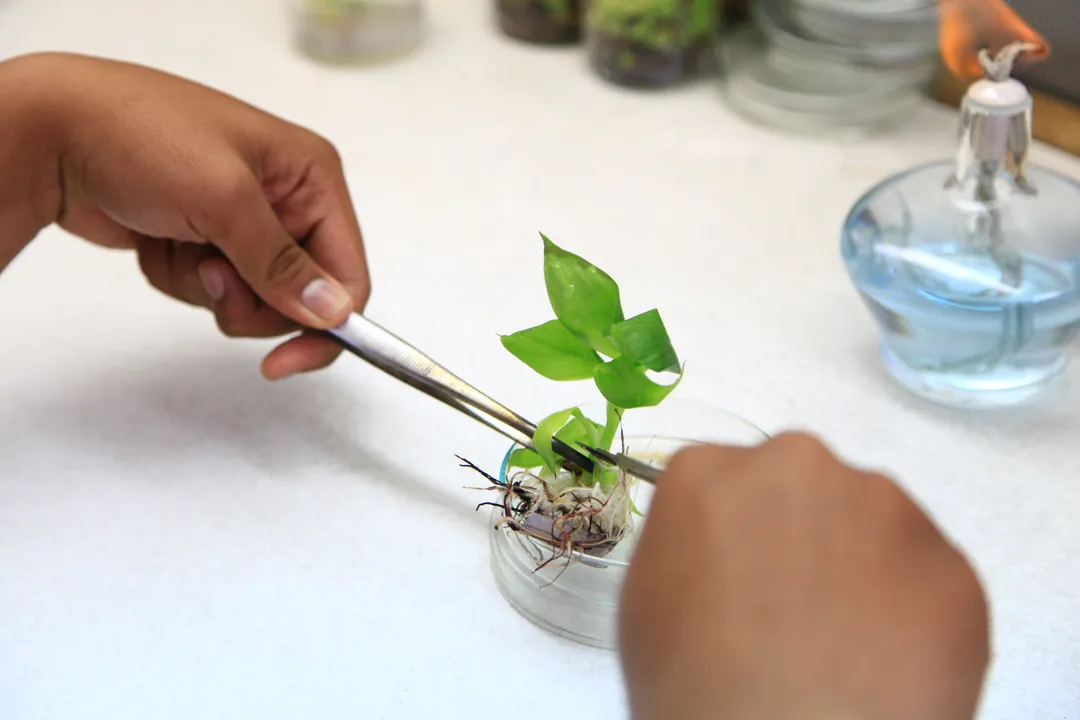
The origin of every unique trait, every difference between one organism and another, traces back to a fundamental process occurring deep within the cellular machinery: mutation. This change in the genetic material, the sequence of DNA, serves as the singular, indispensable source of all new heritable variation upon which the entire process of evolution runs. [1][2][7] Without this constant, random alteration of the blueprint, populations would quickly exhaust their existing genetic options, unable to respond effectively to shifting environmental pressures. [1]
# Genetic Change

A mutation is simply an alteration in the nucleotide sequence of the genome of an organism, virus, or extrachromosomal DNA or RNA. [1] These changes are not goal-oriented; they occur randomly during DNA replication or due to external factors like radiation or certain chemicals. [2] When the genetic code is copied, errors can creep in. If these errors are not repaired correctly by the cell's systems, they become fixed in the DNA, ready to be passed down to the next generation if the cell is part of the germline. [1][7]
The resulting change in the genetic code can manifest in various ways, from the substitution of a single base pair to the large-scale rearrangement or duplication of entire chromosome segments. [1][5] This inherent randomness is what gives mutation its power as a generating force; it explores possibilities without regard for immediate benefit or harm. [2]
# Allele Creation
The direct product of a successful mutation in a population is the creation of a new allele. [6] Alleles are the different forms of a gene, and the total collection of alleles across all genes within a population defines its genetic diversity. [6]
When a new mutation arises in an individual, it represents a brand-new piece of potential information for the species. For this new allele to actually increase the diversity of the population, however, it must persist. If the mutation is detrimental, natural selection might quickly weed it out before it can spread. [7] If it is neutral, its fate becomes largely determined by chance events—genetic drift—which might cause it to disappear or, occasionally, become fixed in the population. [6] The diversity level isn't just about the rate of mutation, but the complex interplay between that rate and the subsequent pressures that determine which of these random changes are actually retained across generations. [2] A high mutation rate increases the raw supply, but environmental selection and population history dictate the actual stock of diversity available at any given moment.
# Mutation Types
Mutations are typically categorized by the scale of the change they induce in the DNA. [1]
# Small Scale
The smallest alterations are known as point mutations, which involve just one or a few base pairs. [1] These include:
- Substitution: One nucleotide base is swapped for another. This might result in a codon that codes for the same amino acid (a silent or synonymous mutation), or it might change the amino acid entirely (a missense mutation), or it might create a premature stop signal (a nonsense mutation). [1]
- Insertion or Deletion (Indel): One or more nucleotide pairs are added to or removed from the DNA sequence. [1] If this occurs in a region that codes for protein and it is not divisible by three, it causes a frameshift, which drastically alters every subsequent amino acid in the chain, often rendering the resulting protein non-functional. [1]
# Large Scale
More dramatic changes involve larger sections of the genome. [5] These structural variations, such as inversions (flipping a segment), translocations (moving a segment to a new location), or duplications (copying a segment), often have much larger phenotypic consequences than simple point mutations. [5] Gene or even whole genome duplication is particularly important for the evolution of complex body plans because it creates redundant genetic material upon which evolution can experiment without jeopardizing the function of the original, necessary genes. [3]
# Selection Filters
Once a mutation occurs, the environment acts as a sieve, determining whether that new allele contributes to long-term diversity. [2] The impact of a mutation on the organism dictates its fate:
- Harmful Mutations: Most mutations that affect function tend to be detrimental or harmful. In humans, mutations are responsible for many genetic disorders. [7] Natural selection often acts strongly to remove these deleterious alleles from the gene pool. [1]
- Neutral Mutations: Many changes have no discernible effect on the organism's fitness. These mutations are neither helped nor harmed by selection, and their prevalence in the population is governed almost entirely by random genetic drift. [1]
- Beneficial Mutations: These are relatively rare occurrences where the new allele provides an advantage in the current environment, increasing the organism's chance of survival and reproduction. [1] These are the raw material that drives adaptive evolution. [2]
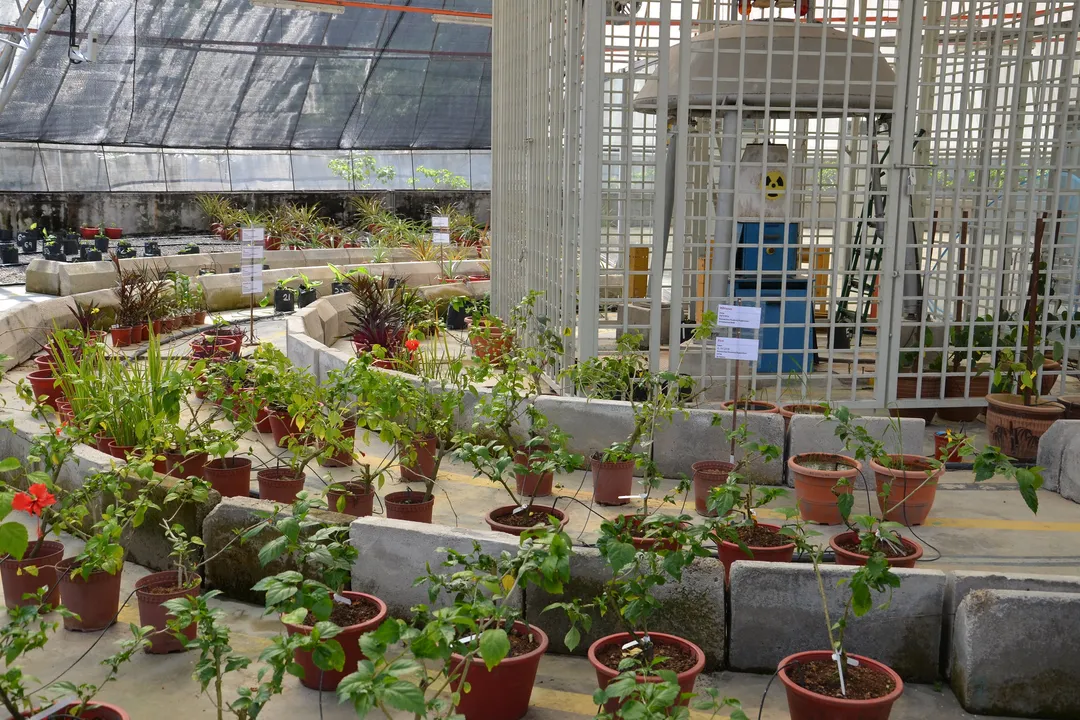
A fascinating application of this principle involves agriculture. Scientists deliberately induce high rates of mutation using physical or chemical agents—a process known as mutation breeding—to create novel variation in crops. This accelerated generation of random traits allows breeders to find beneficial changes (like disease resistance or higher yield) much faster than waiting for natural mutations to arise. [9]

# Novelty Generation
The sustained generation of biological novelty—the evolution of entirely new structures or biochemical pathways—requires more than just slight tweaks to existing genes. While simple substitutions can fine-tune an existing function, the emergence of truly new information often necessitates larger genomic reorganization. [3]
The duplication of an entire gene or gene region is a key mechanism here. [5] If an organism acquires an extra copy of a gene, one copy can maintain the essential, necessary function while the redundant copy is free from the strong purifying selection that acts on essential genes. This "spare" gene copy can then accumulate random mutations over many generations until it evolves a completely new function, perhaps responding to a new environmental cue or participating in a new protein interaction. [3] This pathway is critical for understanding how complex bilaterian life developed new body parts or biochemical processes—it's the mechanism for adding functional novelty to the genome's library rather than just repainting the existing volumes. [5]
If we map this onto population genetics, imagine a gene pool as a finite set of tools. Sexual reproduction shuffles the existing tools well, creating new combinations of existing abilities. Mutation, however, is the only process that forges an entirely new tool, perhaps a specialized screwdriver when the population previously only had hammers and wrenches. This continuous supply of novel blueprints, even if most are discarded, ensures the long-term adaptability of life. [6] The genetic diversity generated by mutation is thus the essential substrate, the wellspring from which adaptation is drawn. [1]
Related Questions
#Citations
Genetic Mutation | Learn Science at Scitable - Nature
What Is Genetic Diversity and Why Does it Matter?
Mutations and “new” information? How do we have evolutionary ...
Spontaneous mutations and the origin and maintenance of ... - NIH
How exactly do mutations cause genetic variation in bilaterians?
How do mutations affect genetic diversity in a population? - Quizlet
How are gene variants involved in evolution?: MedlinePlus Genetics
19.2C: Gene Flow and Mutation - Biology LibreTexts
What is Mutation Breeding? - International Atomic Energy Agency