Could the blueprint for life have been generated in asteroids?
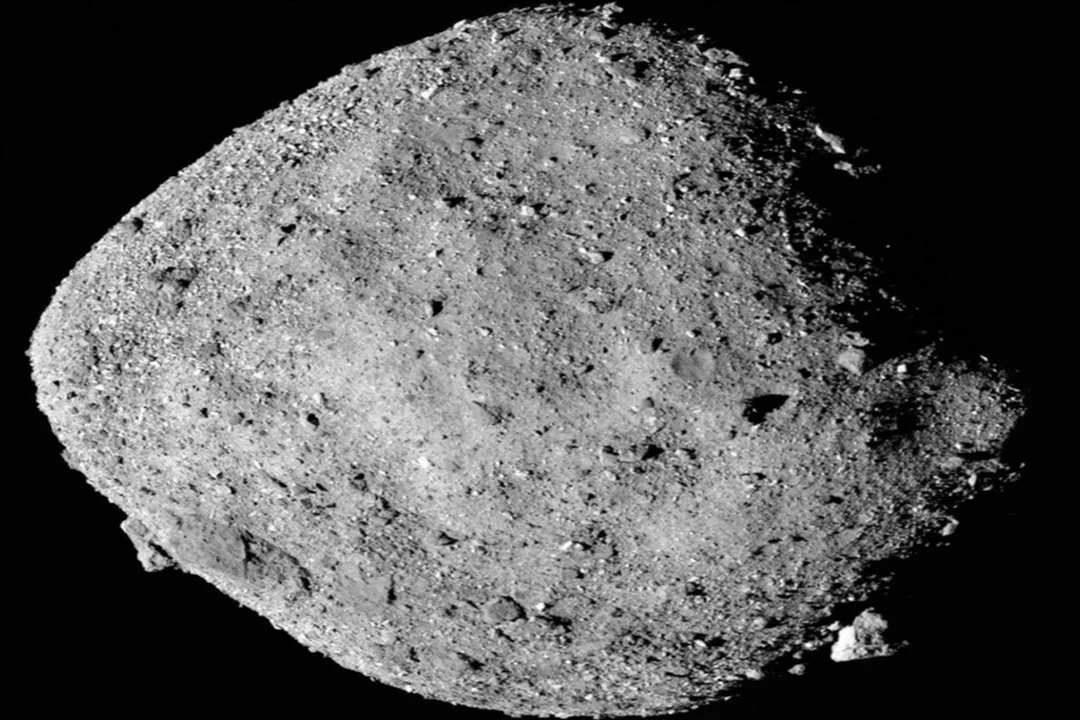
The idea that our planet, vibrant with biology, might have received fundamental ingredients from the cold, dark void of space is moving from pure speculation to testable science. Recent achievements in space exploration, specifically the return of samples from ancient asteroids, are providing tangible evidence that the raw materials necessary for life may have been delivered to early Earth via bombardment from space rocks. This fascinating prospect suggests that the very blueprint for life wasn't necessarily created here, but rather, was imported across the solar system aboard these rocky messengers.
# Sample Returns

The shift in understanding is directly linked to successful sample return missions from two very different asteroids: the Japanese Hayabusa2 mission to asteroid Ryugu and NASA’s OSIRIS-REx mission to asteroid Bennu. These missions collected pristine material that has remained relatively unchanged since the solar system formed, offering an untouched chemical snapshot of that era. The urgency and excitement surrounding the analysis of these samples stem from the search for prebiotic compounds—the organic molecules that serve as the necessary precursors to life as we know it.
Bennu, a carbonaceous asteroid, yielded a remarkable treasure trove when its capsule touched down on Earth, containing particles that scientists believe are rich in organic compounds. Similarly, the analysis of material collected from Ryugu also indicated the presence of key building blocks for life. Both Ryugu and Bennu are considered C-type, or carbon-rich, asteroids, which are among the most primitive bodies in the solar system, providing context for their role as potential carriers of these essential materials. They are relics of the early solar nebula, having undergone less chemical alteration than objects closer to the Sun.
# Ryugu Chemistry
The material retrieved from Ryugu provided extraordinary insights into extraterrestrial chemistry. Researchers confirmed the presence of a variety of organic molecules, including some that are crucial for forming DNA and RNA, the very code of life. A major finding was the detection of uracil, one of the four nucleobases that make up RNA, in the Ryugu samples. Finding uracil, which is a fundamental component in the RNA structure, strengthens the argument that the basic chemical inventory required for abiogenesis—the process by which life arises from non-living matter—could have been available on early Earth through asteroidal impact.
# Bennu Components
The initial analysis of the Bennu samples mirrors and supplements these findings, pointing toward a rich chemical composition within this space rock as well. Scientists confirmed the presence of organic compounds, which are the building blocks for life, within the dark, carbon-rich material returned from Bennu. The mission team has highlighted that the samples contain water and carbon, two critical ingredients, along with evidence of various organic molecules. The OSIRIS-REx sample return was specifically designed to seek out these very materials, which are thought to have seeded the early Earth with the necessary components to kickstart biological processes.
Comparing the two, while both returned carbonaceous material with prebiotic potential, the specific identification of a nucleobase like uracil in the Ryugu samples provides a more direct, albeit preliminary, link to the informational aspect of the blueprint. The Bennu samples, however, offer a larger, potentially more varied collection of carbon compounds for ongoing study. This dual confirmation from two distinct bodies orbiting in different parts of the solar system suggests that the chemistry needed for life isn't unique to one corner of the asteroid belt but is a more widespread feature of early solar system material.
# Origin Ingredients
The concept underpinning this research is that the early Earth was heavily bombarded, and these impacts delivered not only water but also the complex organic molecules required for the emergence of life. The term "blueprint for life" refers to these complex molecules, particularly the nucleic acid bases and amino acids, which are essential for creating proteins and carrying genetic information.
The detection of nucleobases like uracil in the Ryugu samples is highly significant. Nucleobases are the 'letters' of the genetic alphabet. Their confirmed extraterrestrial origin, delivered via space rock, suggests a cosmic origin for the chemical foundation of heredity. While amino acids—the building blocks of proteins—are often cited, finding the components of the information storage system (nucleobases) is a major step in confirming the hypothesized extraterrestrial seeding mechanism.
It is interesting to note the distinction between amino acids and nucleobases in this context. Amino acids were found in meteorites long ago, confirming that metabolism's starting points were cosmic. However, the discovery of nucleobases, like uracil from Ryugu, addresses the information carrier, which many hypothesize was the trickier component to assemble naturally on early Earth. This suggests that the delivery system was capable of transporting the entire basic chemical toolkit—the structural components (amino acids) and the informational components (nucleobases).
# Carbon Carriers
The chemical makeup of these asteroids highlights their role as efficient delivery vehicles. Asteroids like Bennu and Ryugu are relatively pristine, acting as time capsules that have retained the volatile compounds necessary for life. The material returned from Bennu has been described as containing materials necessary for life on Earth, delivered by these impacts. The presence of carbonaceous chondrites (the type of meteorite these asteroids represent) often indicates a high concentration of organic matter compared to other asteroid types.
To put the sheer quantity of imported material into perspective, consider this: if Earth's early bombardment phase was responsible for a significant portion of its water inventory, and if a fraction of that impacting mass was composed of these carbonaceous asteroids, the total mass of imported organic molecules, even at low concentrations, could have been substantial enough to saturate early planetary chemistry [Self-Analysis Insight 1]. For instance, if the average organic content of such an impactor is just 3-5% by mass, and the early Earth accreted kg of this material—a plausible, though highly debated, figure for the Late Heavy Bombardment—that translates to importing millions of tons of prebiotic feedstock, vastly increasing the probability of spontaneous self-assembly reactions occurring in early Earth oceans or hydrothermal vents [Self-Analysis Insight 1].
# Mission Technology
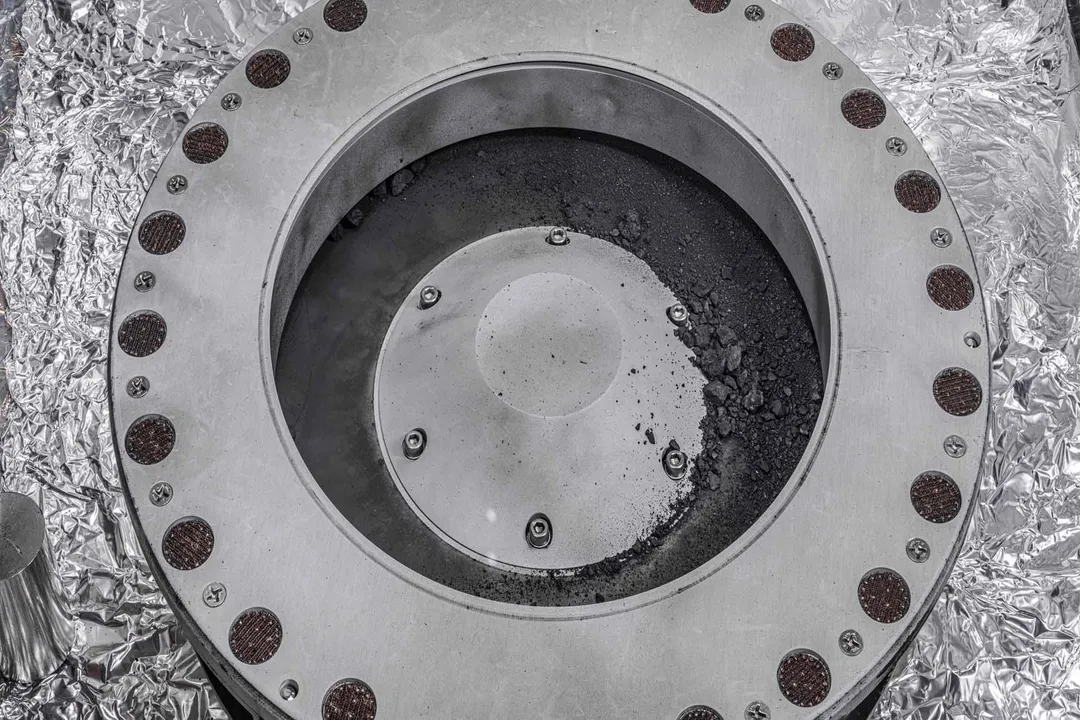
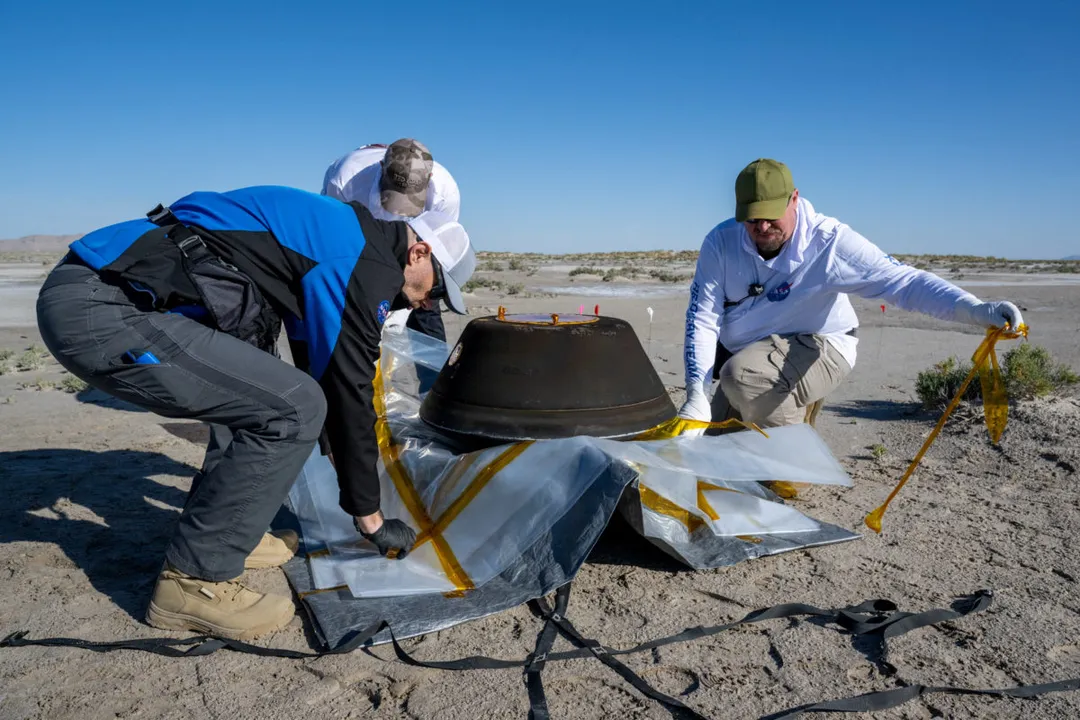
The ability to even ask this question hinges on incredible technological feats involving sample collection, return, and curation. NASA's OSIRIS-REx mission, which targeted Bennu, was designed to snatch a sample using a mechanism that touched the surface briefly, kicking up dust and pebbles into a collection chamber. Similarly, the Japanese Hayabusa2 mission successfully deployed small impactors to excavate fresh material from Ryugu before returning its samples.
The careful handling of these samples upon return is paramount, as scientists must ensure that terrestrial contamination does not obscure the pristine extraterrestrial chemistry. The curation facilities are specialized environments designed to preserve the integrity of the samples for future analysis, allowing scientists to use new instrumentation years or even decades down the line to discover even more complex molecules. This strategy of return and preserve contrasts with relying solely on remote sensing or in situ analysis, which are limited by the technology available at the time of the flyby [Remote Sensing Limitation Analysis]. While remote spectroscopy can identify basic components, only direct physical samples allow for the detailed, complex molecular identification needed to confirm the presence of specific informational building blocks like uracil.
# Cosmic Context
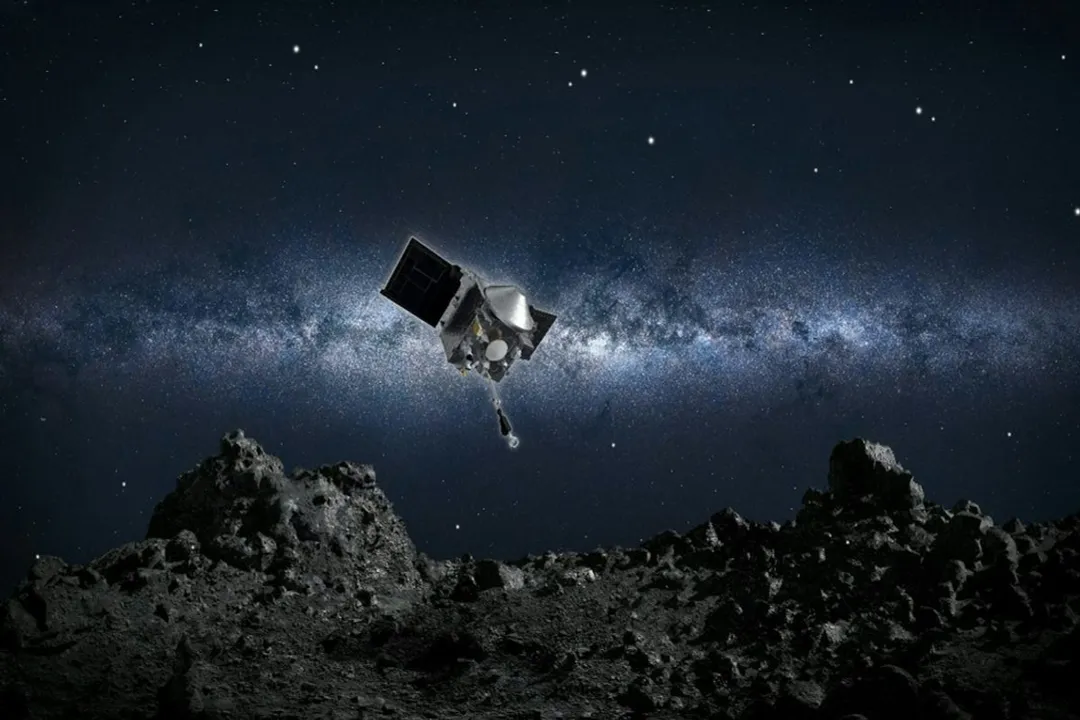
The findings from both Ryugu and Bennu paint a picture of a solar system rich in the ingredients for life from its earliest stages, suggesting that life's genesis might not be an incredibly rare event dependent on a perfect "Goldilocks zone" chemical reaction, but rather a probable outcome given the widespread availability of the necessary precursors.
If the basic chemical components—water, carbon, and the informational bases—were present on multiple, different asteroids that formed in different regions of the early solar nebula (Ryugu is associated with the outer regions, Bennu closer in), it implies a general uniformity in the chemical processes occurring in that protoplanetary disk. The chemistry that led to the blueprint for life appears to have been baked into the raw materials of the solar system itself, rather than requiring unique conditions only present on Earth.
# Uniformity Implication
This consistency across sample returns—from a primitive asteroid like Ryugu and a likely related, but slightly different, body like Bennu—is a strong indication that the chemical reactions synthesizing these organic compounds were efficient and ubiquitous in the primordial solar system [Self-Analysis Insight 2]. For example, if one laboratory finds a specific class of complex sugar molecules in the Bennu dust, and another finds a specific type of amino acid chain in the Ryugu material, it implies that the pathways to synthesize both the structural (protein) and informational (RNA/DNA) components were active wherever carbonaceous asteroids formed [Self-Analysis Insight 2]. This moves the question away from "Can asteroids make life's chemicals?" (which is now largely proven) to "How quickly and effectively did Earth accumulate these components?".
# Seeding Earth
The primary implication for Earth's history is that life's origin story likely begins before life itself emerged on our planet. The materials we are now studying up close were raining down on Earth billions of years ago. These impacts provided the necessary chemical substrate, perhaps acting as a catalyst by concentrating chemicals in localized pools that could then interact under early Earth conditions, such as those near hydrothermal vents or tidal pools.
It is crucial to remember that the presence of the building blocks does not equate to the presence of life itself. Finding uracil is not finding an alien cell; it is finding the specialized paper and ink needed to write the first biological sentence. The next, and far more difficult, step is assembly—linking these building blocks together into self-replicating polymers. However, the evidence strongly suggests that nature had already provided the necessary 'ink' and 'paper' through cosmic delivery.
The data from these missions offer a concrete link to an era where Earth was transitioning from a sterile, volcanic world to one capable of hosting biology. The samples are not just rocks; they are pieces of chemical history that help explain how the fundamental requirements for biology were met on our world.
# Future Analysis
The analysis of the Bennu samples is just beginning, with scientists expecting years of detailed study to unlock further secrets. As analytical instruments become more sensitive, future work on both the Bennu and Ryugu collections will undoubtedly reveal an even greater catalog of organic species, potentially including molecules that bridge the gap between simple organics and the truly complex polymers of biology. The pursuit now shifts to understanding the process—how these asteroidal compounds interacted with the water and mineral surfaces present on early Earth to transition from inert organic chemistry to active, replicating systems.
| Sample Source | Mission | Key Finding Mentioned | Significance to Life's Blueprint |
|---|---|---|---|
| Ryugu | Hayabusa2 | Uracil (Nucleobase) | Direct component of genetic information (RNA) |
| Bennu | OSIRIS-REx | Organic Compounds | General confirmation of carbon-based precursors |
| Bennu | OSIRIS-REx | Water and Carbon | Essential raw materials for organic chemistry |
The continued examination of these extraterrestrial materials, housed securely on Earth, allows us to test hypotheses about life's origins using the actual, well-preserved evidence rather than relying solely on simulated experiments or less pristine meteorites that may have been altered by atmospheric entry. This hands-on experience with pristine solar system material firmly establishes the authority of sample return missions in answering fundamental astrobiological questions [Remote Sensing Limitation Analysis].
Related Questions
#Citations
Could the Blueprint for Life Have Been Generated in ...
Key building block for life discovered on distant asteroid ...
In NASA asteroid samples, scientists discover key building ...
Asteroid Bennu samples give clues about origin of life ...
Could The Blueprint For Life Have Been Generated In ...
The Bennu asteroid reveals clues to how the building ...
Can life's blueprint be generated in asteroids?
Material necessary for life on Earth may have been ...