Why do viruses require host cells to replicate?
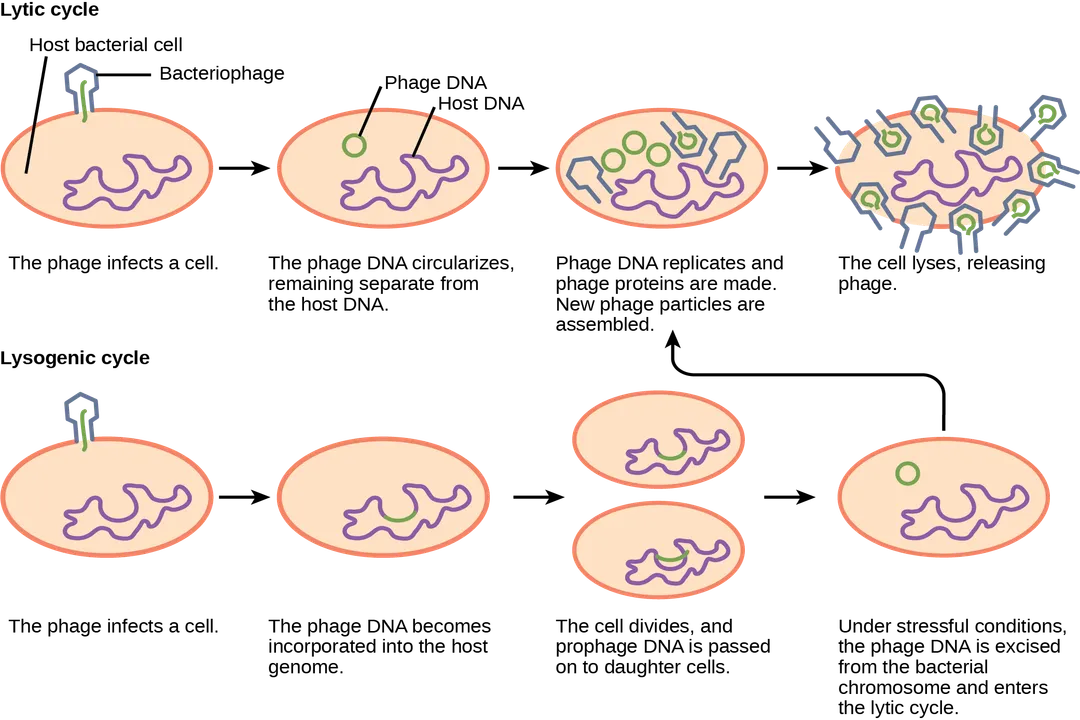
Viruses exist in a biological gray area, often described as self-replicating biological units that must reproduce within specific host cells. [5] They are essentially packets of genetic instructions, possessing no independent means to carry out the basic functions we associate with life, such as metabolism or self-sustained energy generation. [3][6] This absolute reliance on a host cell is not merely a preference; it is a fundamental requirement dictated by their minimal structure and inherent biochemical poverty. [2]
# Basic Structure
A virus particle, known as a virion, is remarkably streamlined compared to a bacterium or a eukaryotic cell. Structurally, it generally consists only of genetic material—either DNA or RNA—encased within a protective protein shell called a capsid. Some viruses also carry an outer lipid membrane called an envelope, derived from the host cell during budding. What is conspicuously absent are the complex internal components necessary for cellular life: the virus has no cell membrane, no cytoplasm, and most critically, no ribosomes. [2][6]
This simplicity is the root of their dependency. While a living cell is equipped with the necessary internal factories and energy supplies to grow, divide, and maintain homeostasis, a virion is inert when outside a suitable host. [3] It must wait for the right opportunity to deliver its payload into an environment where all the necessary construction materials and machinery are readily available. [6]
# Metabolic Needs
The inability of a virus to sustain itself metabolically is a key factor driving its parasitic nature. [2] Life, as we typically define it, requires the constant acquisition and conversion of energy, usually through processes like glycolysis or cellular respiration to produce adenosine triphosphate (). [6] Viruses cannot perform these tasks. [2] They lack the entire enzymatic pathway required for generating cellular energy. [6]
In addition to energy, the construction of new viral particles—which involves synthesizing vast numbers of proteins and replicating nucleic acids—demands a constant supply of basic building blocks: amino acids, nucleotides, and lipids. [2] A functioning cell maintains pools of these raw materials through active metabolic processes. A virus, being metabolically dormant, must instead co-opt the cell's existing stockpiles and the energy those cells generate. [2] When a cell becomes infected, the viral lifecycle essentially places a massive, non-negotiable demand on the host's stored resources, often leading to the cell's eventual exhaustion or lysis. [10]

# Cellular Toolkit
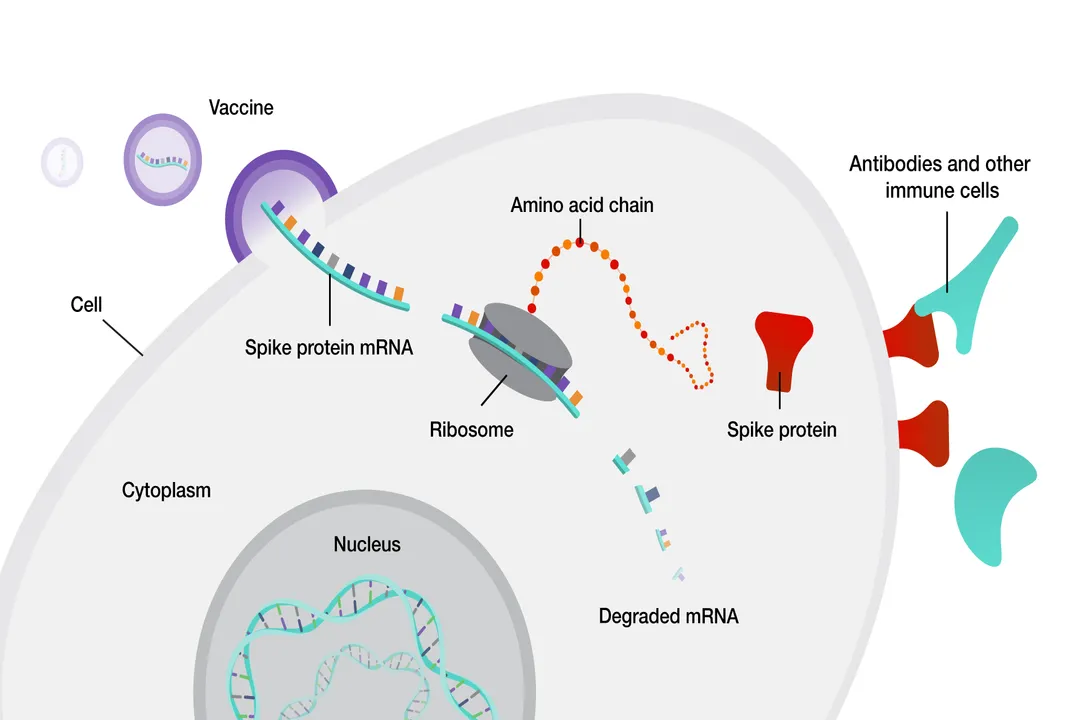
The most significant piece of equipment a virus pirouettes from its host is the ribosome. [2] Ribosomes are the molecular machines responsible for translating messenger RNA () into functional proteins—the workhorses of any cell. [2] A virus's genome, whether it is RNA or DNA, contains the genetic blueprints for new viral proteins (like capsids or enzymes needed for replication). [10] However, this blueprint is useless unless there is a factory to read it and assemble the resulting chain of amino acids. [2]
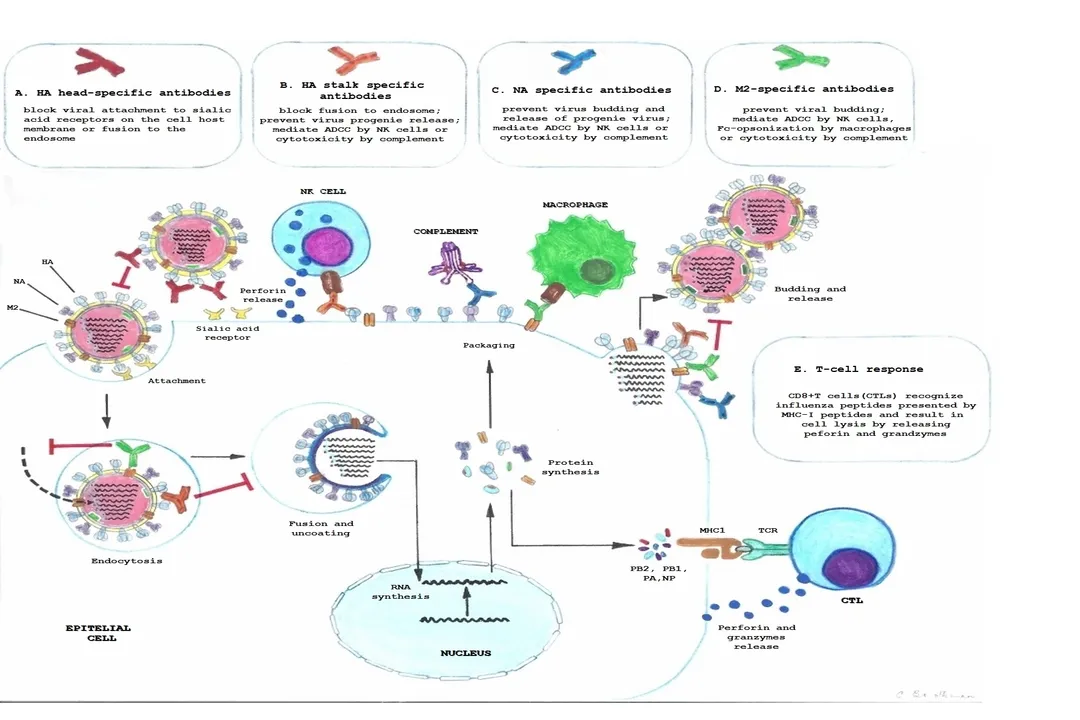
Once inside the host cell, the viral nucleic acid must gain access to the host's transcription and translation machinery. [10] For instance, an RNA virus might immediately begin using the host’s ribosomes to manufacture its own protein components. [2] Even when viruses carry some of their own specialized enzymes, such as a reverse transcriptase or a polymerase, these are usually only designed to handle viral nucleic acids; they still rely on the host cell to supply the energy () and the basic building blocks ( or ) that the viral enzymes act upon. [10] The entire process of assembling a new, infectious virion relies on the host cell's capacity for complex molecular synthesis and organization. [10]
# Infection Sequence
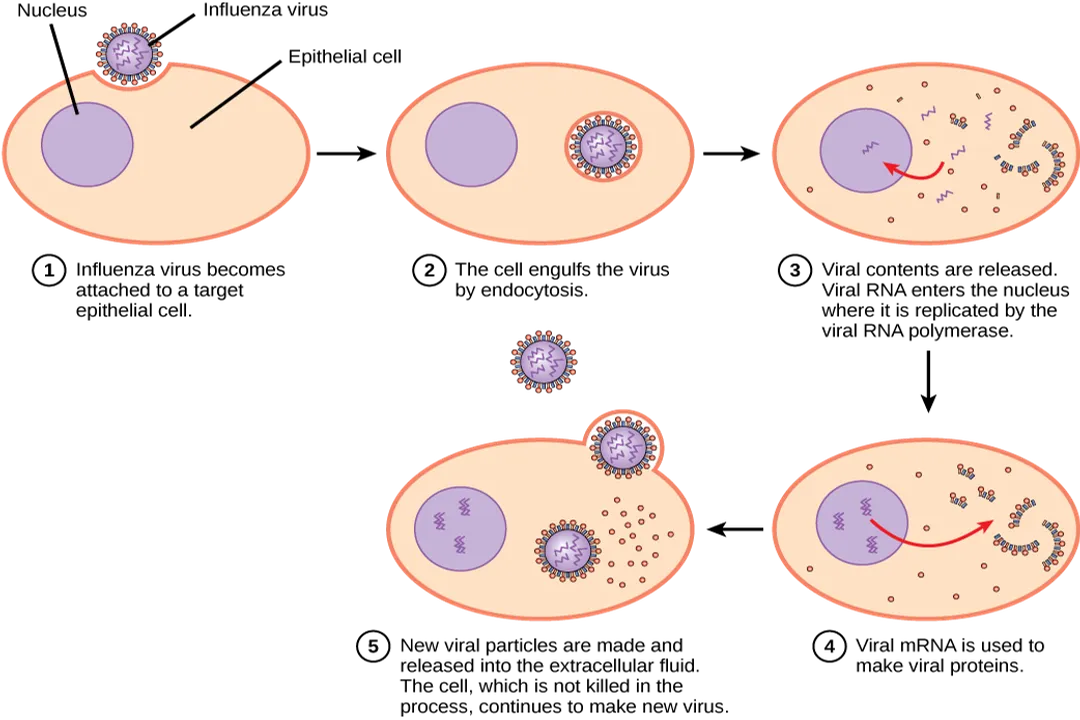
The requirement for host cell machinery dictates the stepwise nature of viral infection, often referred to as the viral life cycle. This sequence invariably starts with the virus locating and binding to a specific receptor on the host cell surface. [10]
- Attachment and Entry: The virus physically docks with the cell membrane, often using specific surface proteins that match host receptors. [10] This interaction is highly specific, explaining why a virus that targets human lung cells usually cannot infect a plant cell. [6] After attachment, the virus or its genetic material enters the cytoplasm. [10]
- Uncoating: The viral capsid is degraded or disassembled, releasing the core genetic material into the host cell's interior. [10]
- Replication and Synthesis: This is the core dependency phase. The viral genome commandeers the host's machinery. DNA viruses often migrate to the nucleus to access host polymerases, whereas RNA viruses typically replicate in the cytoplasm. [10] New viral genomes and viral proteins are synthesized using host resources.
- Assembly: The newly synthesized viral components—the genetic material and the protein subunits—spontaneously or with the help of host chaperones assemble into new, complete virions.
- Release: The newly formed viruses exit the cell, either by budding through the membrane (often acquiring an envelope) or by lysing (bursting) the cell entirely, which releases them to infect neighboring cells. [10]
The efficiency of this cycle depends entirely on how successfully the virus can commandeer or mimic the host’s existing processes. The host cell is fundamentally reprogrammed to prioritize viral replication over its own housekeeping duties. [1]

# Origins Question
The intense dependency viruses exhibit today reflects an ancient evolutionary relationship with cellular life. [4] While the exact origin remains a subject of scientific debate, current theories center on three main hypotheses: the "escape hypothesis," suggesting viruses arose from fragments of cellular nucleic acids that gained the ability to move independently; the "regressive hypothesis," positing that viruses evolved from formerly free-living cells that shed most of their machinery to become obligate parasites; or the "co-evolution hypothesis," suggesting viruses evolved alongside cells. [4] No matter which path was taken, the result is clear: the specialized nature of viruses is tied to the specialization of cellular life itself. [4] If cellular life had evolved differently—perhaps developing different methods for genetic expression—viruses would have evolved differently to exploit those pathways.
# Viral Strategy
This mandatory reliance on the host cell is not a weakness, but rather a highly successful, energy-saving strategy. [3] Why would a virus spend the evolutionary capital to develop its own machinery for synthesis or a full set of metabolic enzymes if it can simply exploit an already functioning, highly optimized factory? It is an evolutionary trade-off: simplicity in structure in exchange for absolute reliance on a host environment. [5]
When considering the implications for medicine, this dependency offers a critical avenue for treatment. Antiviral therapeutics often focus on disrupting the interface between the virus and the host machinery. [1] For example, drugs might be designed to block the initial attachment to the host receptor, or they might target a specific viral enzyme that is absolutely essential for replication, such as a viral protease needed to cleave large precursor proteins into functional units. [1] The challenge here is distinguishing between the viral need and the host need. If an antiviral drug inhibits a process that the host cell also needs for its own survival, the resulting side effects in the patient can be severe. [1] Therefore, the most elegant antiviral targets are those functions that the virus exclusively borrows or those viral proteins that are structurally unique enough not to interfere with the host’s native counterparts, while still being synthesized by the host’s machinery. [1] This concept—that the viral factory is entirely reliant on the host’s assembly line—is what keeps virology research focused on cell biology. [2]
#Videos
How Do Viruses Reproduce? - YouTube
Related Questions
#Citations
Virus Replication - PMC - PubMed Central
Virus replication | British Society for Immunology
If viruses are not alive why do viruses need to spread their genetic ...
Origin of Viruses | Learn Science at Scitable - Nature
Self Replicating Biological Units That Must Reproduce Within ...
Virus Infections and Hosts | OpenStax Biology 2e - Lumen Learning
Genomics and Virology
How Do Viruses Reproduce? - YouTube
What is a Virus? What are Viruses made up of - ISRRT e-Learning
How does Viral Replication Work? - News-Medical.Net