What is required for a fuel to burn?
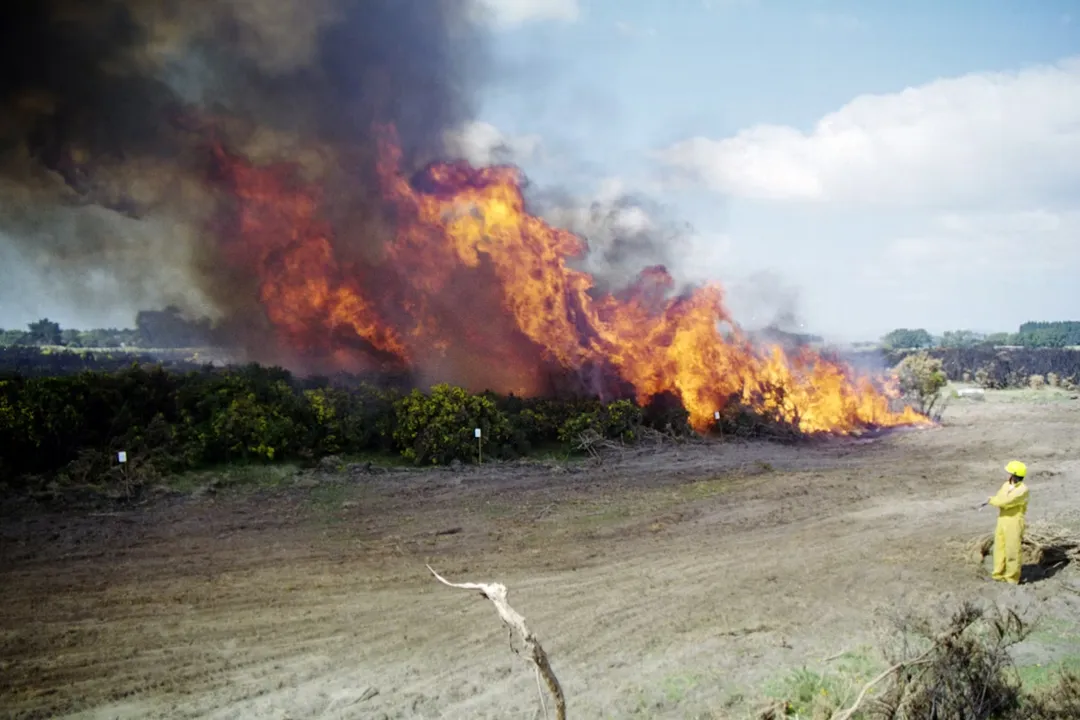
The process by which a substance bursts into flame, releasing heat and light, is not random; it is a carefully balanced chemical event that demands the presence of several specific ingredients simultaneously. [5] For any fuel to successfully burn—whether it is a piece of wood, a gallon of gasoline, or natural gas—three critical components must converge at the right time and in the right proportions. [3][2] If even one of these necessary elements is absent or removed, the process halts immediately. [9] This fundamental requirement is often visualized as the Fire Triangle, a concept that provides immediate clarity on what is required for ignition and sustained burning. [2][9]
# The Triangle Elements
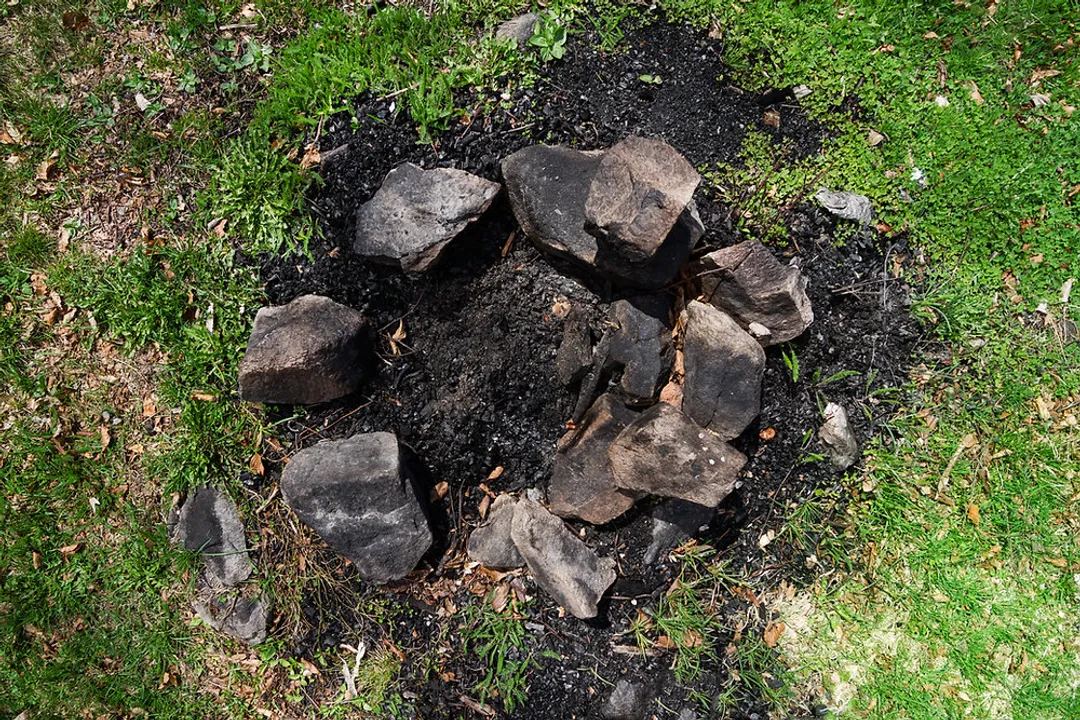
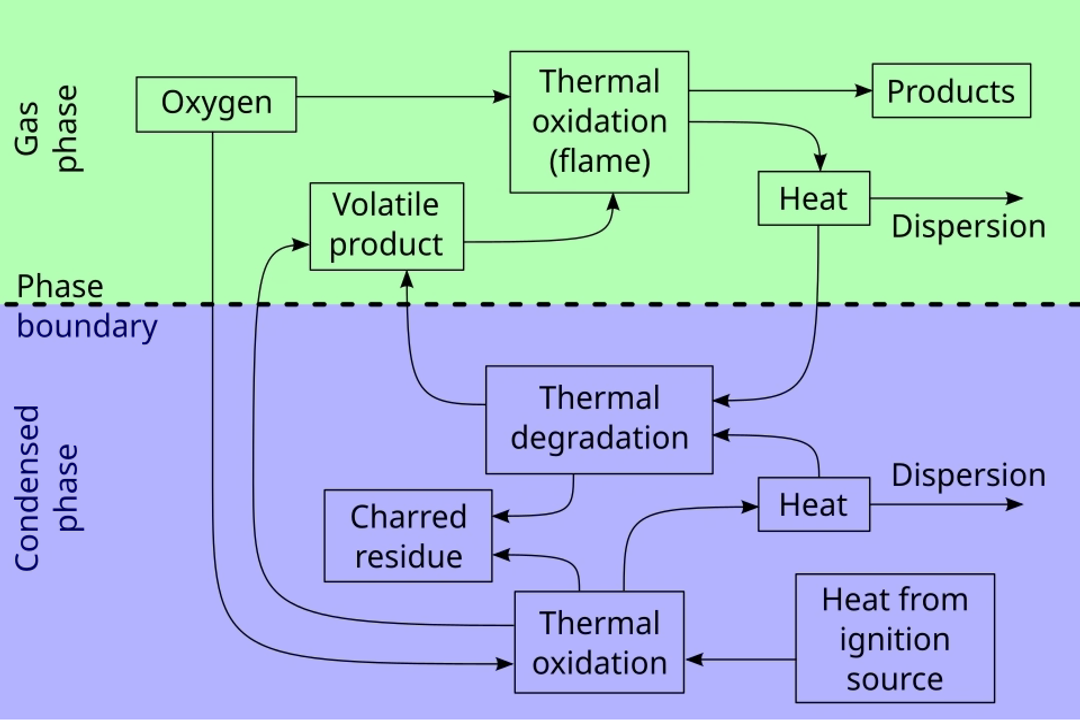
Combustion is defined chemically as a high-temperature, exothermic (heat-releasing) redox reaction occurring between a fuel source and an oxidant, which is most commonly atmospheric oxygen. [4] The Fire Triangle captures these necessities: the fuel itself, the necessary oxygen to react with it, and the heat energy required to start and maintain the reaction. [5][9] The interplay between these three factors determines not only if something will burn, but how vigorously it will do so. [2]
# Fuel Substance
The first component is the fuel, which is anything that can burn. [5] Fuels are diverse, ranging from solid materials like wood or coal to liquids like alcohol or oil, and gases like methane or propane. [8] Essentially, a fuel is any substance that can oxidize (react with oxygen) in a chemical reaction that produces energy in the form of heat and light. [4]
The nature of the fuel dictates much about the fire it creates. Solid fuels often require a process called pyrolysis—where heat breaks down the solid material into flammable gases—before actual flaming combustion can occur above the surface. [1] Liquid fuels, such as gasoline, must first vaporize into a gaseous state before they can mix with air and ignite. [1] Gaseous fuels are already in the correct state for immediate reaction, provided they are mixed correctly with air. [1]
Consider the state change: a log burns slowly because the heat must penetrate the material to break down the complex cellulose structure into ignitable vapors. Contrast this with fine sawdust. The sawdust, having a vastly greater surface area relative to its mass compared to the log, allows for much faster heat transfer and vaporization of its constituent materials. This means that while both are wood fuel, the sawdust burns far more rapidly and intensely because the necessary fuel/oxygen interface is so much larger at any given moment. This concept of surface area is a critical, though often overlooked, factor in how quickly a fire spreads or how effectively it can be extinguished. [6] Controlling the physical form of the fuel—its particle size, moisture content, and arrangement—is central to fire management, whether for safety or prescribed burns. [6]
# Necessary Oxidizer

The second indispensable component is the oxidizer, almost universally atmospheric oxygen (). [4][7] While other substances can act as oxidizers in highly specialized chemical reactions, in nearly all terrestrial fire scenarios, the oxygen in the surrounding air is the required reactant. [7]
The air we breathe is composed of roughly 21% oxygen. [7] This concentration is typically sufficient for combustion to proceed once the heat threshold is met. [2] If the oxygen level drops too low—often below 16% in a confined space—the fire will struggle to maintain itself and may extinguish. [9] This is why smothering a small fire by covering it with a heavy blanket works; the blanket deprives the flame of continuous access to fresh oxygen, interrupting the chemical reaction. [9] Conversely, in industrial settings or specialized applications, introducing an atmosphere with a higher concentration of oxygen can dramatically increase the reaction rate and heat output of the fire, illustrating the direct proportionality between oxidant availability and reaction speed. [4]
# Ignition Energy
The third required component is heat. [3][5] Heat is the energy input necessary to raise the fuel to its ignition temperature. [2] No matter how much fuel is present, and regardless of the oxygen supply, a fire will not start unless the materials reach a temperature at which they begin to rapidly decompose or vaporize into flammable compounds that can react with oxygen. [2]
This heat must be sufficient to initiate the exothermic chain reaction. [4] Once the fuel is hot enough to produce vapors that ignite, the heat released by that initial flame then transfers to adjacent, unburnt fuel, raising its temperature to its own ignition point, and so on. This self-sustaining transfer of energy is what keeps the fire alive. [5] If you remove heat—say, by dousing the flames with water, which absorbs thermal energy—the temperature of the fuel drops below its ignition point, and the combustion stops. [9] Understanding the specific ignition temperature for different materials is key; for instance, paper ignites much sooner than a dense piece of hardwood because the energy required to initiate the gas-phase reaction is lower. [1]
# Chemical Balance
The Fire Triangle illustrates the requirements, but the actual event of burning is the combustion reaction itself. [4] It is more accurately described by the Fire Tetrahedron in more advanced models, where a fourth element, the uninhibited chemical chain reaction, is added. [2] However, for the basic requirements of starting and sustaining a burn, the three elements suffice. [3][9]
The reaction is one of oxidation: the fuel loses electrons (is oxidized) while the oxygen gains them (is reduced). [4] The products of this reaction are generally heat, light (flame), and various other compounds depending on the fuel and the oxygen supply. In ideal, or complete, combustion, the products are primarily carbon dioxide () and water (). [2]
If the oxygen supply is insufficient—a common scenario in smoldering fires or when materials are tightly packed—the reaction becomes incomplete. [4] This results in less efficient energy release and the production of undesirable byproducts such as carbon monoxide () and visible smoke particles (soot). [2] The visible flame itself is actually the intensely hot gases reacting, not the solid or liquid material underneath. [1][5]
The relationship between the three factors is highly dynamic. For example, if you have adequate fuel and high heat, but you significantly reduce the oxygen concentration (as in a sealed container where the fire consumes the available ), the reaction slows down. Conversely, if you have a good fuel source and it is already hot, blasting it with pure oxygen will cause an extremely rapid and potentially explosive burn. [4]
This dependency means that fire suppression strategies always target one or more corners of the triangle. Smothering targets oxygen. Cooling targets heat. Removing the burning material or separating it from unburnt material targets the fuel supply. [9]
| Element | Function in Fire | Suppression Method Example |
|---|---|---|
| Fuel | Substance that oxidizes and releases energy [5][4] | Starvation/Separation [9] |
| Oxygen | Oxidizer required for the chemical reaction [7][4] | Smothering/Blanketing [9] |
| Heat | Energy needed to reach ignition temperature [2][5] | Cooling with water/foam [9] |
A common point of failure for a fire to start is simply that the ambient temperature, even if warm, has not reached the specific flash point or autoignition temperature of the fuel available. [2] It is a threshold event; below the threshold, nothing happens, but crossing it initiates the self-sustaining process. [1]
# Practical Implications of the Requirements
Understanding these three requirements moves the discussion from abstract chemistry to practical observation. Think about how differently fuels behave outdoors versus indoors. In an open outdoor setting, an abundance of air ensures that the oxygen component of the triangle is rarely the limiting factor, meaning the fire's intensity is usually controlled by the rate at which heat can spread to new fuel, and the inherent heat value of the fuel itself. [6]
However, inside a structure, oxygen becomes the most variable component. A door slams shut, cutting off airflow; suddenly, the fire shifts from a vigorous, oxygen-rich burn to a smoldering, incomplete combustion state, which paradoxically can build up a dangerous concentration of unburnt gases. When that door is suddenly opened, the rush of fresh air meets the superheated, unburnt gases, resulting in a rapid ignition event known as backdraft. This scenario highlights how removing the oxygen component allows the system to store potential energy until the oxygen is reintroduced, at which point the heat and fuel are ready for immediate reaction. [1] The requirement for sustained reaction means the elements must be continuously available, not just present at the start. [3]
#Videos
Requirements of Combustion | Middle School Science - YouTube
Related Questions
#Citations
Requirements of Combustion | Middle School Science - YouTube
Combustion
Did you know that every fire requires three key elements to ignite ...
Combustion - Wikipedia
What is fire? - Science Learning Hub
Fuel size - Hunter Ed
Which gas is necessary for a substance to burn? - Quora
Types of Fuel - SkillCat
The Fire Triangle