What reflects sunlight the most on Earth?
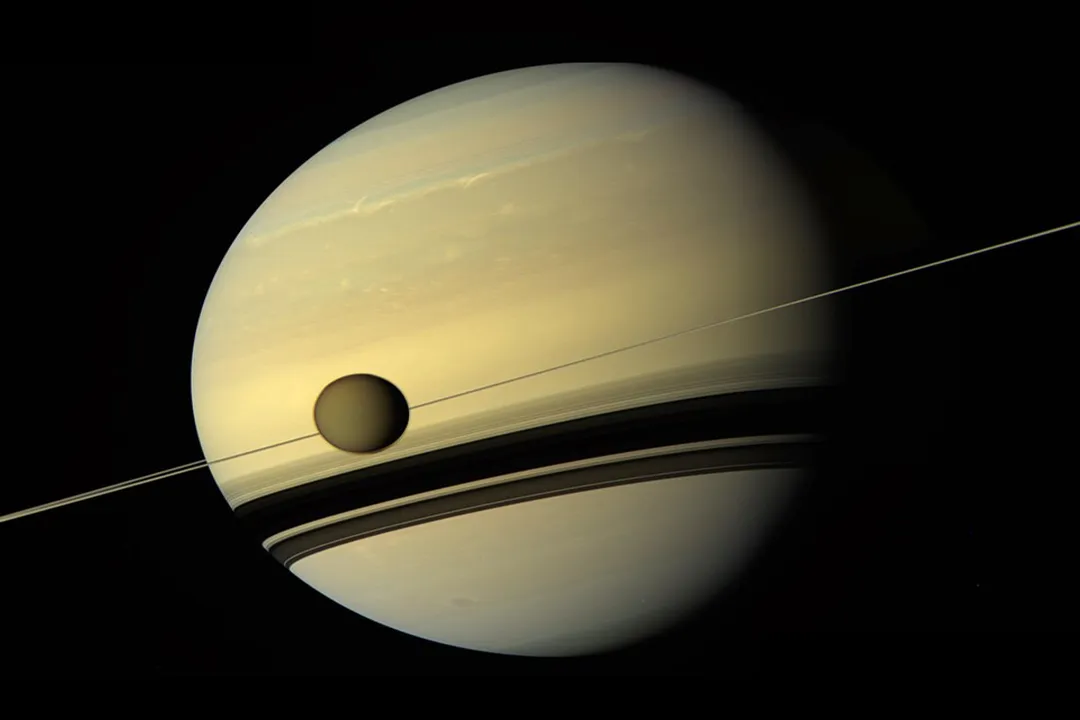
The surface on our planet that throws back the most incoming solar radiation is not always the same, but generally, the answer points toward brilliant white features. To truly answer this, we need a scientific measure called albedo. Albedo quantifies how much sunlight a surface reflects compared to how much it receives, using a scale from zero to one. [1] A value of zero means the surface is a perfect absorber, soaking up every ray, while a value of one means it is a perfect reflector, sending all light straight back into space. [1][5] For context, the entire Earth’s average albedo, considering everything from dark forests to bright deserts, hovers around 0.30. [1]
# Measuring Reflection
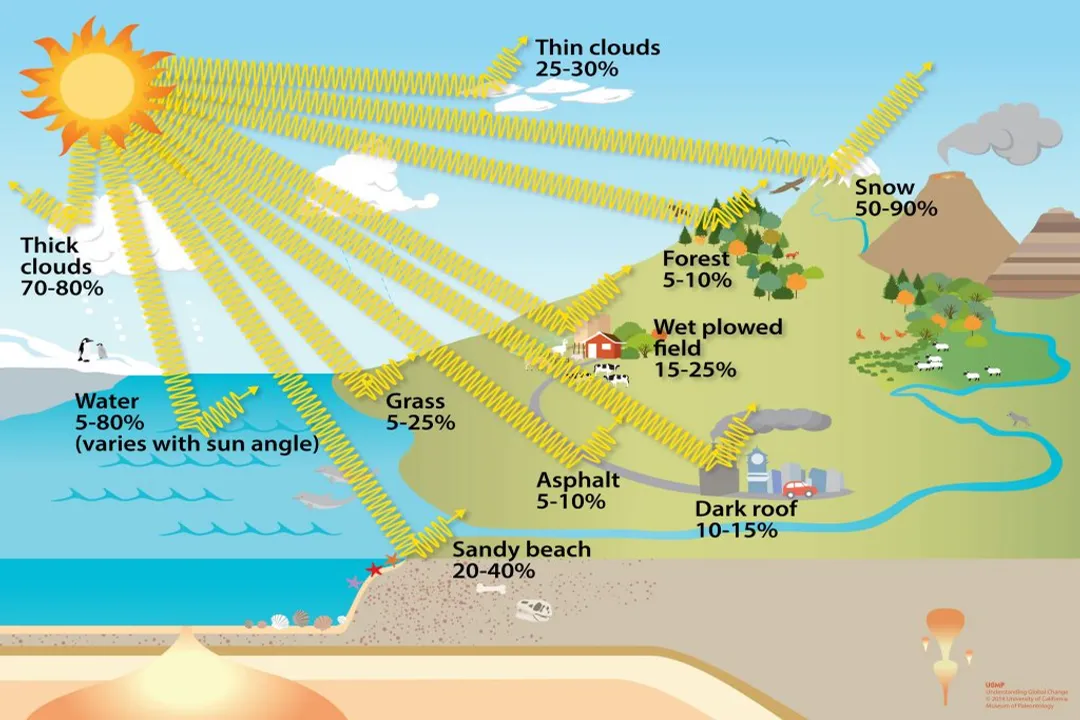
Understanding reflection starts with that albedo scale. It is critical because the amount of energy absorbed dictates surface temperature. [9] Surfaces with high albedo—numbers closer to 1—keep things cooler, while those with low albedo—numbers closer to 0—heat up significantly. [3] For example, thick, fresh snow can boast an albedo between 0.80 and 0.90, meaning 80 to 90 percent of the sun's energy bounces off immediately. [1] This contrasts sharply with surfaces like asphalt or dark ocean water, which can have albedos as low as 0.06. [1]
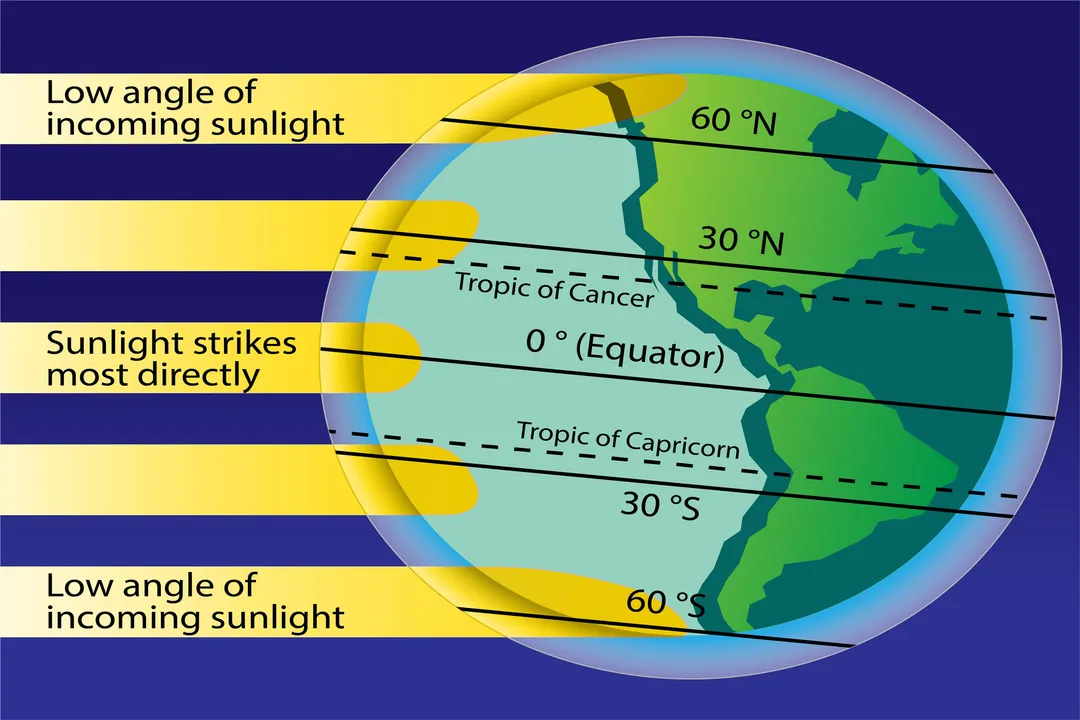
When we look at what parts of Earth receive the most intense solar rays, it's generally the regions near the equator because the sun’s rays hit those areas more directly throughout the year. [4] However, receiving the most sunlight doesn't mean absorbing the most heat; reflection plays the deciding role in the final temperature balance. [4] The amount of solar energy reaching Earth, regardless of where it hits, is a constant force balanced by what is reflected back by clouds, ice, and the ground itself. [6]
# Top Reflectors
When scientists and observers consider the highest natural reflectors on Earth, the conversation almost immediately centers on ice and snow. [1]
Fresh, clean snow is often cited as the single most reflective natural surface available to us, easily achieving albedo values of 0.90 or higher. [1] This extreme reflectivity is what makes walking in bright snow feel almost blinding; the energy is returning to your eyes. [9] Sea ice, especially when freshly fallen snow covers it, maintains a very high reflective quality.
Atmospheric elements also factor heavily into reflection. Clouds, depending on their thickness and altitude, are powerful reflectors, with albedo values frequently ranging between 0.60 and 0.90. [1] A massive, bright cloud deck can reflect a significant portion of the solar energy that would otherwise warm the surface below. [3]
It is essential to note the dynamic nature of these high reflectors. The difference between fresh snow and old snow is substantial. Imagine a pristine blanket of dry, fluffy snow—it reflects nearly everything. Now picture that same snowpack after a few days of melting, refreezing, becoming compacted, or accumulating dust or soot from pollution. As the surface darkens or becomes icy/wet, its albedo plummets. Wet snow might drop to an albedo of 0.40, and dirty ice can fall closer to 0.20. [1] This highlights an important point: the material dictates the potential, but the condition dictates the actual reflection rate. For a homeowner looking at their roof, painting it white in a hot climate is a conscious choice to mimic this natural high-albedo phenomenon, aiming to keep the attic temperature down by sending solar radiation away. [9]
# Absorbing Surfaces
To fully appreciate the reflectors, we must look at their opposites: the great absorbers. These surfaces keep the planet’s heat budget relatively balanced by trapping solar energy.
The ocean surface is a prime example of a low albedo surface. Water, especially when calm and dark, absorbs the vast majority of sunlight, reflecting only about 0.06 on average. [1] This is why coastal areas often feel moderated compared to inland deserts—the water acts as a massive heat sink.
Dark terrestrial surfaces also perform poorly in reflection. Dark soils, dense evergreen forests (which are generally dark green), and human-made materials like asphalt roads absorb massive amounts of energy. [1][8] For instance, a dense forest canopy might have an albedo around 0.10 to 0.15. [1] This contrast is visible when you compare a paved parking lot to a grassy field on a sunny day—the asphalt feels significantly hotter because it has absorbed far more solar input.
# Color Science
Beyond surface structure, the inherent color of an object plays a massive role in reflection, particularly when dealing with visible light. Generally, lighter colors reflect more sunlight than darker ones. [9] This simple principle applies universally across material science and biology.
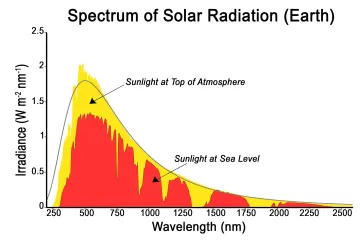
When considering the visible spectrum, the color green is particularly interesting. Why do plants appear green? Because the primary pigment used for photosynthesis, chlorophyll, is highly efficient at capturing red and blue light wavelengths for energy production, but it reflects the green wavelengths. [7][8] Consequently, green surfaces, like the Amazon rainforest or a healthy lawn, are highly effective absorbers of the visible spectrum, reflecting the least among the primary colors. If you were to compare a pure white surface (reflecting almost all colors), a pure blue surface (reflecting blue light), a pure red surface (reflecting red light), and a pure green surface, the green surface would be absorbing the greatest fraction of the incoming visible light, acting more like a dark surface despite appearing bright to our eyes in certain lights. [7][8] This is an excellent example of how biological efficiency is tied directly to energy absorption rather than reflection.
To make this practical, we can look at comparative reflectivity values often encountered in everyday life. While scientific measurements are complex, general rules of thumb for visible light reflection help explain daily heating:
| Surface Type | Approximate Albedo Range | Primary Interaction |
|---|---|---|
| Fresh Snow | 0.80 – 0.95 | High Reflection |
| Light Concrete/Sand | 0.30 – 0.45 | Moderate Reflection/Absorption |
| Green Vegetation | 0.10 – 0.25 | High Absorption |
| Asphalt/Dark Soil | 0.05 – 0.10 | Very High Absorption |
| Deep Ocean Water | 0.03 – 0.06 | Extreme Absorption |
# Global Significance
The reflection of sunlight, managed by the planetary albedo, is one of the primary controls on Earth's temperature stability. This is the albedo effect. [3] When reflective surfaces like Arctic sea ice diminish, the darker ocean water beneath is exposed. This shift means less solar energy is bounced back to space and more is absorbed by the ocean, causing further warming, which melts more ice—a dangerous positive feedback loop that accelerates climate change. [3][9] Maintaining high planetary albedo is thus a key mechanism for keeping the planet cooler. [3][10]
The World Meteorological Organization notes that the amount of solar radiation reaching the Earth's surface is influenced by the atmosphere, including clouds and aerosols, which scatter or absorb incoming radiation before it ever reaches the ground or sea. [6] Therefore, while ice provides the highest surface reflectivity, the atmosphere as a whole acts as the first major filter. If the sky is overcast, the reflectivity seen from space is dramatically higher than on a clear day, even if the ground beneath the clouds remains dark soil.
Thinking about cooling strategies often comes down to artificial albedo management. Some proposals suggest increasing the reflectivity of roofs and roadways in urban areas—a phenomenon sometimes called "cool roofing" or "cool pavements." If a city replaces dark, heat-trapping materials with lighter ones, it can significantly reduce the local heat island effect by mimicking the reflective properties of natural, brighter materials, effectively making the urban area behave more like a patch of pale desert sand than dark soil. [9] This small-scale intervention directly taps into the global principle that the brightest surfaces win the battle against solar heating.
Related Questions
#Citations
Albedo
Which surface on earth reflects the highest proportion of ...
What is The Albedo Effect And How Does it Impact Global ...
Which part of the Earth receives the most and the least ...
Absorption / reflection of sunlight
The Sun's impact on the Earth
Albedo: Lighter colors reflect, darker ones absorb, heat
Can Earth's reflection help cool the planet? - LIST.lu