What is the simple definition of Earth?
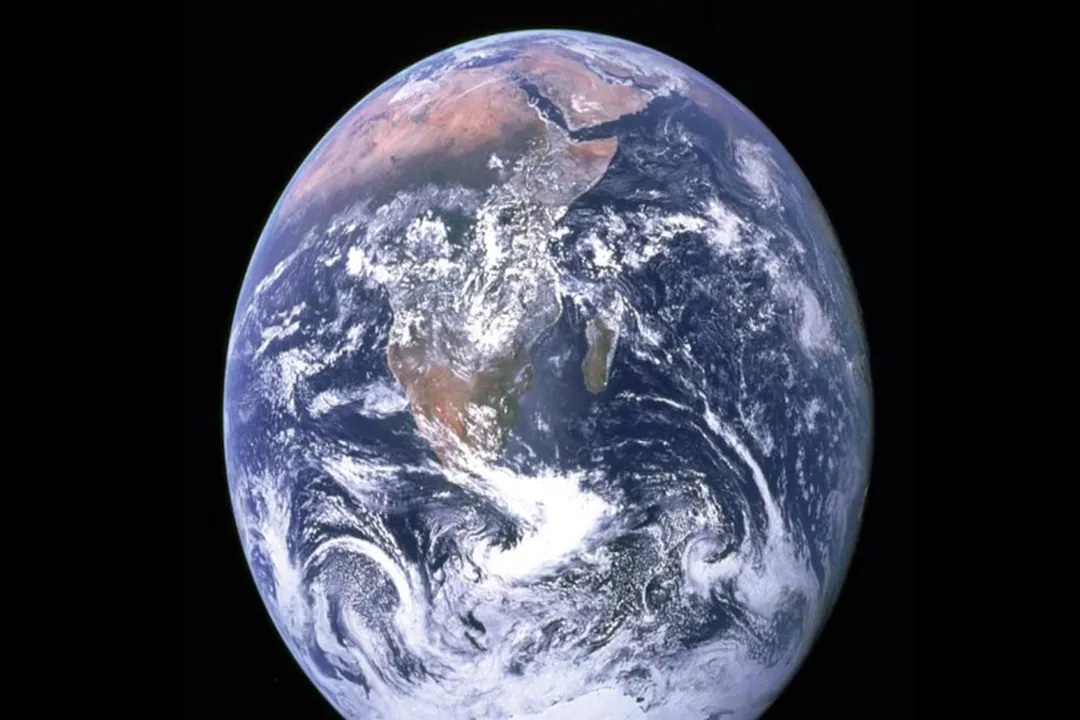
The designation for our home world, Earth, is straightforwardly defined across various linguistic sources as the planet on which we live, the third planet from the Sun, and the only astronomical object known to harbor life. [4][5][8][9] In the simplest terms, it is the third planet orbiting the star we call the Sun. [6][10] It is one of the four inner, or terrestrial, planets in our solar system, meaning it is composed primarily of silicate rocks or other solid materials. [2][7] While dictionaries offer a baseline—defining "earth" often as the globe or soil itself—the scientific consensus places it as the third major body in order moving outward from the Sun, situated between Venus and Mars. [2][1][8]
# Planet Rank
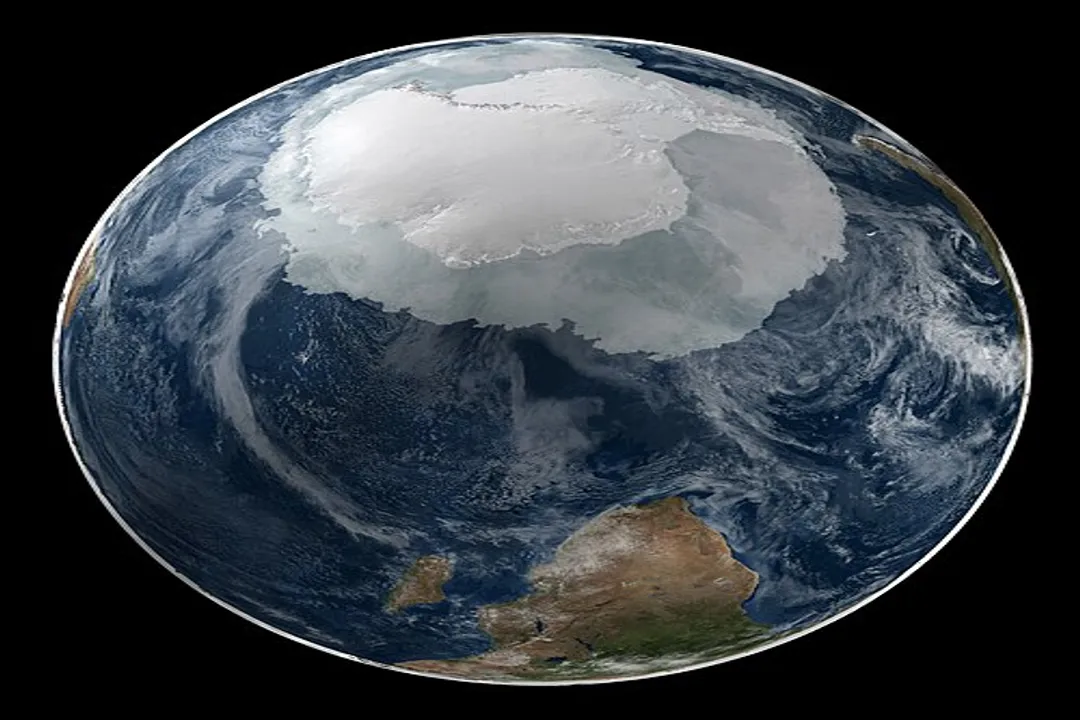
Positioning within the solar system is fundamental to Earth's identity. [2] It is the fifth-largest planet in terms of mass and volume among the Sun’s eight official planets. [2] Earth orbits the Sun at an average distance of about 93 million miles (or 150 million kilometers), a distance often codified as one Astronomical Unit (AU). [3][10] This orbital path is nearly circular, which is significant because it helps maintain a relatively stable energy input compared to planets with highly elliptical orbits. [2]
The planet takes approximately $365.25$ days to complete one full revolution around the Sun, defining our year. [3] This fractional extra day is why we add a leap day every four years to keep our calendars aligned with the celestial mechanics. [3]
# Physical Form
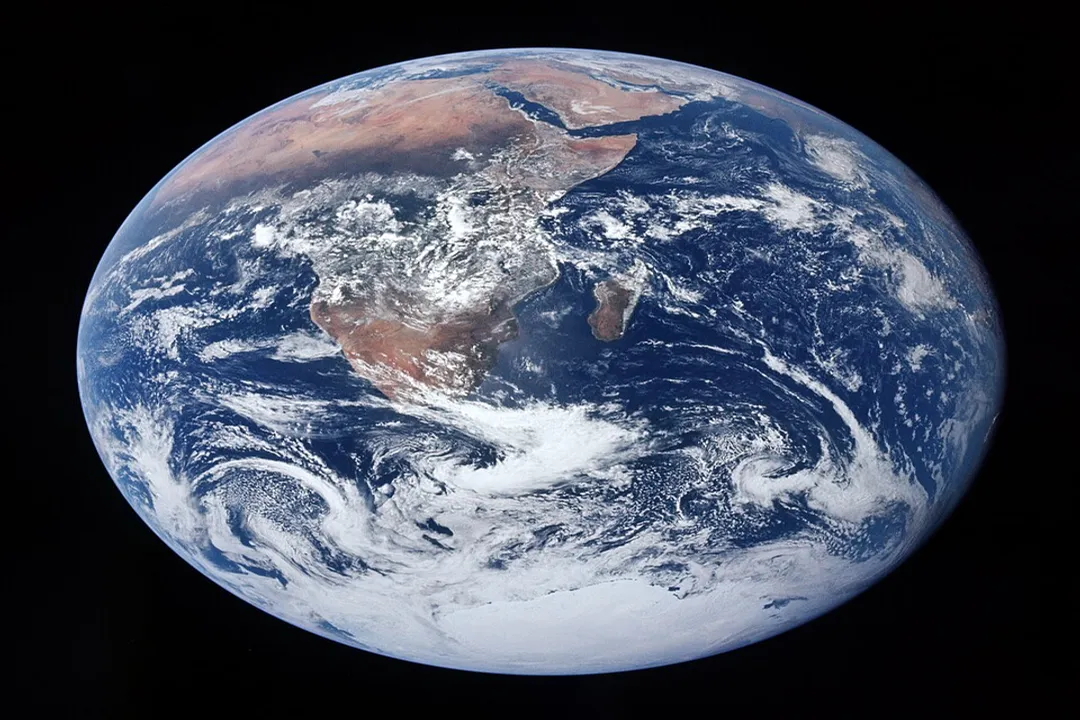
Scientifically, Earth is not a perfect sphere; it is technically classified as an oblate spheroid. [2] This means it bulges slightly around the equator and is flattened slightly at the poles due to the rotational forces exerted upon it. [2] The planet’s polar diameter is about $12,714$ kilometers, while its equatorial diameter is roughly $12,756$ kilometers. [2] This difference, though measurable, is minor in the grand scale of planetary size, yet it reflects the constant dynamic state of the world. [2]
The average density of Earth is about $5.514$ grams per cubic centimeter (), making it the densest planet in the solar system. [2] This high density is largely attributable to the planet’s composition, which is dominated by iron and silicon, particularly in its core. [2][9] When comparing Earth to its neighbors, the maintenance of liquid water on the surface—a defining characteristic for life—is intimately tied to this precise mass and density, which dictate its gravitational pull and its ability to retain a substantial atmosphere against solar winds, unlike Mars. [7]
# Internal Zones
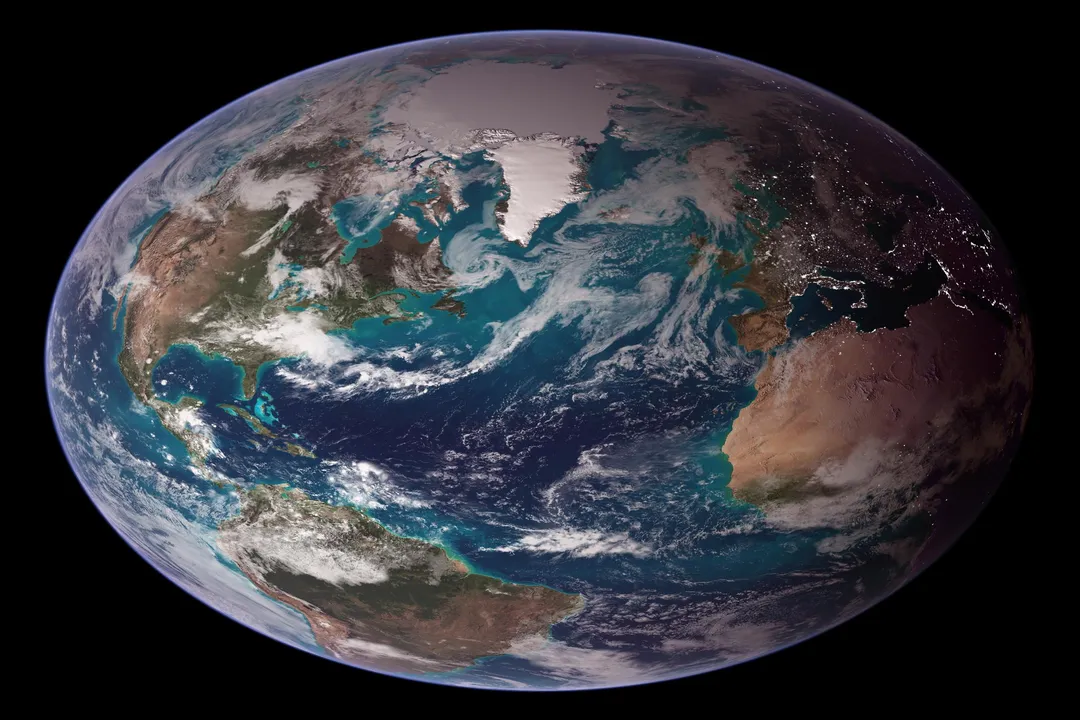
The interior structure of Earth is organized into several distinct layers, a structure that drives processes like plate tectonics and generates the protective magnetic field. [2] Starting from the outside and moving inward, the primary divisions are the crust, the mantle, and the core. [2][9]
The outermost layer is the crust, which is relatively thin, varying from about $5$ kilometers thick beneath the oceans to $70$ kilometers under major mountain ranges. [2] This crust is broken into massive pieces known as tectonic plates, which float upon the layer beneath them. [2]
Beneath the crust lies the mantle, the thickest layer, extending down approximately $2,900$ kilometers. [2] The mantle is composed mainly of silicate rock and is mostly solid, but it behaves like a very viscous fluid over geological timescales, allowing for slow convection currents that move the tectonic plates above. [2][9]
Finally, at the center, is the core, which is divided into two parts: the outer core and the inner core. [2][9] The outer core is liquid, made primarily of iron and nickel. [2][9] The churning motion of this molten metal generates the planet's magnetosphere, a crucial shield that deflects harmful charged particles from the Sun. [2][7] The inner core, despite being subjected to immense pressure, is thought to be solid iron and nickel due to that pressure. [2][9]
# Surface Coverings
What truly sets Earth apart from all other observed celestial bodies is its surface composition, particularly the presence of vast amounts of liquid water. [4][7] Water covers about $71$ percent of the planet’s surface. [3][7] This massive reservoir of is essential; it is the only place known in the universe where liquid water exists stably on the surface. [4][7]
The atmosphere is another critical component, enveloping the planet and providing the conditions necessary for life. [2][6] This gaseous envelope is primarily composed of nitrogen (about $78$ percent) and oxygen (about $21$ percent), with trace amounts of other gases like argon and carbon dioxide. [3][6] The atmosphere serves multiple functions: it moderates surface temperatures, shields the surface from most incoming meteors, and filters out much of the Sun’s harmful ultraviolet radiation. [3][7]
Life itself—the collective flora, fauna, and microorganisms—forms a thin layer known as the biosphere. [2] This biosphere interacts dynamically with the atmosphere, hydrosphere (water), and lithosphere (rock), creating a complex, self-regulating system that maintains conditions suitable for its continued existence. [2][7] For instance, the oxygen we breathe is a direct byproduct of biological processes, a clear example of this interplay. [6]

# Rotational Dynamics
Earth’s movements are central to our concept of time and climate. [2] The planet rotates on its axis, spinning once roughly every $24$ hours, which results in the cycle of day and night. [3][10] Critically, this axis is not perpendicular to the plane of its orbit; it is tilted by an angle of approximately $23.5$ degrees. [2][3]
This axial tilt is the direct cause of the seasons. [2] As Earth orbits the Sun, this fixed tilt means that different hemispheres receive more direct sunlight at different times of the year. [2][3] If the axis were perfectly straight up and down relative to the Sun, we would have consistent, mild temperatures year-round across the globe, lacking the distinct seasonal shifts that influence weather patterns and biological cycles. [2] Considering that the orbit is nearly circular (low eccentricity), it is this tilt, rather than orbital distance changes, that engineers the predictable annual temperature variations we experience globally. [2]
# Life Indicators
Quantifying the presence of life involves looking at population and habitat statistics, though precise, global counts are always approximations. [9] As of recent estimations, the human population stands in the billions, residing primarily on the landmasses that constitute the remaining $29$ percent of the surface. [9][3]
To grasp the scale of Earth’s uniqueness, one can look at basic planetary comparisons. Consider the data points below, which highlight the distinctiveness of our world among the inner rocky planets:
| Characteristic | Earth | Venus | Mars |
|---|---|---|---|
| Average Distance from Sun (AU) | $1.00$ | $0.72$ | $1.52$ |
| Surface Water | Abundant Liquid | None (Trace Vapor) | Frozen/Trace Vapor |
| Primary Atmospheric Gas | Nitrogen ($78%$) | Carbon Dioxide ($96%$) | Carbon Dioxide ($95%$) |
| Known Life | Yes | No | No |
| [2][3][7] |
The sheer volume of liquid water is perhaps the most striking difference when comparing Earth to Venus (too hot) or Mars (too cold/low pressure to sustain surface liquid long-term). [7] While Mars has significant water ice, the conditions here allow for the continuous cycling of water through oceans, clouds, and rain, a feature that has sculpted the planet’s surface over eons. [7]
# Defining the Boundary
When defining Earth, it is important to delineate where the planet effectively "ends" for general understanding. For dictionary purposes, the definition is often focused on the solid landmass or the world as a whole. [1][5] For physics and astronomy, the boundary is less distinct but generally involves the outer edge of the atmosphere or the sphere of gravitational influence. [2]
The atmosphere thins out rapidly, blending into space, but its protective influence extends quite far. Furthermore, Earth possesses a natural satellite, the Moon, which orbits it. [2] This satellite plays a role in stabilizing the planet's axial tilt and influencing oceanic tides. [2]
In summary, the simple definition of Earth evolves depending on the perspective taken. From a dictionary perspective, it is the ground beneath our feet or the world we inhabit. [1][5] From a geological or astronomical perspective, it is a dense, differentiated terrestrial planet orbiting the Sun at the precise distance required to maintain a vast quantity of liquid surface water, supported by a life-sustaining mix of nitrogen and oxygen in its atmosphere. [2][3][7] This unique combination of physical parameters—density, axial tilt, magnetic field, and water abundance—is what grants Earth its status as the living world. [2][7]
# Further Examination
To fully appreciate what Earth is, one must acknowledge the constant state of change it maintains. It is not a static object but a system in motion. [2] The magnetic field, generated deep within the liquid core, is not fixed; magnetic north and south wander over time, and the poles themselves have dramatically flipped their positions over geological history. [2] Similarly, the landmasses are never fixed; they drift slowly, connecting and breaking apart continents over hundreds of millions of years. [2]
This dynamic nature—the solid rock moving, the liquid outer core churning, the gaseous atmosphere cycling—is a testament to the internal energy retention from the planet’s formation and radioactive decay. [2] It is this internal heat engine that keeps the surface environment viable, distinguishing it from smaller, geologically "dead" bodies like the Moon or Mercury. [2] Thus, the definition of Earth must encompass not just its physical state at one moment, but its active, energetic processes that facilitate life. [7]
It is fascinating to reflect that while we use precise measurements for its size and distance, the most significant characteristic—habitability—remains defined by a qualitative observation: the presence of life. [4] No other source provides a more definitive metric for what Earth is than the fact that it sustains living organisms across its surface, a condition dictated by the long-term stability of its solar orbit and geophysical engine. [2][7]
Related Questions
#Citations
EARTH Definition & Meaning - Merriam-Webster
Earth - Wikipedia
Facts About Earth - NASA Science
Earth | Definition, Size, Composition, Temperature, Mass, & Facts
EARTH definition in American English - Collins Dictionary
Facts about the Earth! | Science - National Geographic Kids
Planet Earth, explained - National Geographic
EARTH | definition in the Cambridge English Dictionary
Earth Characteristics, Facts & Population - Lesson - Study.com
All About Earth | NASA Space Place – NASA Science for Kids