What is the Earth exactly?
Our world, the third planet orbiting the Sun, is an incredibly complex and dynamic sphere defined by its capacity to sustain life. [1][3] It is not a perfect sphere but an oblate spheroid, slightly bulging at the equator due to its rotation. [1] Covering approximately 71% of its surface is water, giving it the familiar appearance of a "blue marble" when viewed from space. [3][5] Understanding what Earth "exactly" is requires looking at its staggering statistics, its layered interior, and the precise cosmic conditions that allow biology to flourish here. [1][4]
# Early Days
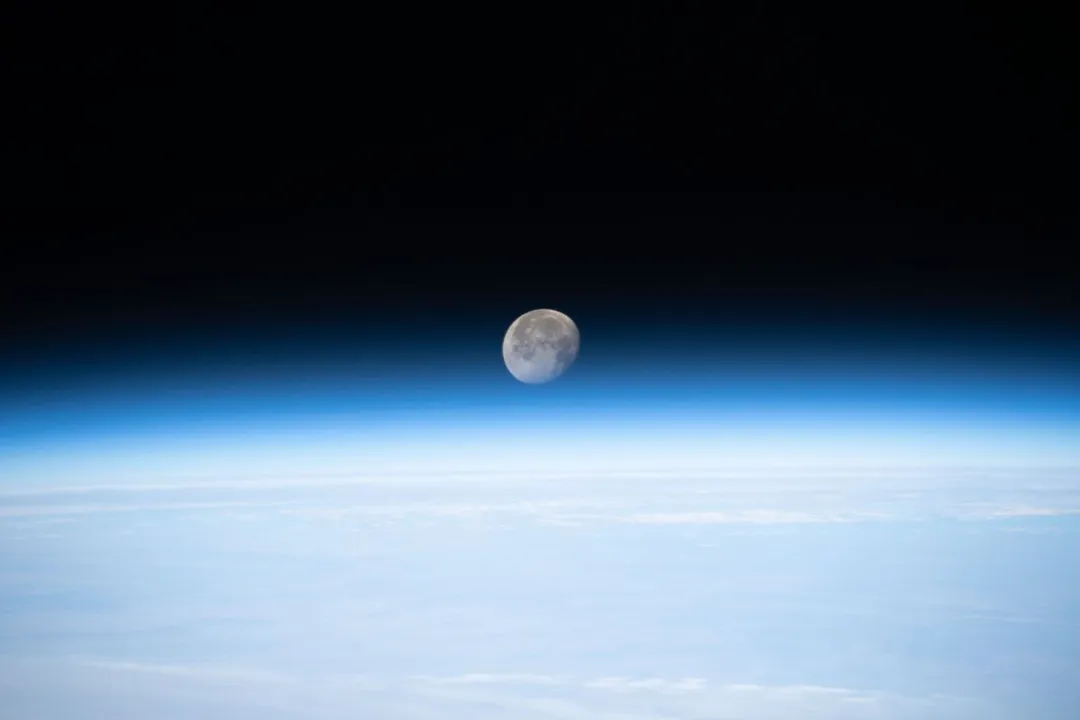
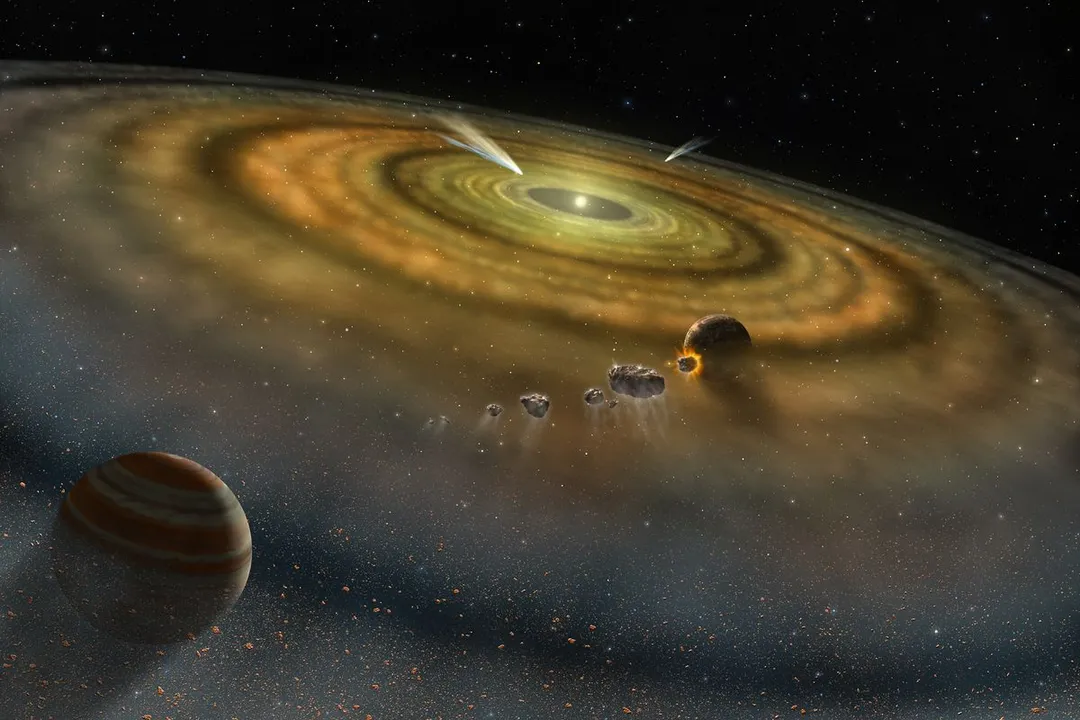
The genesis of Earth is deeply intertwined with the formation of the entire Solar System, an event that occurred roughly $4.54$ billion years ago. [1][9] Current scientific understanding strongly favors the Giant Impact Hypothesis to explain the formation of our Moon and the final stages of Earth’s differentiation. [9] This theory posits that a Mars-sized protoplanet, often named Theia, collided violently with the proto-Earth early in its history. [9] This catastrophic impact vaporized much of the material from both bodies, which subsequently coalesced in orbit to form the Moon. [9]
Before this merger, the material that formed Earth accreted from the solar nebula, growing from smaller particles into planetesimals, and eventually into a full-sized planet. [4] As it grew, intense gravitational compression and the heating from radioactive decay caused the nascent Earth to melt significantly. [4] This molten state was critical, allowing denser materials, primarily iron and nickel, to sink toward the center under gravity, while lighter silicate materials floated upward to form what would become the mantle and crust. [4] This process of chemical separation, called planetary differentiation, established the layered structure we observe today. [1][4]
# Size Mass
Quantifying our home reveals staggering figures. Earth has an equatorial diameter of about $12,756$ kilometers and a polar diameter of about $12,714$ kilometers, resulting in that slight equatorial bulge mentioned earlier. [1] Its mass is approximately kilograms. [1] This mass grants it an average density of about $5.514$ grams per cubic centimeter (), making it the densest planet in the Solar System. [1][3] That high average density is a direct consequence of the metal-rich interior, especially the massive iron core, which drives many of the planet’s critical dynamic processes, including the generation of the magnetic field necessary for atmospheric retention. [1][3]
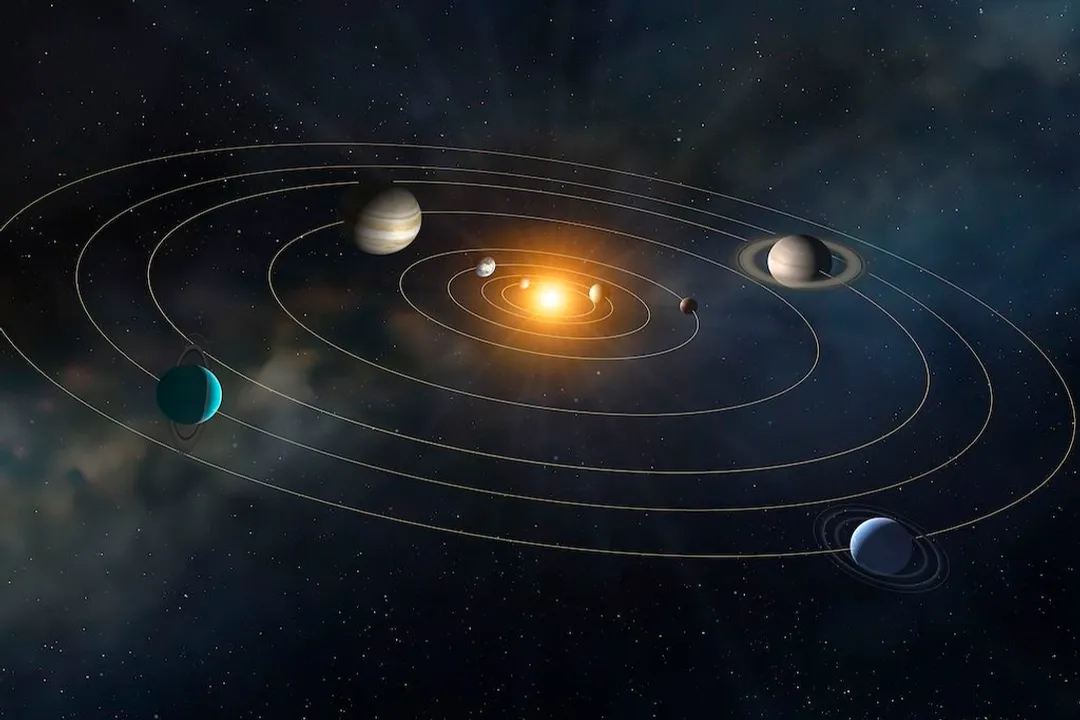
In terms of orbital dynamics, Earth circles the Sun at an average distance of about $150$ million kilometers, a distance astronomers define as one astronomical unit (). [1] This places it perfectly within the Sun's habitable zone, where temperatures allow for liquid water to exist on the surface. [3][5]

# Deep Structure
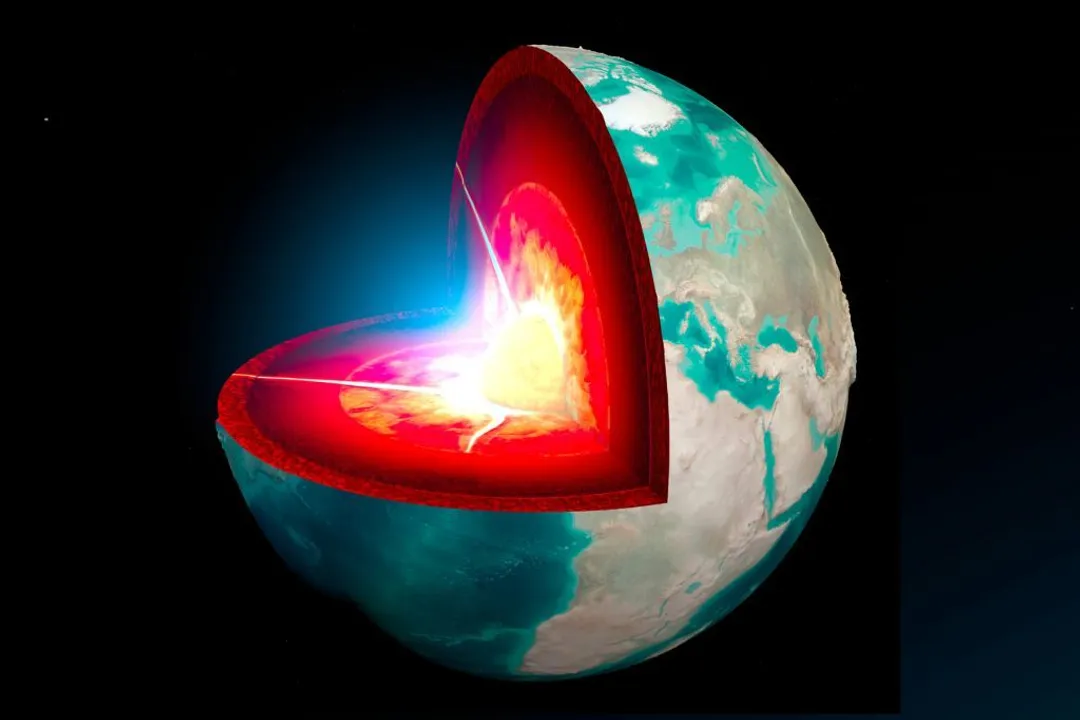
The interior of Earth is divided into four main concentric layers, analogous to an onion, differentiated by chemical composition and physical state. [1][4]
# Crust Mantle
The outermost layer is the crust, which is relatively thin, ranging from about $5$ kilometers thick beneath the oceans (oceanic crust) to nearly $70$ kilometers under major mountain ranges (continental crust). [1][4] This is the solid, rocky shell upon which we live. [5] Directly beneath the crust lies the mantle, which makes up the vast majority of Earth's volume—about $84$%. [1] The mantle is primarily composed of silicate rock, although its behavior changes with depth; the upper part is rigid, but the deeper regions are hot enough to flow very slowly over geological timescales, a crucial mechanism for plate tectonics. [4]
# Core Interior
At the center lies the core, which is dominated by iron and nickel. [4] It is further divided into two parts. The outer core is liquid metal, and its convective movement generates Earth’s powerful magnetic field. [4][5] The inner core, despite being even hotter, is solid due to the immense pressure exerted by the overlying layers. [1][4] It is thought to be growing slightly as the liquid iron in the outer core cools and solidifies onto its surface. [4]
| Layer | State | Primary Composition | Relative Volume (%) |
|---|---|---|---|
| Inner Core | Solid | Iron, Nickel | Minor |
| Outer Core | Liquid | Iron, Nickel | Significant |
| Mantle | Solid/Plastic | Silicates | |
| Crust | Solid | Silicates | Minor |
# Air Oceans
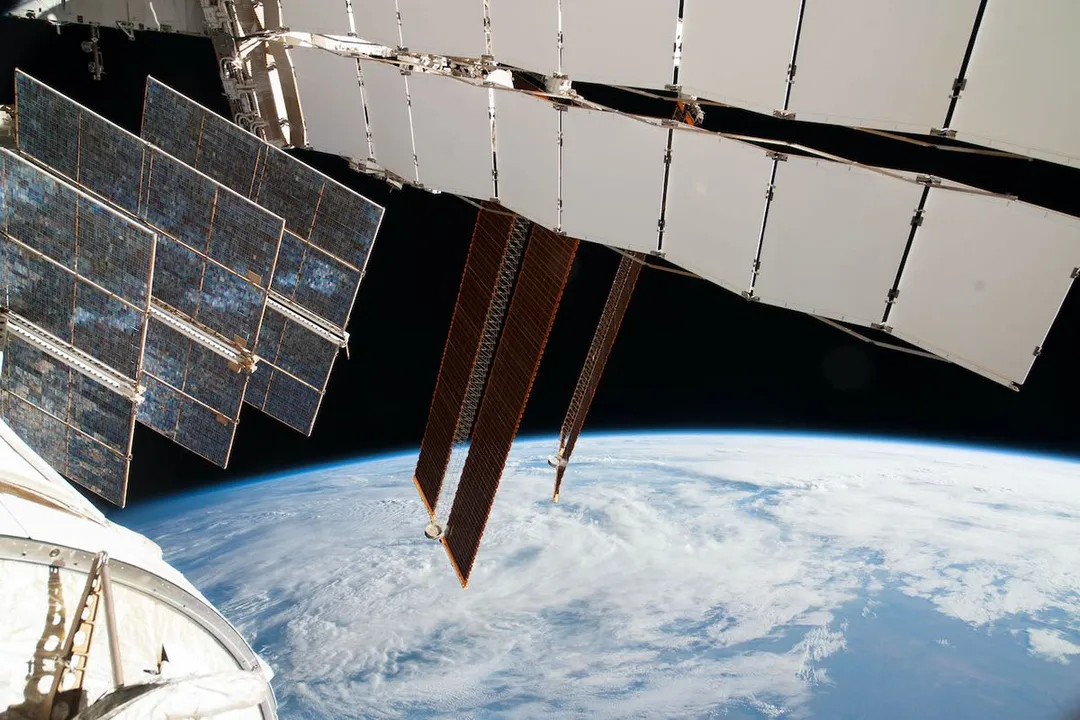
What makes Earth truly exceptional is the presence of its extensive hydrosphere and atmosphere, both essential for life as we know it. [3] The planet is the only known celestial body to host liquid water on its surface. [5] Water covers nearly $71$% of the surface, existing in oceans, seas, lakes, and rivers. [1] This global ocean plays a dominant role in regulating global temperatures and weathering the continents. [3]
The atmosphere is a gaseous envelope held in place by gravity, composed primarily of $78$% nitrogen and about $21$% oxygen, with trace amounts of argon, carbon dioxide, and other gases. [1][5] The oxygen content is perhaps the most defining feature for complex surface life, as it is largely a byproduct of biological processes (photosynthesis) that have occurred over billions of years. [5] This atmospheric blanket also traps heat, contributing to the greenhouse effect that keeps the average surface temperature around (). [1] Without this insulation, the planet would be a frozen wasteland, much like Mars. [3]
# Orbit Spin
Earth’s movements dictate our cycles of time. It takes approximately $365.25$ days to complete one full revolution around the Sun, defining our year. [1] One complete rotation on its axis takes about $24$ hours, defining our day. [1] Importantly, the axis around which the Earth spins is tilted relative to the plane of its orbit—this tilt is about $23.5$ degrees. [1]
This axial tilt is the direct cause of the seasons. [1] When a hemisphere is tilted toward the Sun, it receives more direct solar energy, leading to summer; when tilted away, it experiences winter. [1] When you consider this tilt, it becomes clear that the experience of seasons varies drastically based on latitude. While temperate zones experience a clear shift between four distinct seasons, the effect of the tilt is minimal near the equator, where daylight hours and solar angle remain relatively constant year-round, resulting in tropical wet and dry seasons instead of temperature-driven shifts. [1]
# Field Protection
Beyond its position and water, Earth possesses an invisible but vital protective layer: the magnetic field, or magnetosphere. [3][5] This field is generated by the churning, electrically conductive liquid iron in the outer core, a mechanism called the geodynamo. [4][5] This magnetic bubble extends far into space and serves as a shield, deflecting the constant barrage of charged particles emitted by the Sun, known as the solar wind. [3][5]
If this field were absent, the solar wind would slowly strip away the upper layers of our atmosphere, much like what is believed to have happened to Mars. [3] The interaction of the solar wind with the magnetosphere is responsible for the beautiful auroras—the Northern and Southern Lights—seen near the polar regions, where some of the particles are channeled toward the atmosphere. [3]
# Habitable Zone
Putting all these pieces together—the density, the internal heat engine, the magnetic shield, the right distance from the Sun, and the abundance of liquid water—defines Earth’s unique status. [3][5] It resides in the stellar habitable zone, often called the "Goldilocks zone," meaning it is neither too hot for water to boil away nor too cold for it to freeze permanently. [3]
The presence of plate tectonics, driven by convection in the mantle, is another critical, interconnected feature. [4] This ongoing recycling of the crust helps regulate atmospheric carbon dioxide levels over geological time through processes like volcanism and weathering, acting as a slow, planetary thermostat that helps stabilize temperatures over millions of years. [4] It is this interplay of dynamics—internal energy creating external protection and surface cycling—that separates Earth from its barren neighbors and allowed life to emerge and evolve over the last few billion years. [4][5]
Related Questions
#Citations
Earth - Wikipedia
Facts About Earth - NASA Science
Earth | Definition, Size, Composition, Temperature, Mass, & Facts
Planet Earth — Everything you need to know | Space
Facts about the Earth! | Science - National Geographic Kids
Earth's REAL Shape - YouTube
Planet Earth - Universe Today
Planet Earth, explained - National Geographic
How the Earth and moon formed, explained - UChicago News