What is the bright light in the sky after sunset?
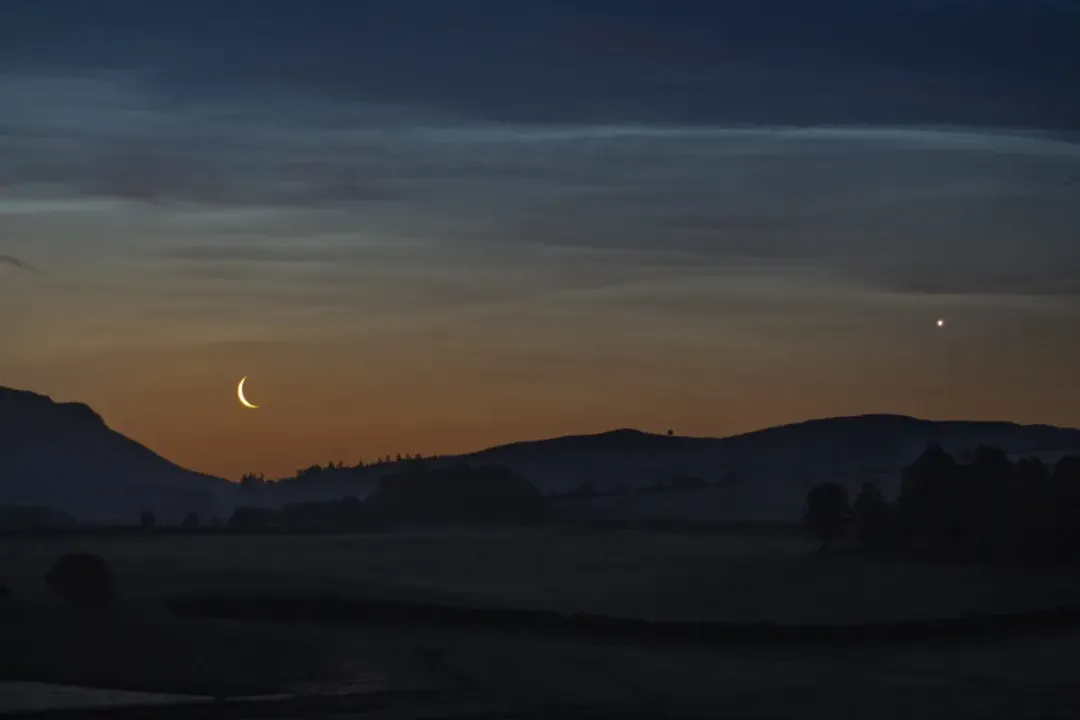
The dazzling point of light visible low in the western sky shortly after the sun dips below the horizon is a celestial spectacle that captures the attention of casual observers and seasoned astronomers alike. For many people, this brilliant beacon is the first, and sometimes only, non-solar, non-lunar object they intentionally notice in the sky each day. [1] While the casual observer might mistake it for a particularly bright star or even an aircraft, this object's consistent position and exceptional brightness usually point to one primary candidate: the planet Venus. [3][7] It is a familiar sight, often earning the nickname the "Evening Star" when visible after sunset, or the "Morning Star" when it precedes the dawn. [6] This recurring appearance is not just a random event; it is a predictable consequence of our planetary neighborhood and the physics of light reflection in the atmosphere. [8]
# Evening Star
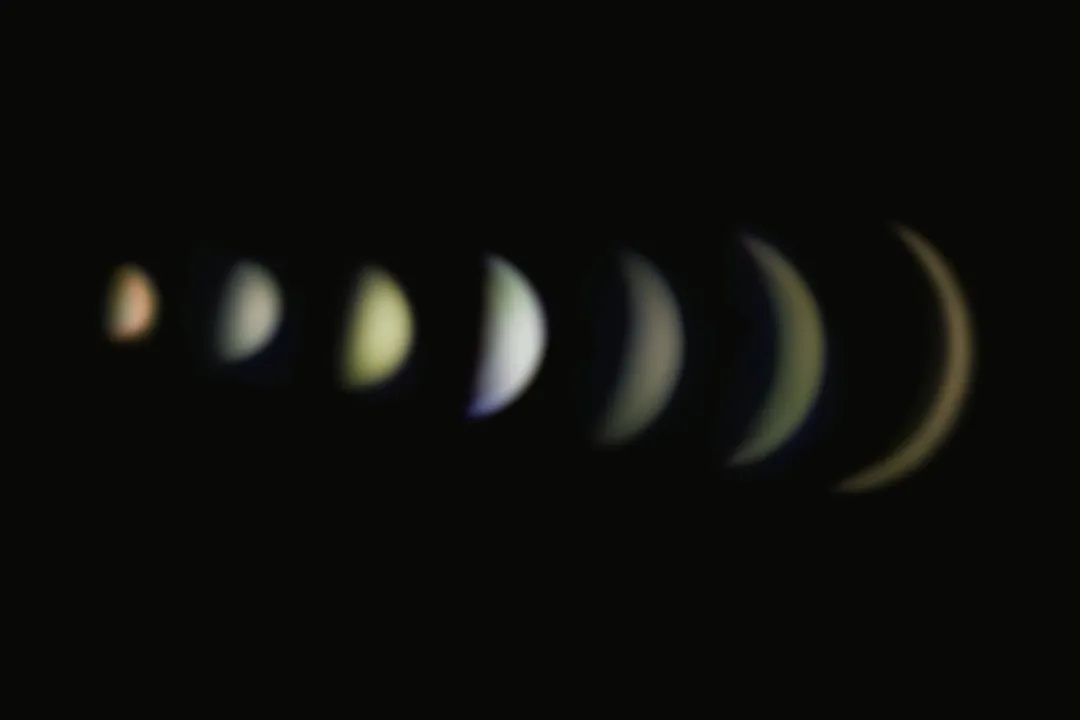
When you spot that intensely bright object in the twilight, you are very likely seeing Venus. [3] Venus holds the title for the brightest natural object in the sky after the Sun and the Moon, meaning it outshines every star and planet when it is optimally positioned. [4] Its brightness means it can sometimes be seen even before the sun has fully set, provided one knows exactly where to look in the western sky. [3]
This planet gets its dual identity—Morning Star and Evening Star—based entirely on its orbital position relative to Earth and the Sun. [6] Since Venus orbits the Sun inside Earth's orbit, it never strays too far from the Sun in our sky. When it appears in the west after sunset, it is catching the last rays of the Sun, fulfilling its role as the Evening Star. [6] Conversely, when it becomes visible in the east before sunrise, it earns the title of Morning Star. [6] The time between these visibility windows occurs when Venus is too close to the Sun in the sky to be seen, or when it passes behind the Sun from our perspective. [8]
# Reflective Power
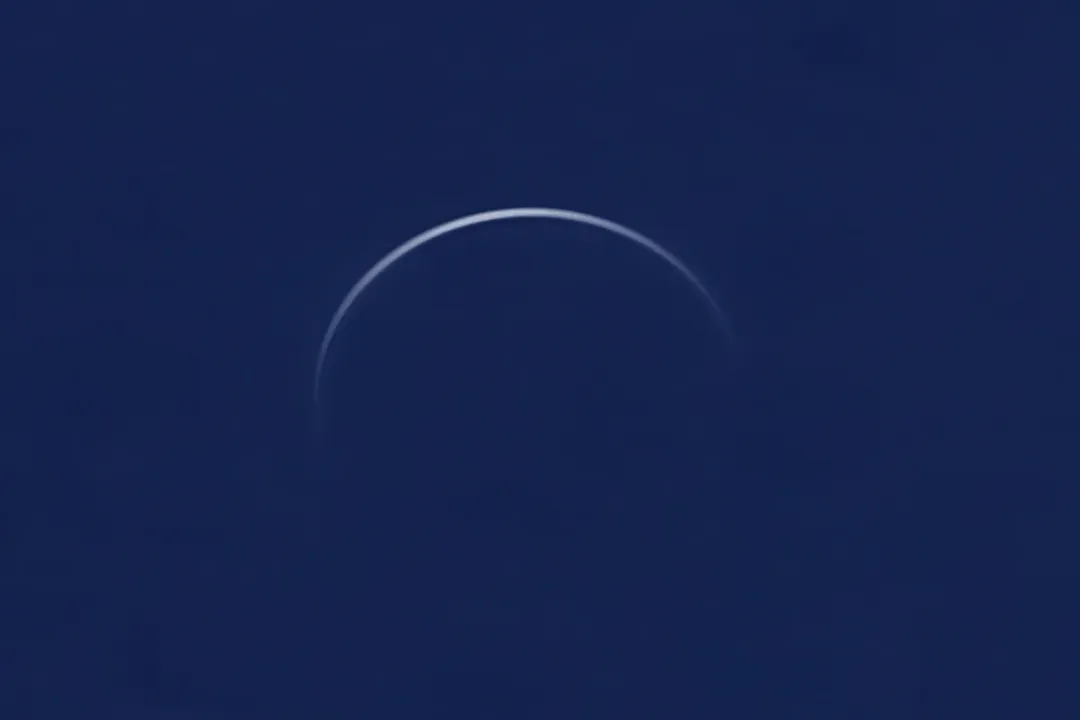
The sheer brilliance of Venus isn't due to any inherent light generation—it is, after all, a planet, not a star—but rather its supreme capability to reflect sunlight. [1] Several factors contribute to this astonishing reflectivity. Firstly, Venus is our closest planetary neighbor, meaning the sunlight it reflects has a shorter distance to travel to reach our eyes compared to Mars or Jupiter, resulting in a brighter appearance here on Earth. [1]
However, distance alone does not explain its dominance over other visible planets like Jupiter. The key lies in its thick, dense atmosphere, which is almost entirely composed of carbon dioxide and covered by massive, high-altitude clouds of sulfuric acid droplets. [1] These sulfuric acid clouds are extraordinarily efficient reflectors of sunlight. While the surface of Venus is hot enough to melt lead, those high clouds reflect about 70% of the sunlight that strikes them back into space, making the planet appear incredibly luminous from our vantage point. [1] In contrast, planets like Mars, which has a much thinner atmosphere and a darker, dusty surface, absorb more light and thus appear much fainter. [1]
If you observe this bright object over several evenings, you will notice its position shifting slightly against the background stars, confirming it is a planet rather than a fixed star. [9] Furthermore, a common identifier for Venus is that its light appears steady, unlike the twinkling of distant stars, which is caused by Earth’s turbulent atmosphere distorting the starlight. [9] A useful observation technique involves noting that if the object is very low on the horizon right after sunset, the atmospheric blurring and absorption near the horizon will often make even Venus appear to twinkle briefly, but it will quickly stabilize as it rises higher. [1]
# Orbital Dance
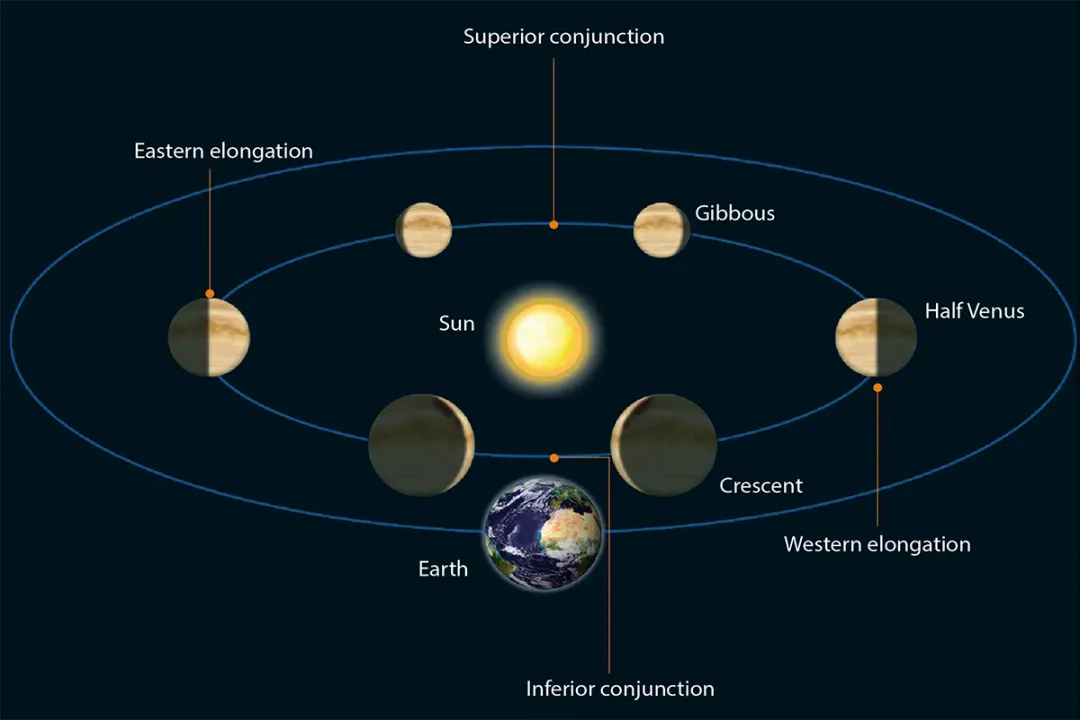
The specific timing and location of Venus in the sky are governed by a concept called elongation. [8] Elongation measures the angular distance between Venus and the Sun as viewed from Earth. [8] When Venus reaches its greatest elongation east of the Sun, it appears at its maximum angular separation from the Sun in the evening sky, positioning it perfectly for brilliant viewing shortly after sunset. [8] This event happens roughly every 584 days. [8]
The greatest elongation dictates how long after sunset the planet will remain visible. If Venus is near its greatest eastern elongation, it sets later, staying visible for a longer period of twilight. [8] Conversely, when it moves toward inferior conjunction (passing between Earth and the Sun), it sets much sooner after the Sun, sometimes disappearing from view entirely within minutes of the sun going down. [8] For observers in the Northern Hemisphere, when Venus is the Evening Star, it is always found in the western sky. [7]
An interesting consideration for local viewing is how the time of year interacts with this orbital position. Right after sunset, the sky darkens quickly in winter, allowing the bright light of Venus to stand out dramatically against a nearly black backdrop sooner than it would in the long summer twilight. [1] This immediate contrast can sometimes make the planet seem brighter to the casual observer in the colder months simply because the background is darker sooner. [1]
# Atmospheric Glow
While Venus is the most frequent answer to the question of a bright light after sunset, there is another, entirely different phenomenon that can create a bright band of light near the horizon: the afterglow. [2] The afterglow is not a single point object, but rather a widespread illumination effect caused by sunlight scattering off fine dust particles in the upper atmosphere long after the sun has physically dropped below the horizon. [2]
This effect manifests in a few ways. One component is the Belt of Venus, also known as the antitwilight arch. [2] This appears as a pinkish or reddish horizontal band visible above the eastern horizon, directly opposite where the sun has set, as the last direct rays illuminate the dust layer. [2] Conversely, in the direction where the sun just set (the west), there is often a bright, bluish-white band of light directly above the horizon where the light is still being scattered by the atmosphere near the horizon line. [2] This is the general atmospheric afterglow. It is crucial to differentiate this broad, colored, and hazy illumination from the sharp, steady, singular point of light that is Venus. [2] If the "bright light" you see is a broad, fading band of color near the horizon rather than a distinct star-like object, you are observing atmospheric scattering effects. [2]
# Fading Point
Sometimes, an object that was incredibly bright begins to fade over the course of an hour or two after sunset, leading to confusion. [9] If the very bright object observed starts to diminish significantly in brightness, it could mean one of two things: either it is a planet like Venus sinking toward the horizon, where the atmosphere increasingly dims its light before it sets, or it might be a temporary source. [9]
While Venus’s light fades gradually as it sets, observers have sometimes confused other phenomena. For example, a satellite catching the last direct sunlight high in the atmosphere can appear surprisingly bright for a few minutes before it passes out of the illuminated zone and vanishes, often looking much like a bright star that suddenly winks out. [9] If the light vanished abruptly rather than setting below the geographical horizon, consider if the object was moving in a straight path across the sky, which is characteristic of an orbiting body rather than a planet fixed relative to the background stars over that short timescale. [9]
To help distinguish between the planet and something transient or a bright star, take a moment to check star charts or an astronomy app for what is currently positioned in that area of the sky. If the sky is generally dark enough to see fainter stars, but one object dominates by several magnitudes, the probability strongly favors Venus during its visible phases. [4]
# Visual Check
Confirming the identity of that post-sunset illumination is an exercise in simple observation. Here is a short procedure to assess what you are looking at:
- Locate the Light: Pinpoint the exact location in the western sky immediately after sunset. [3]
- Assess Steadiness: Does the light twinkle noticeably, or is it a steady, unwavering beacon? Steady light points to a planet. [9]
- Note Shape: Is it a distinct, sharp point of light, or is it a broad, colored band of illumination low to the horizon? A sharp point is likely Venus; a band is likely afterglow. [2]
- Track Over Days: If you can identify it on one night, check the exact same time the next evening. If the object has moved noticeably east relative to the same background stars (as seen from a fixed spot), it is moving along the ecliptic, confirming it as a planet like Venus. [8] A fixed star will maintain its position relative to its neighbors night after night. [9]
It is often helpful to make a routine check on the same day each week for a short period. For instance, if you note the bright object is visible at 6:30 PM on the first Tuesday of the month, check again the following Tuesday. If you are observing Venus near greatest elongation, you will notice it shifting slightly further from the sunset point each evening, which is a signature of its gradual orbit pulling it closer to the horizon line between appearances. [8] This consistent, predictable movement over time solidifies the identification far better than a single night's observation, which might be confused with an unusual atmospheric event or an orbiting satellite. [9] The sheer, overwhelming brightness remains the most immediate clue pointing toward Venus above all other natural celestial objects visible to the naked eye. [4]
Related Questions
#Citations
What Is That Bright Light In The Sky After Sunset? - Forbes
Afterglow - Wikipedia
The bright point of light in the west after sunset is Venus
Venus, currently the brightest object in the sky (after sunset) (OC)
Bright light in sky after sunset - Facebook
Why Venus is called the morning star or the evening star
What is the light in the southwest sky every night? - Quora
Venus greatest distance from the sun August 14-15, 2026 - EarthSky