What causes trophic cascades?

The concept of a trophic cascade describes how changes occurring at one level of a food web can send reverberations down through multiple subsequent levels, fundamentally reshaping the ecosystem structure. [1][3] Rather than a simple linear transfer of energy, these cascades show that the relationships between species are deeply interconnected, often in surprising ways. To understand what causes these dramatic shifts, one must examine the dynamics of predation and herbivory across an entire chain, rather than focusing on adjacent links alone. [7]
# Defining Structure
Ecosystems are organized into trophic levels: the producers, like plants and algae, form the base; primary consumers, or herbivores, feed on them; and secondary or tertiary consumers, the predators, regulate the herbivores. [7] A trophic cascade is specifically triggered when a change at the highest trophic level—usually the removal or addition of a top predator—has a significant, non-linear impact on the producers at the lowest level. [3] This contrasts with simple predator-prey dynamics where the effect is only seen one level down. In a cascade, the impact skips a level or more. [1]
For instance, if a predator population declines, the herbivores it normally controls will increase. This surge in grazers then exerts immense pressure on the producers, leading to a dramatic reduction in plant biomass. The cause in this scenario is the loss of the top-down control exerted by the predator. [3]
# Initiating Factors
The primary drivers, or causes, of classic trophic cascades are almost always related to the alteration of populations at the highest feeding levels. [3] This usually means a significant demographic shift in the apex or keystone predator. These shifts are frequently linked to human activity, such as overharvesting, habitat loss, or the introduction of invasive species, though natural extinction events can also serve as the initiating cause. [5]
The key mechanism is the removal or introduction of a species that exerts strong top-down control over the system. [1]
- Predator Removal: This is the most frequently cited cause. When a keystone predator is absent, the entire structure shifts upward in terms of population size, and downward in terms of producer health. [3]
- Predator Reintroduction: Conversely, reintroducing a natural regulator can rapidly reverse decades of degradation caused by its absence, demonstrating that its former absence was the cause of the previous ecological state. [5]
- Herbivore Introduction: While less common in classic models, the introduction of a highly effective, non-native herbivore can also cause a cascade by exerting excessive top-down pressure on primary producers. [2]
Essentially, the cause of the cascade is the release or imposition of strong control at the upper end of the food web. [3]
# Top Down Force
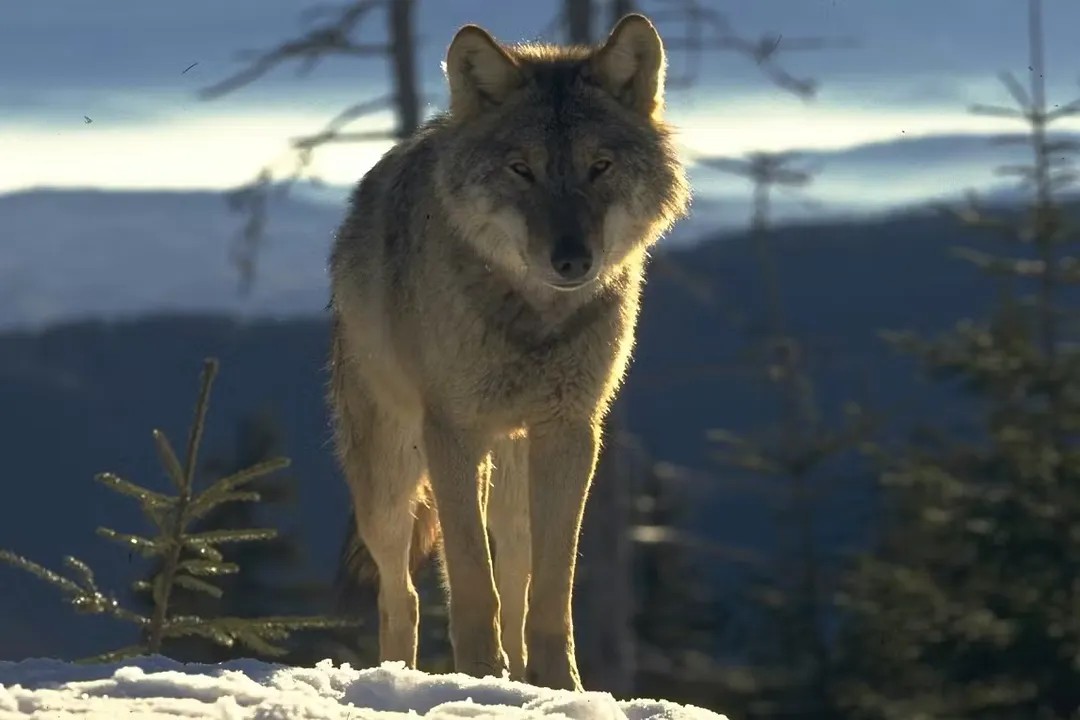
The classic illustration of a trophic cascade relies on the concept of top-down forcing, where the consumption rate of higher-level organisms dictates the biomass of lower-level organisms. [1] The famous ecological study involving wolves (Canis lupus) in Yellowstone National Park serves as a powerful example of this causation. [4]
When wolves were reintroduced, they began to regulate the elk (Cervus canadensis) population. This regulation meant the elk spent less time heavily grazing riparian areas. The resulting reduction in grazing pressure caused the growth of willow and aspen stands to rebound significantly. [4] The cause wasn't simply the presence of the wolves; it was the return of a functional regulatory link that had been severed for seventy years. [5] The direct impact was on the elk, but the cascading effect reshaped the riverbanks by allowing vegetation to thrive, which in turn stabilized stream banks and created better habitat for beavers and songbirds. [4]
# Resource Limits
While top-down effects are dramatic, they are not the only factor determining ecosystem health, and they often interact with bottom-up controls. [7] Bottom-up control refers to the availability of essential resources, like sunlight, water, or soil nutrients, which limit the growth of the producers at the base of the food web. [1]
If an ecosystem is severely limited by resources—for example, nutrient-poor soil—the addition of a top predator may have a muted effect on the producers, because the plants simply cannot grow significantly larger, even if the herbivores are controlled. [7] In these cases, the bottom-up constraint acts as a governor on the potential cascade. The cause of the observed change is therefore a combination: the potential for a cascade is set by the top predator's presence, but the magnitude of the cascade is set by the underlying resource availability. [1]
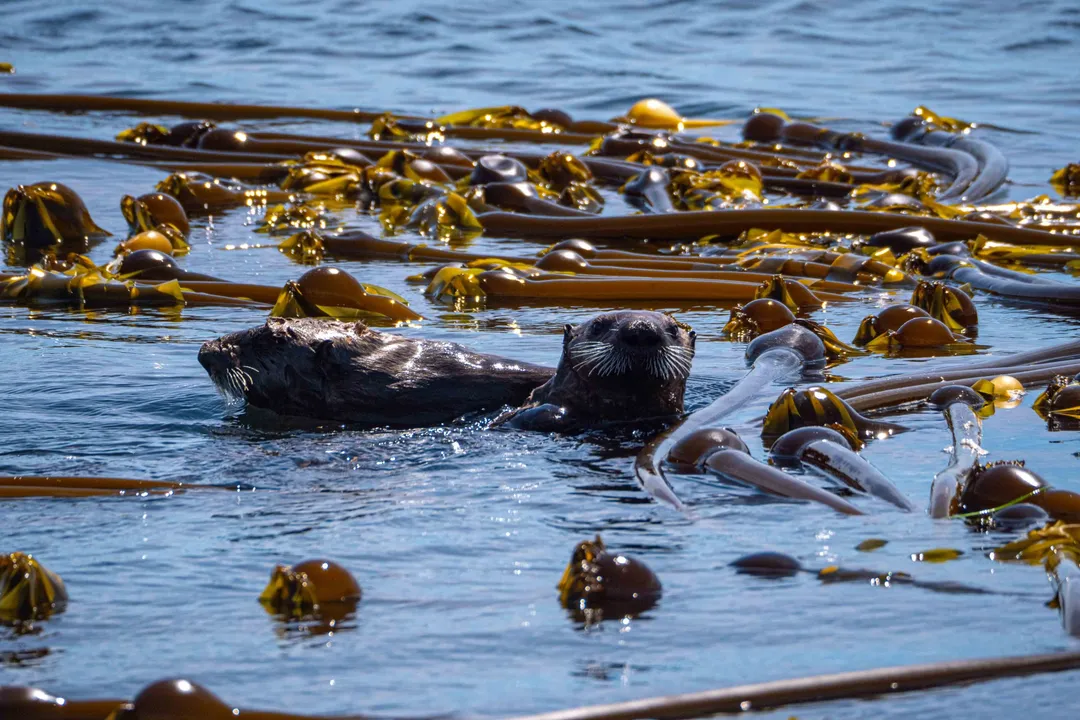
Terrestrial cascades, especially those involving large mammals like elk, often manifest over years or decades, dependent on the slow growth rates of trees and shrubs. In contrast, marine systems, such as the classic sea otter/urchin/kelp dynamic, can sometimes show shifts in just a few years due to the faster growth cycle of kelp and the mobility of sea urchins, making the initial cause-and-effect relationship seem more immediate, even if the underlying mechanism is the same. [1][3]
# Ecosystem Specifics
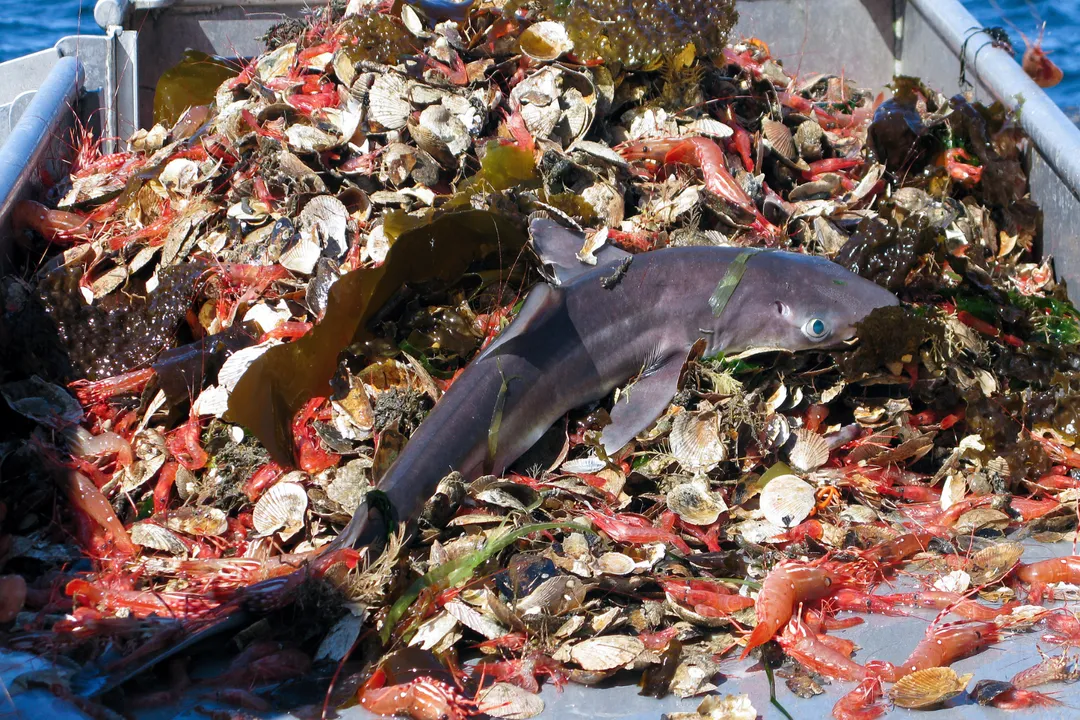
Trophic cascades are not exclusive to terrestrial environments; they are fundamental drivers in aquatic systems as well, though the key players differ. [2] In the ocean, the role of keystone predators like large sharks is instrumental in maintaining structure. [6] The decline of large sharks can lead to an increase in their prey, often medium-sized predators like rays or smaller carnivorous fish. These mid-level predators can then overconsume shellfish or seagrass beds, leading to a cascade that significantly alters the seafloor habitat. [6]
Another well-documented aquatic cause involves the sea star Pisaster ochraceus. When this predator is removed, mussel populations, which it normally keeps in check, can explode in size and dominate the rocky intertidal zone, crowding out dozens of other invertebrate species. [1] The cause here is the disruption of that single, effective predator-prey link between the sea star and the mussel, leading to reduced biodiversity in the lower levels. [1]
# Detecting Ripples
Identifying the true cause of an ecological shift can be challenging because ecosystems rarely operate in isolation, and multiple factors are always at play. [5] A trophic cascade is often suspected when researchers observe a non-linear response in the producer population relative to changes at the top. [5] For example, if elk numbers are cut in half, but willow growth triples, that suggests a strong cascading influence rather than a simple, linear dose-response relationship.
Scientists often study these interactions by looking at the relative strength of different trophic links. While the presence or absence of the top predator is the trigger, the resulting cascade is heavily influenced by the behavior and mobility of the intermediate consumers. [2] When analyzing any ecosystem for the cause of observed change, a critical step involves assessing the connectivity between the third trophic level (the top predator) and the first trophic level (the primary producer). If the intermediary second level (the herbivore) is highly mobile or migratory, the top predator's influence might be diffuse or sporadic, leading to weaker, harder-to-prove cascades. Conversely, if the intermediary feeds heavily on a localized resource, the cause (predator loss) will quickly translate into dramatic local effects on the plants. [2]
The central debate in ecology isn't whether trophic cascades happen—evidence strongly suggests they do—but rather how frequently they operate as the dominant structuring force versus being simply one influence among many, such as climate or nutrient input. [5]

# Conclusion
Ultimately, the initiation of a trophic cascade stems from a significant perturbation in the predator-prey balance, almost always involving the highest trophic link in the chain. [3] Whether the cause is a local extinction, the arrival of a novel invasive, or a successful reintroduction, the result is a reorganization that ripples downward, demonstrating that in nature, the creature at the top often exerts the most profound control over the structure and health of the entire system below. [1][3]
Related Questions
#Citations
Trophic cascade | Definition, Importance, & Examples - Britannica
Trophic Cascades Across Diverse Plant Ecosystems - Nature
[PDF] What is a Trophic Cascade?
Trophic Cascades - The Unexpected Effects - Mossy Earth
Understanding patterns and processes in models of trophic cascades
The Big Scientific Debate: Trophic Cascades (U.S. National Park ...
19.3: Trophic Cascades - Biology LibreTexts
Butterfly Effect & Beyond: Trophic Cascades
Trophic Levels Part 2: Cascades and Controls - Ocean Wise
[PDF] Modeling Trophic Cascades: Educator Handout - Wisconsin DNR