Which location offers potentially better long-term preservation for organic remains, excluding surface factors?
Answer
Deep space, far from the Sun's intensity
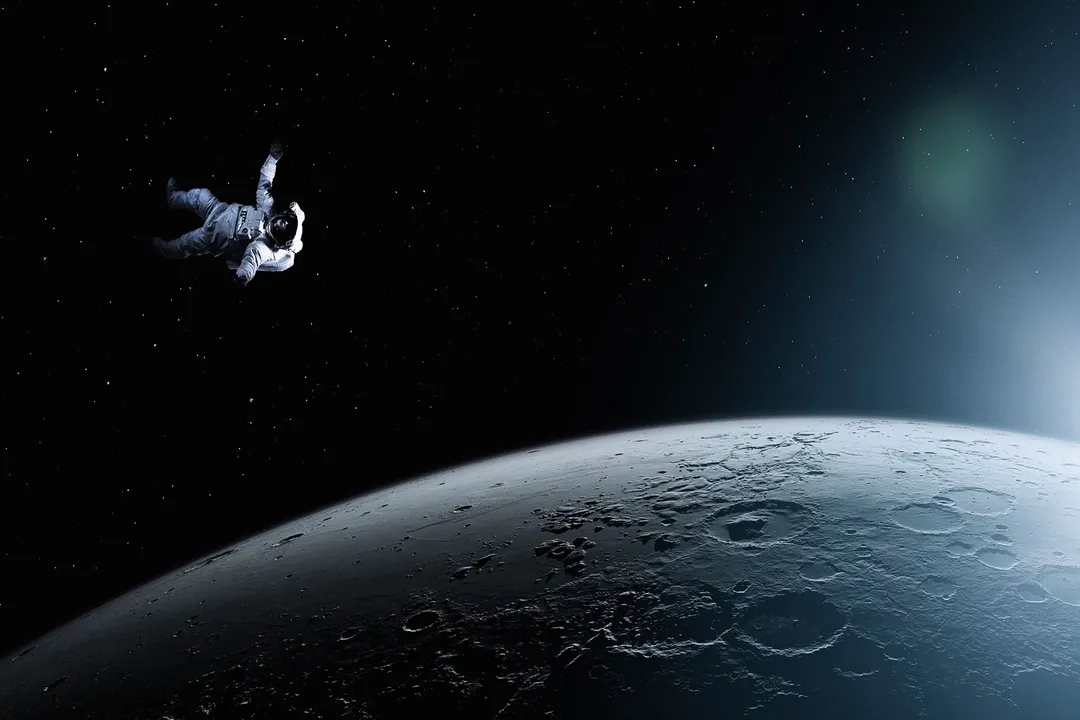
A body adrift in deep space, away from the intense radiation of the Sun, would be preserved even better than one in Earth orbit, where solar radiation and passages through radiation belts accelerate molecular breakdown.
#Videos
Would an Astronaut's Body Decompose on the Moon? - YouTube
Related Questions
Is biological decomposition (putrefaction) faster or slower in the vacuum of space compared to Earth?What is the name for the process where internal body moisture rapidly converts to gas upon exposure to space vacuum?Why does true biological decomposition halt in the vacuum of space?Which primary mechanism drives heat transfer away from a body exposed to the void of space?What state does a human body typically reach after initial dehydration and subsequent cooling in space?What are the primary external forces threatening the physical structure of preserved remains over vast timescales in orbit?What key distinction defines the rapid initial changes occurring to a body exposed to space?What factor causes the boiling point of water inside a body to drop dramatically in the vacuum of space?What causes the body to swell significantly immediately upon exposure to space vacuum?Which location offers potentially better long-term preservation for organic remains, excluding surface factors?