What primary technical limitations of Earth-based observation necessitated placing telescopes into space?
Answer
Atmospheric distortion, light pollution, and absorption of certain wavelengths.
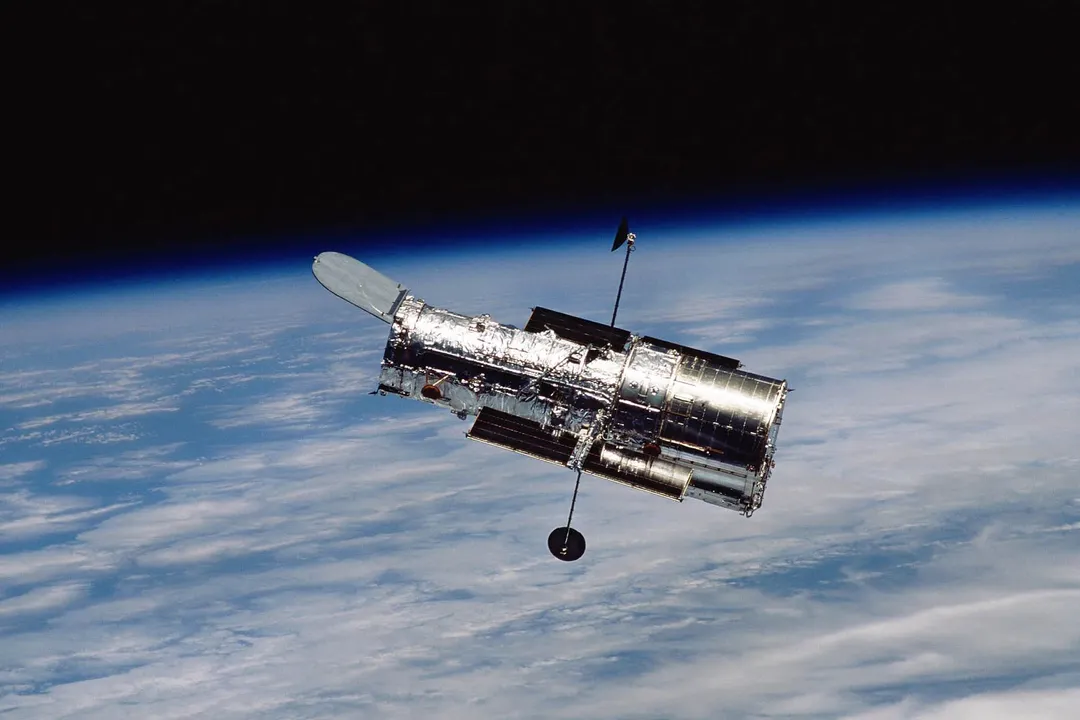
Observing from Earth is hampered by atmospheric distortion and pollution, as well as the atmosphere's absorption properties, which necessitated placing instruments like the Hubble Space Telescope above the atmosphere for greater clarity.
Related Questions
In what year did Galileo Galilei first systematically direct the telescope toward the heavens for scientific scrutiny?Which of Galileo's initial observations directly provided evidence that celestial bodies were imperfect?What crucial discovery provided visible support for the Copernican, or heliocentric, model?What fundamental philosophical impact did the revelation of the heavens' vastness have on humanity's self-perception?What major scientific discipline did the study of astronomy transition into once the telescope provided the data necessary to study the physical properties and dynamics of celestial objects?What primary technical limitations of Earth-based observation necessitated placing telescopes into space?In what year was the Hubble Space Telescope (HST) launched?How did the telescope fundamentally alter the scientific method regarding the natural world?Who is often credited with the invention of the telescope, even though the precise origin remains debated?What practical cultural inheritance resulted from the initial public, yet dangerous, astronomical observations?