During stress accumulation, what causes adjacent rock masses along a fault line to temporarily lock up?
Answer
Friction and resistance
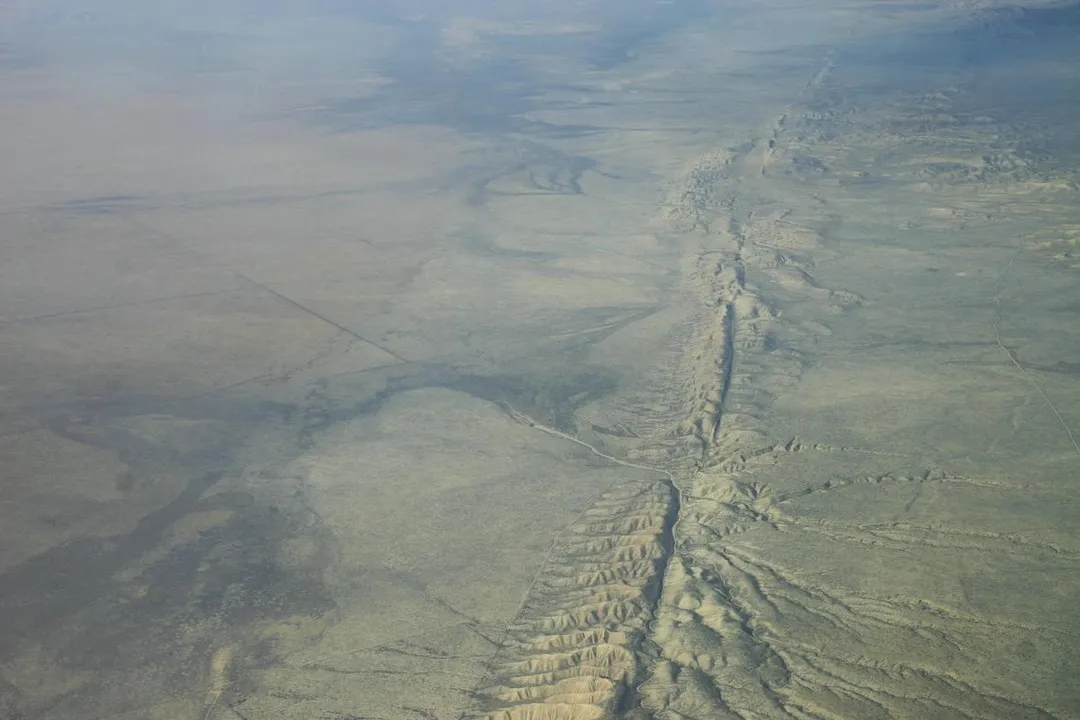
As tectonic plates move, friction and resistance along a fault line cause the adjacent rock masses to lock up, preventing immediate movement even as the plates continue their geological trajectory.
Related Questions
What is the fundamental driver behind seismic activity?What are the fractures in the crust along which rock masses move during an earthquake called?During stress accumulation, what causes adjacent rock masses along a fault line to temporarily lock up?Where does the overwhelming majority of powerful earthquakes occur?What type of fault system is characteristic of convergent boundaries and capable of generating the largest earthquakes?What theory describes the mechanism where rock suddenly ruptures, releasing stored energy after strain exceeds the holding friction?What is the term for the point where the rupture begins underground?How does a fault characterized by plates sliding horizontally past one another accommodate movement?What causes the ground shaking experienced after an earthquake slip?What is the condition necessary for an underwater earthquake to potentially generate a tsunami?