Do we really know how life began?

The sheer scope of asking how life originated from simple chemistry remains one of science’s grandest, most enduring puzzles. Even with decades of focused research across chemistry, geology, and biology, the definitive, universally accepted step-by-step recipe for the first living cell remains elusive, leading many to question just how much we truly understand about that initial spark. [2][5] Modern science approaches this problem by breaking it down into a series of smaller, more manageable chemical hurdles, often referred to under the umbrella term abiogenesis—the natural process by which life arises from non-living matter. [4][5] This isn't about a single moment, but rather a sequence of events that took place perhaps billions of years ago, requiring the transition from basic, inorganic molecules to self-replicating, metabolizing systems enclosed by a membrane. [1][10]
# Knowledge Gaps
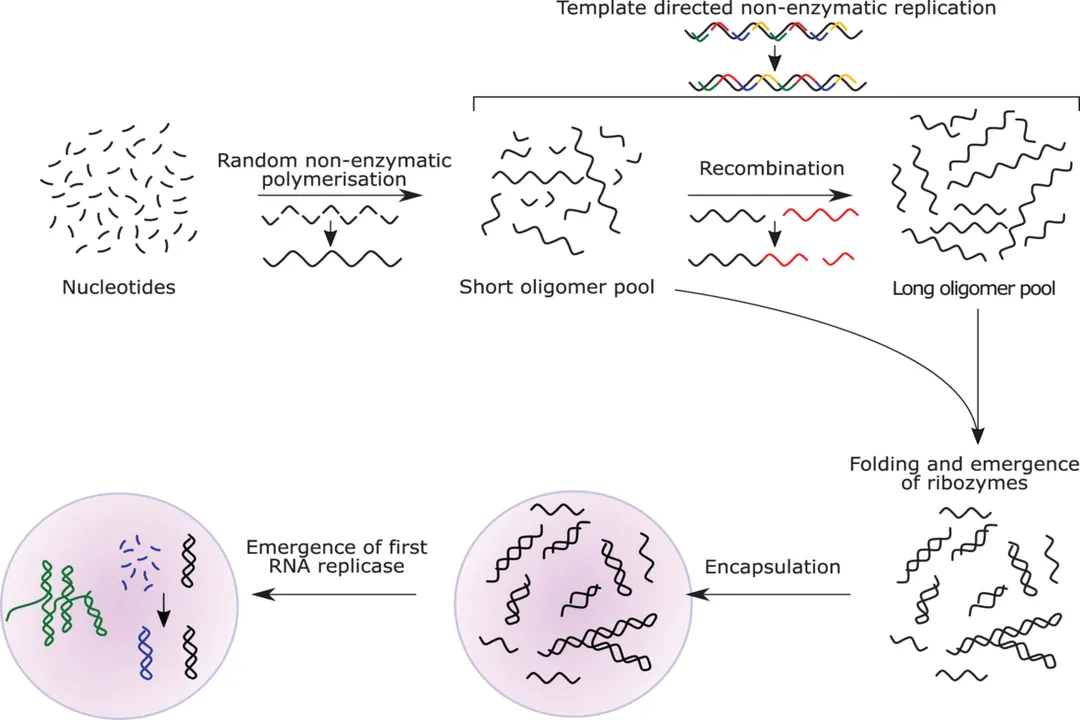
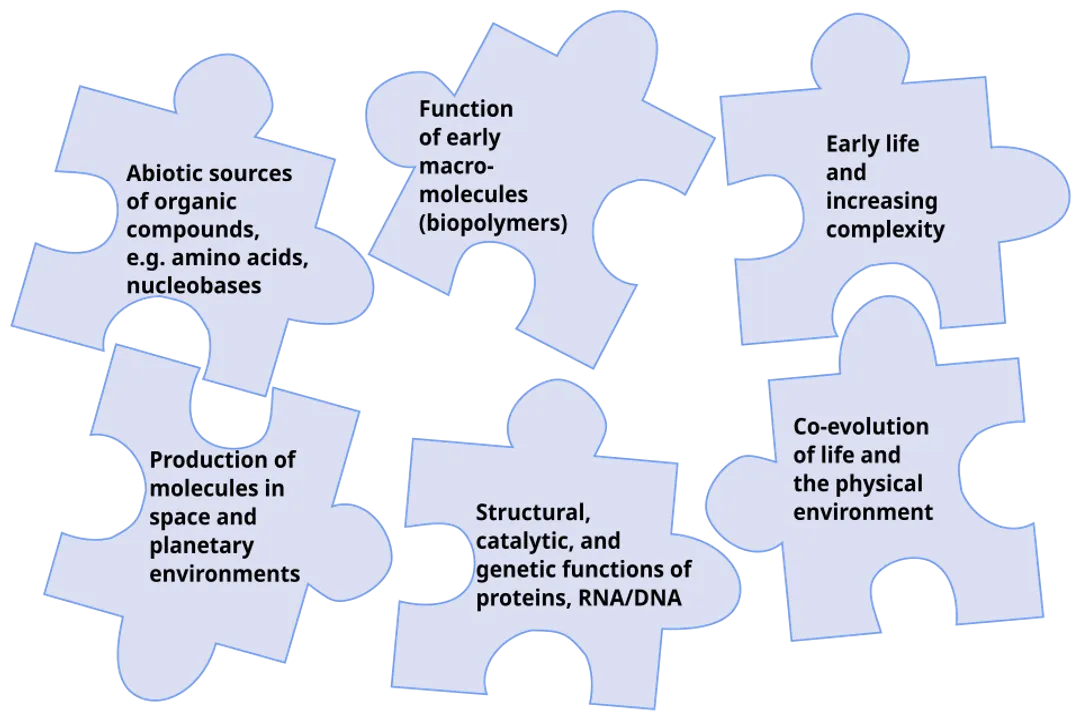
The reason this subject evokes so much discussion, even in dedicated scientific forums, is precisely because a complete, unbroken chain of evidence does not yet exist. [5][2] We have strong evidence for the components that must have been present, and we have observational data on the earliest known life forms, but the critical intermediates—the bridges between geochemistry and biochemistry—are where the mystery resides. [3] Contemporary science recognizes several crucial stages that needed to occur: the formation of the basic organic building blocks, the polymerization of these blocks into functional chains (like RNA or protein precursors), the development of self-replication, and the encapsulation of these systems within a lipid boundary to form a protocell. [1][4] Failures in any one of these steps, or a lack of understanding about how they cooperated, constitute the current scientific gap. [5] Furthermore, what exactly constitutes the beginning of life is itself a point of necessary clarification; is it the first self-replicating molecule, or the first system capable of Darwinian evolution?[10]
# Early Evidence
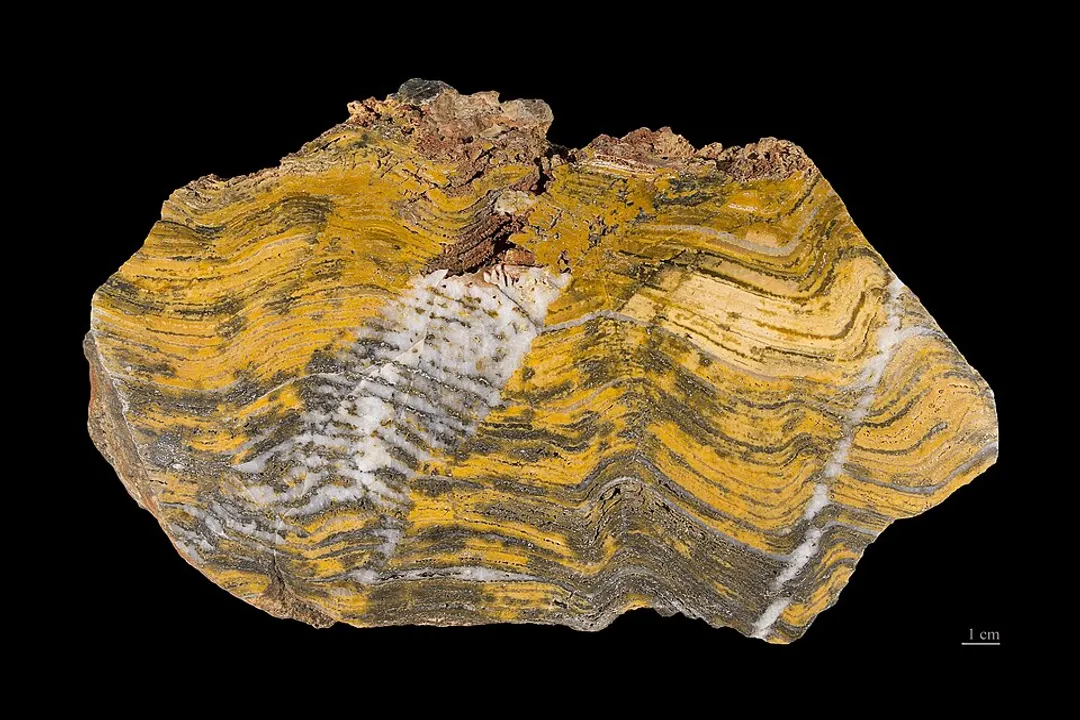
What we do know is rapidly being refined, especially concerning the timeline. For a long time, scientists relied on the oldest undisputed fossil evidence, but more recent geochemical analysis suggests life was established significantly earlier than once assumed. [7] Discoveries of microfossil-like structures or chemical signatures in ancient rocks are pushing the accepted dates back, hinting that the transition from non-life to life may have been a relatively quick process once the environmental conditions were suitable. [7] This acceleration in timeline estimates actually places a greater burden on abiogenesis models; if life appeared quickly, the chemical reactions leading to it must have been quite efficient or highly favored by the early Earth conditions. [9]
For instance, researchers are looking at evidence from rocks dating back nearly four billion years, searching for biological markers like carbon isotopes that are fractionated in a way characteristic of living organisms. [7] This data forces us to recalibrate our models, shifting the required timeline for prebiotic chemistry forward and perhaps suggesting that the environmental "window" for life's emergence was more constrained than previously thought. [9]

# Chemical Assembly
The first major hurdle is generating the basic ingredients. Life as we know it depends on complex organic molecules: amino acids for proteins, nucleotides for DNA and RNA, and lipids for membranes. [1][4] Early atmospheric models, often involving methane, ammonia, water vapor, and hydrogen, suggested that energy sources like lightning or intense UV radiation could drive the formation of these simple organics—a concept famously demonstrated in part by the Miller-Urey experiment. [1] However, newer understanding of Earth's early atmosphere suggests it was far less reducing (meaning it had less free hydrogen and more carbon dioxide and nitrogen) than originally hypothesized, which complicates the simple, high-yield formation of amino acids in that primordial soup scenario. [3]
This shift in atmospheric understanding has spurred investigation into alternative chemical cradles. Instead of a surface "soup," many current theories favor environments protected from harsh surface radiation and capable of concentrating chemicals and providing sustained energy gradients. [9] Deep-sea hydrothermal vents, for example, offer steep temperature gradients, mineral catalysts (like iron-sulfur clusters), and a continuous source of reduced chemical species necessary for energy-releasing reactions. [1][9] The chemical environment there might be far more conducive to the non-biological synthesis of key organic precursors than the surface ocean once thought to be. [1]
# Replicators First
Once the building blocks exist, the next, arguably harder, step is getting them to organize into something that can pass on information. This is the heart of the RNA World hypothesis. [4] This model posits that RNA, not DNA or protein, was the original molecule of heredity and function. [1] RNA has a dual capability: it can store genetic information (like DNA) and it can catalyze chemical reactions (like protein enzymes) via ribozymes. [4] This solves a fundamental chicken-and-egg problem: which came first, the information carrier or the catalyst? If RNA did both jobs, the system could theoretically self-sustain and evolve. [1]
However, synthesizing the RNA building blocks—ribonucleotides—under plausible early Earth conditions has proven incredibly difficult in the lab, often requiring multiple specific, complex steps. [5] This difficulty has fueled alternative ideas that look at simpler, more easily formed polymers or chemical systems taking the lead.
# Metabolism Versus Information
The debate often boils down to which capability—metabolism or heredity—emerged first.
| Hypothesis Focus | Primary Driver | Initial Components | Evolutionary Advantage |
|---|---|---|---|
| RNA World | Information Replication | Nucleotides (RNA) | Inheritance and natural selection at the molecular level [4] |
| Metabolism First | Chemical Cycles/Energy Flow | Inorganic minerals, simple organics | Energy capture and self-sustaining reactions [1] |
| Lipid World | Compartmentalization | Fatty acids forming vesicles | Protection and concentration of reacting molecules [1] |
The Metabolism First view suggests that self-sustaining networks of chemical reactions, perhaps powered by geochemical energy sources like those found near alkaline hydrothermal vents, developed first. [1][9] These primitive chemical cycles, which recycle simple compounds to maintain a steady state, might have preceded complex informational molecules. The genetic machinery would then have been "co-opted" later by these established chemical energy systems. [1] In this view, the system maintaining itself thermodynamically was the precursor to a system replicating informationally. [10]
Consider this comparative thought experiment: Imagine two patches of ocean water. Patch A has free-floating amino acids that occasionally bond randomly. Patch B is a small, rocky niche near a vent where iron sulfide catalyzes the conversion of dissolved and into simple organic acids, with the reaction rate slightly increasing if the reaction products are recycled back into the cycle. The second patch, though lacking genes, has an inherent persistence driven by geochemistry. It is plausible that a precursor to replication evolved only once this persistence was established [Original Insight 1]. The challenge then becomes how the RNA or DNA molecules, once formed, were integrated into these pre-existing metabolic cycles.
# The Role of Boundaries
No matter the primary engine—RNA or metabolism—the system needed a container to become an independent entity capable of evolution, which brings in the Lipid World idea. [1] Fatty acids, simple molecules known to form spheres (vesicles) in water, could have passively encapsulated these internal chemical reactions or replicating molecules. [1] These primitive membranes offer protection from dilution, allow for the concentration of necessary components, and provide a physical boundary across which energy or material gradients can be established—a precursor to cellular homeostasis. [4] A successful protocell might simply have been one whose boundary maintained the internal chemistry better than its neighbors, leading to differential growth or division.
This encapsulation step is often underestimated in public discourse but is chemically fundamental. Without a boundary, even the most complex self-replicating string is just a molecule floating in a vast ocean of random chemicals, unable to pass on its structure effectively to the next generation of that local chemical environment. [3] The physical constraints imposed by a membrane drastically reduce the accessible chemical space, making the emergence of complex, functional chemistry more probable within the confined volume [Original Insight 2].
# Modern Approaches and Synthesis
Because of the inherent difficulty in recreating all steps simultaneously in a lab, modern research often focuses on demonstrating the plausibility of individual steps under extreme constraints, as detailed in newer models. [9] The field is moving away from searching for a single "magic bullet" experiment and towards integrating plausible chemical pathways for all necessary functions—energy processing, building blocks, information storage, and packaging—into a coherent, multi-stage narrative. [3][9]
For instance, research has successfully demonstrated that certain peptide chains (protein precursors) can exhibit catalytic activity without the complex machinery of modern ribosomes, suggesting that rudimentary protein-like activity might have predated or co-existed with the RNA World. [1] This suggests a potential "Peptide-RNA World" hybrid, where simpler peptides handled early catalytic tasks while RNA took over the more demanding job of reliable information transfer as chemical conditions allowed for more complex nucleotide synthesis. [1]
The complexity of abiogenesis is such that it requires expertise spanning multiple disciplines, explaining why no single lab or discipline can claim to have the full answer yet. [5] It requires chemists to design plausible synthesis routes, physicists to model energy landscapes, and geologists to confirm the environments that existed at the right time. [5]
# Refining the Start Date
The impact of a revised, earlier timeline on our understanding cannot be overstated. If life arose, say, $3.9$ billion years ago, that leaves a much shorter window between the cooling of the Earth's crust (around $4.4$ billion years ago) and the development of complex systems capable of evolution. [7] This compresses the time available for slow, random chemical accumulation. This compression reinforces the need for environments—like those near active vents or specific mineral surfaces—that actively accelerate the necessary chemical reactions rather than just passively supporting them. [9] The faster life appeared, the more certain we can be that the chemical pathway was highly favorable, almost inevitable, under the conditions present on early Earth. [7] This pushes the focus of investigation away from "could it happen?" and toward "how quickly must it have happened?". [5]
Ultimately, modern science doesn't claim to have the full answer, but it has provided a much clearer map of the landscape. We know the destination (a cellular life form), we have identified the necessary stops (monomers, polymers, enclosure, replication), and we have robust theories about the terrain between them. [4] The inability to synthesize a living cell from scratch in a jar today is not a failure of the scientific method, but a reflection of the immense complexity packed into the simplest living entity and the vast temporal and environmental gap we must cross in a laboratory setting. [2][5] The ongoing effort is one of chemical archaeology, piecing together molecular fossils and testing environmental scenarios until the entire chain of emergence glows with scientific certainty.
#Videos
How Did Life Begin on Earth? We Asked a NASA Expert - YouTube
Related Questions
#Citations
Here's why scientists don't know how life on Earth began
How exactly did life evolve from nothing? Can someone ... - Reddit
The origin of life on Earth, explained | University of Chicago News
Abiogenesis - Wikipedia
Why does modern science still not know how life began on Earth?
How Did Life Begin on Earth? We Asked a NASA Expert - YouTube
We now know that life began on Earth much earlier than we thought
Early Life on Earth – Animal Origins
New models shed light on life's origin - NSF
How Did Life Begin? - Common Question - BioLogos