Why is our planet so important?

Our world is the only known place teeming with life, a vibrant, complex system held together by delicate balances we often take for granted. It is not just the ground beneath our feet or the water we drink; it is the singular, irreplaceable environment that permits human existence and the flourishing of countless other species. Understanding why this planet matters requires looking past the immediate comforts it provides and grasping the fundamental physics and chemistry that make it an anomaly in the vastness of space. This home, orbiting a star at just the right distance, offers conditions so specific—liquid water, a protective atmosphere, and a stable magnetic field—that its value becomes immeasurable when compared to the silent, sterile environments elsewhere.
# Physical State

The Earth’s fundamental importance is rooted in its physical composition, which allows for liquid water to persist across its surface. This planet is composed of roughly 71 percent water, with the remaining area consisting of landmasses. What sets our world apart is not merely the presence of water, but its state; water in its liquid form is essential for all known biological processes. Furthermore, the atmosphere itself is a crucial shield and a breathing mixture, primarily composed of nitrogen and oxygen, which supports terrestrial life. These atmospheric gases are constantly cycled and replenished through natural processes, making the air we inhale every second a direct gift from planetary systems.
The scale and gravitational pull of the Earth are also finely tuned. Its mass is sufficient to retain the necessary atmosphere and maintain the internal heat that drives geological processes, yet not so great as to crush its inhabitants or hold onto an atmosphere too thick for sunlight to penetrate effectively. This precise set of physical parameters establishes the necessary stage upon which biological complexity can unfold.
# Life Support

The true wealth of our planet lies in the services rendered by its living ecosystems, services that civilization depends upon entirely. These "natural capital" systems provide essentials like clean water, breathable air, nutrient cycling for food production, and climate regulation. Consider the air itself. While nitrogen makes up about 78% of the atmosphere, the approximately 21% of oxygen, constantly renewed by photosynthetic life, is the non-negotiable ingredient for nearly all complex animal life, including humans. If we were to calculate the cost of engineering a contained system that could reliably replicate just the atmospheric function for a major city—including gas separation, purification, and consistent replenishment—the expense would be astronomical, perhaps even impossible to sustain long-term.
The oceans play an undeniable role in this life support structure. They are vast, dynamic bodies that cover the majority of the globe, influencing weather patterns globally and acting as the largest reservoir of life on Earth. They absorb significant amounts of heat and carbon dioxide, helping to moderate global temperatures and preventing more rapid shifts in the climate that would otherwise destabilize terrestrial ecosystems.
The sheer diversity of life, or biodiversity, acts as the planet’s insurance policy. Every species, from the smallest microbe fixing nitrogen in the soil to the largest whale regulating ocean chemistry, contributes to the overall stability and productivity of the biosphere. When we look at the resources required for a high-level civilization, we aren't just talking about minerals and oil; we are talking about the functioning biological infrastructure that makes agriculture possible and keeps the water clean enough to treat and drink.

# Ocean Influence
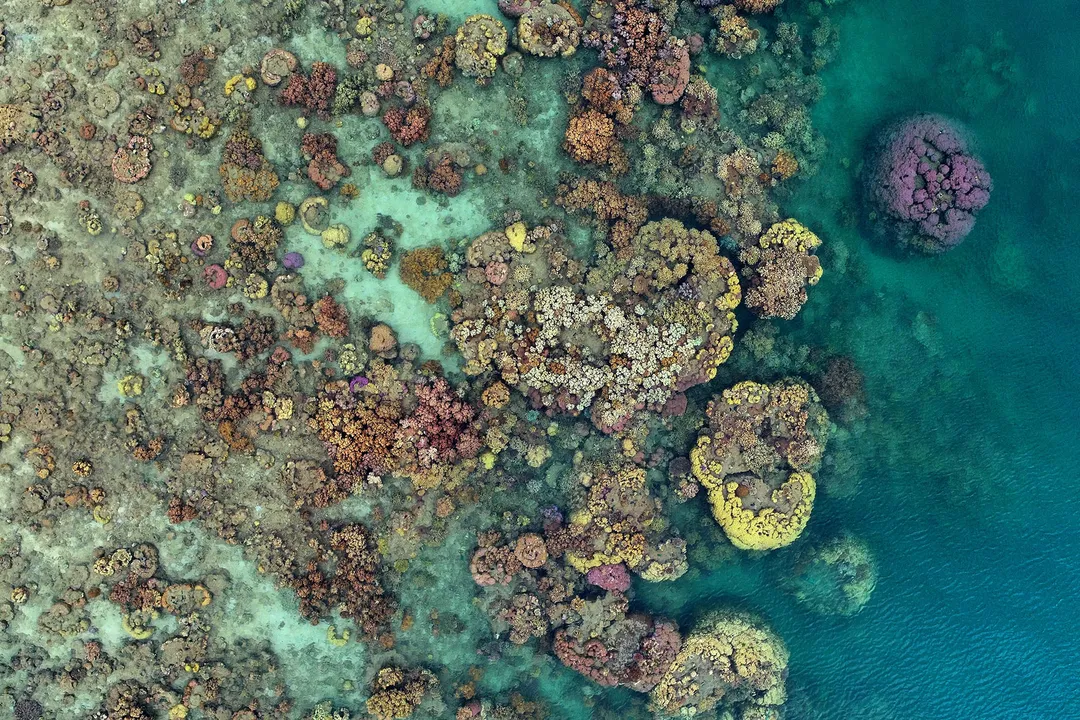
The marine realm deserves specific attention because its scale dwarfs terrestrial considerations. The ocean is not merely a large body of water; it is a primary engine of the global climate system. It dictates rainfall patterns, redistributes heat from the equator toward the poles, and houses an incredible array of life that forms the base of many critical food chains. To value the planet is to recognize the ocean's contribution to every aspect of our existence, from the weather forecast to the food on our plates.
If we were to map the services provided by the oceans—like buffering climate, producing a significant portion of the world's oxygen through phytoplankton, and sustaining fisheries—we would see that our continued access to these benefits is entirely dependent on the health of marine ecosystems. The relationship is simple: a damaged ocean system directly translates to an impaired global climate and reduced resource availability for humanity.
# Price Paid
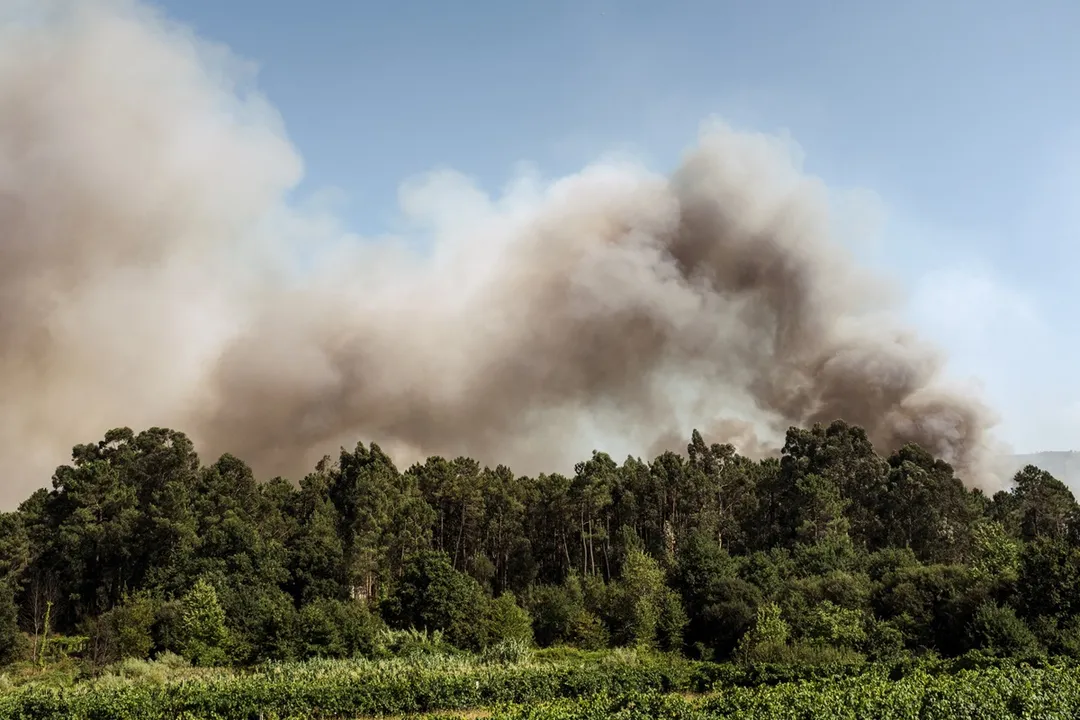
For centuries, human civilization operated under the illusion that the planet's resources were limitless and its capacity to absorb waste was infinite. This mindset has led to widespread plundering of natural assets, and now, we are beginning to pay the inevitable price for that ecological debt. This is not abstract environmentalism; the consequences are tangible and directly affect human well-being and societal stability.
When the environment suffers, human health suffers alongside it. Pollution of air and water sources, driven by unsustainable industrial and agricultural practices, directly correlates with rising rates of respiratory and other diseases. The deterioration of natural buffers, like wetlands or forests, increases vulnerability to extreme weather events, which cost economies untold resources in recovery and lead to human displacement and loss of life. We are seeing a feedback loop where environmental degradation generates socioeconomic stress.
A critical point often overlooked is the temporal disconnect between cause and effect. We might extract a resource today, enjoy the immediate economic benefit, but the ecological cost—the diminished productivity of the soil, the collapse of a local fishery, or the destabilization of a weather pattern—might not fully manifest for decades. This delayed reckoning requires a shift in how we value planetary assets today versus the burden placed on future generations. For instance, while we can technically develop desalination plants or synthetic food production methods (as implied by the potential for a high-level civilization), the energy expenditure and infrastructure required make these poor substitutes for natural, self-sustaining cycles.
To illustrate this cascading failure potential, consider the issue of pollinators, like bees. While sources do not explicitly detail population numbers, the general concept of biodiversity implies their necessity. If pollinator populations decline due to pesticide use or habitat loss, the resulting drop in yield for many staple crops like fruits and vegetables creates immediate food scarcity. This is a scenario where technological advancement cannot instantly fill the gap left by a missing ecological service, forcing communities to divert vast resources toward artificial solutions rather than wealth creation.
# Civilization Resources
The Earth's importance is also measured by its capacity to support not just subsistence, but civilization—the complex structures of governance, technology, art, and science that define advanced human life. This requires an immense and steady flow of raw materials, stable climatic zones conducive to agriculture, and predictable environmental conditions that allow for long-term planning and investment. Our planet has provided the unique concentration of elements—metals, rare earths, fossil fuels (historically), and fertile topsoil—that fueled the industrial and technological revolutions.
The critical difference between mere survival and true civilization lies in surplus. A functioning planet generates a surplus of resources (food, clean water, stable energy access) that can be channeled into non-essential pursuits like education, medicine, and infrastructure. When environmental health declines, a larger percentage of societal effort must be redirected merely to maintain basic conditions—fighting pollution, relocating from flood zones, or struggling against crop failure—thus shrinking the available surplus for progress. Therefore, the planet's importance is directly proportional to its ability to maintain this positive surplus state.
This inherent richness, however, is not infinite or guaranteed in perpetuity. While the Earth has the capability to support civilization, that capability is conditional upon responsible management. It demands a deeper level of understanding and respect for the processes that maintain the foundational conditions—a commitment to learning what is truly needed for planetary health. The recognition of our home as a finite, interconnected system, an "island of meaning," underscores the responsibility that comes with occupying such a rare and precious location. This knowledge base, which allows us to understand these intricate workings, is perhaps the most valuable resource of all.
#Citations
Facts About Earth - NASA Science
Why is our planet so important? - Geographical Magazine
Why is our planet so important? : r/environment - Reddit
Protecting Our Planet Starts with You
Why it's important that we value nature - WWF-UK
Five Reasons Why We Need Earth and Earth Needs the Sun - NSO
Learn for our planet: What you need to know - UNESCO
10 Reasons We Should Celebrate Our Planet - Tentree
For centuries we have plundered our planet. Now we are paying the ...
Why is our planet perfectly capable of not only sustaining human life ...