What makes a planet have life?
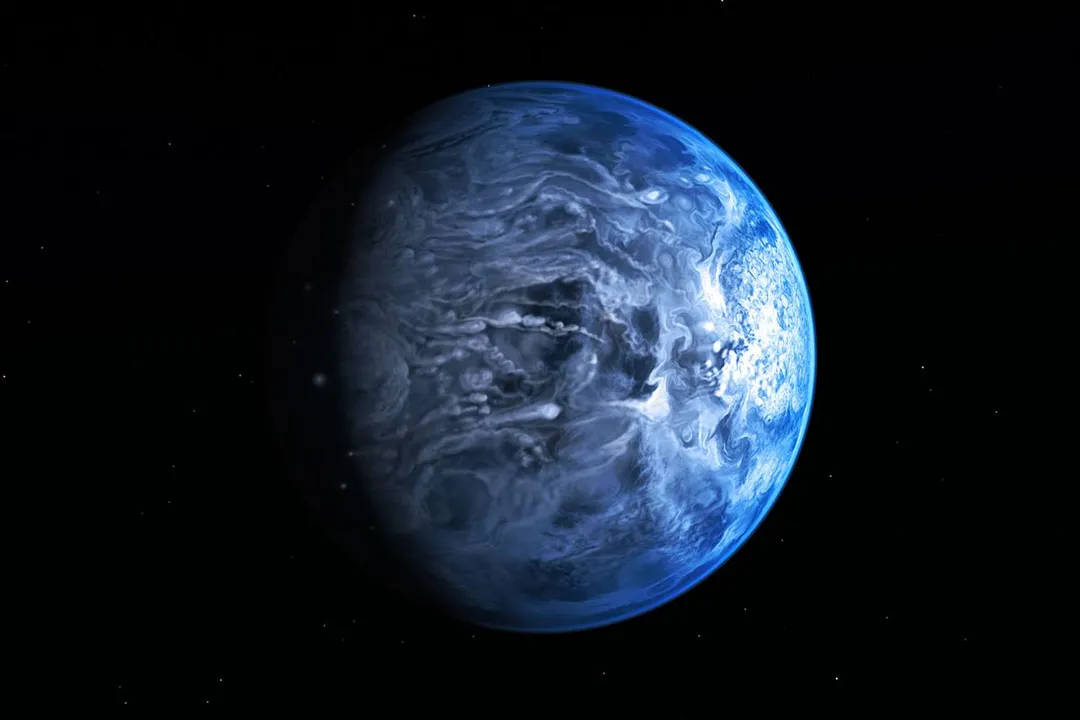
The conditions necessary for a planet to support life, as we understand it, revolve around a delicate confluence of chemistry, energy, and sustained planetary regulation. While Earth remains the sole confirmed example of a world teeming with life, astrobiologists consistently point to a handful of non-negotiable requirements needed to sustain biological processes over astronomical timescales. [3] The search for extraterrestrial life is fundamentally the search for worlds that mirror these conditions, most notably the presence of liquid water. [2]
# Water Zone

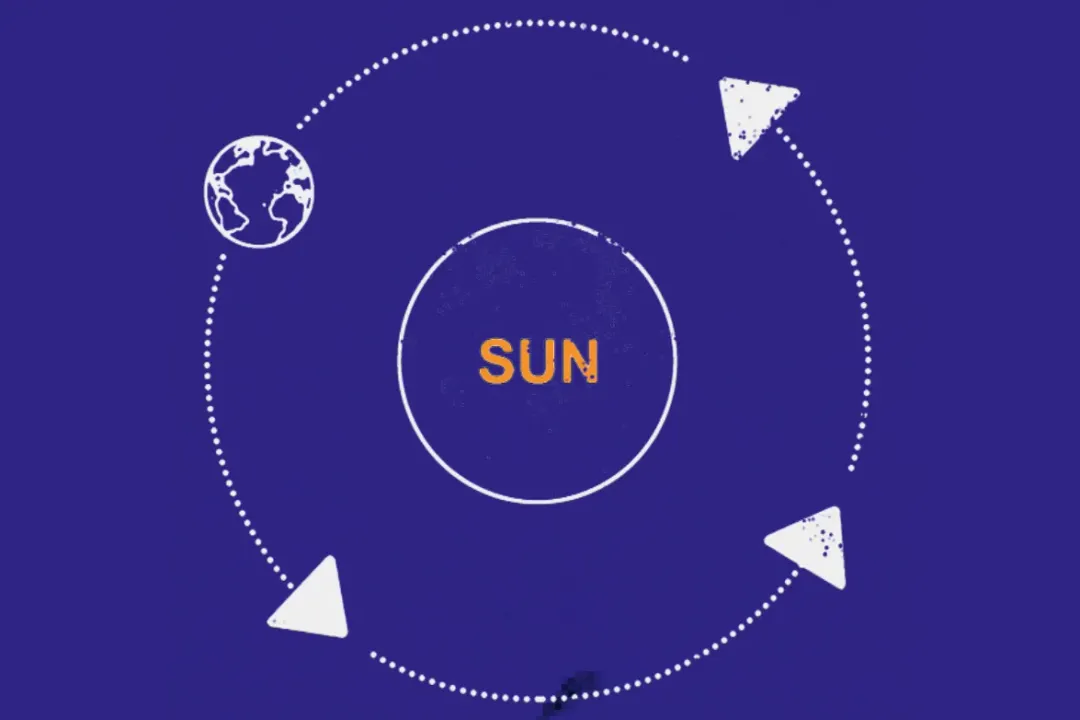
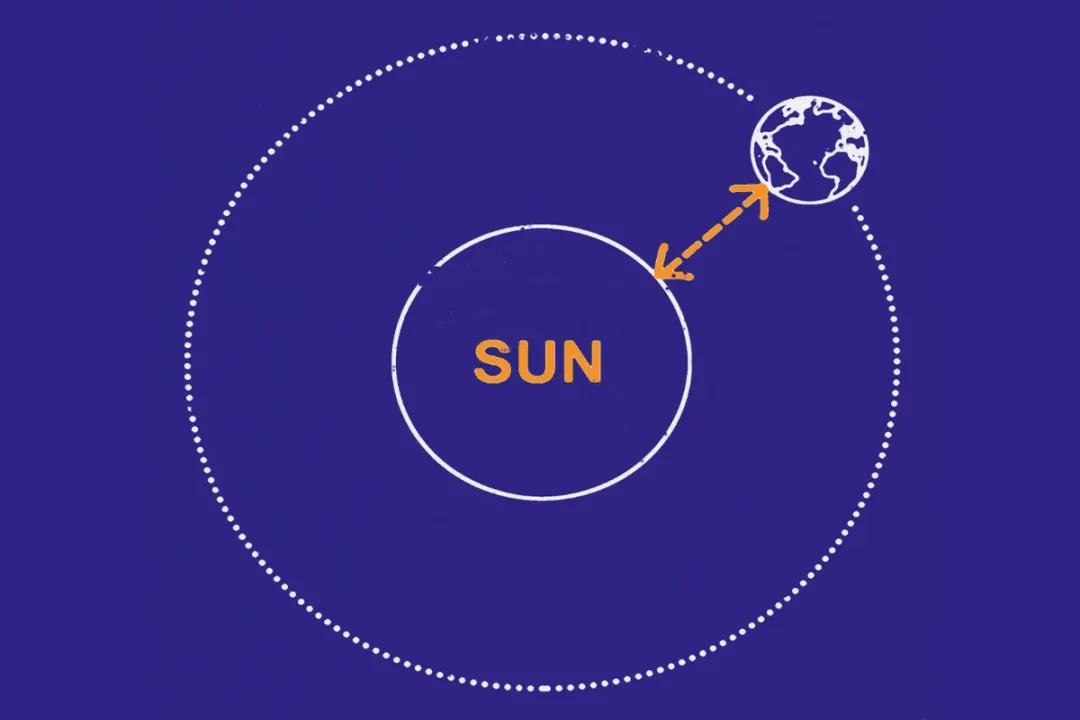
The concept of a "habitable zone" around a star, often popularly termed the Goldilocks Zone, addresses the most immediate thermal requirement. [2] This is the orbital region where a planet receives just the right amount of energy from its parent star to maintain water in its liquid state on the surface. [1][2] If a world orbits too close, water boils away into space; too far, and it freezes solid, forming ice caps that prevent the necessary chemical reactions that fuel biology. [5] However, this distance is relative; the presence and thickness of an atmosphere can shift the effective habitable zone, allowing planets slightly outside the theoretical boundary to still retain liquid water. [10]
# Solvent Necessity
Liquid water is far more than just a comfortable temperature requirement; it serves as a near-universal solvent for the chemistry of life as we know it. [3] Its unique molecular structure allows it to dissolve a vast array of compounds, facilitating the transport of nutrients into cells and waste products out of them. [9] While theoretical models suggest other liquids, like liquid methane or ammonia, could potentially act as solvents on alien worlds, water’s properties—its high heat capacity, density anomaly (ice floats), and polarity—make it exceptionally well-suited for the complex, dynamic chemistry needed for biology. [3][10]
# Building Blocks
Life requires raw materials, not just a medium for them to mix in. On Earth, life is carbon-based, relying on carbon's ability to form long, complex molecular chains. [3] Beyond the structural element of carbon, the fundamental chemical building blocks necessary for biochemistry include hydrogen, nitrogen, oxygen, phosphorus, and sulfur (often abbreviated as CHNOPS). [4] A planet must possess access to these elements, either incorporated into its structure from its formation or delivered via comets and asteroids throughout its history, to build proteins, DNA, and cellular membranes. [7]
# Planetary Shielding
Simply having the right temperature and chemistry is insufficient if those conditions are not reliably maintained over billions of years. This stability is largely dictated by the planet's internal dynamics and its gaseous envelope. [6]
# Magnetic Fields
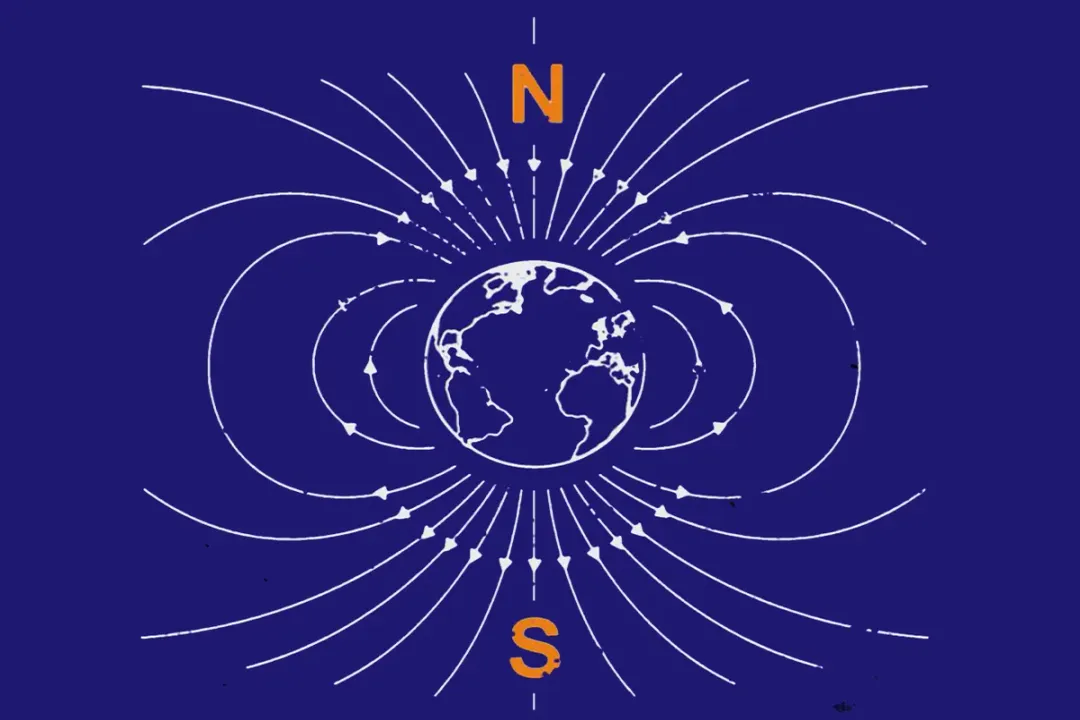
A strong, global magnetic field is vital for protecting the surface environment. [2][6] This magnetosphere acts as a shield, deflecting high-energy charged particles and cosmic rays originating from the host star (solar wind). [5] Without this protection, a planet’s atmosphere can be slowly stripped away into space, a process demonstrated by the apparent loss of Mars's early atmosphere. [6]
# Geological Activity
Furthermore, plate tectonics is considered a critical feature for long-term habitability. [6] This geological process is essential for recycling key elements, most importantly carbon, through the atmosphere and crust. [7] This recycling maintains a relatively stable surface temperature, buffering the planet against runaway greenhouse or icehouse effects over geologic time. [4][6]
To illustrate how these factors interrelate, consider the following essential requirements based on several astrobiological assessments:
| Requirement Category | Earth Observation | Function for Life | Source Emphasis |
|---|---|---|---|
| Thermal Environment | Liquid Water Present | Allows for chemical reactions and transport | |
| Chemical Supply | CHNOPS Abundance | Forms structural and functional biomolecules | |
| Atmosphere | Nitrogen/Oxygen Mix | Pressure regulator; radiation filter | |
| Internal Dynamics | Plate Tectonics | Carbon cycling; long-term climate stabilization | |
| Stellar Energy | Stable G-Type Star | Predictable energy output over eons |
# Star Dependency
The properties of the host star significantly modulate the availability of the habitable zone and the timeline for life to develop. [1] Stars that burn too brightly or too quickly—such as massive, short-lived O or B-type stars—might offer a wide habitable zone initially, but they expire before complex life has sufficient time to evolve. [2] Conversely, very dim M-dwarf stars have extremely long lives, yet their habitable zones are so close to the star that the planet is often tidally locked, presenting one side in perpetual day and the other in endless night, which complicates atmospheric circulation and thermal distribution. [2] Finding a stable, long-lived star, like our Sun, provides the necessary quiet environment for life to persist and diversify across billions of years. [7]

# Atmosphere Variation
While the presence of an atmosphere is necessary for pressure and shielding, its exact composition is less rigidly defined than the need for liquid water, depending on the type of life being considered. [10] Earth’s atmosphere is rich in nitrogen and oxygen, the latter being a direct byproduct of biological activity itself, making it a product of life rather than a prerequisite for it. [6] A planet could theoretically host life using different gases, perhaps a denser nitrogen or carbon dioxide atmosphere, provided it maintains sufficient surface pressure to keep water liquid and filters out the most harmful stellar radiation. [10] The key lies in the atmosphere's ability to balance energy flow and provide a protective layer, not in matching Earth's proportions exactly. [5]
# The Time Factor
One crucial aspect often overlooked when discussing the ingredients for habitability is the duration those ingredients are available. A world might possess a temporary ocean and the correct elements, but if its magnetic field collapses quickly, or if its plate tectonics cease after only a billion years, the window for complex life to emerge and thrive is severely limited. [7] The requirement for life, especially complex multicellular life, seems to demand geological endurance. It is the continuous, dynamic interaction between the core (generating the magnetic field), the mantle (driving plate tectonics), and the surface (interacting with the atmosphere and hydrosphere) that provides the long-term buffering necessary for evolution to proceed past single-celled organisms. [2][6] This dynamic maintenance system separates a potentially habitable world from one that is merely briefly wet. [7]
Considering the data we have, the difference between finding a planet that could support life and finding one that is currently habitable often comes down to the subtle interplay of these internal regulators. A planet might sit perfectly within the traditional Goldilocks Zone, yet if its core has cooled and its magnetic dynamo has shut down—leaving it vulnerable to solar stripping—it essentially ceases to be habitable in the long term, reverting to a state like present-day Mars. [2] Therefore, the search must prioritize planets that are not just in the right place, but those that are also internally active and geologically mature enough to maintain that favorable surface state for the eons required for biological advancement. [4] This demands a deeper understanding of a planet’s interior structure, which is significantly harder to determine remotely than surface temperature or orbital distance.
#Videos
Planet Earth - What Makes It Habitable? - YouTube
#Citations
What makes a planet habitable - SEEC - NASA
What makes a planet habitable? | BBC Sky at Night Magazine
Planetary habitability - Wikipedia
[PDF] Factors that Contribute to Making a Planet Habitable
ELI5: What are the requirements for a planet to he habitable - Reddit
Why is the Earth habitable? | AMNH
Planets to Life | Carnegie Science
Planet Earth - What Makes It Habitable? - YouTube
What makes a planet habitable, and how to search for ... - PubMed
What are the conditions necessary for a planet to support life? Could ...