What was Milky Way originally called?

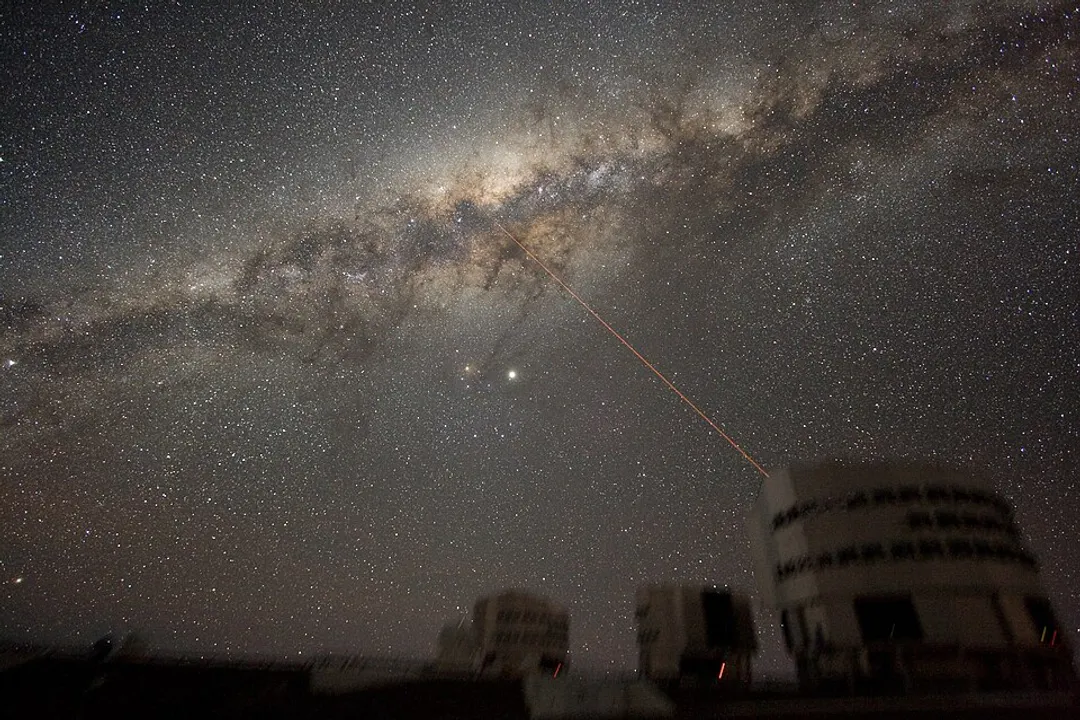
The luminous, sprawling band of light that stretches across the night sky has captivated human observers for as long as we have looked up. This feature, which appears like a pale, hazy path or a great cloud, earned its enduring name based entirely on its visual characteristic. It looks, quite simply, like milk spilled across the darkness. [1][10] This immediate, descriptive quality is the true origin story of our galaxy’s English moniker.
# Visual Basis

What ancient sky-watchers saw was not a galaxy in the modern sense—a vast spiral island universe—but a continuous, milky luminescence stretching from horizon to horizon. [9] This appearance led directly to the naming convention we use today. [8][10] When you view the Milky Way away from city lights, the concentration of countless distant stars blends together into this soft, ethereal glow, perfectly justifying the adjective milky. [1] Unlike many celestial bodies named for Greek or Roman deities or the individuals who first cataloged them, the Milky Way is one of the few major structures named purely for its visual effect on the naked eye. [1]
# Mythological Seeds
While the description is based on sight, the concept of a "river of milk" was cemented in Western thought through powerful ancient storytelling, particularly Greek mythology. [2] The most commonly cited narrative involves the goddess Hera (known as Juno to the Romans). [1][8]
The story recounts that the hero Heracles, the son of Zeus, was brought to Hera while she slept so he could suckle her divine milk, thereby gaining immortality. [2][10] In some versions of the tale, Hera awoke, pushed the infant away, and her divine milk sprayed across the heavens, creating the celestial river. [8] This powerful, enduring myth provided a rich, memorable narrative anchor for the visual phenomenon. [2][10]

# Linguistic Path
The Roman adoption of Greek culture ensured that this story and its descriptive name were preserved and passed down through scholarly traditions. The direct Latin translation of the concept is Via Lactea. [1] This Latin designation carried significant authority through the Middle Ages and the Renaissance, serving as the formal astronomical term long before English became the dominant language of popular science. [1]
It is interesting to note how frequently descriptive names appear in early astronomy. For example, the Big Dipper is often called the Plough in the UK, another descriptive term based on its shape. [1] This pattern shows an initial, pragmatic approach to naming bright, obvious features of the night sky before systematic cataloging became standard practice. [9] The galaxy’s name reflects this very early, descriptive era of stargazing.
# Bar Association
A common point of modern confusion, often raised in casual discussions, is the chronological relationship between the galaxy and the famous candy bar. [6] It is easy to mistakenly assume the confection came first, especially given the ubiquity of the brand. However, the historical record is clear: the galaxy’s name precedes the bar by millennia. [10]
The Milky Way candy bar was introduced to the market in 1923 by Frank C. Mars. [3][4][5] At the time, naming products after contemporary scientific wonders, especially those related to space or the "space age," was a popular marketing strategy. [4] Therefore, Mars named his chocolate confection after the celestial object that had already been known by that description for centuries. [5][10] The bar’s creation was an homage, not the source of the original designation. [3][4]
Thinking about the context of the 1920s, where concepts like "celestial objects" were increasingly popularized through science magazines and new discoveries, naming a candy bar after a grand, accessible feature like the Milky Way was a savvy move to evoke wonder and scale. [4] It borrowed the existing emotional weight of the cosmic feature for commercial appeal.
# Naming Longevity
The endurance of the name "Milky Way" is remarkable when considering the vast shifts in astronomical understanding over time. Early peoples did not know this band was composed of billions of stars constituting our own galaxy; they simply perceived a physical band across the sky. [9] The realization that this hazy patch was, in fact, the combined light of our spiral home structure took centuries of telescopic observation to confirm. [1][9]
Despite this massive leap in scientific knowledge—from believing it was a physical river or cloud to understanding it as the edge-on view of our stellar home—the descriptive name stuck. [1][9] The fact that the name survived not only centuries of scientific evolution but also a major cultural appropriation by the confectionery industry in the 20th century speaks volumes about the evocative power of the original visual description. [3][5] It suggests that for the general public, the simple, beautiful imagery of spilled milk remains more resonant than more technically accurate, but less accessible, terms like "the galactic plane" or "the disk of the Milky Way galaxy". [10]
#Videos
How the Milky Way Got Its Name - YouTube
Related Questions
#Citations
Milky Way - Wikipedia
Why is Milky Way called Milky Way? : r/etymology - Reddit
The Milky Way bar was created in 1923 by Frank C. Mars and ...
Facts About MILKY WAY® | Chocolate candy bar
Why is the Milky Way Galaxy named after a candy bar? Since it is ...
How the Milky Way Got Its Name - YouTube
How the Milky Way got its name: a guide to astronomical misnomers
The Milky Way Galaxy - Imagine the Universe! - NASA
Why Do We Call Our Galaxy the Milky Way? - Mental Floss