What is the glow after sunset called?

That luminous transition when the sun dips below the horizon, painting the sky in shifting hues, is a phenomenon that has captivated observers for millennia. The lingering light after the sun has set has many names, depending on the observer's location, the intensity of the light, and the specific scientific phase of the event. It is often casually referred to as the afterglow, which is a broad term describing the illumination remaining in the sky after the sun has disappeared from view. However, this general glow is actually composed of distinct, measurable periods known as twilight.
# General Glow
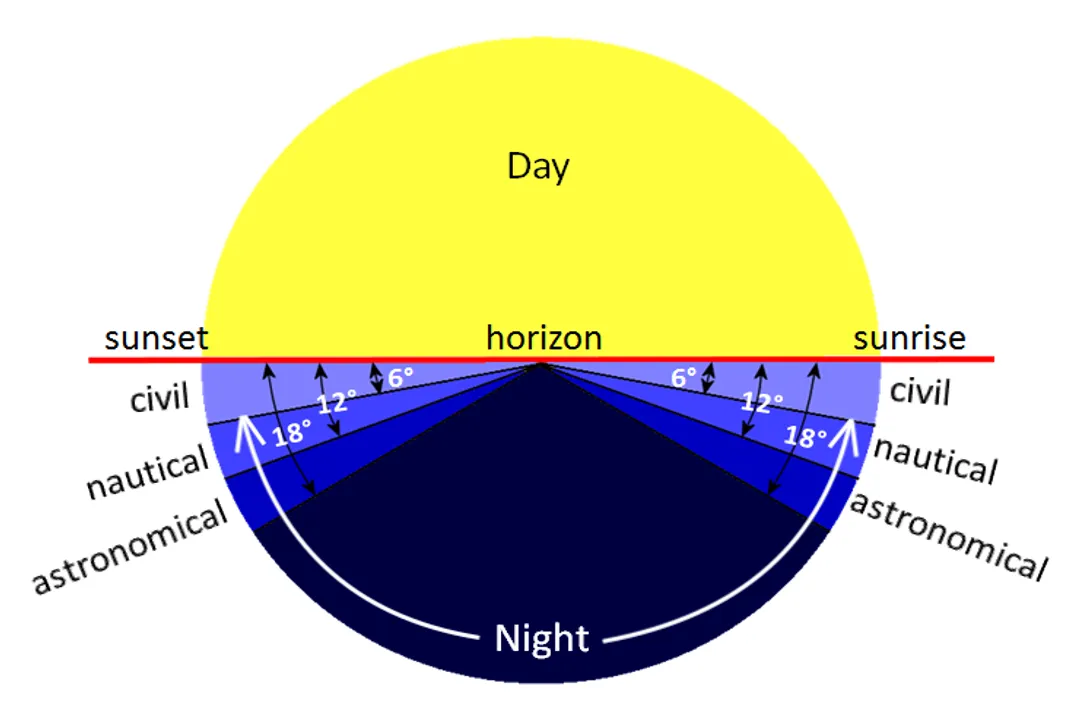
The experience of the post-sunset sky is not just one uniform color or light level. Sometimes, if you look toward the horizon opposite where the sun set, you might notice a distinct, warm band of light arching across the sky, often above a darker blue band. This visual effect is one manifestation of the afterglow, demonstrating that the light scattering high in the atmosphere continues to interact with our view long after the sun itself is gone.
While "afterglow" serves as a simple catch-all, atmospheric scientists and astronomers categorize this period far more precisely. The transition from day to night, or night to day, is broken down into stages defined by how far the sun is positioned below the true horizon. These stages dictate the perceived darkness and what kind of ambient light remains available to us.
# Twilight Stages
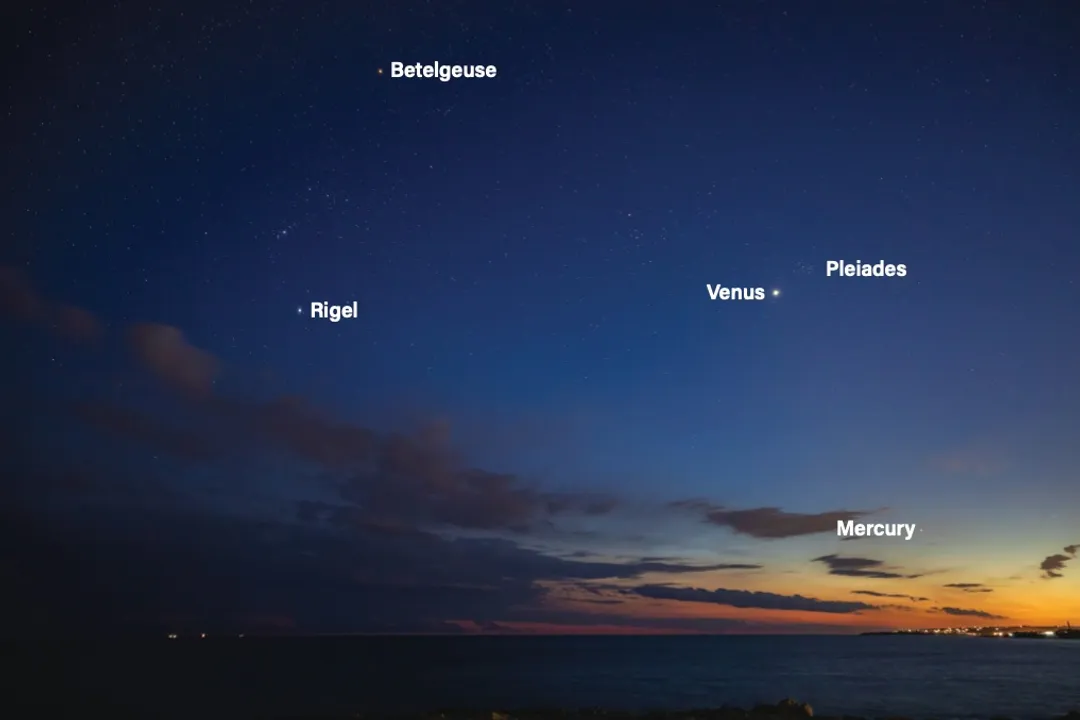
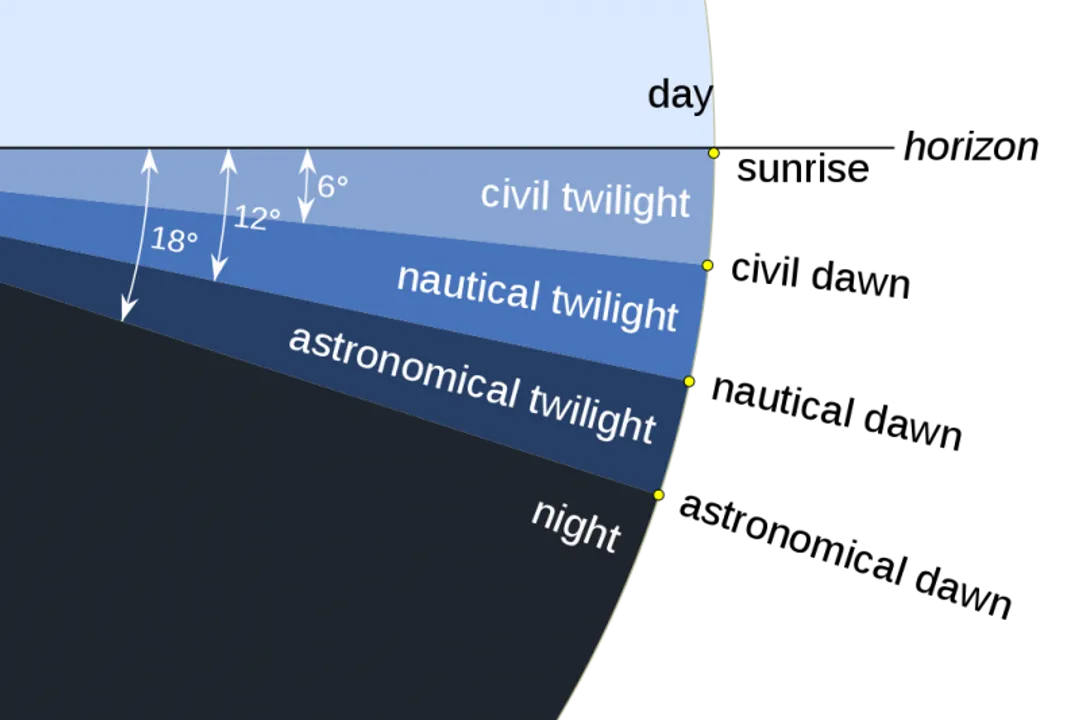
Twilight, in the context of the evening, is the time between sunset and complete darkness. It is universally divided into three sequential stages, each characterized by a different level of natural illumination. These stages are defined by the angular distance of the sun's center below the horizon.
# Civil Twilight
The first period after the sun sets is known as Civil Twilight. This phase begins immediately after sunset, when the geometric center of the sun is less than 50 minutes of arc (0.83 degrees) below the horizon. Practically speaking, this is when there is still enough light for outdoor activities to be conducted without artificial illumination. The horizon remains clearly visible, and the brightest stars and planets become apparent. This stage lasts until the sun reaches 6 degrees below the horizon.
# Nautical Twilight
Once the sun sinks further, the sky transitions into Nautical Twilight. This stage begins when the sun is 6 degrees below the horizon and continues until it reaches 12 degrees below the horizon. During this time, the general outlines of objects on the ground become indistinct, and while the horizon line is still discernible against the sky, it is not clear enough for safe navigation at sea without artificial aids—hence the term "nautical". The sky darkens significantly, and most stars become visible to the naked eye.
# Astronomical Twilight
The final stage before true night sets in is Astronomical Twilight. This period commences when the sun is 12 degrees below the horizon and concludes when it reaches 18 degrees below the horizon. In this phase, the sky has become so dark that any residual sunlight is too faint to interfere with astronomical observations. The sky is essentially as dark as it will get until sunrise, making it the preferred time for deep-sky observation, though even the very faintest astronomical objects may still be slightly washed out by the last vestiges of solar scattering high above. The sky is considered fully dark, or night, once the sun passes 18 degrees below the horizon.
| Twilight Stage | Sun's Position Below Horizon | Visual Characteristic |
|---|---|---|
| Civil | to | Enough light for outdoor activity |
| Nautical | to | Horizon visible, but objects indistinct |
| Astronomical | to | Sky nearly completely dark |
| Night | Below | Full darkness for astronomy |
It is worth noting that the duration of these stages varies considerably depending on the observer's latitude. Near the equator, twilight is brief, lasting around 20 minutes per stage, while at higher latitudes, twilight can stretch for many hours, especially near the summer solstice, meaning the "afterglow" can persist for a very long time.

# Color Phenomena
The beautiful coloration that defines the afterglow is a direct consequence of how sunlight interacts with Earth's atmosphere, primarily through a process called Rayleigh scattering. As the sun drops lower, its light must travel a longer path through the atmosphere to reach our eyes. During the day, shorter wavelengths (blue and violet) are scattered across the sky, making the sky appear blue. At sunset, this scattering effect filters out most of the blue light, allowing the longer wavelengths—reds, oranges, and yellows—to dominate the direct light we see near the horizon.
# Blue Hour
During the twilight phases, especially Civil and early Nautical twilight, a distinctly different color appears, often referred to as the Blue Hour. This is characterized by the predominant blue hue that takes over the sky shortly after sunset (and before sunrise). Unlike the reddish tones closer to the horizon, the Blue Hour is caused by the indirect illumination—the light that is still reaching the upper atmosphere and being scattered down toward the observer when the sun is already significantly below the horizon. This is a favorite time for landscape photographers seeking soft, even light that contrasts beautifully with artificial city lights beginning to turn on.
# Alpenglow
A particularly striking visual display related to the sunset glow is Alpenglow. This effect involves a reddish or pinkish illumination seen on high mountain peaks or clouds after the sun has actually set from the valley floor. This happens because the very highest peaks are still illuminated by the direct, low-angle rays of the sun, which are passing over the heads of observers at lower elevations. The light catching these peaks is often intense red or rosy, contrasting sharply with the deepening blue or purple of the sky below them. Observing this phenomenon requires a clear view of tall, westward-facing terrain shortly after the sun disappears from the local horizon.
# Observing Light Differences
When comparing the glow after sunset to the glow before sunrise, there are subtle differences that can be noted with careful observation. While the physical mechanisms (Rayleigh scattering) are the same, the atmospheric conditions often differ between evening and morning. The air tends to accumulate more fine particulate matter and moisture during the day due to human activity and evaporation, which can lead to more pronounced scattering and potentially deeper red hues in the evening afterglow compared to the pre-dawn glow.
If you are interested in tracking the transition accurately, setting up a simple observation log noting the precise time the sun disappears, the time the horizon becomes too dim for reading newsprint (the end of Civil Twilight), and the time the sky seems darkest for star visibility (end of Astronomical Twilight) will give you a personal feel for the local atmospheric variations. For example, on a humid summer evening, the Nautical phase might feel significantly shorter because the moisture causes quicker light attenuation than on a dry, crisp autumn evening. The change from the bright, warm colors of the setting sun to the cool, deep blue of the Blue Hour serves as an excellent natural timer for knowing when to put away the camera gear that requires bright daylight settings. The visual difference between the warm, reddish glow lingering low on the horizon and the increasingly cool, deep blue filling the zenith provides a dynamic and ongoing display that lasts for nearly an hour and a half in many mid-latitude locations.
Related Questions
#Citations
Afterglow - Wikipedia
Have you ever looked at the sky after sunset and noticed a warm ...
Do you love twilight? The 3 stages explained - EarthSky
Sunrise and Sunset: What is Golden Hour, Blue Hour, and Twilight?
The advantages of the three stages of twilight | wcnc.com
Discover the three kinds of twilight - Astronomy Magazine
Twilight Types - National Weather Service
I am looking for a phrase to describe that fucking epic orange light ...