What occurs in the core of main sequence stars?
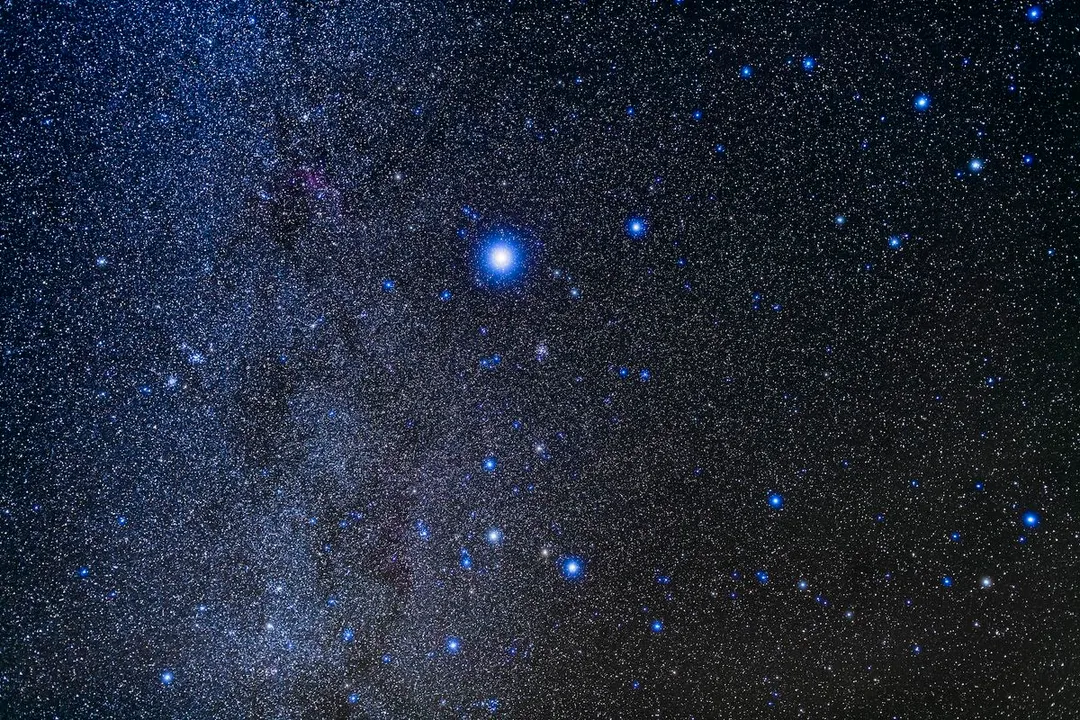
The heart of any star residing on the main sequence is a furnace of incomprehensible power, a region where the immense crushing force of gravity is held in perfect check by the outward push of energy generated by nuclear fusion. This phase, known as the main sequence, represents the longest and most stable period in a star's existence, where it derives its energy almost entirely from converting hydrogen into helium within its innermost regions. For our Sun, this stable burning period will last approximately ten billion years.
# Core Conditions
The core of a main sequence star is defined by two extreme, yet balanced, properties: phenomenal pressure and staggering temperature. Gravity pulls all the star's mass inward, creating a crushing pressure at the center that is far beyond anything experienced on Earth. To counteract this immense inward pull—a condition known as hydrostatic equilibrium—the core must generate an equally powerful outward pressure.
This outward pressure is the direct result of the energy released during nuclear fusion. The required conditions for hydrogen fusion to begin and sustain itself are extraordinary. Temperatures must typically reach at least ten million Kelvin. At these temperatures, matter exists as a plasma, where electrons are stripped from atomic nuclei, creating a superheated, ionized gas.
The initial process isn't easy; the positively charged hydrogen nuclei (protons) possess a natural electrical repulsion, often called the Coulomb barrier, which must be overcome for them to merge. Only the extreme kinetic energy provided by the core's high temperature allows the protons to collide with enough force to fuse, a process governed by quantum mechanics tunneling through this barrier. The energy released comes from a minute conversion of mass into energy, quantified by Einstein's famous relation, .
# Fusion Reactions
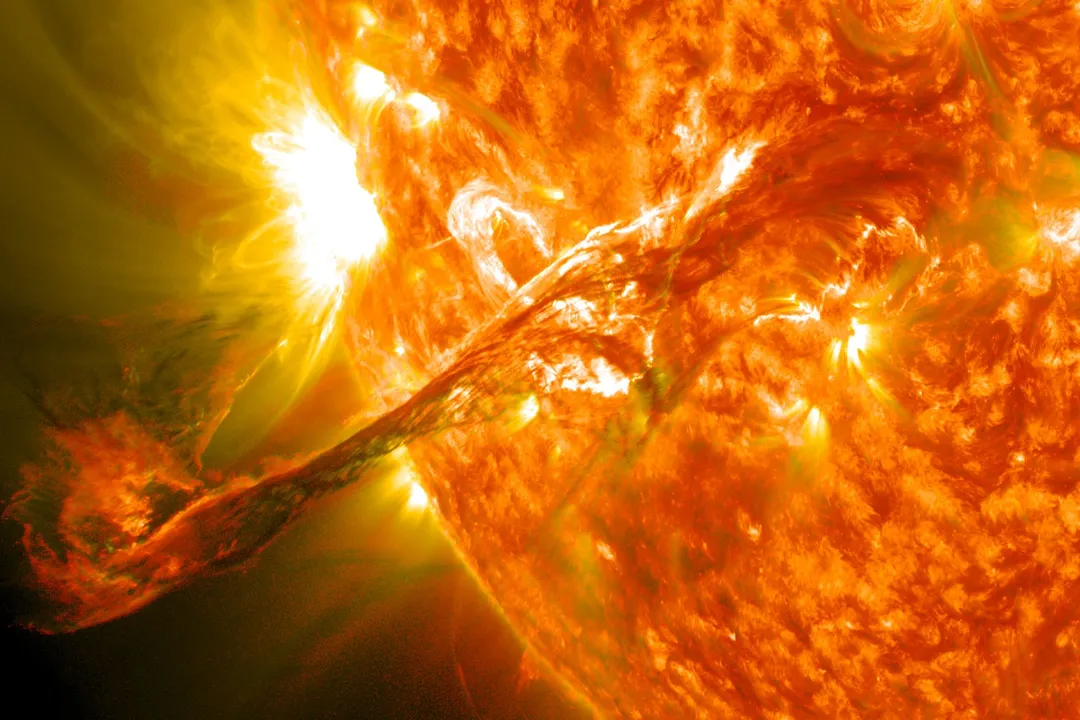
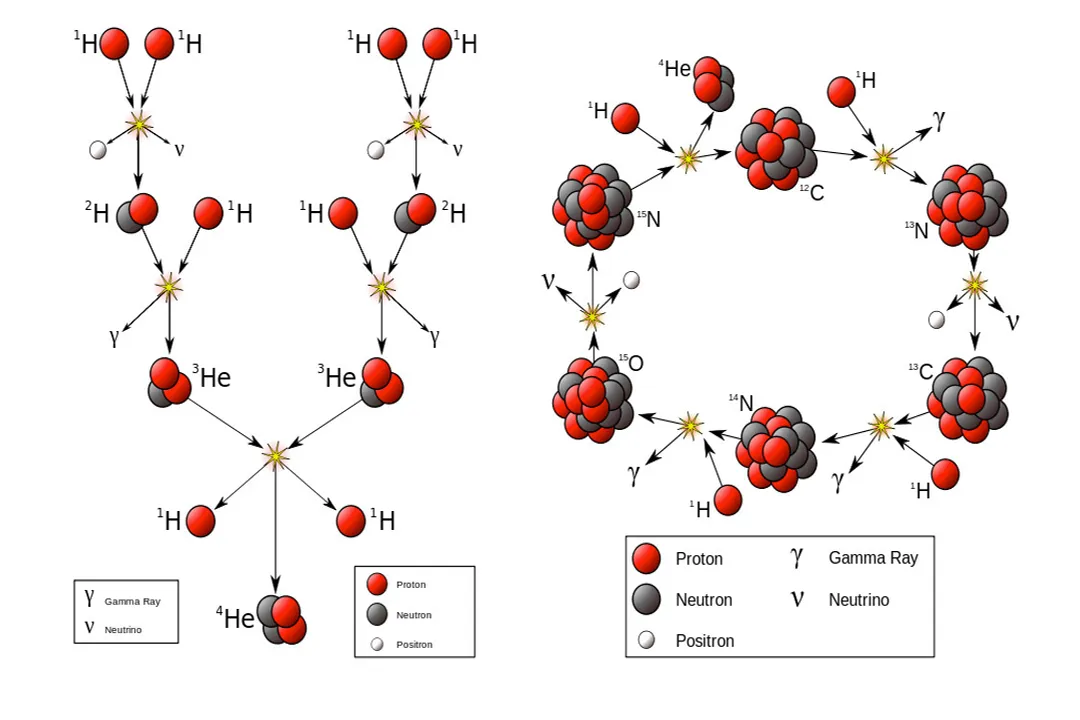
The specific mechanism by which hydrogen converts to helium depends heavily on the star's mass, which dictates the core temperature. Stars similar in mass to our Sun primarily rely on the proton-proton (P-P) chain, while much more massive stars utilize the Carbon-Nitrogen-Oxygen (CNO) cycle.
# Proton-Proton Chain
For Sun-sized and smaller stars, the P-P chain is the dominant energy source. This reaction sequence is relatively slow but efficient for lower core temperatures. It involves a series of steps where four hydrogen nuclei (protons) are ultimately fused to form one helium nucleus.
- Two protons fuse to form a deuterium nucleus, releasing a positron and an electron neutrino. This step is the slowest and thus acts as the bottleneck for the entire reaction rate.
- The deuterium nucleus then fuses with another proton to create helium-3.
- Finally, two helium-3 nuclei collide to form one stable helium-4 nucleus, releasing two protons back into the cycle.
The net result of the P-P chain is the transformation of four hydrogen atoms into one helium atom, with the leftover mass converted into energy, primarily in the form of gamma rays and neutrinos.
# CNO Cycle
In stars significantly more massive than the Sun—those with core temperatures exceeding about 17 million Kelvin—the CNO cycle takes over as the primary energy generator. This cycle is much more temperature-sensitive and occurs far more rapidly than the P-P chain.
The key difference here is that carbon, nitrogen, and oxygen nuclei act as catalysts. They are temporarily consumed and then regenerated during the reaction sequence, facilitating the fusion of protons into helium. Because the reaction rate is so highly dependent on the core temperature—scaling by the 18th power of the temperature for the CNO cycle versus the 4th power for the P-P chain—a slight increase in temperature in a massive star leads to a dramatic surge in energy output.
It is fascinating to consider the operational tempo: the P-P chain in a star like the Sun is slow enough that the star remains stable for billions of years, constantly "ticking over" its fuel supply. Conversely, the CNO cycle in a massive star is so fast that it burns its core fuel hundreds of thousands of times quicker, leading to an intensely bright but relatively short main sequence life.
# Maintaining Stability
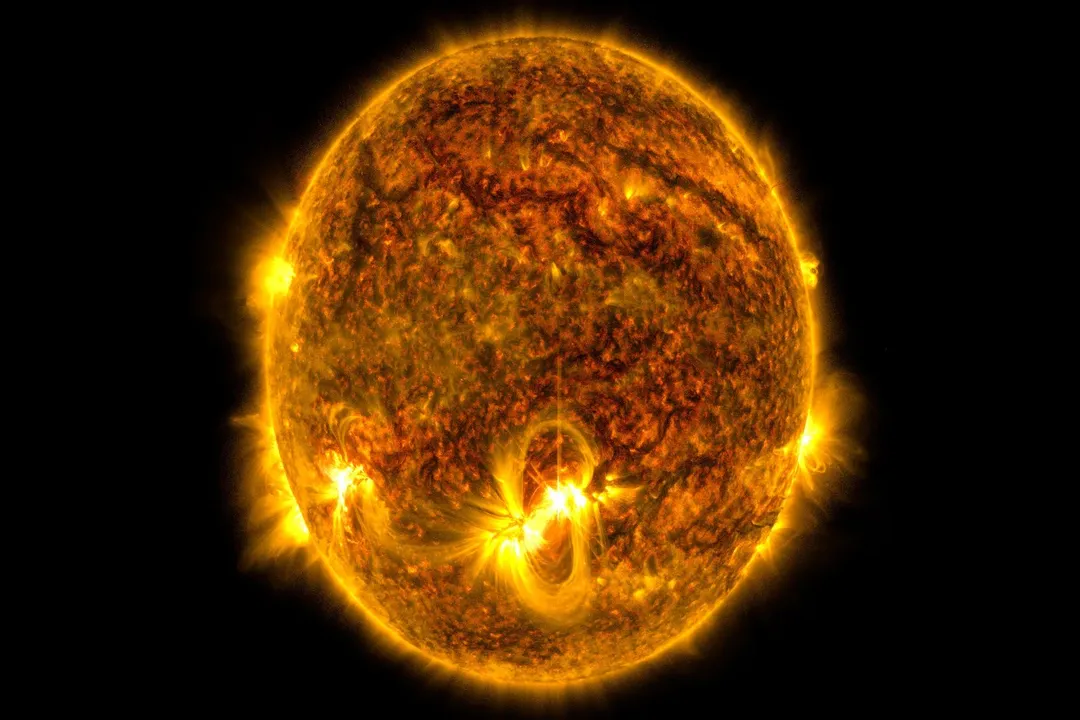
The defining characteristic of the main sequence is not just the presence of fusion, but the maintenance of hydrostatic equilibrium. This isn't a static state; it's a dynamic, continuous balancing act between two colossal, opposing forces.
On one side is the inexorable force of gravity, attempting to compress the star toward its center, driven by the star's total mass. On the other side is the thermal pressure generated by the radiating heat from the core's fusion reactions.
Imagine a star as a perfectly regulated heat engine:
- If the core fusion rate were to slightly decrease: The outward pressure would momentarily drop below the inward pull of gravity. The star's outer layers would slightly contract, compressing the core. This compression would instantly raise the core temperature and density, causing the fusion rate to accelerate again until the pressure rebalances the gravitational force.
- If the core fusion rate were to slightly increase: The increased outward pressure would cause the star's outer layers to expand slightly. This expansion cools the core plasma, reducing the fusion rate until the pressure drops back down to match gravity.
This self-regulating mechanism ensures that a star remains virtually unchanged in size and luminosity for the vast majority of its life once it settles onto the main sequence.
# Mass Dictates Core Physics
While the principle of hydrogen fusion into helium is universal for main sequence stars, the specific physics occurring in the core is entirely dictated by the star's initial mass. Mass is the single most important determinant of a star's properties while it resides on this sequence.
The relationship is often counterintuitive to a casual observer: the more massive the star, the hotter its core, the more luminous it is, and the shorter its main sequence lifespan.
Consider a comparison between a small, low-mass star and a massive, high-mass star:
| Feature | Low-Mass Star (e.g., 0.5 Solar Masses) | High-Mass Star (e.g., 15 Solar Masses) |
|---|---|---|
| Core Temperature | Cooler (e.g., ~15 million K) | Much Hotter (e.g., > 30 million K) |
| Fusion Mechanism | Primarily Proton-Proton Chain | Primarily CNO Cycle |
| Luminosity | Low (Dim) | Extremely High (Bright) |
| Main Sequence Lifetime | Trillions of years | A few million years |
The difference in the internal structure is also significant. In lower-mass stars, the energy produced in the core moves outward through a radiative zone and then an outer convective zone. However, in stars much more massive than the Sun, convection occurs throughout almost the entire interior, except for a thin layer near the surface. This extensive convection allows the CNO cycle products from the core to be thoroughly mixed with the surrounding hydrogen, allowing the star to consume its fuel supply more uniformly across a larger volume of its interior.
A particularly interesting consequence of this mass-dependence is seen in the rate of fuel consumption. While our Sun has a core mass of about 25% of its total mass, the core of a star roughly twenty times the Sun's mass might contain nearly 50% of the total stellar mass actively participating in the fusion process. This larger, hotter, and faster-burning core explains the drastically reduced lifespan of the high-mass stars. A star 20 times the mass of the Sun burns through its hydrogen in only about 10 million years, a mere blink compared to the Sun's projected 10-billion-year tenure.
To put the energy output into perspective, though the Sun is an average star, the power generated in its core is staggering when viewed against everyday experience. If we consider the conversion of mass to energy, the Sun converts approximately 4 million metric tons of matter into pure energy every single second to maintain its current luminosity. This implies that to power the Sun for just one Earth day, a mass equivalent to about 86,400 times 4 million tons—a truly enormous quantity—is annihilated in the core. Yet, because the star is so large, this constant, frantic annihilation feels entirely stable to us on Earth over cosmic timescales.
# Stellar Life Phase
The main sequence is the reference point on the Hertzsprung-Russell (H-R) diagram for stellar evolution, representing the state where hydrogen fusion in the core is the sole energy source. A star arrives on this sequence shortly after its pre-main-sequence contraction phase ends and core hydrogen ignition begins.
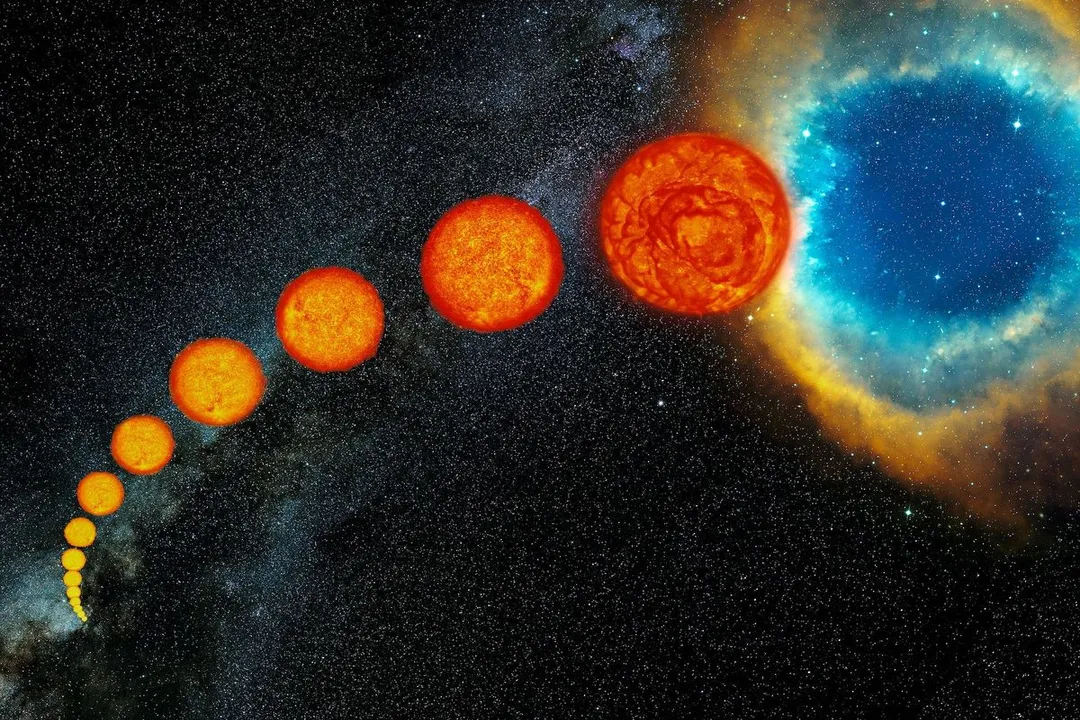
Once fusion ignites in the core, the star rapidly settles into its equilibrium state, and the luminosity and surface temperature stabilize to a point dictated by its mass. This steady state persists until the hydrogen fuel supply in the very center of the core is exhausted. When the central hydrogen supply runs low, the core begins to contract under gravity again, increasing the temperature until fusion begins in a shell surrounding the inert helium core. At this point, the star leaves the main sequence and begins its transition toward becoming a red giant. The core's physics, having successfully fused hydrogen for eons, now sets the stage for the star's next, more dramatic life stage.
Related Questions
#Citations
Main sequence - Wikipedia
Main Sequence Stars: Definition & Life Cycle | Space
G. C. Sloan: Main Sequence Stars, Giants, and Supergiants
Star Life Cycle - ASPIRE
Star Basics - NASA Science
Main sequence stars | Research Starters - EBSCO
Chapter 17 Mastering Astronomy Flashcards | Quizlet
Stellar Evolution: Main Sequence - University of Oregon
Main sequence star - Star Citizen Wiki