What is the rock that fell from the sky?
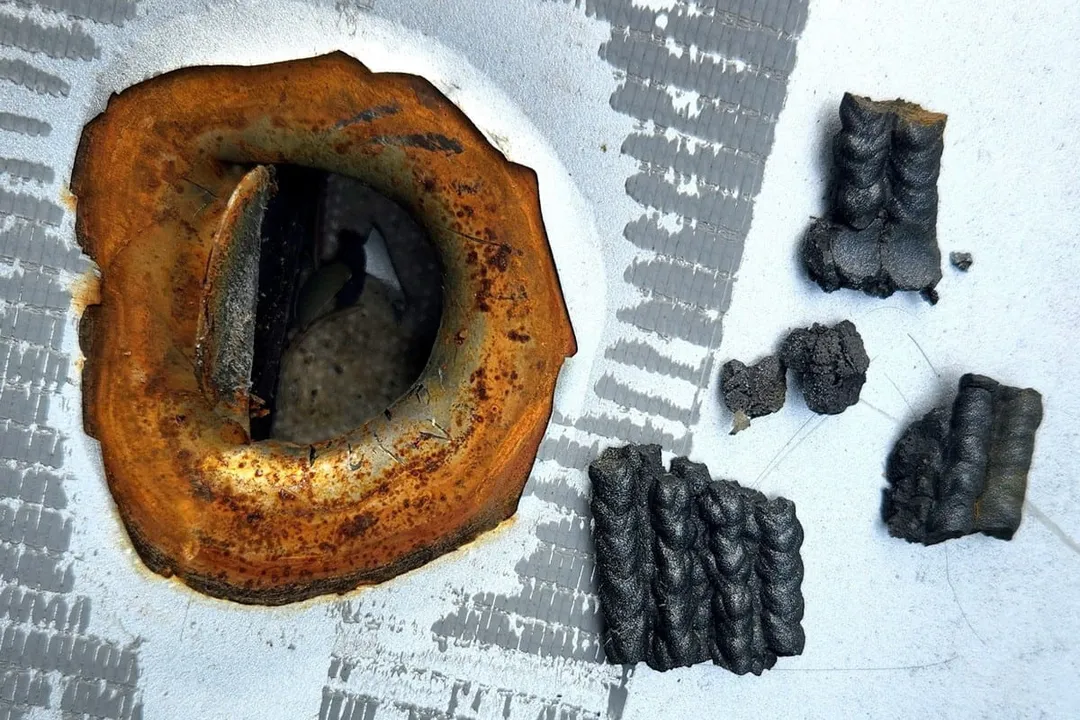
The simplest answer to "What is the rock that fell from the sky?" is that it is a meteorite: a piece of space debris that has survived its fiery journey through the atmosphere and landed on Earth. The path from the asteroid belt to your backyard involves a series of identity changes. First, there is the object floating in space, called a meteoroid. As it plunges into our atmosphere, friction causes it to heat up intensely, creating a streak of light we call a meteor or a fireball—what most people recognize as a shooting star. If this traveler survives the atmospheric compression and impact, the remnant resting on the ground is officially a meteorite.
These are not merely space pebbles; they are the oldest physical materials we can hold in our hands, carrying a record stretching back to the birth of our Solar System.
# Cosmic Arrivals
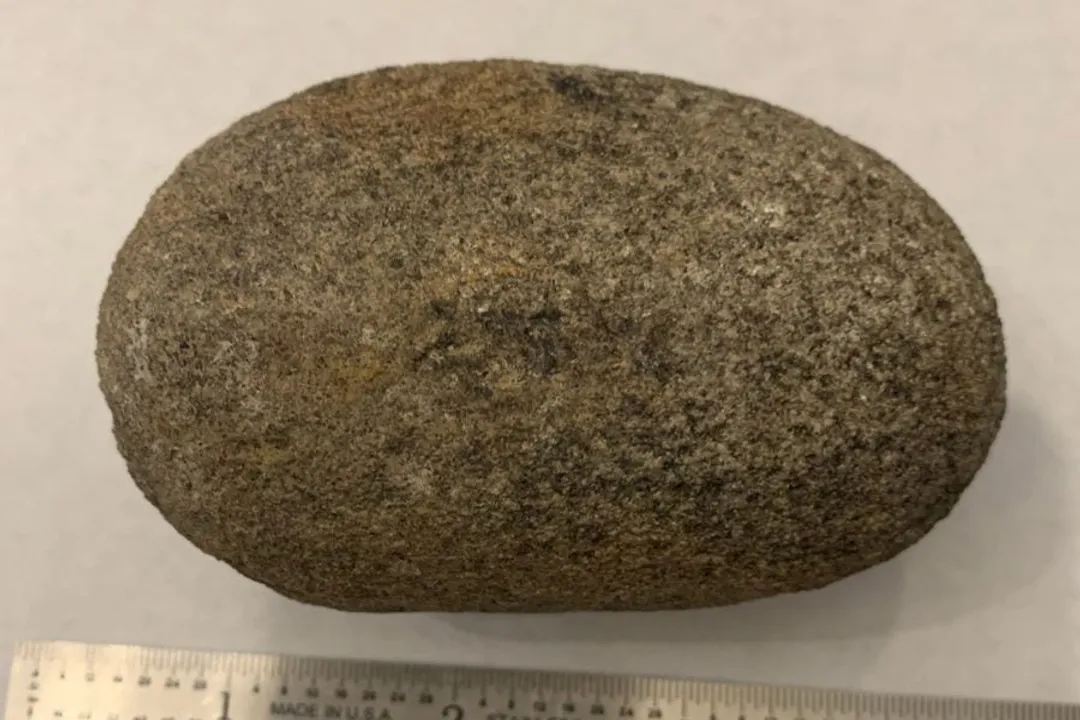
The historical perception of these objects has shifted dramatically. For centuries, strange stones found on the ground were either ignored or attributed to supernatural origins. In fact, religious texts across various cultures mention stones falling from heaven. The scientific consensus confirming their extraterrestrial nature only solidified in the early nineteenth century, spurred by scientific investigation into well-documented events, such as the fall in L’Aigle, France, in $1803$.
Today, we know that most meteorites originate from asteroid breakups, though others can come from the Moon or Mars. While thousands fall every year, the vast majority land unnoticed in the oceans or uninhabited landmasses. An observed meteorite fall—one witnessed by people—is rare, with only about five to ten officially documented and recovered annually.
# Three Families
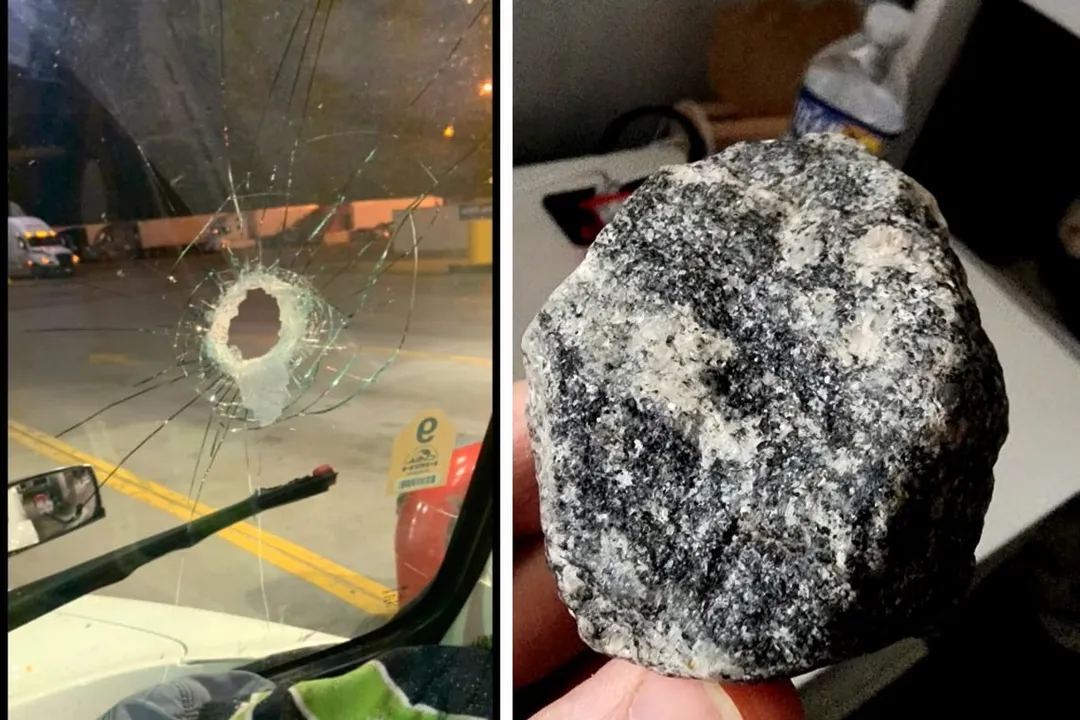
Meteorites are broadly divided based on their composition into three main classes: stony, iron, and stony-iron. Modern classification is more detailed, but these three categories remain useful for initial identification.
Stony Meteorites make up the bulk of what reaches the surface, accounting for roughly $88%$ of witnessed falls. The most common among these are chondrites, named for tiny, nearly perfect spheres within them called chondrules. These primitive stones, often gray silicates mixed with metal grains, date back about $4.5$ billion years and are considered the original building blocks from which the planets formed. A rarer subgroup of stony meteorites, the achondrites, are igneous rocks that have been melted and differentiated, including those confirmed to have come from the Moon or Mars.
Iron Meteorites are composed mostly of nickel-iron alloys. These are often thought to represent the metallic cores of long-destroyed, larger parent bodies. Because pure iron is virtually nonexistent naturally on Earth's surface (it usually appears as an oxide ore), a piece of metallic iron is an almost certain indicator of extraterrestrial or human-made origin.
Stony-Iron Meteorites, the rarest group, are an intimate blend of the above, containing significant amounts of both silicate rock and nickel-iron metal. The pallasites, a type of stony-iron, are particularly striking, featuring embedded, yellowish-green olivine crystals.
There is an interesting collection bias at play when considering how common these types appear in scientific holdings. Iron meteorites, being solid metal, are durable, heavy, and visually distinct, meaning they are easily noticed and recovered as meteorite finds long after they have landed. In contrast, stony meteorites, which are much more common overall—especially in falls—can look like ordinary terrestrial rocks, leading to their underrepresentation in collections compiled solely from non-witnessed finds. If you consider only Antarctic recoveries, where ice concentrates rocks and aids visibility, the percentages shift dramatically: irons account for only about $1%$ of Antarctic recoveries, while primitive stones dominate at $85%$. This highlights that while the metallic ones are easy to spot, the fragile, less obviously "spacey" stones are what actually pepper the planet most frequently.

# Surface Signatures
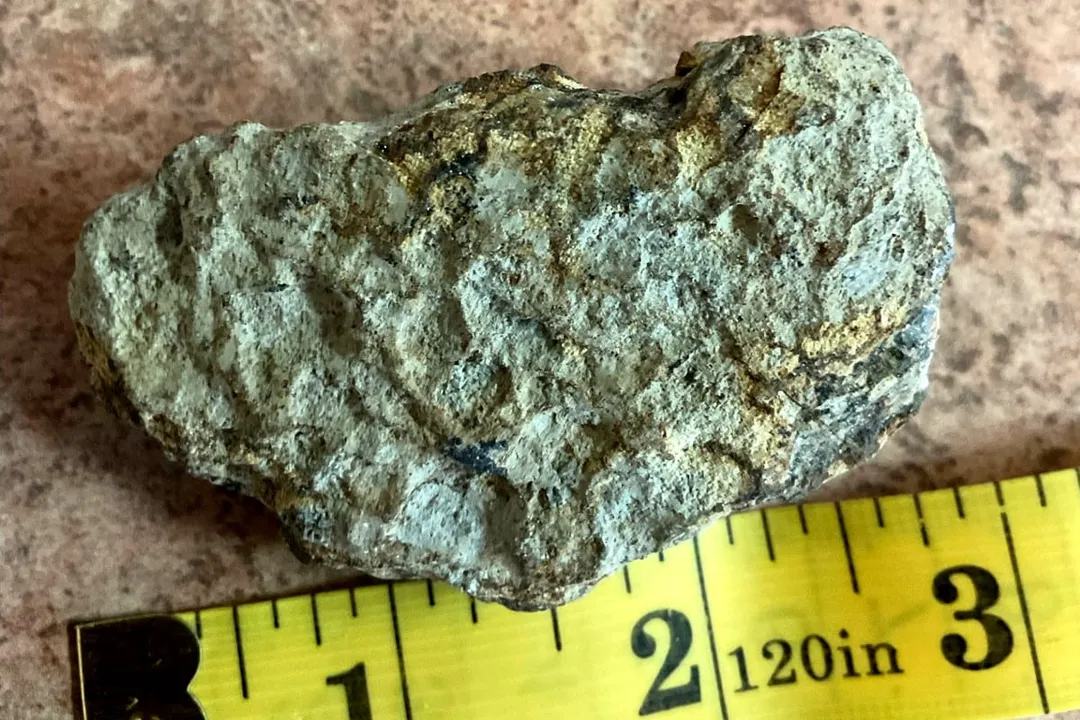
When a space rock enters the atmosphere, the friction superheats the exterior layer, leading to distinct physical characteristics that separate a genuine meteorite from common terrestrial rocks, or meteorwrongs.
A primary marker is the fusion crust. This is a thin, glass-like glaze that solidifies as the outer surface melts and then cools rapidly upon deceleration. On most stony meteorites, this crust is black. Another feature is the presence of regmaglypts, which are shallow, thumbprint-like indentations sculpted onto the surface by atmospheric ablation as the object tumbles.
Iron meteorites are often tested for magnetism due to their ferronickel composition. However, relying on magnetism alone is insufficient, as terrestrial rocks can also be magnetic. Furthermore, a freshly fallen stony meteorite, especially a chondrite, will have a lighter-colored interior exposed where it may have broken open upon impact, contrasting sharply with the dark fusion crust.
# Terrestrial Imposters
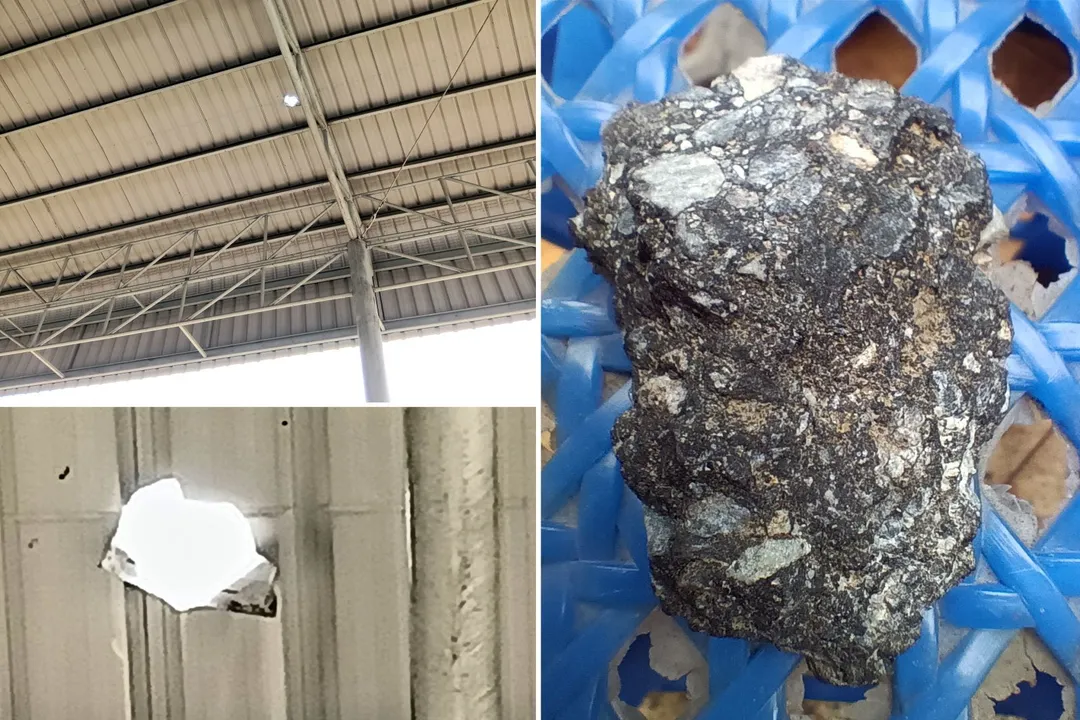
The biggest challenge for enthusiasts is that the vast majority of rocks people find, even those accompanied by stories of loud bangs, are not from space. Experts call these terrestrial imposters meteorwrongs.
One of the most persistent misconceptions involves heat. Many people report that their found rock was hot, smoking, or sizzling upon retrieval, sometimes even starting fires. This is fundamentally inconsistent with physics governing atmospheric entry. While the outside of a meteor glows brightly (incandescence), the interior remains relatively cool. A freshly fallen meteorite is more likely to be cold enough to form frost than to be hot enough to burn vegetation. Stories involving hot, smoking rocks are often better explained by lightning strikes, which are known to create charred ground features (fulgurites).
The impact mechanics are another critical differentiator. Meteorites generally reach a terminal velocity of about $220$ to $450$ miles per hour. While this speed is significant, it is far slower than the velocity of a bullet or projectile fired from a rifle. A typical meteorite of a few centimeters will punch a hole through a roof or leave a divot in the lawn, but it will not bury itself several feet deep or create a massive crater unless it was an exceptionally large object—and even then, very large stony bodies usually disintegrate completely without leaving any fragments. Reports of objects creating large, deep holes are much more consistent with much higher-velocity impacts, often caused by ejected man-made debris like a piece of metal kicked out of an industrial wood chipper at hundreds of miles per hour.
When assessing a potential find, a good initial litmus test involves comparing its characteristics against what is known about the surrounding geology. For instance, finding a dense, metallic-looking rock in an area known for soft soil or clay, where no local rock sources exist, provides a slightly better initial argument for extraterrestrial origin than finding a strange, dense rock in a region characterized by heavy volcanic scree or mineral deposits. Furthermore, many rejected samples show signs of having been rounded by erosion (like a river cobble) or possess sharp, angular features common to slag (industrial waste) or thrown stones, which are not typical of the ablation-sculpted meteorite. If a rock has a crust that looks thick, flaky, or reddish on the inside, it is highly unlikely to be a fresh meteorite.
# Hunting Grounds
The pursuit of genuine meteorites happens in specialized environments where the dark, alien rock stands out against the background or where natural processes concentrate them over time.
Antarctica remains a premiere source. As ice sheets move, they slowly carry meteorites that have fallen over vast areas to specific ablation zones where the ice disappears, concentrating thousands of specimens in one spot. The clear contrast against the white surface makes them relatively easy to spot.
Similarly, deserts offer excellent conditions. In hot deserts, like the Sahara or parts of Oman, the lack of significant weathering or burial allows dark meteorites to accumulate on barren, light-colored gravel plains (regs or hamadas), where they contrast well against the terrain.
In inhabited areas, success often comes from searching cultivated land, such as the Great Plains in the United States. Here, early collectors realized that wind erosion during the Dust Bowl era had stripped away light topsoil, leaving any heavier, darker rocks—including meteorites—exposed on the hardpan layer below.
# Building Blocks
The study of meteorites is fundamental to understanding our cosmic neighborhood. Primitive chondrites, like the famous Murchison and Allende specimens, offer an unfiltered look at the chemical soup from which the entire Solar System condensed.
These ancient stones have proven scientifically invaluable because they contain complex organic chemistry—molecules based on carbon—that predates Earth's own biological evolution. Remarkably, some carbonaceous meteorites contain amino acids, the very building blocks of proteins, present in both left- and right-handed molecular symmetries. Since all life on Earth utilizes only the left-handed version, the presence of both forms is definitive proof of an extraterrestrial origin. This suggests that these space travelers may have delivered essential molecular precursors to Earth when the planet was finally cool enough to support them, kickstarting the processes that led to life as we know it. Thus, the rock that fell from the sky is more than just a geological curiosity; it’s a time capsule carrying chemical blueprints from the earliest moments of our stellar neighborhood.
#Videos
The Stones From Outer Space That Made Our World with Dr Tim ...
How To Identify a Meteorite - YouTube
Related Questions
#Citations
Meteorite - Wikipedia
Meteorites: Stones from Heaven | Astronomy - Lumen Learning
Not every rock that falls from the sky is a meteorite
Rock fell from sky and would like more info : r/geology - Reddit
The Stones From Outer Space That Made Our World with Dr Tim ...