How are fossils preserved in rock layers?
The path from a living organism to a permanent record etched in stone is an extraordinary sequence of rare events, beginning the moment life ends. For an organism to become a fossil, it must first avoid immediate destruction—scavenging, erosion, or complete decay in an oxygen-rich environment. [5][7] The vast majority of creatures that die simply decompose, their organic material recycling back into the ecosystem, leaving no trace for future study. [1]
# Initial Burial
The crucial first step in fossilization is rapid burial, usually occurring in an aquatic or low-energy environment. [1][5] Environments like lake bottoms, river deltas, or shallow seabeds are ideal locations where sediment—such as mud, silt, or sand—can quickly cover the remains. [1][7] This sediment layer acts as an immediate protective blanket, shielding the carcass from physical damage and keeping oxygen away, which significantly slows down bacterial decomposition and prevents scavengers from scattering the remains. [5]
The type of sediment matters immensely. Fine-grained materials like mud or volcanic ash tend to conform closely to the shape of the buried object, leading to highly detailed fossils, whereas coarse sand might only capture the gross structure. [1] As more sediment piles on top over time, the weight exerts immense pressure. This compression, coupled with the infiltration of minerals from groundwater, begins the transformation process within the accumulating layers of rock precursors. [3][7]
# Mineral Transformation
Once buried, the physical structure of the original organism begins to change as it interacts with the surrounding groundwater, which is often rich in dissolved minerals like silica or calcite. [1] This leads to several key preservation pathways.
# Permineralization
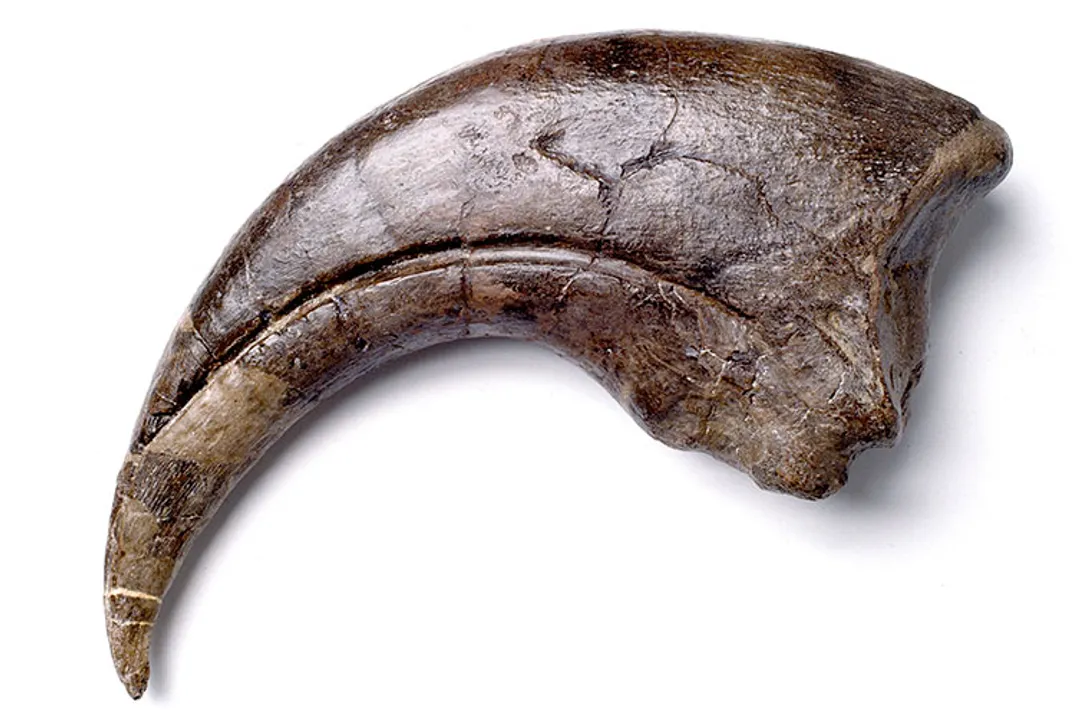
One of the most common and effective preservation methods is permineralization. [5] In this process, groundwater seeps into the porous spaces within the hard parts of the organism, such as bone, shell, or wood. [1] As the water evaporates or the chemical conditions change, the dissolved minerals precipitate out and fill these empty spaces, effectively turning the original structure into rock. [5] The original organic material may still be present, but it is now hardened and infused with mineral matter, making it extremely durable. [1] Think of it like a microscopic concrete filling the structure, preserving the internal texture in incredible detail. [7]
# Replacement
A related, but distinct, process is replacement. [1] Here, the original material of the organism—the calcium carbonate of a shell, for instance—dissolves away, but simultaneously, minerals from the groundwater precipitate in the exact same spaces, molecule by molecule. [7] The result is a fossil that looks exactly like the original but is composed entirely of a new mineral, perhaps quartz or pyrite, rather than the original shell material. [5]
# Molds and Casts
When an organism is encased in sediment and then dissolves away completely, it leaves behind an empty space shaped precisely like the organism—this is a mold. [5] If that empty space is later filled in by a secondary deposit of different sediment or mineral, the resulting replica of the original organism’s exterior is called a cast. [7] These preservation types capture the external surface features beautifully but offer less information about the internal anatomy compared to permineralization. [5]
# Carbon Films
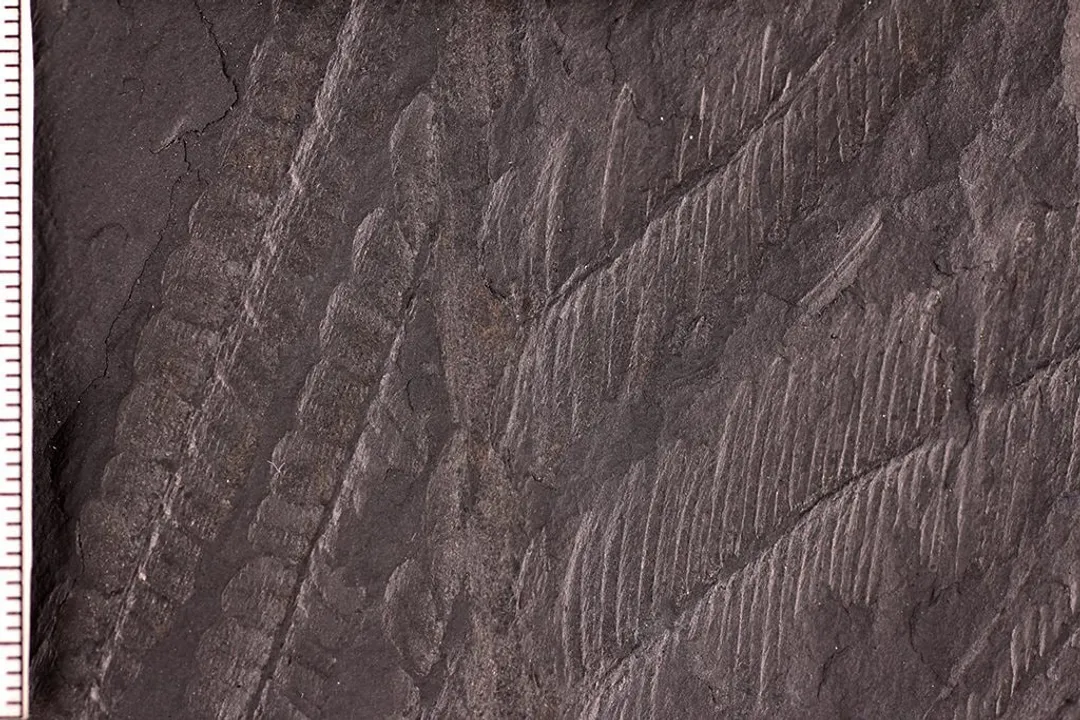
For soft-bodied organisms or plant material, another process often takes over: carbonization. [1] As pressure and heat increase due to deep burial, the volatile components (hydrogen, oxygen, nitrogen) are driven off, leaving behind a thin, dark, flaky film of nearly pure carbon. [7] This process can capture the delicate outlines of leaves, insects, or even fish scales. [1]
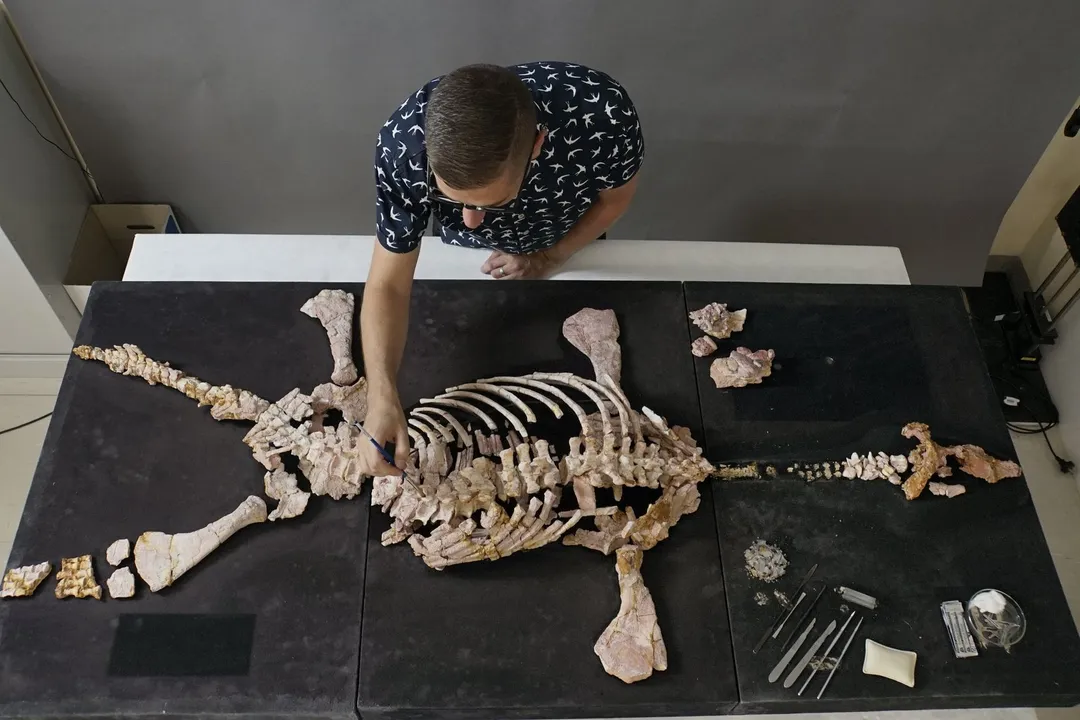
If we look at a typical sequence of preservation, the preservation bias is clear: teeth, bones, and shells (the hard parts) have the best chance because they are chemically more stable and mineral-rich to begin with, providing the structure for permineralization. [1] Soft tissues, like muscle or organs, are almost always lost quickly unless the burial is exceptionally rapid and anoxic, leading to rarer types of preservation like exceptional preservation sites. [9]
# Stratigraphy and Layering
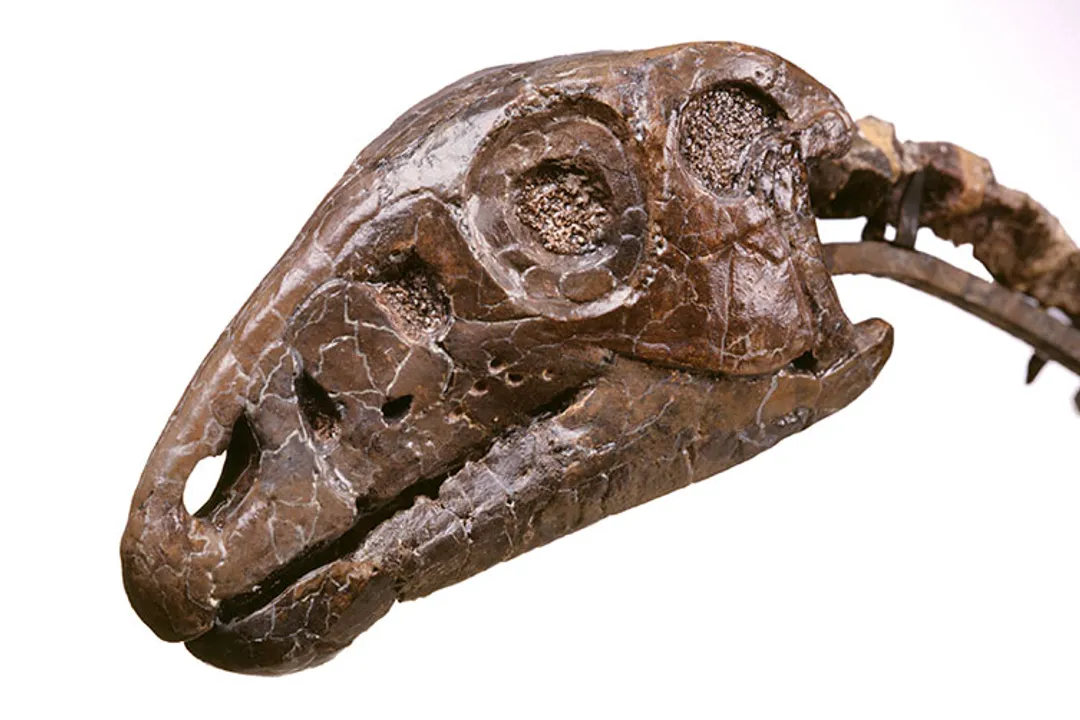
The rock layers themselves tell a story about when and how these fossils were entombed. Fossils are predominantly found in sedimentary rocks. [8] These rocks form from the accumulation and cementation of sediments like sand, silt, and mud over vast timescales. [3] Igneous rocks (from cooled magma) and metamorphic rocks (altered by heat and pressure) rarely preserve delicate organic remains, as the high temperatures and intense deformation destroy the evidence. [8]
The arrangement of these sedimentary layers is governed by fundamental geological principles, most notably the Principle of Superposition. [2] This principle states that in an undisturbed sequence of rock layers, the oldest layers will be at the bottom, and the youngest layers will be on top. [2][3] If you find a trilobite fossil in a lower layer and a mammal fossil in a higher layer, you can confidently state, based on stratigraphy alone, that the trilobite existed long before the mammal lived in that area. [2]
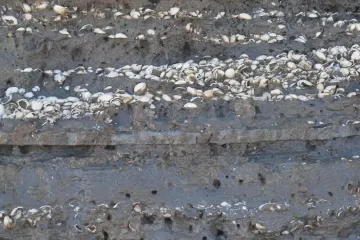
Consider a hypothetical local section, perhaps near an ancient riverbed where you are searching. The bottommost layer might be coarse sandstone representing an ancient beach or river channel (Layer A). Above that, a dark shale layer formed in a deeper, quieter lagoon (Layer B), perhaps containing many clams and fish remains. The topmost layer visible might be a finer siltstone formed during a more recent flood plain (Layer C). [3] Following the rules of superposition, the fossils in Layer A are older than those in Layer B, which in turn are older than those in Layer C. [2]
An interesting detail emerges when considering local depositional history. If you are examining fossils in a coastal region, you might find that a layer of volcanic ash, which settled quickly across a wide area, is sandwiched between two layers of marine shale. Even if the ash layer is thin, its widespread and relatively instantaneous deposition makes it an excellent index layer for correlation across hundreds of miles, allowing paleontologists to tie together the relative ages of the surrounding fossil-bearing shales, even if the shale layers themselves vary in thickness. [2]
# Dating the Encasement
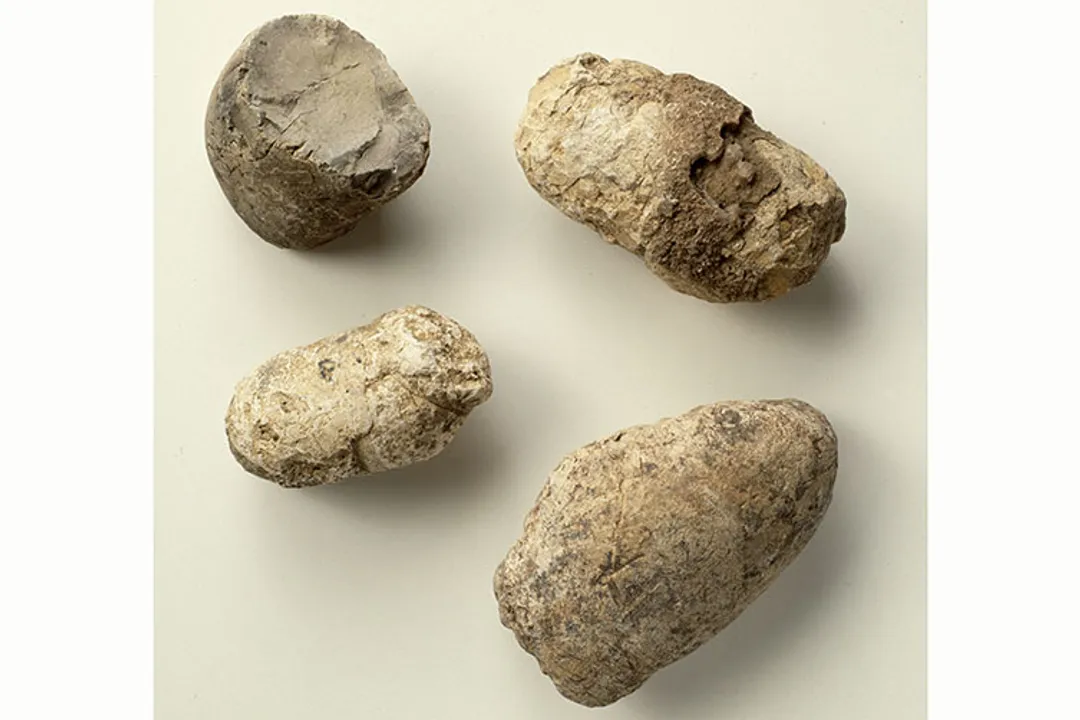
While rock layers give us relative age, establishing a more precise calendar age requires scientific dating techniques. [4] Relative dating, based on position in the strata, is foundational. [4] Absolute dating, however, uses radioactive isotopes locked within certain types of rock to determine an age in years. [4] Often, fossils themselves cannot be dated directly because they have been altered by the preservation process, but the igneous rock layers immediately above or below the fossil-bearing sedimentary layer can be dated, thus bracketing the age of the fossil itself. [4]
# The Mystery of the Split Fossil
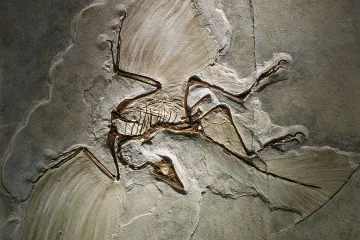
Sometimes, a fossil specimen that has been unearthed appears to be neatly split into two halves, with one half on each side of a bedding plane. [6] This phenomenon often leads to questions about whether the splitting happened during the burial or fossilization process itself. [6]
In reality, this clean bisection is often a result of the rock fracturing after the fossilization is complete or during the excavation process. [6] When rock layers are subjected to tectonic stress or simply the mechanical pressure of overlying material, they fracture along planes of weakness. For a fossil, this plane of weakness is often the interface between the original organism and the surrounding sediment, which might have slightly different mineral compositions or compaction rates. [6] If the split happens along the original bedding plane during the fossilization process, the surfaces that meet are the external molds of the organism, which can sometimes present a near-perfect mirror image, leading to the impression of a perfectly halved specimen. [6] The crucial element here is that the original organism didn't dissolve and split; rather, the rock matrix surrounding the now-mineralized fossil broke along the path of least resistance. [6]
# Preserving the Unlikely
The fact that we have any fossils at all is remarkable, given the necessary conditions for preservation. The preservation of soft-bodied organisms, such as jellyfish, worms, or ancient bacteria mats, represents the extreme end of this rarity spectrum. [7]
It is worth reflecting on the immense preservation filter in place. If we were to sample ten million organisms that died in a single ancient swamp, perhaps one million had hard shells, and only one thousand of those were buried quickly enough to avoid scavenging. Of those thousand, maybe only ten underwent perfect permineralization that survived millions of years of erosion and uplift. [1] This highlights the severe sampling bias in the fossil record: we are primarily finding the "winners" of a multi-stage lottery where survival was dependent on immediate geological luck. [5]
This rarity explains why certain large groups, like the early invertebrates of the Cambrian period, are known almost exclusively from their shells or exoskeletons, while the soft tissues that made up the bulk of their biology remain elusive, save for a few exceptional fossil beds around the world that experienced truly unique, rapid, anoxic burial events. [9]
# Unearthing the Past
These preserved relics remain locked away until geological forces bring them back toward the surface. This happens through processes like tectonic uplift, which raises ancient sea beds to form mountains or plateaus, followed by gradual erosion by wind and water. [9] Paleontologists then look for exposed rock outcrops where these fossil-bearing layers are visible. [9] Finding them is a methodical process involving surveying the geology, understanding the sequence of the rock layers, and sometimes carefully removing the overburden (the younger rock or soil sitting on top) to reveal the ancient treasure beneath. [9] The discovery of a fossil is thus the culmination of its long, quiet imprisonment within the Earth's strata and the slow, relentless work of erosion bringing it back into the light. [9]
Related Questions
#Citations
How do fossils form? - The Australian Museum
Stratigraphy – Fossil Horses - Florida Museum of Natural History
Fossils, Rocks, and Time: Rocks and Layers - USGS.gov
How are fossils and rock layers dated? What are the main ... - Reddit
How do fossils form? | The Learning Zone
How are fossils always perfectly split in the middle? - Quora
How are dinosaur fossils formed? - Natural History Museum
Fossils and Their Preservation
Palaeo How-To: How are Fossils Found?