What is the name of the darkest cloud?
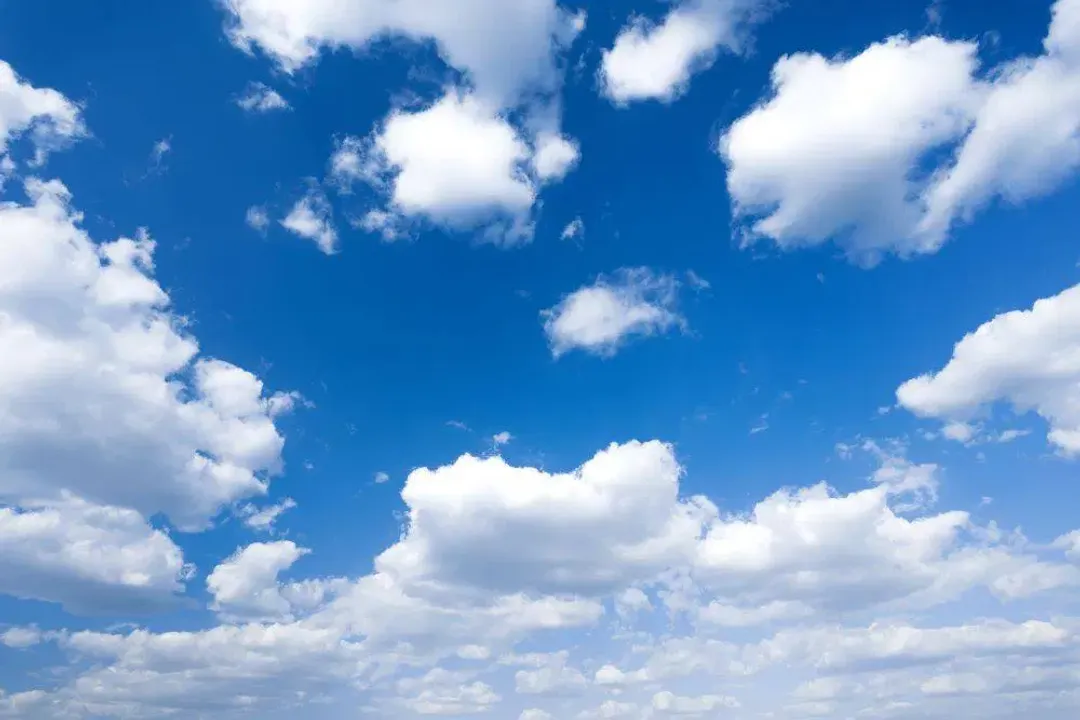
The appearance of a profoundly dark cloud prompts immediate questions, whether one is gazing up at a tumultuous summer sky or looking out at the vast expanse of the cosmos. In our own atmosphere, the darkest clouds are often harbingers of intense weather, while in the depths of space, the darkest objects are massive stellar nurseries blocking the light of everything behind them. Pinpointing a single name for the darkest cloud requires distinguishing between these two very different realms: the celestial and the terrestrial.
# Celestial Shadows
When astronomers refer to dark clouds in space, they are talking about dark nebulae. These are not clouds of water vapor but immense, cold agglomerations of interstellar dust and gas. The truly dark ones earn their ominous appearance because they are so dense that they effectively hide the stars located behind them from our view.
# Absorption Nebulae
A dark nebula is also known scientifically as an absorption nebula or a dark molecular cloud. Imagine a dense fog bank miles thick on Earth; if you stand on the far side of it, you see nothing but the darkness created by the fog itself, as it completely obscures the landscape behind it. Dark nebulae operate on the same principle, albeit on an astronomical scale. These clouds are predominantly composed of molecular hydrogen, but it is the trace amounts of dust—microscopic particles of silicates and carbonaceous matter—that make them opaque. These dust grains are exceptionally efficient at absorbing and scattering the visible light emitted by stars situated millions of light-years away.
These cosmic obscurers stand out visually because they are silhouetted against brighter backgrounds, such as a brightly illuminated emission nebula or a dense field of distant stars. The Horsehead Nebula, perhaps the most famous example, is a perfect illustration. It is a cold, dense cloud of dust against the glowing backdrop of an emission nebula called IC 434. The darkness here is not an inherent property of the cloud emitting no light; rather, it is the absence of transmitted light due to profound absorption.
# Terrestrial Gloom
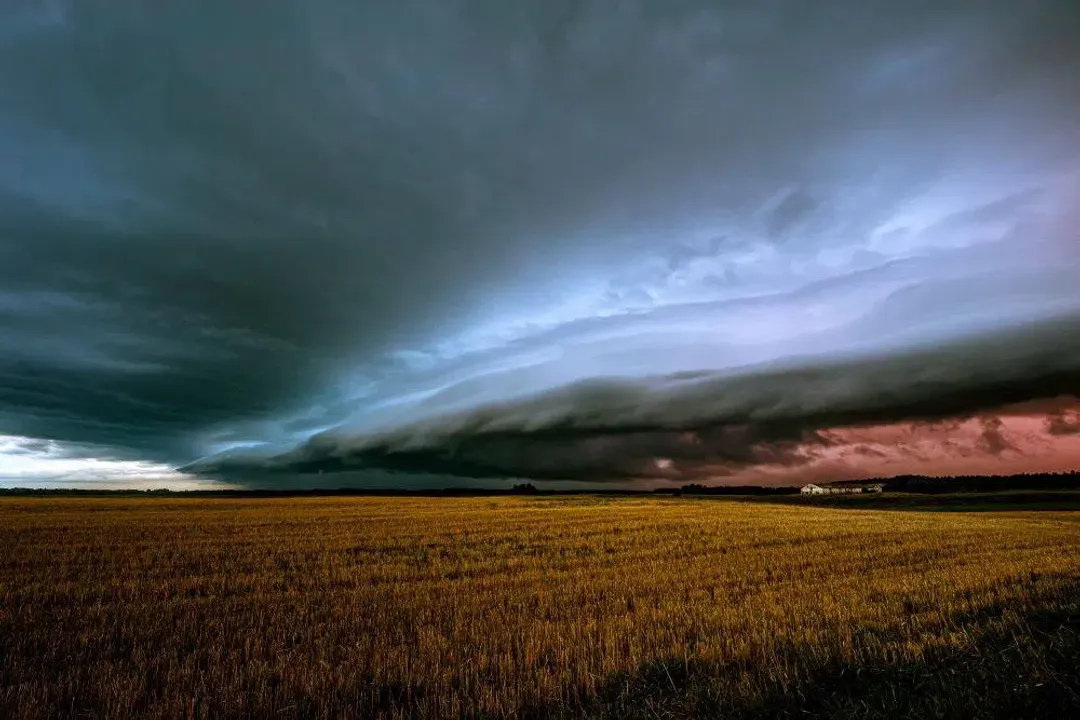
Shifting our focus back to Earth, the darkest atmospheric clouds are those with significant vertical development and high liquid water or ice content, often associated with severe weather. While the standard catalog of ten basic cloud types includes many that can appear gray, the darkest, most ominous ones are usually Cumulonimbus clouds.
# Storm Structure
Cumulonimbus clouds, the producers of thunderstorms, are characterized by extreme vertical extent, sometimes reaching the top of the troposphere. Their sheer mass and density are what cause their dark appearance from the ground. When sunlight tries to pass through the base of a massive Cumulonimbus cloud, the millions of water droplets and ice crystals within scatter and absorb the light so efficiently that very little reaches the observer underneath. The base of these storm giants can appear almost black, especially when contrasted with brightly lit surrounding clouds or clear skies nearby.
It is interesting to note that the color of any cloud is determined by how light interacts with its components. Thin, wispy clouds like Cirrus are white because the small ice crystals scatter all wavelengths of visible light equally. Thicker clouds, like Altostratus, appear gray because the light is scattered multiple times, leading to some absorption and dimming. The Cumulonimbus takes this to the extreme; its base is dark not because it is black, but because it is so optically thick that it is effectively a massive ceiling blocking the sun entirely.
# Layered Darkness
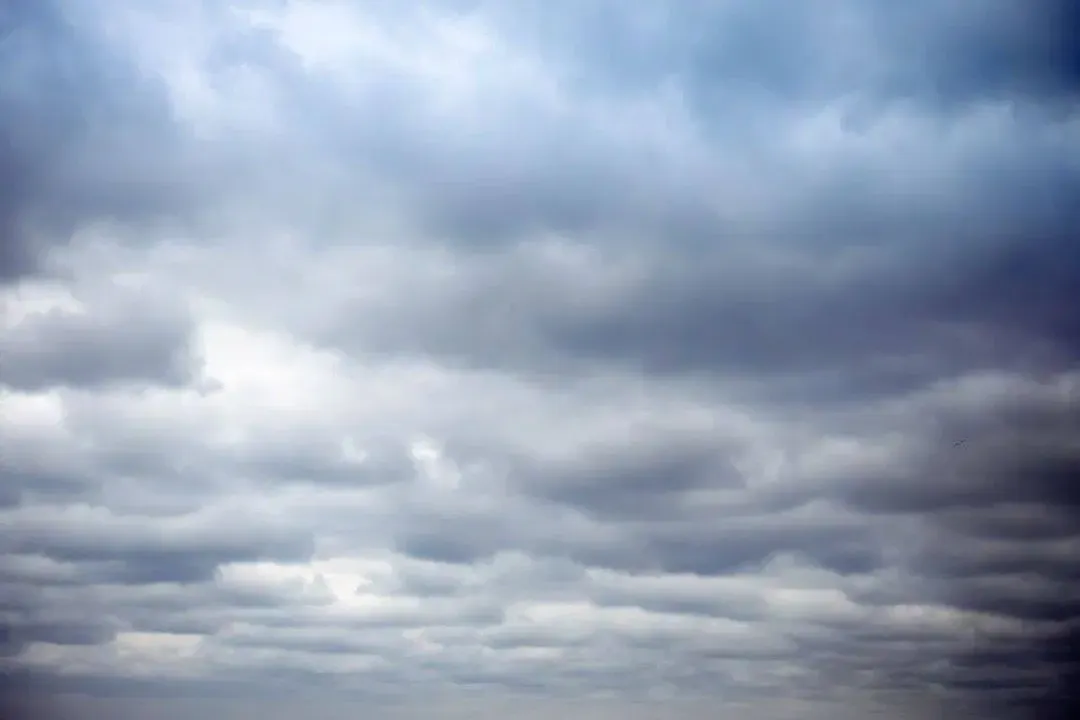
However, darkness isn't exclusive to storm clouds. Stratocumulus clouds, while generally considered low and lumpy, can also appear quite dark when they form a very thick, extensive layer. If you are under a thick blanket of Stratocumulus on a dreary day, the entire sky seems dim. While they lack the dramatic, threatening appearance of a Cumulonimbus, their aggregated mass still absorbs and scatters enough light to create a significantly darker environment below them than high, thin clouds would. The key difference is that the darkness of a storm cloud implies imminent, intense precipitation and energy, whereas the darkness of a Stratocumulus layer usually signals stable, overcast conditions.
We can visualize the comparison of darkness based on density and height:
| Cloud Type | Primary Composition | Typical Darkness Level | Mechanism of Darkness |
|---|---|---|---|
| Cumulonimbus | Water Droplets/Ice Crystals | Extreme (Near Black) | Extreme vertical depth and density blocking all direct light |
| Stratocumulus | Water Droplets | Moderate to High Gray | Thick, continuous layer scattering and absorbing sunlight |
| Dark Nebula | Dust/Molecular Gas | Absolute Black | Complete absorption/blocking of background starlight |
# Optical Depth Comparison
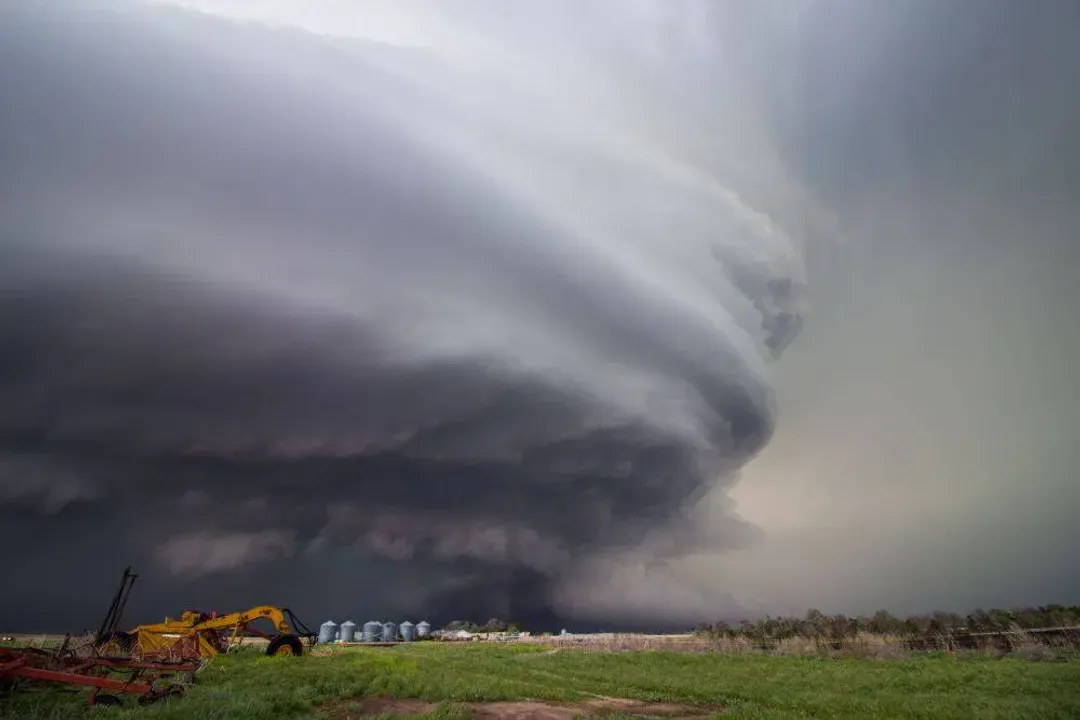
The fundamental difference between the darkest atmospheric cloud and the darkest space cloud boils down to what they are hiding and how they interact with light. A dark nebula represents a region of near-perfect occultation. Its darkness is defined by the lack of photons originating from behind it reaching our eyes. If we could somehow illuminate a dark nebula from the other side, it would still appear dark relative to the surrounding star field unless we were looking directly at the dust itself, which would then likely glow faintly from absorbed energy, appearing as a dull red or brown.
In the atmosphere, the darkest cloud is a phenomenon of attenuation. The light is present; it is simply being bounced around and absorbed by a trillion tiny water droplets before it gets to us. If an observer were placed inside a massive Cumulonimbus cloud base, they would likely experience a diffused, dim, grayish-white light originating from the scattering particles immediately surrounding them, even though the base appears black from below because the light path through the cloud is simply too long for photons to punch through vertically. This distinction between true occlusion and extreme scattering is critical to understanding why a dark nebula is truly the darkest object in this comparison—it achieves zero light transmission in the visible spectrum, whereas the base of a storm cloud is merely the result of overwhelming extinction.
# Atmospheric Anomalies
Beyond the standard cloud classifications, sometimes the public perceives a "black cloud" circling the globe, which is not a meteorological cloud type at all. This perception often arises from massive, prolonged events that inject enormous amounts of aerosols into the atmosphere. For instance, a colossal plume of smoke from widespread bushfires can create a vast, dark haze that circles the planet, darkening skies far from the source. This phenomenon is more about atmospheric pollution and particulate matter suspended over large regions rather than a discrete cloud formation like a Cumulonimbus. Understanding the source helps differentiate between a localized weather event and a regional or global atmospheric condition; the smoke plume is an aerosol event, whereas the storm cloud is a hydrometeorological event.
We also find clouds that, while not dark, have their own unique luminosity. Noctilucent clouds, for example, are the highest clouds, existing in the mesosphere, and they catch sunlight long after sunset, glowing an electric blue or silvery color. They are the polar opposite of dark clouds, representing the highest illuminated ceiling rather than the deepest shadow.
# Observing Cloud Darkness
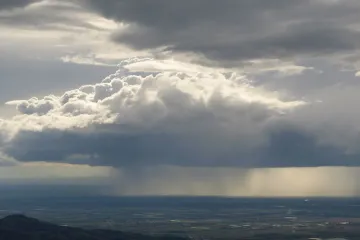
For the amateur weather watcher, recognizing the difference between a dark but harmless cloud and a dangerous one comes down to structure and context. When assessing a dark cloud base, look for vertical structure. If the dark mass is towering, anvil-shaped, or associated with distant thunder, you are dealing with a Cumulonimbus system where the darkness is a warning sign. If the dark area is flat, uniform, and covers the entire sky, you are more likely under a thick Stratocumulus deck, which is less immediately threatening.
When considering the universe, the experience is observational rather than actionable in terms of personal safety. If you are observing a patch of seemingly empty, black sky in a region otherwise filled with the faint glow of the Milky Way, you might be looking directly at a dark nebula. The very act of seeing nothing where you expect to see starlight is the observation itself. In essence, to see a dark nebula, you must already possess excellent astronomical observation skills, as you are looking for the void rather than the object itself.
The deepest shadows we can perceive are found in the heavens, where the dark nebulae hide entire stellar nurseries behind veils of cosmic dust, making them the true record holders for darkness. On Earth, the title of darkest cloud belongs to the towering, dense base of the Cumulonimbus storm cloud, a place where water and ice become so concentrated they shut off the daylight overhead. Both types demonstrate the immense power of simple materials—dust grains in space and water droplets here—to dramatically alter the flow and visibility of light.
#Citations
What are the dark clouds in space? - Cool Cosmos - Caltech
Ten Basic Clouds | National Oceanic and Atmospheric Administration
Dark nebula - Wikipedia
Um, why is there a gigantic black cloud circling the globe? - The Hill
What is the black cloud that appears before a storm? Does it always ...
potential thunderstorms or just harmless stratocumulus clouds?
Noctilucent clouds: What are they and when can you see them?
What Created This Strange Cloud Ring in The Sky? - YouTube
9 Types of Clouds and Their Differences - Climavision