What is the largest source of methane in the world?
Methane () is a powerful force in the Earth's atmosphere, second only to carbon dioxide () in its contribution to human-caused climate warming, but it acts on a much shorter timescale. [9] Understanding where this gas originates is fundamental to curbing near-term climate change because methane’s warming potential is about 80 times greater than over a 20-year period. [9] While lingers for centuries, methane has a relatively short atmospheric lifetime, meaning that aggressive reductions now yield rapid climate benefits. [6] To pinpoint the single largest source, we must examine the primary categories of emission: energy production, agriculture, and waste management, as reported by various global assessments. [5][7]
# Warming Potency
Methane is an extremely effective heat-trapping gas. Its global warming potential (GWP) means that while it doesn't stay in the atmosphere as long as , its immediate impact is much more intense. [9] It is classified as a short-lived climate pollutant, yet it drives a significant portion of the warming we see today. [6] For instance, the International Energy Agency (IEA) tracking indicates that methane emissions from the energy sector alone are equivalent to adding a massive amount of to the atmosphere annually. [1] Focusing on methane, therefore, represents a critical area for rapid climate mitigation. [9]
# Major Categories
Global emissions are broadly divided into three main sectors: energy, agriculture, and waste. [5][7] According to data compiled on global emissions by sector, the energy industry, which includes oil, natural gas, and coal mining, is a major driver. [5] However, the agricultural sector, encompassing everything from livestock digestion to rice cultivation, frequently accounts for the single largest share of total anthropogenic emissions. [7] The U.S. Environmental Protection Agency (EPA) data mirrors this breakdown, identifying energy, agriculture, and waste as the top three sources of methane emissions in the United States, which often serves as a microcosm for global industrial patterns. [2]
# Fossil Fuel Leaks
The energy sector is responsible for a colossal volume of methane release through routine venting, flaring, and, most critically, unintentional leaks. [1] Oil and gas systems are major culprits; the IEA’s Global Methane Tracker has repeatedly identified these operations as a significant and highly addressable source of leakage. [1] When methane escapes from pipelines, processing plants, or wellheads, it enters the atmosphere as a potent greenhouse gas. [3] Modern monitoring tools are increasingly revealing that these fossil fuel sources, particularly from oil and gas production sites, are responsible for a substantial portion of the human-caused output. [8] In many assessments, the fossil fuel system represents a large fraction of total human-caused methane, often approaching or exceeding 30% of the global total. [1]
# Agricultural Dominance
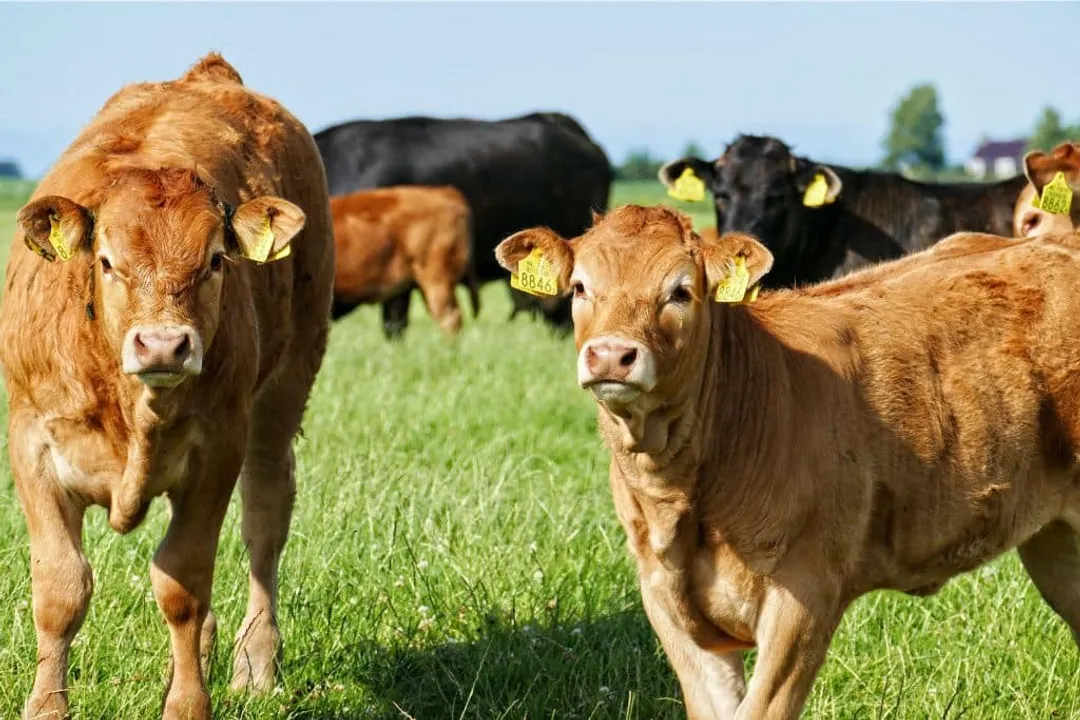
When assessing all sources, the agricultural category often emerges as the overall largest contributor to global methane emissions. [7] This is primarily driven by two biological processes: enteric fermentation in livestock (cows, sheep, goats) and the cultivation of flooded rice paddies. [7] Enteric fermentation—the digestive process in ruminant animals—releases methane directly into the atmosphere. Rice cultivation creates anaerobic (oxygen-free) conditions in the flooded soil, which encourages methanogenic bacteria to thrive and release . [7] This biological origin makes agricultural methane distinct from the infrastructure-based leaks of the energy sector, often presenting more complex mitigation challenges requiring changes in land management and animal husbandry rather than simple equipment fixes. [6]
If we were to create a simple comparative snapshot based on typical global contributions, the scale might look something like this:
| Sector | Primary Source Mechanism | Mitigation Focus |
|---|---|---|
| Agriculture | Livestock digestion, Rice paddies | Feed additives, Water management |
| Energy | Leaks, Vents, Flaring | Infrastructure repair, Capture technology |
| Waste | Landfills, Wastewater treatment | Gas capture systems, Recycling |
This table highlights that while agriculture often leads in volume, the energy sector offers some of the most direct, high-impact reduction opportunities due to the nature of its leaks. [1]

# Pinpointing Hotspots
For decades, large-scale methane emissions were estimated based on national inventories, which often averaged out local realities. However, advancements in remote sensing technology have changed this approach significantly. [3] Satellites, such as the European Space Agency’s Sentinel-5P, equipped with instruments like TROPOMI, now provide the global coverage necessary to pinpoint specific, persistent emission sources. [4] These observations have confirmed that a relatively small number of industrial sites, often related to oil and gas infrastructure, are responsible for emitting vast amounts of methane—these are the "super-emitters". [3][4] By identifying the top 10 persistent sources, for example, analysts can target areas where immediate intervention can yield substantial atmospheric benefit. [4] This ability to move from sector-wide averages to site-specific accountability is a game-changer in monitoring. [8]
# Waste Management
The final major pillar of anthropogenic methane is waste management. [7] As organic materials—food scraps, yard trimmings, and paper—decompose in oxygen-poor environments like municipal landfills, they generate landfill gas, which is approximately 50% methane. [7] Furthermore, wastewater treatment processes also contribute methane to the atmosphere. [2] While typically smaller in total volume than agriculture or energy production on a global scale, these emissions are highly manageable through proven technologies like landfill gas capture systems used for energy generation or direct flaring. [6]
When synthesizing the data, it becomes clear that the largest source depends slightly on whether you count all sources or just those from fossil fuels. If we look at the major contributing category encompassing biological processes, agriculture holds the top spot globally. [7] If we look specifically at the human-controlled emissions most amenable to immediate engineering solutions, the fossil fuel industry represents an overwhelming proportion of controllable releases. [1][3] This dual reality dictates different policy responses: one involving long-term changes in land use, the other demanding rapid infrastructure integrity improvements.
One compelling consideration that often gets overlooked in the simple "largest source" debate is the rate of potential reduction. Because methane has a short lifespan, cutting fossil fuel leaks by even a fraction can immediately slow the rate of warming over the next two decades. [6][9] While tackling livestock emissions is essential for long-term climate stabilization, stopping a major pipeline leak can offer a more immediate cooling effect than reducing emissions by the equivalent volume, simply because the methane stops influencing the climate system within about twelve years. [6] This speed of impact makes monitoring and fixing energy infrastructure leaks an emergency priority for climate scientists. [1][8]
Another valuable angle for the general reader is understanding the local implications of these massive figures. If you live near areas with significant oil or gas drilling activity, the high concentration of persistent "hotspots" detected by satellites reflects a very real local air quality and climate risk that might not be captured in national averages. [4] Homeowners or community groups concerned about local air quality might benefit from looking at regional regulatory reports to see if nearby industrial facilities have been flagged for excessive methane venting, as this points to an immediate, uncaptured emission source that is disproportionately contributing to regional atmospheric methane loads. [3]

# Mitigation Outlook
Addressing methane emissions requires a multi-pronged strategy targeting all three sectors identified by experts. [2][5] For the energy industry, this means implementing stricter leak detection and repair (LDAR) programs, eliminating unnecessary routine flaring, and capturing gas that is currently vented. [1] In agriculture, the focus leans toward dietary improvements for livestock and optimizing water management in rice cultivation. [7] Finally, waste management solutions center on expanding landfill gas collection networks and improving anaerobic digestion processes for organic waste. [6] Given methane's potency, aggressive, immediate action across these areas is necessary to slow the rate of global warming in the near term. [9]
#Citations
Overview – Global Methane Tracker 2022 – Analysis - IEA
Methane Emissions | US EPA
The search for the world's largest methane sources - BBC
ESA - Top 10 persistent methane sources - European Space Agency
Breakdown of carbon dioxide, methane, and nitrous oxide emissions ...
Methane | Climate & Clean Air Coalition
What Are the Major Sources of Methane in the Atmosphere?
What is the largest source of methane? - GHGSat