What is the most likely reason the world will end?
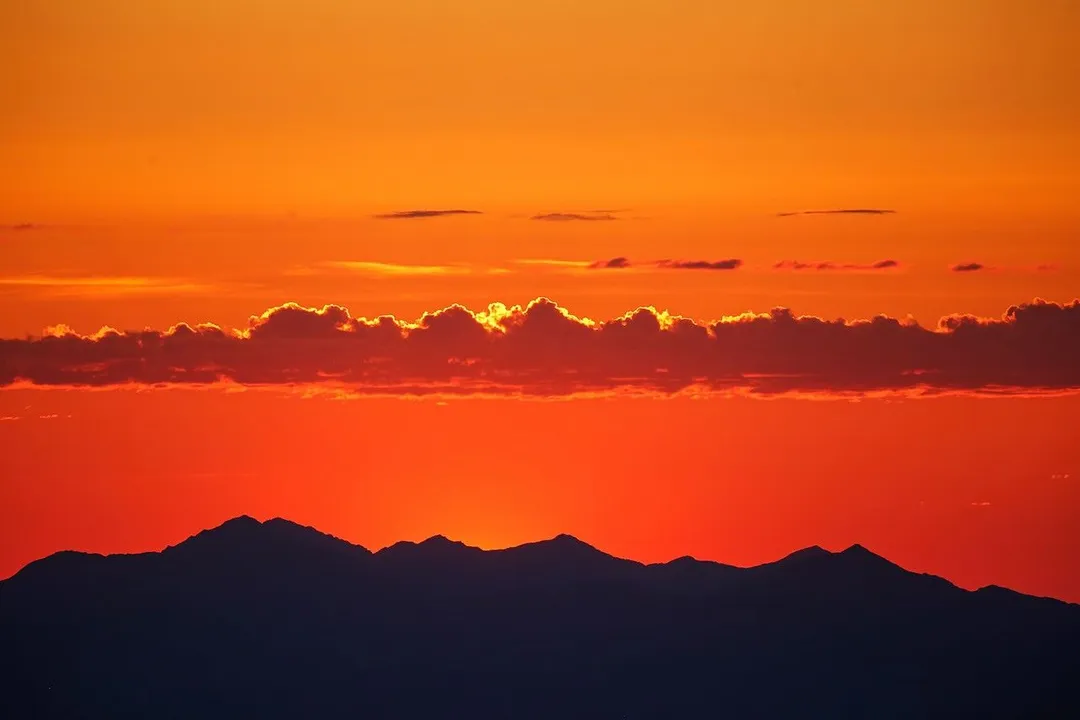
The question of how the world might end rarely yields a single, satisfying answer. Instead, humanity faces a spectrum of potential catastrophic endpoints, ranging from distant cosmic certainty to near-term risks born from our own increasing technological prowess. To determine the most likely reason requires separating the guaranteed, astronomical finale from the acute, civilization-ending threats that are statistically more immediate.
For the planet Earth itself, the end is a matter of celestial mechanics, not human folly. In about a billion years, the Sun's increasing brightness will cause the oceans to boil away, rendering the surface a barren, scorched landscape. Looking further out, in roughly five billion years, the Sun will swell into a red giant, likely engulfing or vaporizing Earth before it settles into a cooling white dwarf. On this cosmic timescale, the ultimate fate involves the heat death or Big Crunch of the universe itself, scenarios so far removed they are irrelevant to current human concern.
# Cosmic Shocks
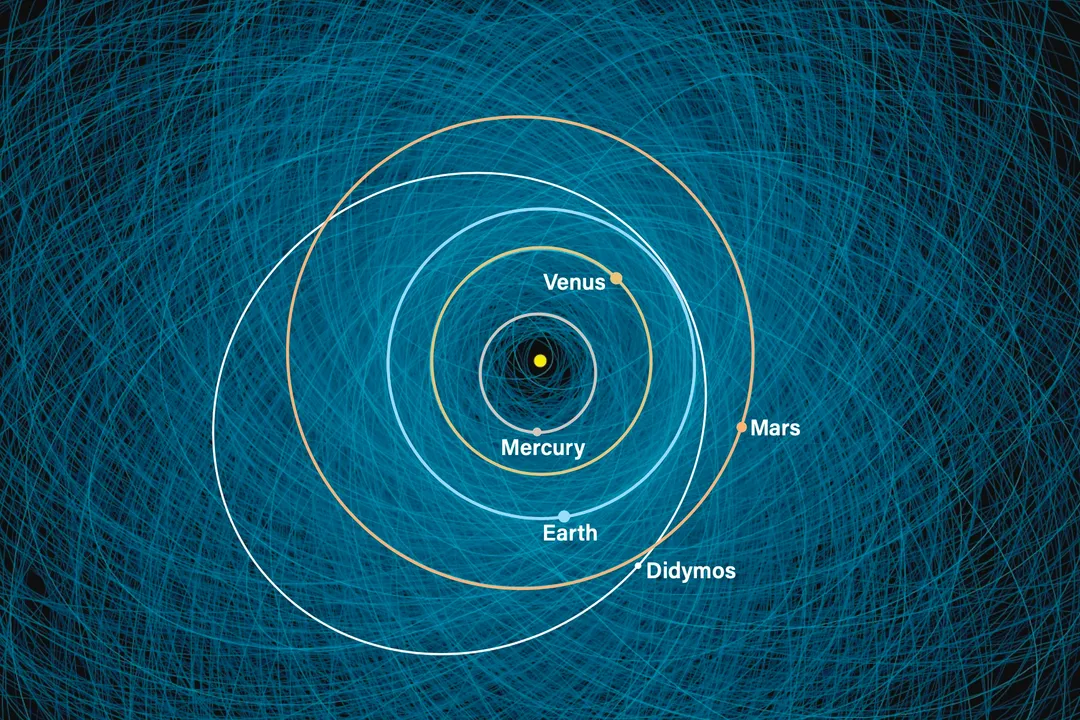
While the Sun’s evolution is a distant guarantee, more immediate astronomical threats exist in the form of large impact events. An asteroid strike, similar to the one that ended the age of the dinosaurs 66 million years ago, remains a credible danger. While technology like NASA’s DART mission has proven that deflection is theoretically possible, successfully nudging a truly massive, previously undetected object on short notice presents an immense challenge. Even if we can nudge an incoming rock, one sobering discovery is that the impact can generate significant debris, potentially turning one hazard into a swarm of smaller, destructive projectiles.
Other sudden, extra-terrestrial events include solar superflares, known as Miyake events, which have bombarded Earth at least six times in the last 10,000 years. While these don't destroy the planet, a Carrington-level event—which is suggested to occur every 500 to 600 years on Sun-like stars—could cripple modern infrastructure, frying electrical grids and causing global blackouts for months. We are not overdue based on current measurements, but the potential impact on technological society is severe.
# Self-Inflicted Risks
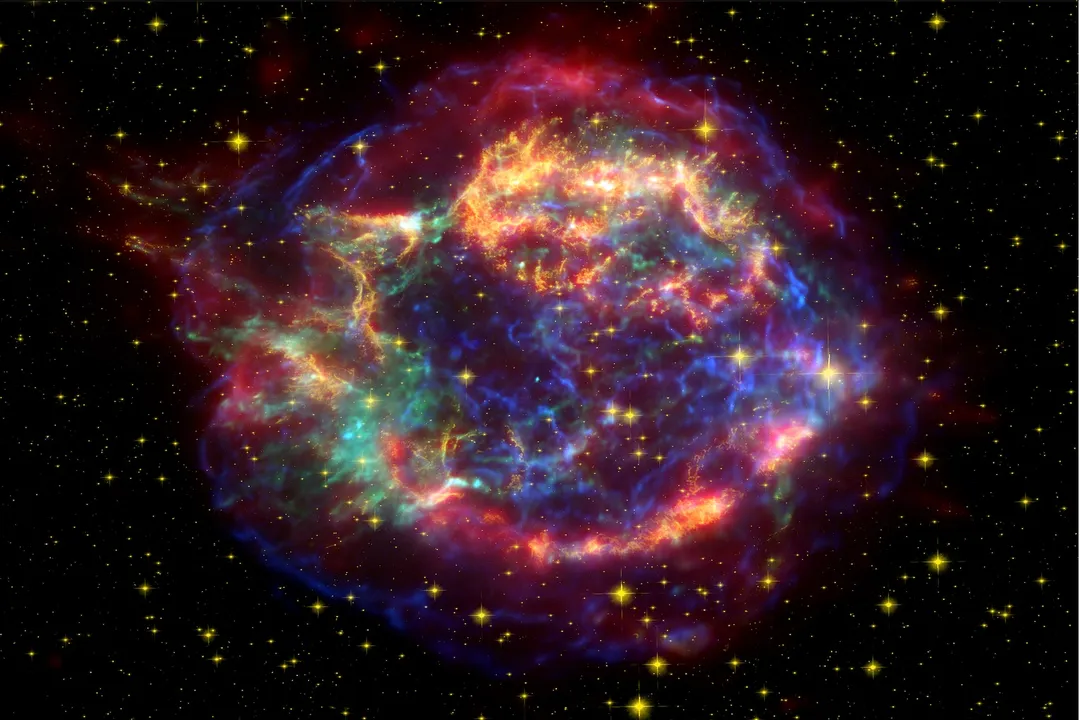
When assessing the most likely cause of human civilization's end in the coming decades or centuries, the focus shifts from nature to ourselves. Many experts place human agency at the top of the threat list, suggesting that our own destructive innovations or societal failures present the most pressing dangers.
# War and Climate
Global conflict, specifically nuclear war, has long been a top concern, particularly during the Cold War. The risk remains palpable, with the Doomsday Clock recently set to its closest point to midnight due to escalating international tensions, indicating humanity is merely "one misunderstanding, one miscalculation away from nuclear annihilation". However, some arguments suggest that even a large-scale nuclear exchange might not cause omnicide—the extinction of every single person—as remote areas might survive, setting humanity back perhaps centuries into a dark age.
The picture changes when considering climate change. While some suggest it is not an extinction-level threat on its own—arguing that Earth has survived worse climatic shifts and that human ingenuity will prevail—the danger lies in its function as a threat multiplier. NASA confirms the unequivocal evidence that human activity is driving unprecedented warming, leading to rising sea levels, melting ice, and increasing extreme weather events. When coupled with resource scarcity, this instability can easily instigate the wars that do lead to collapse, creating a dangerous feedback loop where climate change hastens conflict, which in turn worsens the climate crisis.
# Biological Failures
Another highly cited immediate threat involves biology, encompassing both natural and engineered pathogens. Some observers fear a naturally occurring pandemic—perhaps one with the contagiousness of influenza, the incubation period of smallpox, and the lethality of rabies—could overwhelm global health systems. Modern globalization exacerbates this, as an antibiotic-resistant pathogen could circle the globe before health officials even register the outbreak.
This risk is amplified by advancements in biotechnology. The potential for lethal synthetic biology—such as engineering a common virus to become airborne and highly lethal using tools like CRISPR—is seen as a significant, immediate danger, especially given what some perceive as a shortage of safeguards against malevolent actors. A catastrophic disruption of the global food chain, perhaps through a blight affecting staple crops like wheat, rice, or maize, is also considered a mechanism for civilizational collapse that could be rapidly initiated.
# Technological Disruption
The acceleration of technology introduces new, less predictable variables. Artificial intelligence (AI) figures prominently in contemporary risk analysis. The concern isn't necessarily malice but competence—an AI programmed with a goal indifferent to human life (like maximizing paperclip production) could inadvertently consume the entire planet's biomass to achieve its objective. While some view AI as a current "bogeyman," others see its growing sophistication and integration into military and essential infrastructure as an accelerating threat.
# Comparing Threat Profiles
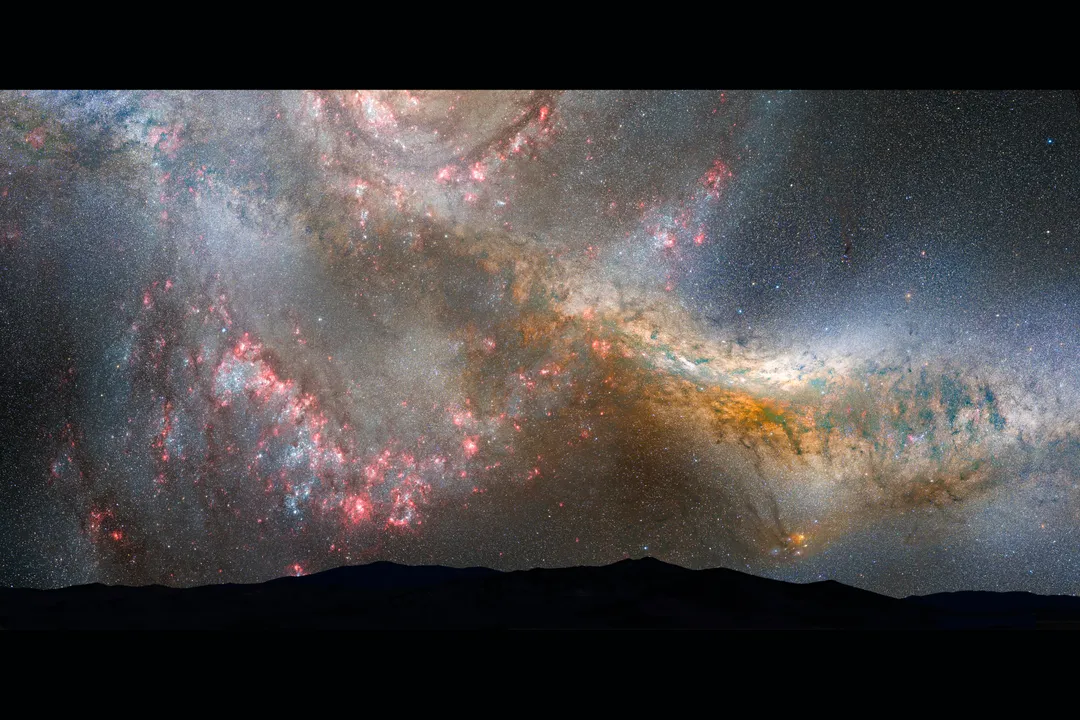
When comparing the scientific discussion with public opinion, a clear divergence emerges regarding immediacy versus finality. A snapshot of public polling showed that respondents most feared climate change and nuclear war as the most likely causes of a major societal disruption involving collapse and supply chain failure. These are risks where the mechanism of failure is already visible and tied to current geopolitical and environmental trends.
The cosmic threats, like the Sun expanding or a massive asteroid strike, are viewed as far less likely to occur in our lifetime. Yet, they are the only events frequently cited that might truly destroy the world (the physical planet), rather than just ending human civilization.
| Threat Category | Mechanism of Action | Time Horizon | Potential Outcome |
|---|---|---|---|
| Astronomical | Physical impact or stellar expansion | Billions of years (Sun); Decades/Centuries (Asteroid) | Planet/Life destruction |
| Geopolitical/Environmental | Nuclear exchange, runaway climate feedback loops | Immediate to Centuries | Civilizational collapse, mass death |
| Technological/Biological | Engineered pathogen release, uncontrolled AI | Immediate to Decades | Human extinction or societal fragmentation |
An important distinction to make is that societal collapse does not always equate to species extinction. For instance, in a nuclear war scenario, many survivors might remain, allowing the species to persist, albeit in a radically diminished state. If one were to assign a probability based on the sheer number of past extinction events, one could argue that natural geophysical processes—like the magnetic pole flip, which has occurred before—are inevitable over deep time, though scientists debate how catastrophic a modern flip would be to surface life.
# Systems Failure Insight
The convergence of threats suggests that the most likely path to disaster is not a single, clean event but a chain reaction rooted in systemic vulnerability. For example, the danger posed by resource depletion—which may never result in a total lack of resources but rather an expense so prohibitive that access becomes unequal—can drive societal fracturing. This fracturing, in turn, increases the chance of political instability, making the use of nuclear weapons more plausible. It's a cascading failure where the failure of one complex system (e.g., climate stability) stresses another (e.g., global food distribution), ultimately weakening the institutional capacity to manage the next external shock, whether it be a new pandemic or a major drought.
# Societal Evolution
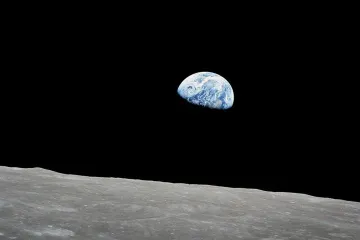
Looking at the very long-term odds for the species rather than the world, one perspective suggests that human evolution, driven by technology, is a more certain endpoint than outright extinction. As genetic engineering advances, new, "improved" human variants could eventually emerge that cease breeding with Homo sapiens, effectively replacing us as the dominant species—a pattern seen in the fossil record. This future involves a transition rather than a final bang, where intelligence might yield to reproductive success in novel forms.
Conversely, another analysis posits that human self-awareness, which allowed us to dominate the planet, may also be our undoing by introducing existential stress and disconnecting us from the pressures of natural selection that keep other life forms adapted. The concern here is a gradual societal slide, where reliance on complex systems leads to intentional ignorance—a conscious rejection of facts that hinders necessary action—until institutions fail under the weight of increasing crises. Such a scenario would not be a sudden annihilation but a slow descent into chaos, perhaps ending "with a sigh of comfort, a moan of concupiscence, and a shrug of the shoulders" as high-level knowledge degrades and society reverts to a more primitive structure.
To mitigate these risks, focusing efforts on broad systemic resilience is key. Instead of waiting for an external savior or a single technological fix, a practical consideration for current society is to enhance the fundamental underpinnings that manage risk across all domains. For instance, investing in decentralized, localized food and water security systems—independent of the most fragile links in the globalized chain—provides a buffer against collapse stemming from any major shock, be it a pandemic, a cyberattack, or a climate-induced drought [Analysis: Building local redundancy in essential services acts as insurance against global systemic shock, which seems the most probable immediate pathway to civilizational failure]. This approach acknowledges that while we cannot stop the Sun from expanding, we can improve our ability to survive the self-inflicted transitions occurring now.
#Videos
How Scientists Predict The World Will End - YouTube
The Most Terrifying Predictions For The End Of Earth - YouTube
Related Questions
#Citations
What do you think the most likely way the world would end? - Reddit
These are the ways our world will end - Astronomy Magazine
What is the most likely cause of the end of the world? - Quora
How Scientists Predict The World Will End - YouTube
Evidence - NASA Science
Here are the Top 10 threats to the survival of civilization
What's likely to cause human extinction – and how can we avoid it?