How is methane produced for rocket fuel?
The ascent of methane () as a preferred rocket propellant represents a significant evolution in space propulsion technology, moving beyond the long-established dominance of kerosene (RP-1) and liquid hydrogen (). [1][4] While chemical rockets have relied on these historical fuels for decades, the drive toward full, rapid reusability and the prospect of interplanetary travel necessitated a closer look at the capabilities of liquefied natural gas. [1][3]
# Propellant Pairing

Liquid methane functions as the fuel component in a bipropellant system, almost universally paired with Liquid Oxygen () as the oxidizer. [4][10] The combination, often designated , is categorized as a cryogenic propellant because both components must be kept at extremely low temperatures to remain dense liquids suitable for pumping into the combustion chamber. [9] The specific thrust achieved, known as specific impulse (), is a critical metric, and methane offers a favorable balance when compared to its competitors. [2]
Here is a basic comparison of common fuel types used in liquid rocket engines:
| Fuel Type | State at Use | Density (Relative) | Coking/Soot Risk | Reusability Impact |
|---|---|---|---|---|
| Liquid Methane () | Cryogenic Liquid | Medium | Low | High compatibility |
| Kerosene (RP-1) | Cryogenic Liquid | High | High | Moderate (requires cleaning) |
| Liquid Hydrogen () | Cryogenic Liquid | Very Low | Negligible | High compatibility |
| [4][10] |
Methane sits in a practical middle ground. While liquid hydrogen provides the highest theoretical specific impulse, it demands far more voluminous tanks due to its extremely low density and requires intense insulation because of its very low boiling point. [2][4] Kerosene, conversely, is dense and easy to store at warmer (though still sub-zero) temperatures, but its combustion process leads to soot deposition, known in rocketry as coking, which severely complicates engine reuse. [1][5]
# Chemical Advantages
The slow adoption of methane, despite its apparent benefits, was partly due to historical inertia and the existing infrastructure built around RP-1 and . [5] However, the chemical properties of methane itself provide compelling reasons for its recent surge in popularity, particularly in designs aiming for multiple flights. [1]
The primary chemical advantage of methane over RP-1 is its cleanliness. [5] Kerosene, a complex hydrocarbon mix, leaves behind carbon deposits when burned incompletely, fouling critical components like injectors and turbopumps. [1] This necessitates extensive cleaning procedures between flights, hindering rapid turnaround times. [5] Methane, being a simpler molecule, burns much cleaner, producing significantly less soot. [1] This inherent cleanliness directly translates to better engine health over repeated cycles, supporting the operational tempo required by modern reusable launch systems. [5]
Furthermore, methane’s performance envelope is often described as being superior to kerosene while being easier to manage than hydrogen. [1][2] While hydrogen offers higher performance metrics, methane’s higher density reduces the required size of the propellant tanks, leading to a more compact vehicle structure. [4] This structural efficiency, combined with its moderate cooling capabilities, makes it an excellent propellant choice for the design and operation of high-thrust engines like the SpaceX Raptor engine. [1][6]

# Terrestrial Production
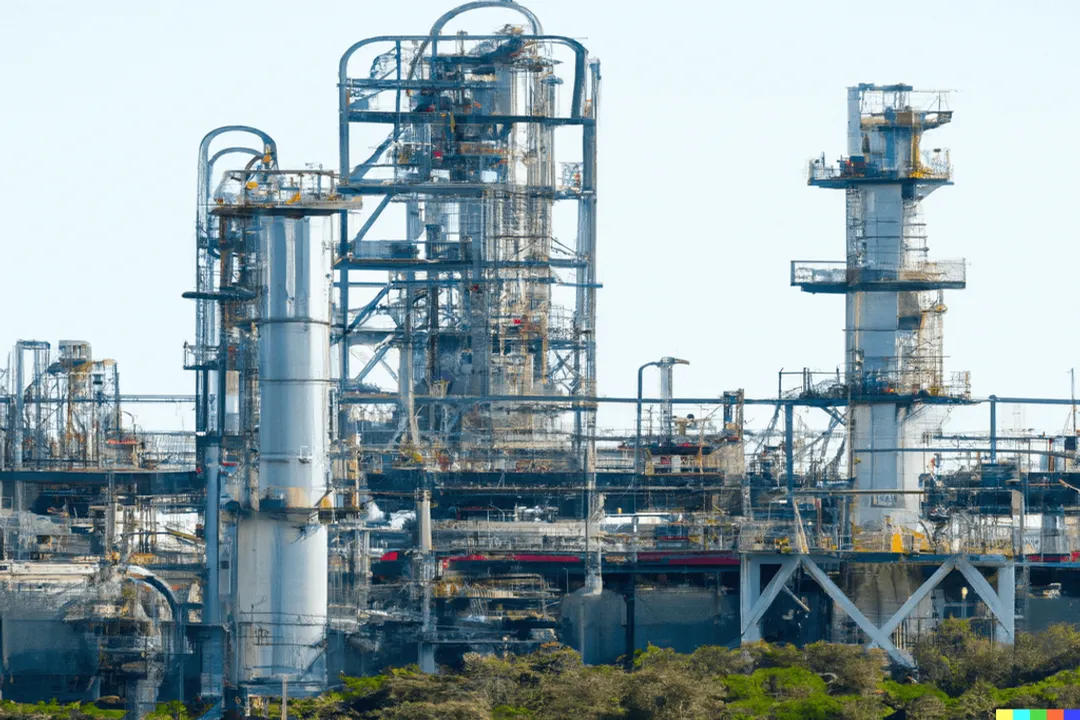
Producing the required volume of on Earth for routine orbital launches involves two main phases: chemical synthesis (if starting from basic feedstocks) and physical liquefaction. [9]
If the methane is sourced from industrial natural gas, the process primarily involves purification to remove contaminants that could damage an engine, followed by the cryogenic liquefaction step. [9] Natural gas is cooled under high pressure until it transitions into its liquid state. [9]
When manufacturing is required from atmospheric or stored components, processes like the Sabatier reaction or related methanation reactions are employed. [3] For general rocket use, the feedstock might be derived from renewable sources or carbon capture technologies, making the overall system cycle more environmentally conscious, although the energy input required for liquefaction remains a significant operational consideration. [9]
The energy cost associated with cooling the methane gas down to its liquid phase, which sits around or at atmospheric pressure, is substantial. [8] While the raw material might be inexpensive, the required industrial refrigeration capacity dictates a large portion of the final cost of the propellant delivered to the launchpad. [9] This energy expenditure is a hidden variable in the economic analysis of systems compared to RP-1, which can be stored at slightly warmer, less energy-intensive cryogenic temperatures. [4]
# Martian Manufacturing
The true promise of methane as a propellant becomes clear when considering long-duration space missions, specifically to Mars. [3] The ability to make propellant on another celestial body, known as In-Situ Resource Utilization (ISRU), drastically reduces the mass that must be launched from Earth. [3]
The primary method envisioned for producing methane on Mars relies on the Sabatier process, utilizing materials readily available on the Martian surface and in its atmosphere. [3] The Martian atmosphere is predominantly carbon dioxide (). [3] This is reacted with hydrogen () to produce methane () and water (): [3]
The hydrogen required for this reaction must either be brought from Earth or, more ideally, extracted from subsurface water ice thought to exist on Mars. [3] The water produced as a byproduct can also be split via electrolysis to yield more hydrogen and oxygen—the latter serving as the oxidizer component for the rocket fuel. [3] This circular process allows a crewed mission to generate the return propellant on-site, a concept that is far more complex to implement using only hydrogen or kerosene. [3]
# Handling Storage
Storing any cryogenic propellant demands specialized engineering to manage the constant heat transfer from the environment that causes the liquid to boil off back into gas. [8][9] Methane, with its boiling point of approximately , is significantly warmer than liquid hydrogen () but colder than refined kerosene. [8]
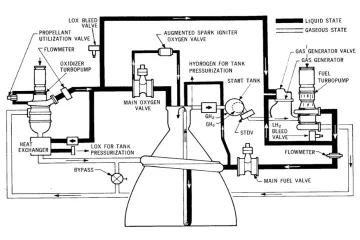
Crucially, liquid methane is stored as a pure liquid in its tanks, not as a gas that has been highly pressurized to force liquefaction. [8] The pressure within the tank is largely a byproduct of the slow boil-off inherent to any cryogenic fluid. [8] Because methane’s boiling point is higher than hydrogen’s, it requires less rigorous insulation and experiences lower rates of boil-off during transit or while sitting on the launchpad. [8] This reduced boil-off rate provides greater operational flexibility for mission scheduling, a distinct advantage over -based systems where the vehicle must launch sooner or use complex refrigeration systems to prevent excessive propellant loss. [9] The engineering challenge remains maintaining the vacuum jacketed insulation systems necessary to keep the dense and ready for injection into the high-pressure turbomachinery of the rocket engine. [9]
#Videos
How Do You Make Rocket Fuels? - YouTube
#Citations
How did Methane become the rocket fuel of the future? - Reddit
Methane vs. Kerosene as Rocket Fuels - Stanford University
Making methane on Mars | University of California
Liquid rocket propellant - Wikipedia
Why did it take so long for methane to be used as a rocket propellant?
How Do You Make Rocket Fuels? - YouTube
Why use Methane? Why not Kerosene or Hydrogen? - Facebook
How is liquid methane stored in rockets? Is it pressurized from a gas ...
Producing Liquid Methane for Rocket Propulsion: An Overview
A Quick Guide to Rocket Fuel - Rexarc