How is rocket fuel ignited?
The process of starting a rocket engine is far more intricate than simply turning a key; it involves initiating an intensely controlled chemical explosion within a carefully engineered chamber. It isn't about making molecules expand through heat alone; rather, it is about forcing a rapid, sustained chemical reaction—combustion—between specific chemical components to generate the massive amounts of hot gas required for thrust. [4] This entire sequence hinges on overcoming the initial activation energy barrier required to kickstart that reaction. [3]
# The Oxidizer Requirement
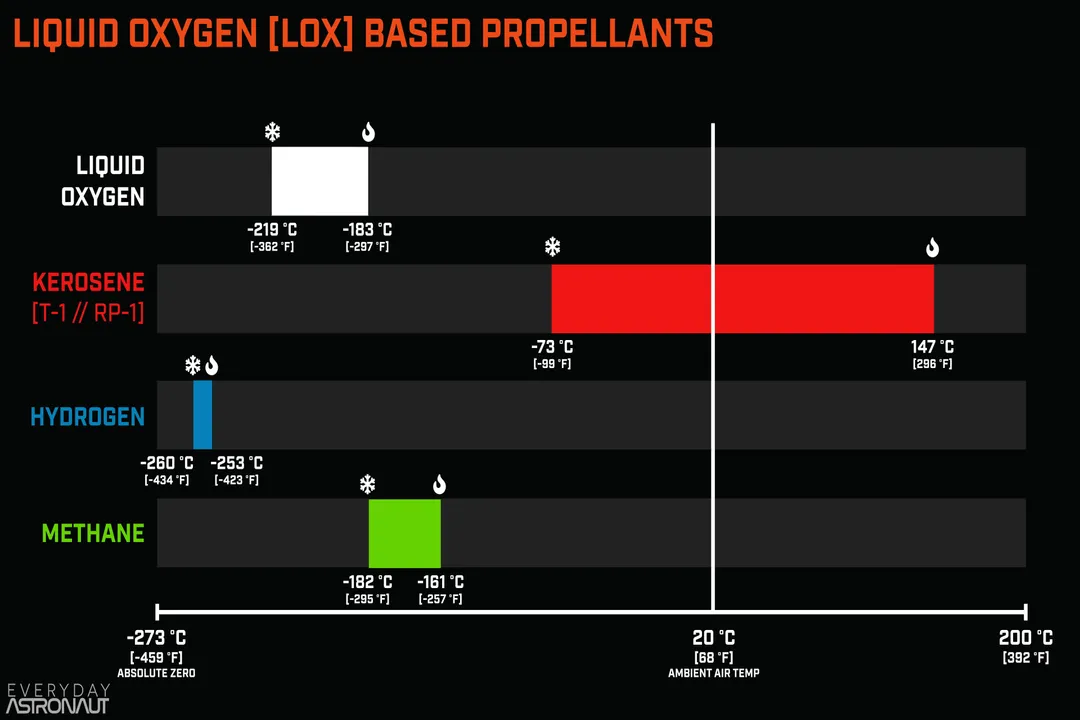
A common misconception is that rockets operate like a car engine, drawing oxygen from the air. In the vacuum of space, there is no ambient oxygen available to help the fuel burn. [9] Therefore, a rocket must carry both the fuel (like refined kerosene or liquid hydrogen) and the oxidizer (most commonly liquid oxygen, or LOX) onboard the vehicle. [9] Ignition is the necessary step to force the fuel and oxidizer into a high-energy chemical exchange, rapidly converting the liquid propellants into superheated exhaust gases that exit the nozzle at high velocity, thereby producing thrust according to the fundamental rocket equation. [4][6]
# Ignition Strategies
The method chosen for ignition depends almost entirely on the chemical properties of the propellants being used. Engineers categorize these starts based on whether the propellants react instantly or require a separate energy source to begin burning. [3]
# Hypergolic Starts
For certain high-performance or maneuvering engines, engineers prefer hypergolic propellants. [3] These are chemical pairings, such as nitrogen tetroxide (the oxidizer) and monomethylhydrazine (the fuel), that ignite spontaneously the moment they come into contact with each other. [3] This chemical property is immensely useful because it completely eliminates the need for a separate, complex ignition system, like a spark plug or a flare, which can fail or wear out. [3] The start sequence for a hypergolic engine is often as simple as opening two valves: the fuel valve and the oxidizer valve. [3] While this offers reliable restart capabilities, these chemicals are often highly toxic and corrosive, requiring stringent handling protocols on the ground. [3]
# Non-Hypergolic Requirements
When using propellants that do not ignite on contact, such as the popular combination of liquid hydrogen and liquid oxygen (used in engines like the Space Shuttle Main Engine or the Raptor engine), an external source of energy must be introduced into the combustion chamber to reach the necessary reaction temperature. [3] There are several ways this external kick is delivered:
- Pyrotechnic Igniters: These systems function much like a powerful, carefully controlled firework built directly into the engine plumbing. [3] A small solid charge is ignited electrically, and the resulting hot gas plume or flame jet is directed into the main combustion chamber to light the flowing liquid propellants. [3] This is a one-time action per start sequence.
- Spark Ignition: Similar to an automobile's spark plug, a device generates an intense electrical arc inside the chamber. [3] This is typically used in smaller engines or for initial testing, though it demands very high reliability from the electrical components in an environment of extreme heat and pressure. [3]
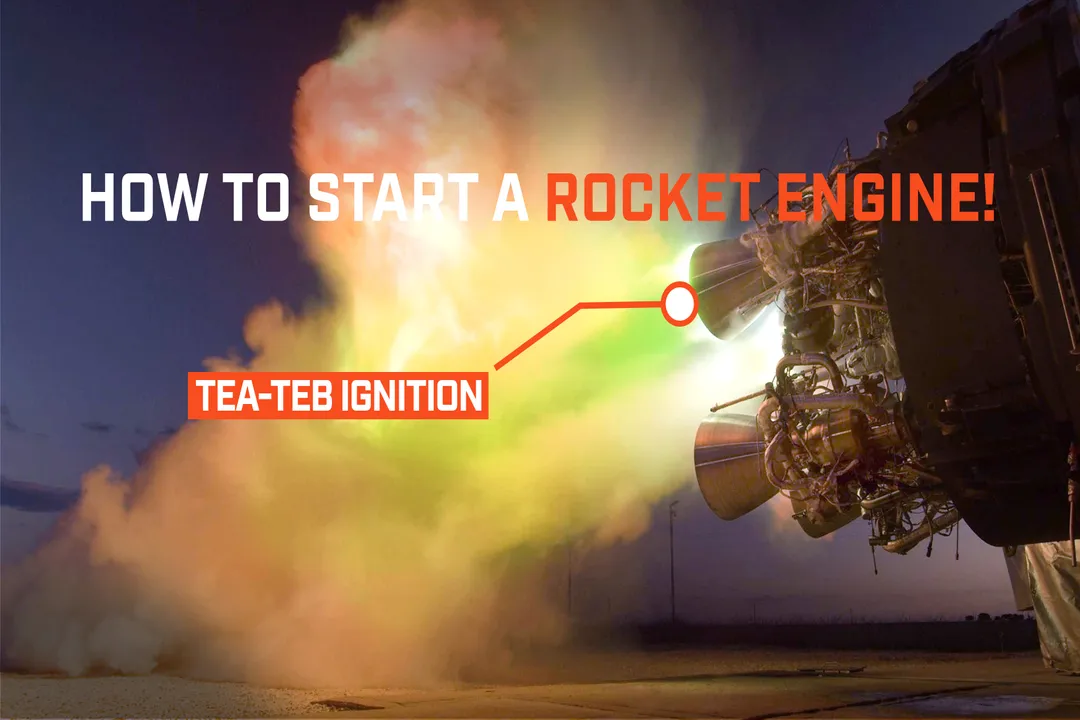
- Torch Igniters: Some engines use a small pre-burner or pilot light that burns a small amount of the main propellant, or a separate hypergolic mixture, to create a sustained flame that then ignites the primary flow. [3] In one common technique, a small amount of a hypergolic substance is injected first, creating a brief flame that immediately lights the flow of the main, non-hypergolic propellants. [3]
It is insightful to compare the energy input here: while hypergolics require almost zero activation energy from an external source, a cryogenic engine burning liquid hydrogen and LOX requires overcoming extremely low temperatures and significant energy barriers to reach the autoignition point, necessitating a much more violent and energetic initial spark or torch. [3]

# Solid Propellant Starts
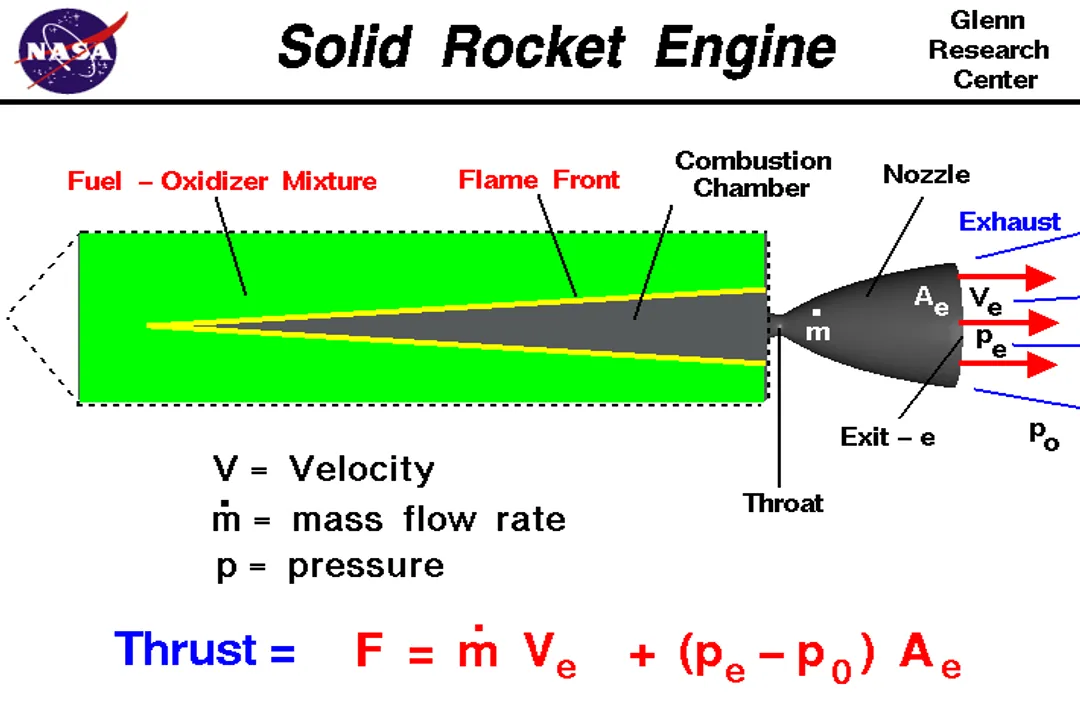
Solid rocket motors present a fundamentally different ignition challenge because the fuel and oxidizer are pre-mixed and packed together as a solid compound, often called the "grain". [6] Ignition in a solid motor is typically initiated by a device placed within the hollow core of the grain, often called an igniter assembly. [6] This usually involves an electric match or a small pyrotechnic device that burns with enough intensity to heat a localized area of the solid propellant past its ignition temperature. [6] Once that initial spot ignites, the flame front travels rapidly through the core channels of the propellant grain. [6] For these motors, the challenge is not restarting the motor, but ensuring the flame spreads uniformly across the entire exposed surface area of the grain for a complete and stable burn. [6]
# Restart Challenges in Space
For orbital maneuvering or landing sequences, a rocket engine must often be restarted after coasting through space, meaning it has cooled down significantly. [5] This introduces a major engineering hurdle: how does the ignition system survive the first firing to be ready for the second?[5]
If an engine uses a hypergolic system, the restart is generally straightforward because no complex igniter hardware needs to be preserved. [3] However, for engines relying on an external energy source like a spark or a torch igniter, the components must be designed to withstand the subsequent thermal shock. [5] The combustion chamber reaches incredibly high temperatures, and the residual heat soak after shutdown can damage sensitive electronics or even melt parts not directly in the flow path. [5]
A specific engineering consideration arises here: if a spark plug is used, it must be either designed with exotic, high-temperature materials that resist rapid oxidation and melting, or it must be physically shielded or retracted from the direct path of the main combustion plume once the burn is established. [5] For reusable systems, the thermal management required to ensure the re-ignition hardware remains functional across multiple cycles adds considerable mass and complexity compared to a single-use first stage where the igniter can be sacrificial. [5] This is a key difference between designing for a single explosive release and designing for controlled, repeatable thrust applications like braking for a lunar landing.
# Initializing the Flow
Before any ignition attempt, the propellants must be properly conditioned and fed into the chamber. In modern liquid-fueled rockets, whether using turbopumps to force the propellants in under high pressure or using simpler pressure-fed systems, the flow must be established first. [3][8] If using cryogenic propellants like liquid hydrogen, the lines and injectors must often be purged or chilled first using the cold propellant to prevent the hot metal of the engine structure from instantly vaporizing the incoming cold propellant, which could cause dangerous pressure spikes or blockages. [3] Only once the stable flow of both fuel and oxidizer is established at the injector face is the ignition energy applied, ensuring the flame catches both streams simultaneously. [3]
# Analyzing Engine Start Reliability
When considering how a rocket ignites, it is important to recognize that the goal is not just an ignition, but a reliable ignition that happens within a very tight time window—often just a fraction of a second. [2] This high reliability is critical because a failure to ignite cleanly can lead to hard starts. [2] A hard start occurs if the propellants accumulate in the chamber before igniting, leading to a dangerous pressure spike that can destroy the engine structure almost instantly. [2] Therefore, the timing between opening the valves and delivering the ignition source must be precisely timed, based on the known flow rates and mixing characteristics of the specific propellants being used. [2] This precision is why the simpler, inherent reaction of hypergolics is sometimes favored for critical, smaller attitude control thrusters, even if the main engines use cryogenics. The complexity of ensuring a clean, non-explosive start dictates the entire engine control system design.
#Videos
How Rockets Are Ignited - Things Kerbal Space Program Doesn't ...
#Citations
Why does the fuel have to be ignited in order to propel a spacecraft?
How Rockets Are Ignited - Things Kerbal Space Program Doesn't ...
How To Start A Rocket Engine | Everyday Astronaut
Stupid question, but why ignite rocket fuel? Does it expand ... - Quora
How are rocket propellants ignited repeatedly without the ignition ...
Solid Rocket Engine
How does a rocket ignition sequence work? - Facebook
How do rocket engines work out in real spacecraft?
Ask an Explainer - | How Things Fly