How high do Hobby rockets fly?

The question of how high a hobby rocket can climb is rarely met with a single number; rather, it depends entirely on what kind of rocket you are launching and where you are launching it. For the beginner assembling a kit from a local hobby shop, the immediate ceiling is often surprisingly low, governed by safety codes designed to keep the activity safe and accessible. On the other hand, advanced rocketeers using specialized motors and guidance systems regularly push vehicles well into the thousands of feet, crossing into airspace regulated by federal authorities. Understanding the altitude capability requires separating casual model rocketry from the more serious pursuit of high-power rocketry.
# Legal Ceilings
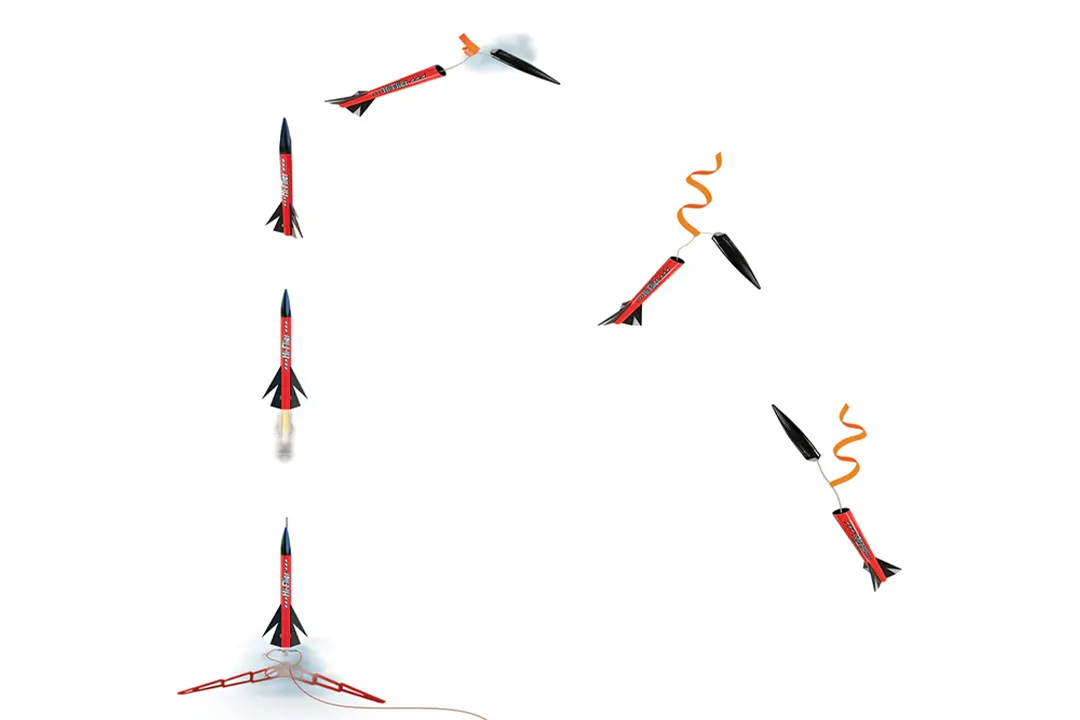
For the vast majority of people starting out with pre-packaged model rocket kits, the primary altitude consideration is rooted in safety guidelines, most notably those set by organizations like the National Association of Rocketry (NAR). The generally accepted upper limit for a standard, low-power model rocket launch, performed without special filing or permission, is Above Ground Level (AGL). This figure acts as a practical and legal benchmark for the simplest level of the hobby.
This 400-foot rule is implicitly recognized across various parts of the hobbyist community, often serving as the default answer when discussing what is "too high" legally for casual flights. If a rocket flies significantly higher than this, it moves out of the simple "model rocket" classification and into an area requiring greater awareness of the Federal Aviation Administration (FAA) regulations.
The underlying authority rests with the FAA because the airspace above the ground is controlled airspace. The Federal Register, in documenting requirements for amateur rocket activities, indicates that launching rockets necessitates adherence to specific rules designed to ensure safety for aviation. When an amateur rocket activity is planned to exceed certain altitude thresholds—often linked to the guideline or exceeding a specific weight/impulse—it crosses a regulatory threshold where official coordination becomes necessary. This means that while a small, lightweight rocket might safely reach in a rare, perfect scenario, doing so regularly requires understanding the formal process needed to avoid conflicts with low-flying aircraft.
# Flight Variables
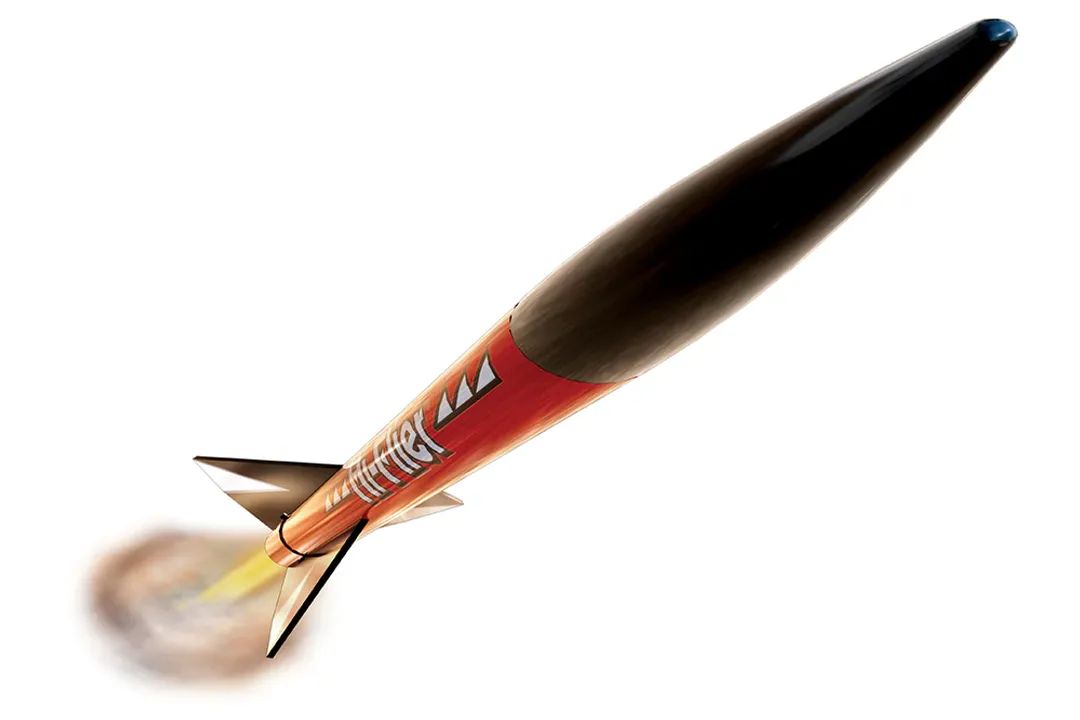
The actual height achieved by any given rocket is a complex interplay of several engineering and environmental factors. A rocket's performance is mathematically predictable to an extent, using established aerospace modeling techniques. However, the variables on launch day are often the deciding factor between a good flight and an aborted attempt.
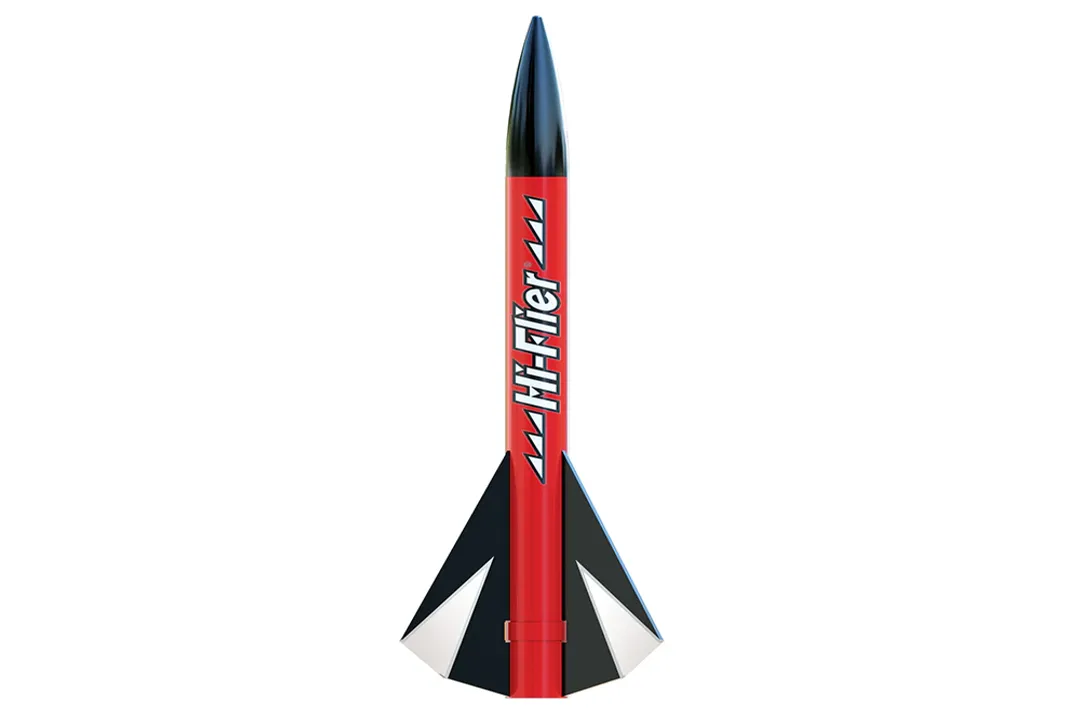
The most significant contributor, naturally, is the motor. Motors are categorized by impulse ratings (e.g., A, B, C, D, etc.), where each letter represents a doubling of the total energy available compared to the previous letter. A small motor will naturally produce far less altitude than a powerful motor, assuming the rocket body remains comparable in mass and drag. Consumer kits sold for beginners, like the popular Estes Hi-Flier, are typically designed around lower-power through motors, often targeting altitudes well below the maximum.
Rocket design plays a critical role too. Aerodynamics—how smoothly the air flows over the body, fins, and nosecone—dictates drag. A poorly aligned fin or a rough surface finish can bleed off precious speed, causing the rocket to peak hundreds of feet lower than a clean, streamlined version of the same model. The total weight of the rocket, including the motor casing, recovery system, and any added materials like electronics, also directly impacts the final altitude, as more mass requires more sustained thrust to reach apogee.
When considering how high they appear to fly, it is worth noting that even if a rocket is capable of , the flight time is extremely short. From the ground, without tracking equipment, visually judging an altitude above is notoriously difficult, leading many hobbyists to overestimate their rocket's true peak height based on how long it was visible before the parachute deployed. This perception gap is a frequent topic in rocketry circles, often leading to confusion about whether the limit was truly breached.
# Motor Scaling
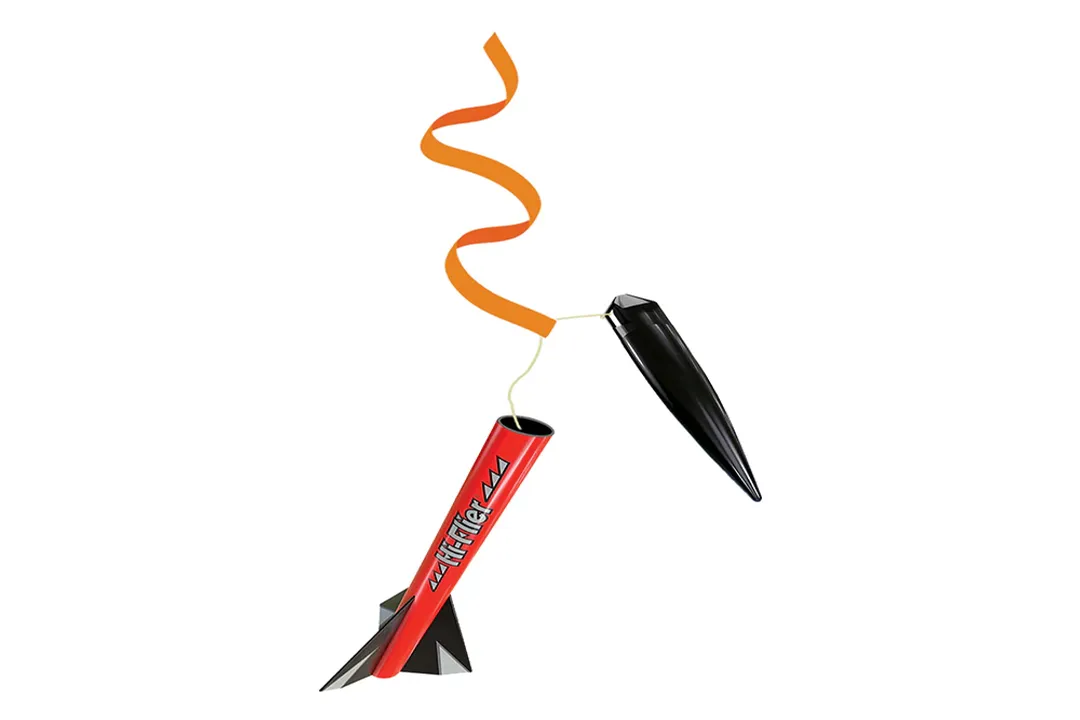
The distinction between model rockets and high-power rockets (HPR) is often defined by the impulse rating of the motor. Model rockets generally stick to lower-impulse motors, keeping them generally within the range where the guideline is the primary constraint for casual flight. Rockets using larger motors, beginning around the impulse class, are definitively classified as high-power, requiring different certification levels from organizations like NAR or Tripoli Rocketry Association.
If a hobbyist uses a robust or motor in a lighter airframe, they can often achieve altitudes nearing or slightly exceeding the safety margin under ideal conditions. However, moving into and higher motors dramatically increases the potential for altitudes reaching $2,000$, $5,000$, or even or more, depending on the propellant and vehicle size. These flights are fundamentally different operations. They require specific launch sites that have received FAA waivers for the expected altitude ceiling, detailed pre-flight documentation, and adherence to stricter recovery procedures. For instance, a rocket targeting needs a flight plan approved by the FAA, which is a process far removed from simply buying a motor and launching in an open field.
# Reaching Space
While the term "hobby rocket" usually implies low or mid-power flights, the outer limits of the hobby approach the edge of space. High-power rocketry groups occasionally achieve record-breaking altitudes. Some advanced amateur groups have successfully launched rockets past the Kármán line—the internationally recognized boundary of space at (). These flights are exceptional achievements, requiring years of planning, specialized construction materials (often carbon fiber or advanced composites), and extensive governmental coordination, moving far beyond the scope of standard model rocket supplies.
Even just attempting to reach the edge of controlled airspace, perhaps or higher, transforms the activity from a weekend launch into a serious amateur aerospace project. The required motors for these heights are massive and expensive, and the legal hurdles are significant, necessitating formal applications for airspace authorization which address safety concerns related to falling debris and air traffic interception. The success of these ultra-high flights demonstrates the potential of the hobby, but the practical altitude for the average person buying an Estes kit remains defined by the readily accessible safety zone.
Related Questions
#Citations
How high is too high? (legally) : r/rocketry - Reddit
Hi-Flier® Model Rocket - Soars Up to 1500 Feet - Estes Rockets
FAA Altitude Limit on Model Rockets??? 400 Feet????
Requirements for Amateur Rocket Activities - Federal Register
How high can a model rocket legally go? - Quora
Predict A Rockets Altitude
How high can a model rocket fly?
FAQ - North Coast Rocketry
So Long Model Rocket - Hobby Works