What is the highest altitude hobby rocket?
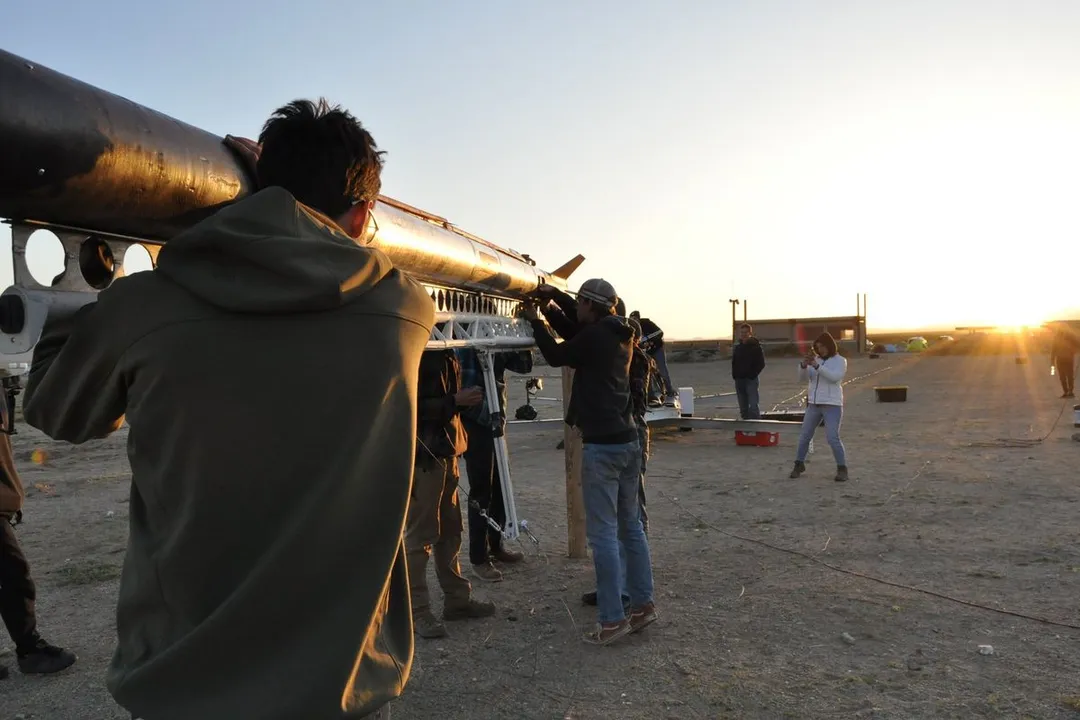
The pinnacle of amateur rocketry is a constantly shifting target, but recent achievements have firmly established a new high-water mark for altitude in hobby and student-built rockets. This pursuit pushes the boundaries of what is possible with commercially available motors and self-designed airframes, transitioning from simple backyard flights to serious aerospace engineering challenges. Reaching these heights requires not just a powerful motor, but meticulous design, stability analysis, and often, advanced recovery systems that can function at near-vacuum conditions. [2][3]
# Student Record
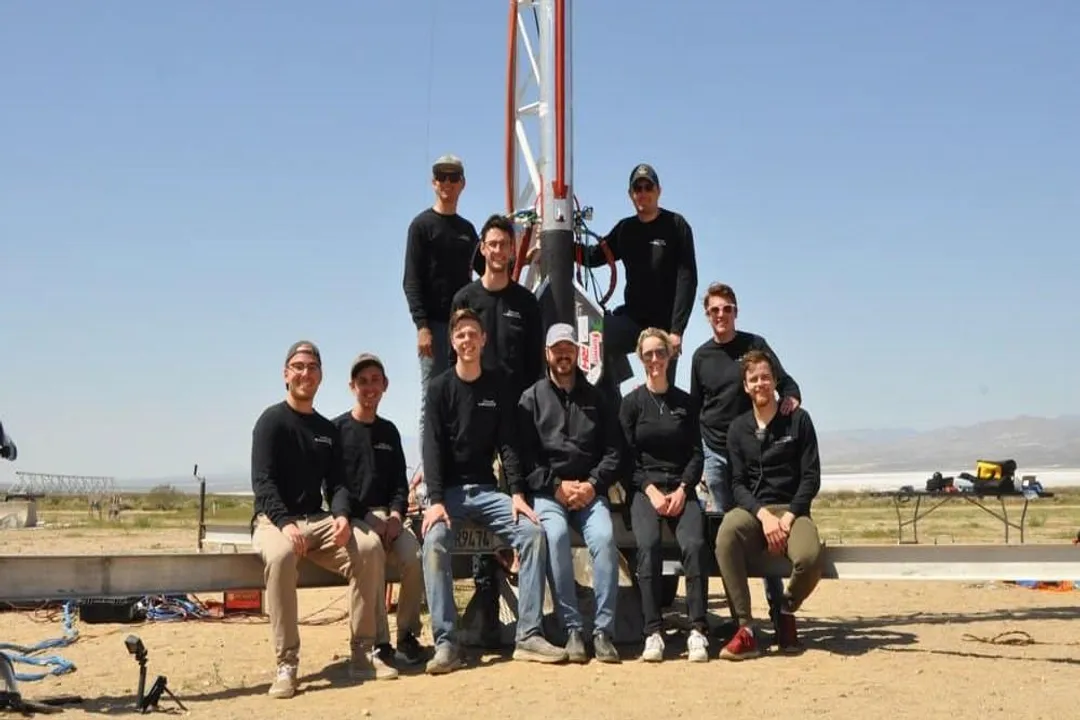
The current record for the highest altitude achieved by an amateur or student-built rocket belongs to the University of Southern California Rocket Propulsion Lab (USCRPL). [2][3][6] This significant accomplishment wasn't just a small step up; it represented a leap into territory usually reserved for much larger, professionally funded programs. [3] The successful flight, reportedly occurring in June 2024, shattered previous expectations for what could be launched by non-governmental student groups. [2]
The work undertaken by USCRPL showcases an exceptional level of expertise in aerospace design, moving well beyond the standard components found in entry-level model rocketry. Achieving these altitudes demands a deep understanding of aerodynamics, thermal management, and flight termination safety protocols, all of which fall under the purview of serious high-power rocketry endeavors. [3][4]
# Altitude Benchmark
The measured altitude for this record-setting flight was an astonishing 470,000 feet, which converts to approximately 143 kilometers. [2][3][6] To put this figure into perspective for the general reader, it is useful to compare it against terrestrial and recognized aerospace markers. For instance, 143 kilometers is vastly higher than the cruising altitude of commercial airliners, which typically operate between 30,000 and 40,000 feet. [6] More dramatically, it eclipses the height of Mount Everest, the world's tallest mountain, by an enormous margin. [3][6]
If we consider the widely accepted boundary of space, the Kármán line, which sits at 100 kilometers (about 328,000 feet), the USCRPL flight definitively crossed that threshold. [3][6] This is a crucial distinction: crossing the Kármán line means the rocket achieved an altitude where the air density is so low that conventional aerodynamics, as we know them lower down, begin to break down, and the vehicle is essentially operating in the vacuum of space. [3] Thinking about the energy required, a rocket must achieve escape velocity or near-orbital speeds to even attempt this, making the required thrust-to-weight ratio at launch incredibly steep. For a typical small, mid-power rocket using an 'H' motor, apogees might be in the range of 1,500 to 5,000 feet, making the 470,000-foot figure several orders of magnitude greater.
# Kit Connections
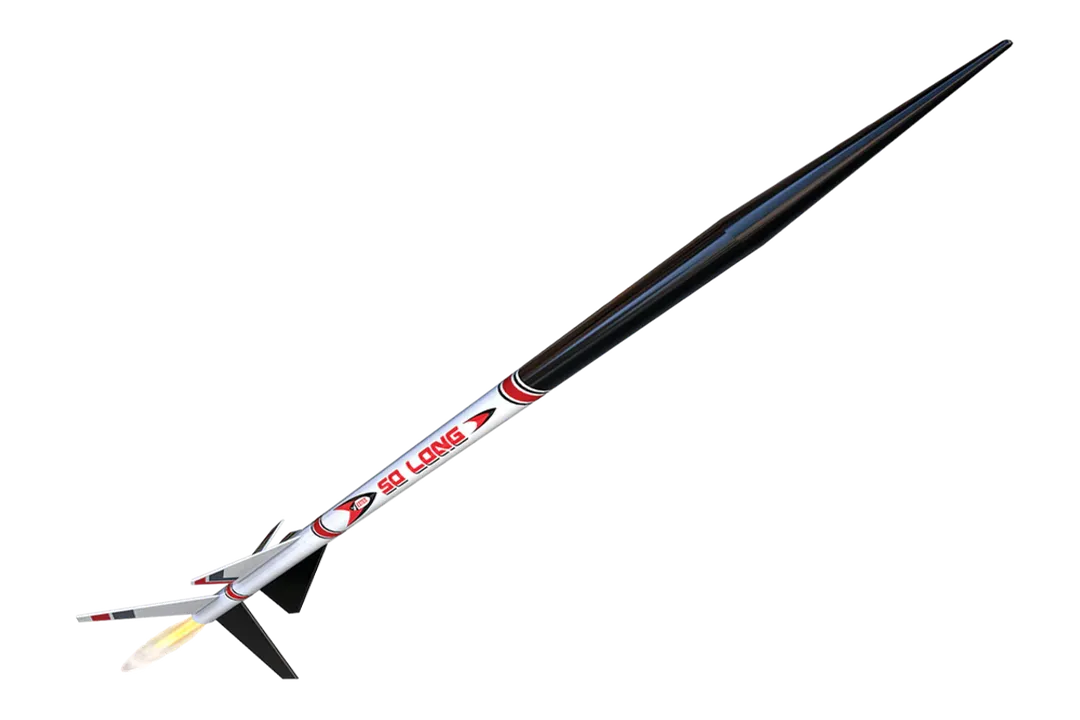
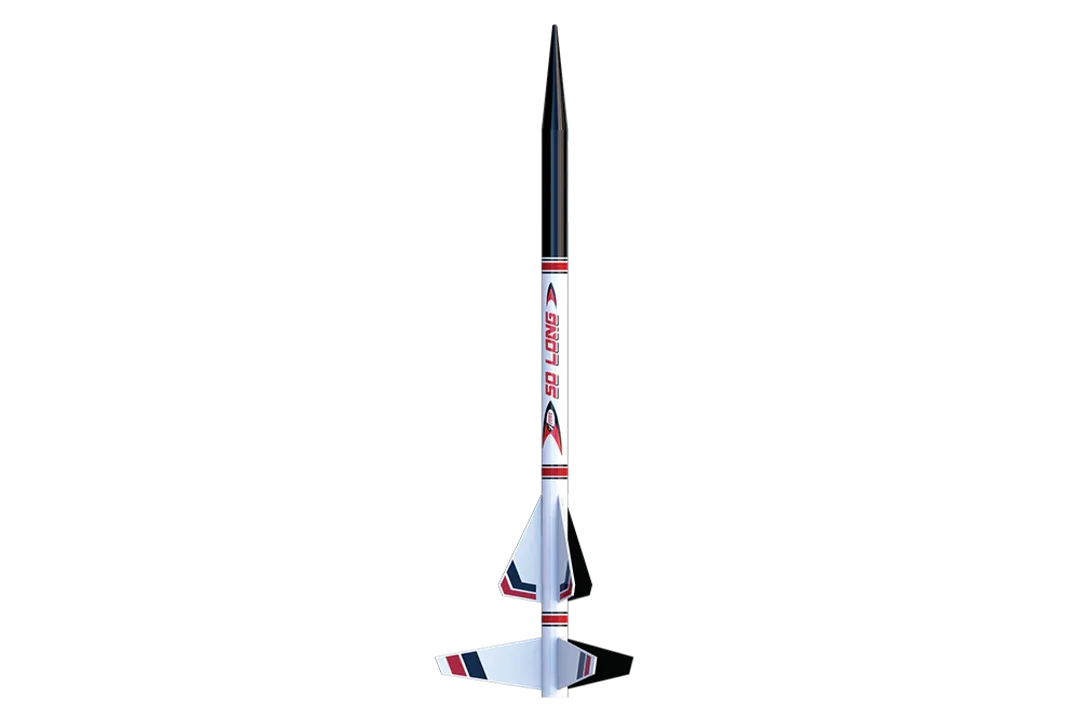
While the student team’s vehicle was a custom engineering marvel, the aspiration for extreme altitude is also reflected in the commercial hobby market, specifically through high-performance model rocket kits. One such rocket design explicitly named for this ambitious goal is the "So Long". [1][4][5] This rocket is marketed toward experienced builders, often designated as a Skill Level 3 model, suggesting a complexity that goes beyond simple snap-together kits. [4]
The "So Long" kit is specifically engineered to facilitate flights toward that 470,000-foot mark, often recommending powerful, reloadable motor systems such as the Aerotech N-class motor to generate the necessary impulse. [1][4] It is interesting to compare the design potential of a commercially available, high-end kit versus the actual performance of a university-engineered vehicle. While the kit provides the airframe blueprint and necessary structural integrity to attempt the record altitude, the student team likely had the advantage of custom simulation, material selection, and perhaps a custom-optimized motor sequence that a standard commercial product cannot replicate off the shelf. [1][3] The kit, however, serves as an accessible entry point for dedicated amateurs wishing to test the limits of high-power rocketry within established safety guidelines. [4][5]
# Power Requirements
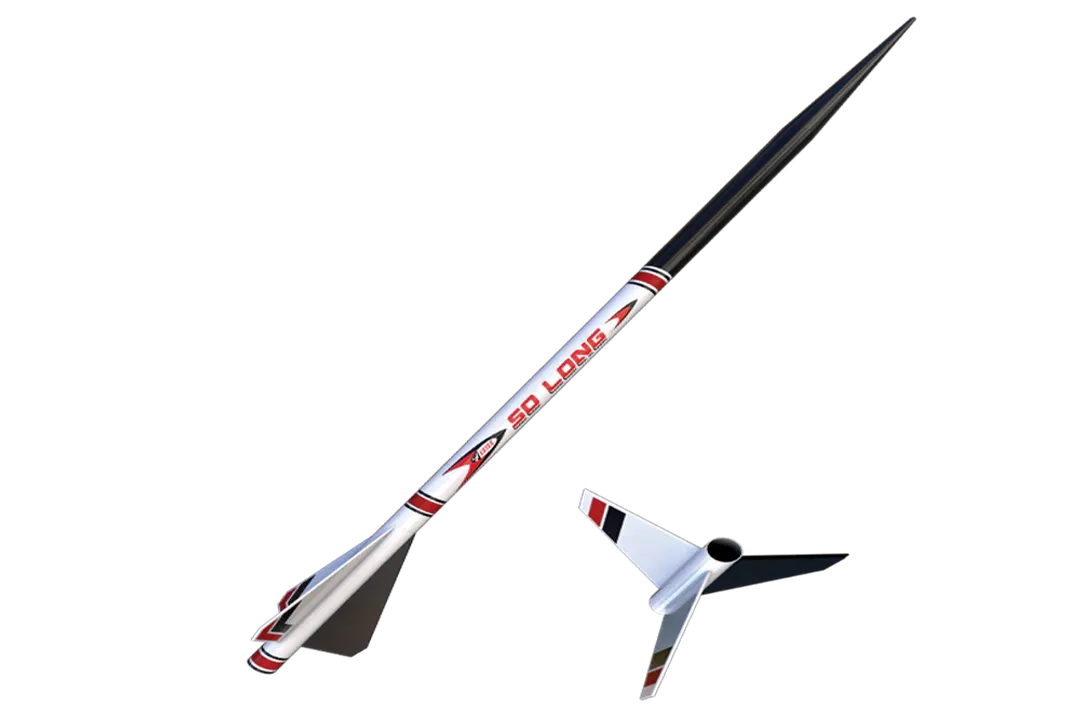
The sheer altitude attained—470,000 feet—immediately dictates that this was not achieved with the small, black powder motors common in entry-level model rockets. The performance required necessitates the use of high-power rocketry motors, specifically those classified in the O, P, Q, or N categories, depending on the specific motor chosen for the record attempt. [3][4] The mention of the Aerotech N-class motor in relation to the So Long kit points directly to this high-power realm. [4]
To achieve such apogees, the total impulse (the measure of the motor's total power output over its burn time) must be massive, and the thrust profile must be carefully managed to avoid over-stressing the airframe during the initial boost phase. [3] Furthermore, the propellant chemistry in these high-power motors is designed for sustained, high-energy thrust, contrasting sharply with the quick, lower-impulse motors in lower-level kits. [1]
When building a rocket intended for altitudes approaching a quarter of a million feet or more, an often-overlooked factor is the recovery system's deployment. At the peak altitude of 143 km, the air pressure is incredibly low, meaning that small charges used to eject the nosecone or parachute may fail to generate enough force to deploy the recovery gear reliably. The recovery system must be designed to operate across a massive pressure differential, often requiring multiple stages of deployment (like a small drogue chute at extreme altitude followed by a main chute deployment closer to the ground). [2] This engineering challenge, ensuring the rocket returns safely after reaching space-like conditions, is just as vital as achieving the altitude in the first place.
Related Questions
#Citations
Pro Series II™ So Long Rocket Kit
Amateur Rocketry World-record (470000 ft / 143 km) : r/space
Student Rocket Reaches Space, Smashes World Record for ...
Estes So Long Rocket Kit
So Long Model Rocket
Record-breaking amateur rocket soars higher than Mt. ...