What is the highest hobby rocket?
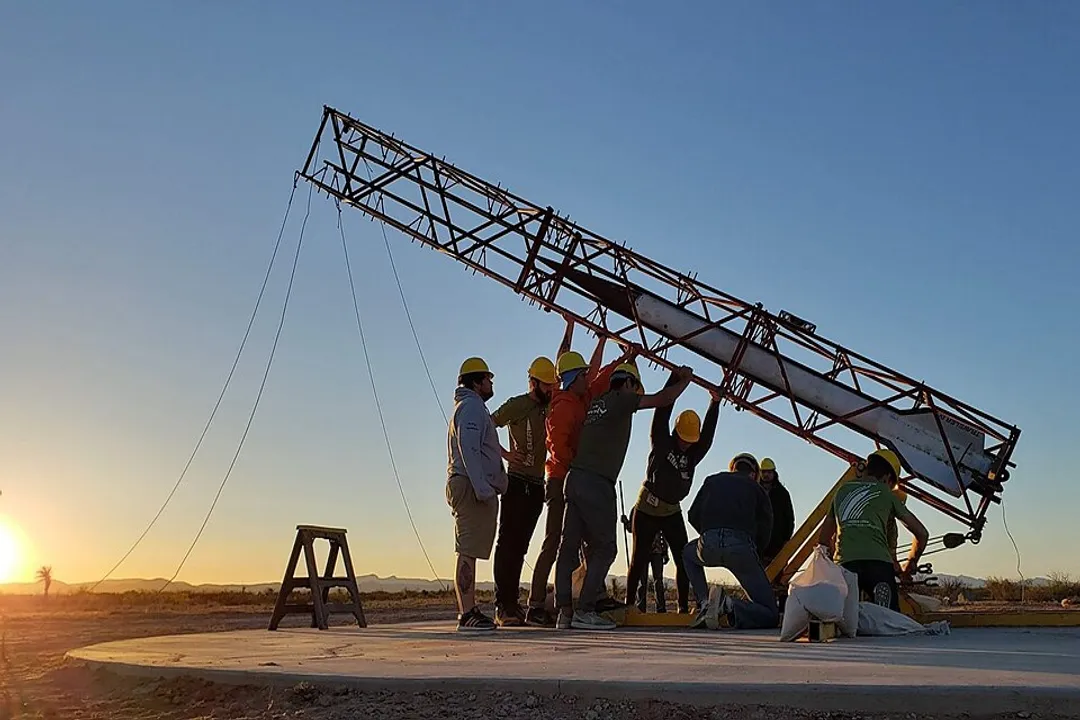
The question of what constitutes the "highest hobby rocket" quickly divides the world of rocketry into two distinct realms: what is readily available off the shelf for immediate launch, and what highly specialized, student-built, or experimental craft push the boundaries of what is physically possible. Hobby rocketry itself is a broad field, sometimes referred to as experimental rocketry, where participants might even experiment with fuels and build their own motors, contrasting with the stricter discipline of model rocketry, which typically relies on commercially manufactured, certified motors.
# Kit Apex
For the enthusiast purchasing a kit designed for high altitude without necessarily requiring high-power certification or advanced construction skills, the ceiling is defined by what established manufacturers offer. Estes, a major name in the hobby, designates specific models for elevated performance. The Pro Series II™ So Long Rocket Kit stands out as one of their highest-flying model kits.
This advanced-level, two-stage rocket is engineered for impressive performance right out of the box, with a projected maximum altitude of 3600 feet (1097 meters) when utilizing its recommended propulsion systems, such as the E16-8 or F15-8 engines paired with appropriate boosters. Its design prioritizes height and high visibility upon return, featuring dual bright orange streamers for a controlled descent. While 3600 feet is a significant climb—over two-thirds of a mile—it represents the pinnacle for a specific category of readily assembled products.
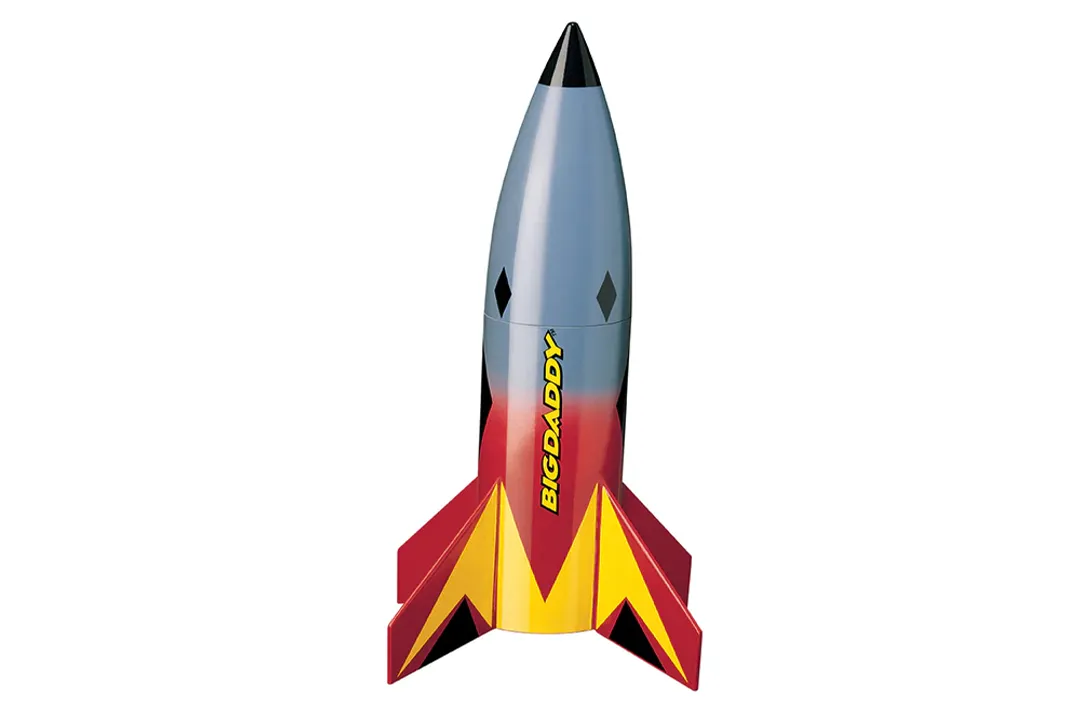
In contrast, other kits, like the Estes Big Daddy, offer a different kind of thrill. Classified as Advanced but focused on large size and powerful C, D, or E engines, its maximum projected altitude is significantly lower, around 900 feet on an E12-6 motor. This highlights that "high-flying" in the hobby trade is relative to the engine class and build complexity the manufacturer intends for the consumer.
# High Power Tier

Stepping up from the standardized consumer kits leads to rockets that blur the line between model rocketry and the more demanding field of high-power rocketry, often necessitating specialized components or even national safety certifications (like Level 1 certification from organizations such as the National Association of Rocketry, NAR) just to legally purchase the required motors.
Discussions among experienced hobbyists frequently center on single-stage rockets that can achieve impressive heights without the staging complexity of the So Long. The Apogee Aspire kit, for example, is often mentioned as a prime candidate for pushing these limits within a non-certified framework, though users immediately note that the actual altitude depends entirely on the motor selected.
With a high-impulse, non-certified motor, like an Aerotech G motor or a CTI G-class motor (which may incur HazMat fees for purchase), the Aspire has been estimated in simulation software (RockSim) to reach altitudes around 5,500 feet. Some enthusiasts have pushed this further, reaching altitudes approaching 10,000 feet using even larger motors, such as an AT I205W. A critical realization for anyone attempting flights near or above 10,000 feet is the recovery problem. A rocket achieving those heights is virtually guaranteed to be lost without dedicated electronics. This necessity for recovery systems like RF or GPS trackers and dual deployment electronics often pushes the builder past the point where simply getting Level 1 certified and using commercially available High-Power (HP) motors becomes the more straightforward, albeit more regulated, path to height.
For those pursuing the upper limits of what can be purchased as a kit without necessarily building from scratch, manufacturers like LOC Precision offer Expert Level kits, such as the Phoenix or Patriot series. These larger airframes are designed to handle the extreme stresses and recovery demands of the largest commercially available solid motors, suggesting performance well beyond the 10,000-foot mark, though actual projected altitudes are highly dependent on the chosen engine combination.
# Absolute Altitude Records

When discussing the highest amateur rocket, we move into territory governed by dedicated university labs or highly organized, independent rocketry groups that often build their own motors—the domain where the definition of "amateur" becomes a topic of debate.
The current verifiable world record for the highest and fastest amateur rocket belongs to the USC Rocket Propulsion Lab’s Aftershock II. This team achieved a staggering maximum altitude of 470,400 feet, which translates to approximately 143 kilometers (89 miles). For context, this officially surpasses the Kármán line, the internationally recognized boundary of space at 100 km. This flight also registered a top speed of Mach 5.5.
This record-setting flight is orders of magnitude higher than anything achievable with a standard retail kit. It also represents a massive leap from previous student achievements; for instance, the same lab’s earlier Traveler IV flight reached an altitude of 339,800 feet, which also crossed the Kármán line.
It is important to note the distinction between this category and commercially available kits:
- The Aftershock II involved multi-year student projects, in-house motor development (like the R4000 engine), and substantial team organization to manage knowledge transfer across graduating classes.
- The So Long kit is a single purchase designed for a weekend build culminating in a 3600 ft flight.
The sheer performance gap between these two classes reveals that the "highest hobby rocket" is a sliding scale defined by the builder’s access to expertise, resources, and regulatory environment. The difference between a successful 3600-foot flight and a 143-kilometer flight is not merely a bigger engine; it is the difference between standardized model rocket safety codes and complex experimental rocketry with specialized propellants and custom avionics bays.
# Performance Comparison Table
To clearly illustrate where different types of rockets fall on the altitude spectrum, we can summarize the data points gathered across the hobby and experimental spectrum:
| Rocket Type / Program | Example Vehicle | Max Projected Altitude | Propulsion Type | Governing Factors | Citation |
|---|---|---|---|---|---|
| Standard Kit | Estes Big Daddy | 900 ft | Estes E Engines | Kit design, standard motors | |
| Advanced Kit | Estes So Long | 3,600 ft | E/F Class Motors (2-stage) | Kit design, multi-stage recovery | |
| High-Power Kit (Non-L1) | Apogee Aspire | ~5,500 ft – 10,000 ft | High-impulse motors (G/I Class) | Motor choice, mandatory tracking/DD | |
| Amateur Record | USC Aftershock II | 470,400 ft (143 km) | Custom Solid Propellant | Expertise, multi-year project, spaceflight recovery |
This comparison makes it clear that while the So Long is the highest Estes kit, rockets like the Aspire pushed the envelope for those without certification but willing to invest heavily in tracking gear and higher-impulse motors. The Aftershock II, however, sits in a class entirely of its own, demonstrating the absolute zenith of independent rocketry engineering.

# Propulsion and Altitude Link
The highest flights, whether in the hobby or record-setting tier, always hinge on the motor's performance, which is directly tied to the propellant and the structural integrity of the rocket body. For model rocketry, motors are rated by impulse, which dictates altitude potential based on the rocket’s mass and drag profile. A key takeaway, even in these high-altitude flights, is that design for recovery is as important as design for ascent. Rockets flown near 10,000 feet require robust tracking solutions; a simple streamer recovery meant for a 3600-foot flight will likely result in the rocket drifting out of sight entirely, meaning the cost of an electronics bay and tracker can be a better investment than maximizing raw engine power if retrieval is the goal.
The experimental sphere, as seen with the USC team, moves past commercially available solid motors into custom compositions like Aluminum Perchlorate Composite Propellant (APCP), or utilizing liquid and hybrid technologies, which are far more complex but offer greater performance potential. This difference in propulsion capability—certified E/F motors versus custom, high-energy solids or liquids—is the fundamental reason for the vast altitude difference between the highest readily available kit and the world record holder.
#Videos
Rocket record: USC students set amateur mark for highest altitude ...
Related Questions
#Citations
Pro Series II™ So Long Rocket Kit - Estes Highest Flying Model
Amateur Rocketry World-record (470,000 ft / 143 km) : r/space - Reddit
Rocket record: USC students set amateur mark for highest altitude ...
What is the Highest flying single stage rocket currently available ...
Expert Level High Flying Model Rocket Online for Sale - Loc Precision
Amateur rocketry - Wikipedia