What herb keeps flies away?
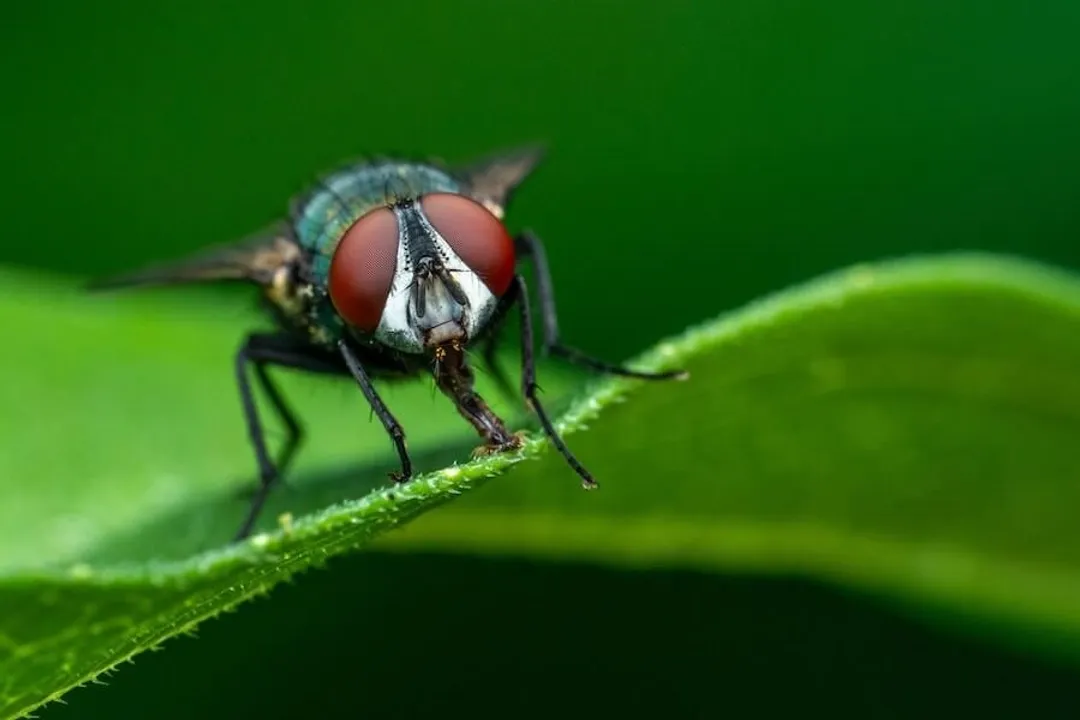
The persistent buzz of a housefly near your picnic or the unwelcome attention they pay to your kitchen window can quickly spoil an otherwise pleasant day. While sprays and traps have their place, many people prefer turning to the garden for a gentler, recurring defense system. Nature provides a remarkable arsenal of aromatic plants whose strong scents confuse or outright repel these irritating insects. [2][7] The secret lies in the essential oils produced by the leaves, which often smell wonderful to us but act as a chemical deterrent to flies. [9]
# Core Repellents

When discussing natural fly control, a handful of herbs consistently rises to the top of recommendations, often appearing across nearly every list compiled by gardeners and homeowners alike. [1][2][3][6][7][8][9] These plants contain high concentrations of volatile organic compounds that flies seem to actively avoid.
# Basil Power
Basil, known primarily for its culinary uses, is frequently cited as a top-tier fly repellent. [1][2][7] Both standard sweet basil and certain aromatic varieties are effective. [7] It is often suggested to place pots of basil directly near doorways or windows where flies tend to enter the home. [3] One reason for its efficacy is its strong, sweet-pungent aroma, which is very noticeable to humans but apparently overwhelming to flies. [2] If you are entertaining outdoors, having a few containers of basil strategically placed around the seating area can provide immediate, localized relief. [1]
# Mint Varieties
The Mentha genus is well-known for its powerful, mentholated scent, making it a staple in natural deterrent lists. [2][8] Peppermint, spearmint, and other mint types share this strong characteristic. [1][6] When considering mint, however, it is worth remembering its notoriously aggressive growth habit. If you plant it directly in the ground, you may soon find it taking over your entire garden bed. [3] For practical fly control, keeping mint contained in pots is almost always the best strategy, allowing you to place it exactly where needed without ecological concern in your landscape. [3][9]
# Lavender Scents
Lavender is perhaps as famous for its calming effect on humans as it is for its ability to repel pests. [2][6] The floral, slightly camphorous scent of lavender, particularly when crushed, seems to send flies packing. [3][7] It stands out because it is often recommended alongside herbs like rosemary and sage, suggesting its efficacy covers a broad spectrum of flying nuisances, including mosquitoes. [7] Because lavender generally prefers sunnier, drier conditions than, say, mint, it can often be grouped effectively with other Mediterranean herbs in a sunny window box. [1]
# Rosemary Defense
Rosemary offers a dual benefit: it is a wonderful culinary herb and an excellent insect deterrent. [2][7] Its needle-like leaves contain oils that are highly aromatic, particularly when heat or friction releases them. [8] Placing rosemary near outdoor cooking areas or high-traffic entry points is a common recommendation. [6] Its woody nature means it handles being outdoors in pots well, making it a reliable fixture for decks and patios throughout the summer months. [1]
# Sage and Catnip Allies
Sage, with its fuzzy leaves and earthy aroma, is another strong contender that appears on most lists. [1][8][9] It pairs well aromatically and practically with rosemary in sunny spots. [2] Catnip, which contains the chemical nepetalactone, is also frequently mentioned. [3][6] While nepetalactone is famous for its effect on cats, its properties are recognized as effective against several biting and nuisance insects, including flies. [2][8] For those who might have cats, placing catnip strategically near a door might lead to an interesting diversion, but the scent barrier for flies remains in place. [1]
# Supporting Fragrant Herbs

While the six plants above form the core defense, several other herbs provide significant aromatic support and are excellent additions to your repellent collection, often providing different scent profiles that keep pests guessing. [2][7]
# Thyme
Thyme offers a low-growing, dense foliage option that releases its oils readily when brushed against. [8][9] It is incredibly versatile, thriving in containers or rock gardens, and its subtle, earthy fragrance complements the sharper scents of basil or mint. [7] For patio use, placing pots of thyme at ground level or along the edges of tables can be surprisingly effective due to its dense structure. [3]
# Pennyroyal Limitations
Pennyroyal is often cited in historical or comprehensive lists as a fly repellent. [1][6][8] It contains pulegone, a potent compound. [1] However, it is important to note that while effective as a repellent, Pennyroyal is generally considered toxic if ingested by humans or pets in large quantities. [9] Because of these toxicity concerns, many modern, general recommendations skip mentioning it or include strong caveats, leading some contemporary gardeners to substitute it with safer alternatives like lemon balm or common herbs. [1]
# Lemon Balm
A member of the mint family, Lemon Balm (Melissa officinalis) carries a distinct, bright citrus scent that many insects dislike. [2][8] It is generally easier to manage than true mint and works well in semi-shady spots. [8] Its fragrance is pleasant and often used in teas, providing a less intense but still effective layer of aroma around outdoor living spaces. [2]
# Floral and Specialized Deterrents
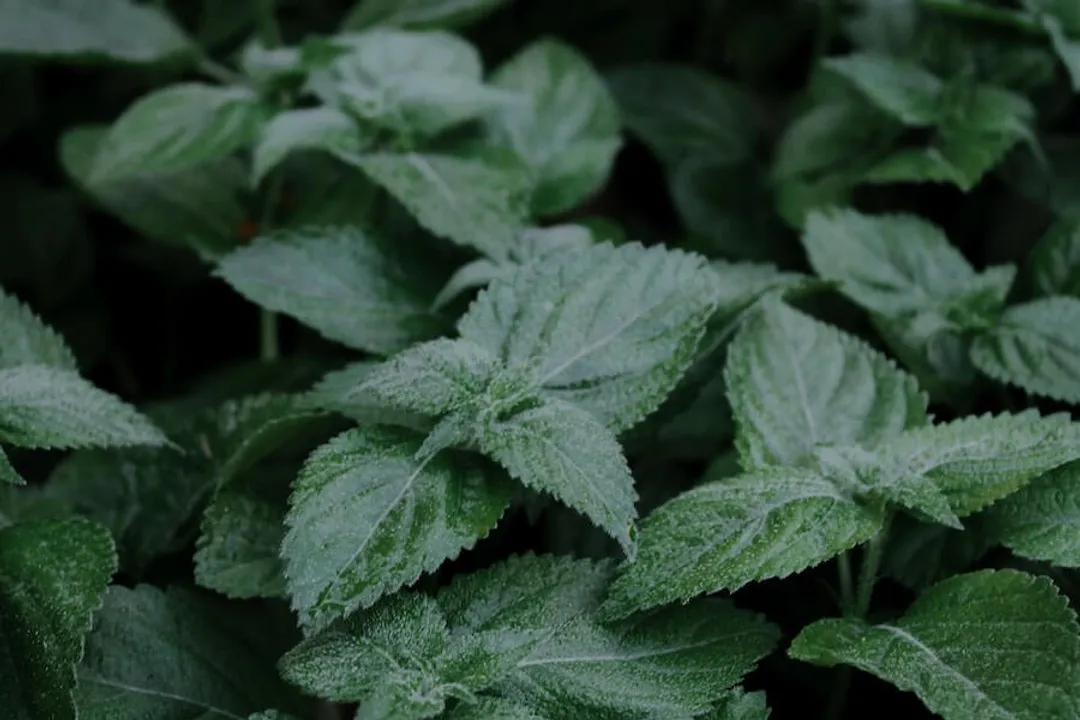
Beyond the culinary herbs, certain flowering plants and specialized herbs possess properties that specifically target flies, often containing compounds directly related to commercial insecticides.
# Marigolds
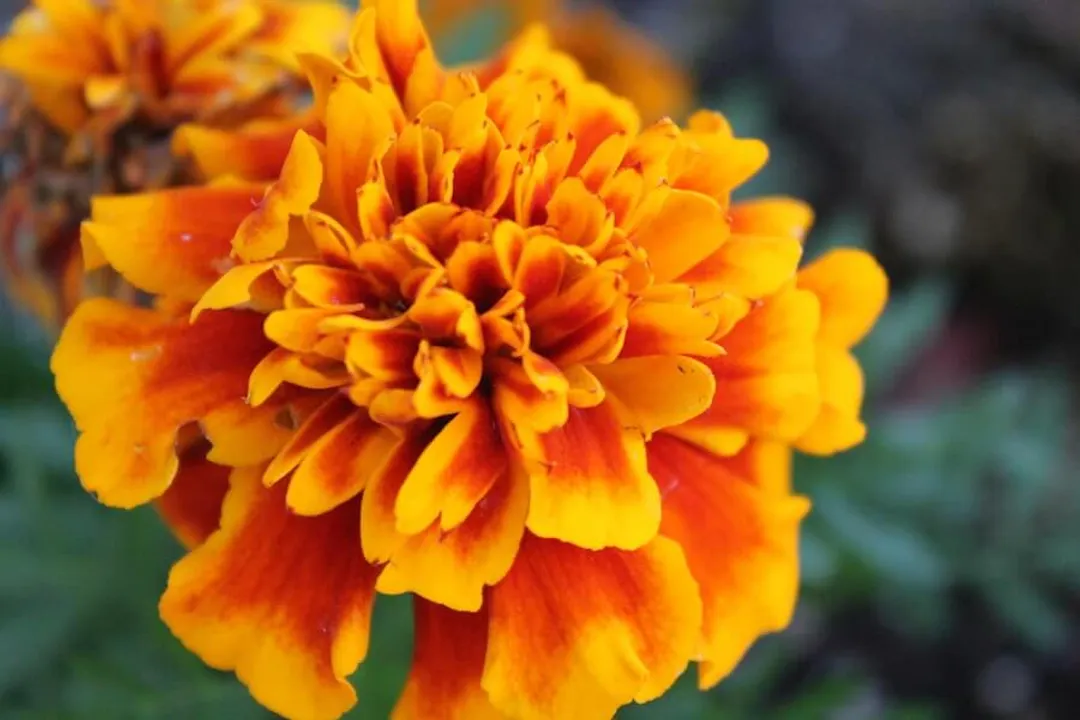
Marigolds are one of the most universally recommended insect-repelling flowers, often mentioned alongside herbs like basil and rosemary. [1][6][7] Their strong, sometimes musky odor is known to deter various pests, not just flies. [8] They are easy to grow and provide bright color, making them a practical and aesthetic choice for borders or containers near fly-prone areas. [1]
# Chrysanthemums Chemistry
Chrysanthemums deserve special mention because their effectiveness is rooted in chemistry. They contain pyrethrins, which are natural insecticides. [1] While the plant itself acts as a deterrent due to its scent, the chemical compounds within can actively disrupt insect nervous systems upon contact or ingestion, providing a slightly different level of protection than just scent masking. [1][6]
# Nasturtiums and Geraniums
Nasturtiums are often included for their peppery taste and scent, acting as a repellent. [7][9] They are also known to potentially act as a trap crop for aphids, suggesting they are generally attractive to pests they don't repel, making them a good sacrificial plant near less desirable areas. [7] Scented Geraniums, distinct from bedding geraniums, offer a rose-like or citrusy scent derived from their oils, which also helps keep flies at bay. [1][6]
# Maximizing Herbal Effectiveness
Simply owning these plants does little good if their defensive oils are trapped inside the leaves or if they are placed too far from the target area. To truly establish a perimeter defense, understanding how to activate and deploy these natural barriers is essential.
# Activating the Aroma
The primary mechanism these herbs use to keep flies away is the release of their essential oils into the air. [9] For many herbs, this happens naturally through evaporation, especially on warm, sunny days. [2] However, you can significantly boost their immediate effectiveness through gentle agitation. If you are setting up for an outdoor meal or notice an increase in flies near a specific window, take a moment to lightly bruise or crush a few leaves from your basil, rosemary, or mint pots. [3] This physical disruption fractures the oil sacs in the foliage, releasing a sudden, intense burst of repellent scent that often works instantly to clear the immediate area. [9] Think of it like manually activating a short-term repellent spray right at the source.
# Strategic Placement Density
Many sources focus on which plants work, but less is said about how many are needed for a robust defense. [1][6] If you have a large patio or an open-plan doorway, a single pot of lavender might offer negligible protection against a determined swarm. A key to success is concentration. [3]
When designing your natural fly defense, consider grouping plants into dense clusters rather than scattering single pots thinly around the perimeter. For instance, arranging three different herbs—say, basil, sage, and thyme—in a tight grouping of three-inch pots near the back door creates a far more potent scent barrier than spreading one pot of each plant ten feet apart. This layering of different oils enhances the overall deterrent effect.
This strategy is particularly effective near known entry points like trash can areas or frequently used doors. [3] This density helps overcome ambient air currents that might otherwise whisk the scent away before it deters a fly. [2]
# A Simple Effectiveness Checklist
To ensure your botanical security system is functioning optimally, run through this quick maintenance check, focusing on the key factors that influence oil release:
- Sun Exposure: Are the sun-loving herbs (Rosemary, Lavender, Sage) getting at least six hours of direct sun? Lack of sun reduces oil production. [2]
- Watering: Are the plants adequately watered but not waterlogged? Stressed plants produce less scent. [9]
- The Crush Test: Have you periodically rubbed the leaves? If the scent is faint to you, it is likely too faint for a fly. Perform the crush test mentioned above every hour or two during peak outdoor activity. [9]
- Seasonal Swap: Recognize that the potency of herbs can shift seasonally. Herbs like basil might thrive and smell strongest in the heat of summer, while hardy herbs like rosemary and lavender remain reliable into cooler shoulder seasons. [1][6]
By treating your collection of repellent plants not just as decoration, but as active, touch-activated components of your home defense, you can significantly reduce reliance on chemical alternatives. [2] While no single herb provides absolute, year-round, guaranteed immunity from flies, a well-planned assortment of strong-scented foliage offers a natural, sustainable way to reclaim your outdoor spaces. [7]
Related Questions
#Citations
11 Types of Fly-Repellent Plant | Garden Benches Blog
7 Plants That Repel Flies Naturally! | HowStuffWorks
Plants to prevent flies? - Reddit
Herb Bundles to Keep Flies Away - YouTube
What herbs would you suggest to grow that will keep flies out of the ...
10 Plants That Repel Insects Naturally | Sunday Lawn Care
10 fragrant plants against flies and mosquitoes - Hermie.com
5 Plants That Will Keep Flies Away This Summer - Teryl Designs
6 natural ways to keep pesky flies away - Little Bird Organics