How does basil keep flies away?
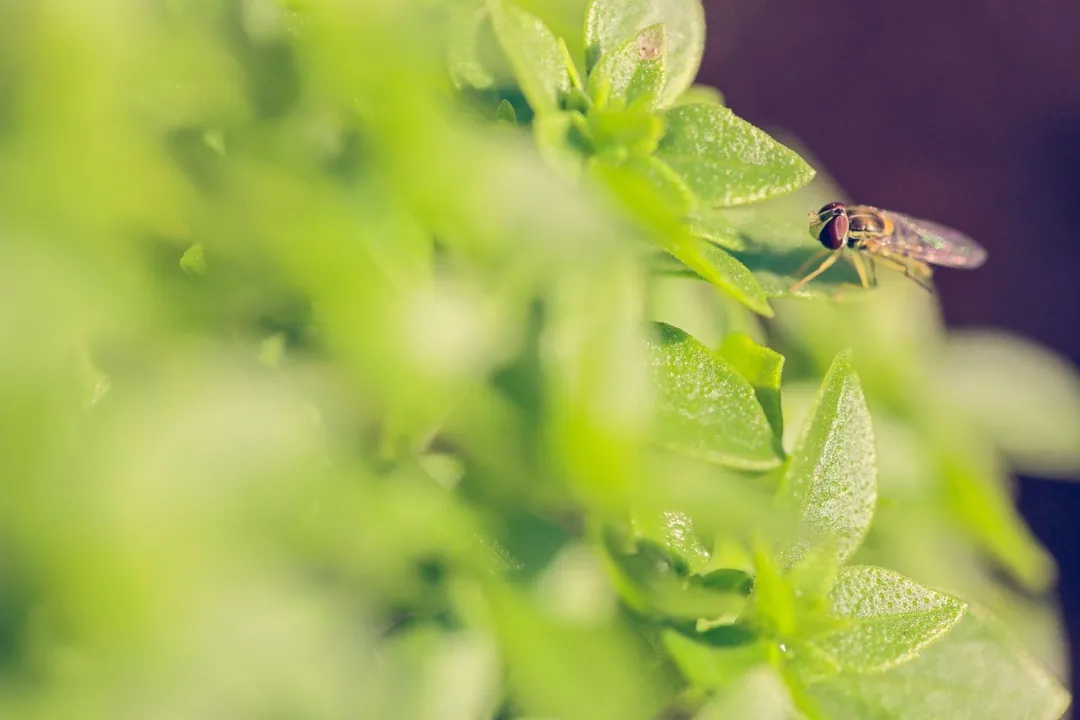
The common understanding in many households is that a pot of fresh basil sitting on the windowsill acts as a natural guard, keeping annoying winged insects at bay. This herb, indispensable in Italian cuisine, is frequently recommended as one of the go-to natural defenses against common household pests, specifically flies. [4][7] The principle behind basil's supposed effectiveness is its powerful aromatic quality. [4] Flies, like many other insects, possess senses that are highly tuned to volatile organic compounds, and the potent oils emitted by the basil plant are decidedly unpleasant to them. [4]
# Aromatic Defense
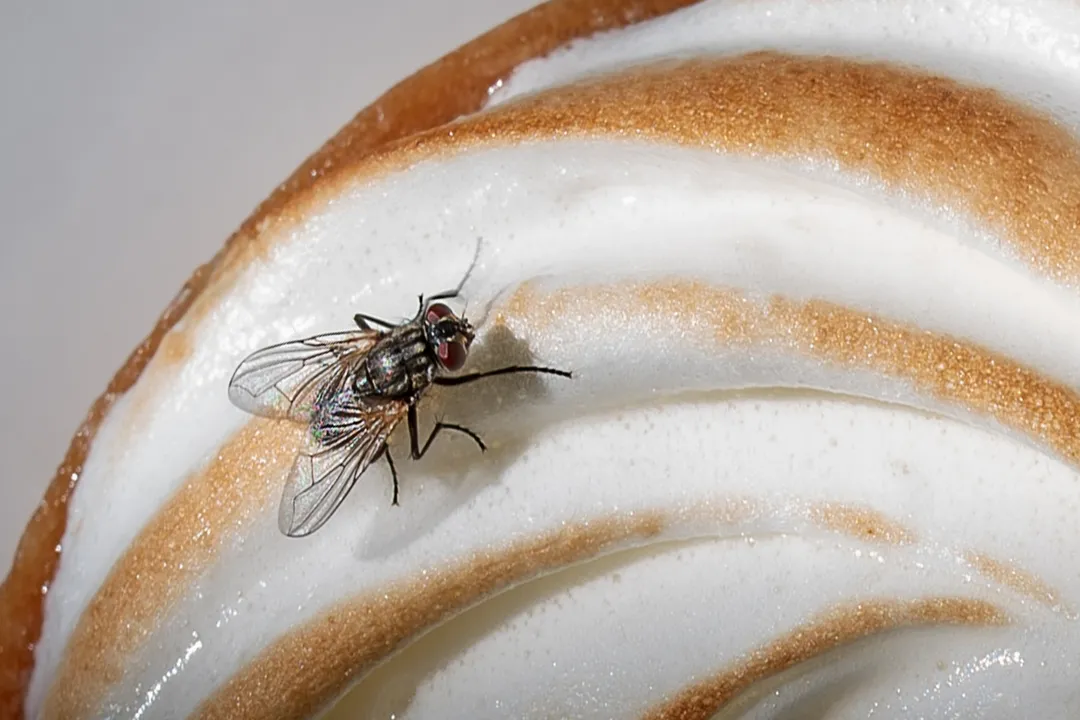
The deterrent effect stems directly from the strength of the herb's scent profile. [4] While the general consensus points to the smell, the mechanism isn't always about killing the pests; rather, it’s about masking attractive odors or creating an environment they actively avoid. [7] Basil joins a category of popular aromatic herbs, such as lavender, rosemary, and mint, that gardeners and homeowners use to establish natural pest boundaries. [7] When basil leaves are intact, they release these compounds slowly, offering a continuous, subtle barrier. [4]
# Placement Strategy
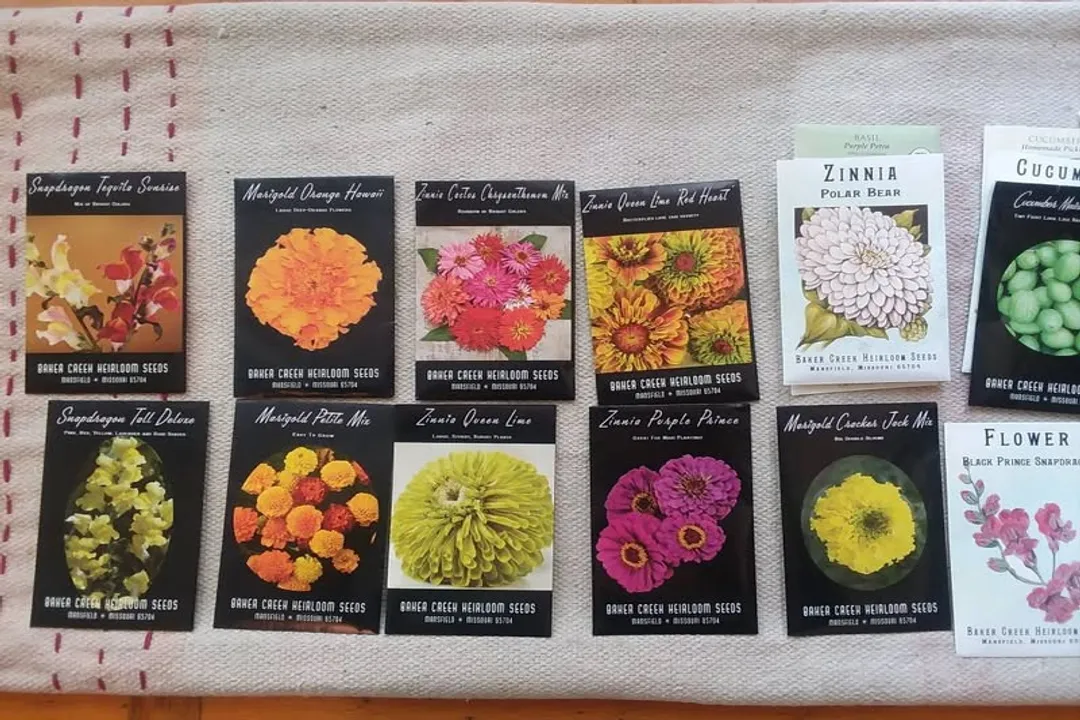
To effectively utilize basil as a fly deterrent, placement is key, moving it from merely decorative to functional. Experts suggest positioning the herb near entry points where flies are most likely to enter, such as windows or doors. [4] Keeping a few pots lined up on a kitchen windowsill is a classic application, targeting the area where food preparation often occurs. [4] This strategic positioning aims to disrupt the flies' approach before they settle inside the main living spaces. [4]
For outdoor entertaining, where flies can be a bigger nuisance, placing basil on a patio table alongside other items can offer some protection. [4] It’s important to remember that the effectiveness is directly tied to the scent being present in the air surrounding the target area.
# Maximizing Power
When immediate, localized protection is needed, simply having the plant nearby might not be enough, especially if the air is still or the source of attraction (like fruit scraps) is strong. A simple way to enhance the repellent action is to actively release the aromatic compounds. This is achieved by bruising or gently crushing the leaves. [4][7] When the leaf tissues are broken, the essential oils stored within are immediately released into the air at a much higher concentration. [7]
This technique is particularly useful if you are trying to keep an area clear temporarily, perhaps during an outdoor meal. You can place crushed leaves directly on a plate edge or on a surface where flies tend to land. [7] Furthermore, commercially available basil essential oil is also noted for its insect-deterring properties, offering a concentrated version of the plant's natural defense chemicals for use in diffusers or homemade sprays. [7] If one considers the sheer volume of oil released by an entire plant versus a few drops of essential oil, it becomes clear why the concentration matters significantly when deciding on the best method for a given situation.
# Pest Confusion
While basil is heralded for driving away house flies and other common pests, experience shared by gardeners suggests a nuance in its relationship with all flying insects. Several anecdotal reports highlight instances where basil plants themselves became targets for infestation, particularly by very small, almost imperceptible flies. [1][5] This observation shifts the focus from basil repelling a pest to basil potentially attracting a different one, or more accurately, creating an environment attractive to something else.
The primary culprit in these cases appears to be fungus gnats. [5] These tiny pests are drawn not to the basil's scent, but to the conditions that basil thrives in—namely, moist soil. [5] If basil is kept too wet, or if the potting mix retains too much moisture, it creates the perfect breeding ground for gnat larvae in the soil. [5] This serves as a crucial distinction: the foliage deters larger flies via scent, but the soil management dictates whether you invite tiny, soil-dwelling pests. [1][5] A gardener noted having to deal with these tiny flies specifically on their basil, suggesting a diagnosis error where people assume the plant is attracting flies when in reality, it’s suffering from inappropriate watering habits that attract the gnats. [5]

# Herb Comparison
Basil’s reputation is strong, but it operates within a family of natural insect controls. When comparing basil to other common herbs, we see similarities in mechanism—the reliance on strong, volatile oils—but differences in target pests. [7] For instance, while basil is often cited for general fly deterrence, many people associate peppermint or citronella with mosquito control, and marigolds with nematodes or broader garden pests. [7]
Basil seems particularly well-suited for kitchen defense against common nuisance flies due to its indoor-friendly nature and pleasant scent profile compared to some harsher alternatives. An interesting observation when comparing how different herbs are deployed is that basil is often kept inside near food, whereas stronger-smelling deterrents like tansy or pennyroyal are often relegated to outdoor borders due to toxicity concerns or overwhelming odors. [7] Basil strikes a balance: potent enough to deter while being safe and enjoyable indoors. If we were to rank the herbs based on the shared user experiences regarding indoor fly control, basil ranks highly alongside rosemary and mint, perhaps because they are all commonly grown in containers near windows. [4]
# Integrated Pest Management
To truly use basil as a reliable line of defense against flies, it needs to be part of a broader strategy rather than viewed as a solitary magic bullet. Simply having one small pot may not be enough to counteract a persistent infestation or a very attractive food source. [4] For maximum impact, consider grouping several scented plants together near key areas—this creates a stronger overall aromatic buffer. [1] Furthermore, inspect the soil of any potted basil regularly; if you see tiny flies hovering around the soil surface, immediately reduce watering frequency to let the top layer dry out before watering again. [5] This single action addresses the potential secondary issue (gnats) that can make people question the herb's purported repellent qualities.
For instance, a person managing a busy outdoor grilling station might benefit from placing one basil plant directly next to the herb station for immediate scent release when brushing the leaves, while also having a larger, well-drained basil bush situated a few feet away to create a general zone of mild aversion for incoming flies. [4] This layered approach—using both concentrated bursts and ambient scent—provides a more reliable result than relying on a single, passively growing plant. [4] The plant’s success as a natural repellent depends as much on the homeowner’s maintenance and placement decisions as it does on the chemistry within the leaves themselves.
Related Questions
#Citations
My Basil, nooo. . . Oh God the flies : r/gardening
Basil Plant And Flies: Does Basil Keep Flies Away?
How to get fruit flies to leave basil alone?
The Popular Herb That Can Help Keep Flies Out ...
How to get rid of tiny basil flies?
Does basil repel bugs?
7 Plants That Repel Flies Naturally! | HowStuffWorks